Building a home gym is not just about racks and dumbbells. A good jump rope can cover conditioning, fat loss and even strength endurance in a tiny footprint. Choosing between a weighted jump rope and a speed rope is less about brand hype and more about matching cable thickness, handle design and length adjustment to your specific training goals and experience level.
Weighted vs speed ropes: what’s the difference?
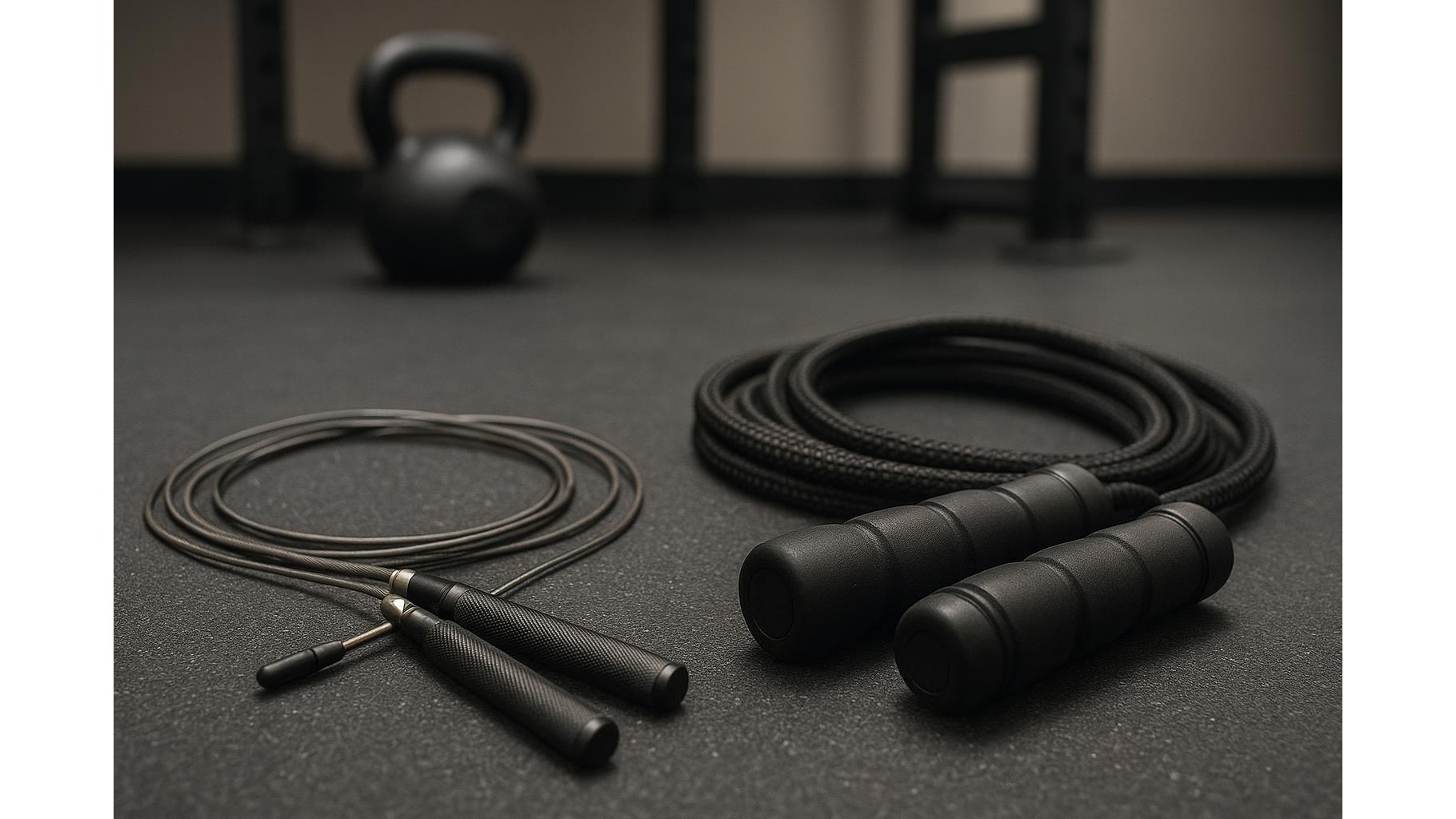
Both weighted ropes and speed jump ropes train the whole body, but in different ways. Weighted ropes use a thicker or heavier cable (and sometimes loaded handles) to increase resistance. This boosts upper-body and shoulder endurance and raises heart rate at lower speeds, making them ideal for strength endurance and fat-loss circuits. Speed ropes, by contrast, use an ultra-thin coated steel cable to minimise drag, letting you spin faster for double-unders, high-intensity intervals and precise footwork. Think of weighted ropes as a hybrid between conditioning and strength, while speed ropes are built for power, coordination and agility at high speed.
How to choose cable thickness and material
The cable thickness of your rope largely determines its feel and training effect. Thin steel cables (around 2–3 mm with PVC coating) are best for speed work, quick rebounds and technical skills; they are less forgiving on bare skin and better suited to smoother surfaces like gym mats. Medium-thickness PVC ropes are more versatile and beginner-friendly, offering enough air feedback to help you time your jumps without punishing mistakes. Thick, heavy PVC or fabric-coated cables add noticeable resistance, turning each rotation into a small strength effort for your forearms, shoulders and upper back. For most home gym users, owning one lighter cable for speed and one heavier rope for endurance gives the widest training spectrum.
Handle design, bearings and grip
The handle design of your jump rope influences comfort and rotation smoothness. Longer, slimmer handles are common on speed ropes because they allow subtle wrist flicks and fast spin. Quality models use ball bearings at the connection point so the cable rotates freely without twisting your wrists, essential for double-unders and longer intervals. Weighted or beginner ropes may use slightly thicker, contoured handles with a grippier surface to enhance control, especially when your hands get sweaty. Whatever your goal, prioritise a secure, non-slip grip and smooth rotation over flashy aesthetics; this reduces wasted energy and lowers injury risk during high-rep sessions.
Adjusting rope length for your height and space
Correct rope length adjustment is crucial for efficient technique, particularly in a home gym where ceiling height and floor surface can limit your setup. Many modern speed ropes come with a long cable that you can cut or lock in place via small screws at the handle. As a rule of thumb, stand on the middle of the rope with both feet and pull the handles upward: for beginners, the ends should reach roughly chest height; intermediate users can shorten to mid-rib or just below the sternum for faster turnover. In low-ceiling spaces, going slightly shorter reduces the arc of the rope and prevents it from catching on ceilings or light fixtures, but avoid going so short that you’re forced into a hunched posture or excessive knee tucking.
Matching the right rope to strength, conditioning and fat-loss goals
Your primary goal should dictate whether you lean towards a weighted rope, a speed rope, or both. For fat loss and general conditioning, a medium-weight PVC or lightly weighted rope allows sustainable sessions with moderate impact; you can perform intervals like 40 seconds on, 20 off, combined with bodyweight moves. If your focus is strength endurance and shoulder robustness, a heavier cable used in shorter bouts (for example 30–60 second sets) fits well into metcon circuits. Those training for CrossFit-style WODs, combat sports or performance should prioritise a high-quality speed rope for crisp double-unders and footwork drills, supplementing with a heavier rope once technique is solid. In a compact home gym, this simple two-rope strategy covers nearly every conditioning need.
In summary, the best jump rope for your home gym depends on how you want to train rather than a single “best” model. Consider cable thickness and material for the desired resistance, choose handles with reliable bearings and comfortable grip, and take time to adjust the length precisely for your height and training space. Pairing one speed rope with one weighted rope creates a compact, low-cost toolkit that supports strength endurance, conditioning and fat-loss goals within the same small corner of your home.