In a small home gym, how you store your barbell is almost as important as which bar you buy. A loose bar rolling on the floor can damage the knurling, become a trip hazard and eat up precious space. The two most popular storage options are wall-mounted barbell holders and floor barbell stands. This guide walks you through how each solution works, what to consider before installing it, and how to keep your bar safe, straight and out of the way in a compact training area.
Wall-mounted barbell holders: who they are best for
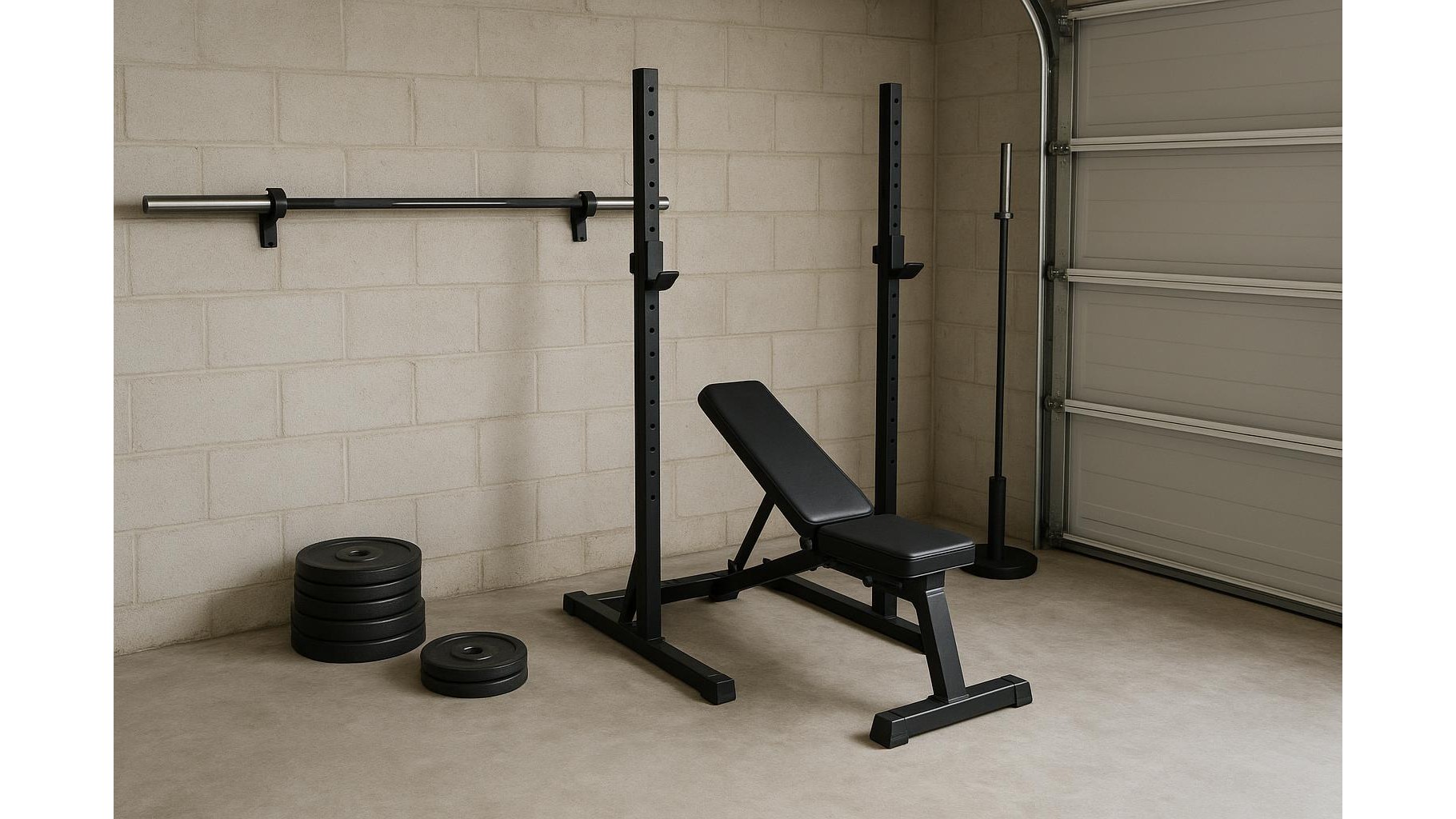
Wall-mounted barbell hooks are ideal if you want to keep your bar completely off the floor and maximise every centimetre of footprint. Fixed to a solid wall, they hold the bar horizontally, usually by the shaft, so the sleeves hang free and the knurling stays protected. In a tight single-car garage or spare room, getting the bar onto the wall instantly clears floor space for deadlifts, kettlebell work or mobility drills. Wall storage also makes it easier to keep bars dry and away from damp concrete, which helps prevent rust. The trade-off is that you need suitable wall structure and you must be precise with measurements so the bar racks level and does not interfere with doors, windows or power sockets.
Floor barbell stands: when they make more sense
Floor barbell stands or vertical bar holders store the bar upright, usually gripping the sleeve or locating it in a tube. They shine in setups where you cannot drill into walls, such as rented flats or rooms with thin plasterboard partitions. A compact stand can sit in a corner or beside a rack and still free up most of the bar’s length from the training area. Because installation is as simple as placing the stand on the floor, they are also quicker to reposition if you rearrange your home gym layout. The downside is that they still occupy a small footprint and, if poorly designed or overloaded, may become unstable, so checking base width, weight and anti-tip features is crucial.
Comparing safety, space and bar protection
Both wall-mounted holders and floor stands can store your bar safely if used correctly, but they excel in different priorities. Wall hooks usually win on space efficiency: the bar sits flush to the wall, and the only footprint is the mounting hardware. They also minimise the chance of someone knocking the bar over, as long as the hooks are installed at a sensible height. Floor stands score better on flexibility: you do not depend on masonry, and you can move the stand to adapt to new equipment. In terms of bar protection, look for rubber, UHMW or plastic lining where the bar contacts metal, whichever option you choose. This prevents cosmetic damage to the shaft and preserves knurling, especially on premium Olympic bars.
Installation tips for a small home gym
Before you mount anything, take time to plan. For wall-mounted barbell holders, confirm what your wall is made of: brick, block or properly reinforced studs are ideal. Mark stud positions or drill points accurately and use appropriate anchors and coach screws rated for more than the combined weight of your bars. Mount hooks high enough that the bar clears any squat rack uprights or benches but not so high that racking and unracking becomes awkward. For floor barbell stands, set them on a flat, stable surface; rubber gym flooring is fine as long as it is level. Leave clear space above the bar so you can lift it out without hitting ceilings, shelves or garage doors, and avoid placing the stand where children or pets frequently run past.
Safety checks and daily best practices
Whichever system you choose, build a quick safety checklist into your routine. For wall holders, periodically inspect screws and brackets for any movement or cracks, especially if the bar is near heavy vibrations from dropping weights. Make sure the bar is always placed fully into both hooks so the shaft is evenly supported. With floor stands, check that the base has not shifted and that all bolts remain tight. Do not overload stands designed for a single bar with multiple bars stacked together. In both cases, keep the storage zone free from clutter so you are not tempted to leave the bar on the floor “just for a set”. Consistent, careful storage will extend the life of your equipment and keep your small home gym safer and more enjoyable to use.
Choosing between wall-mounted barbell holders and floor barbell stands comes down to your walls, your floor and how permanent you want your setup to be. Wall hooks maximise space and keep your bar out of the way, at the cost of drilling and careful installation. Floor stands are flexible and renter-friendly but claim a bit of floor area. By assessing your room layout, checking load ratings and following basic installation and safety guidelines, you can store your barbell securely, protect your investment and make your compact home gym feel far more organised and efficient.