Smart technology has moved from watches and phones to almost every corner of the gym. One of the newest arrivals are smart barbell collars, compact devices that lock your plates in place while also tracking sets, reps, bar speed and even time under tension. For home gym owners already using wearables and apps, the idea of turning a standard barbell into a connected training tool is very appealing. But are these tracking collars genuinely helpful, or just another expensive gadget that will end up in a drawer?
What are smart barbell collars and how do they work?
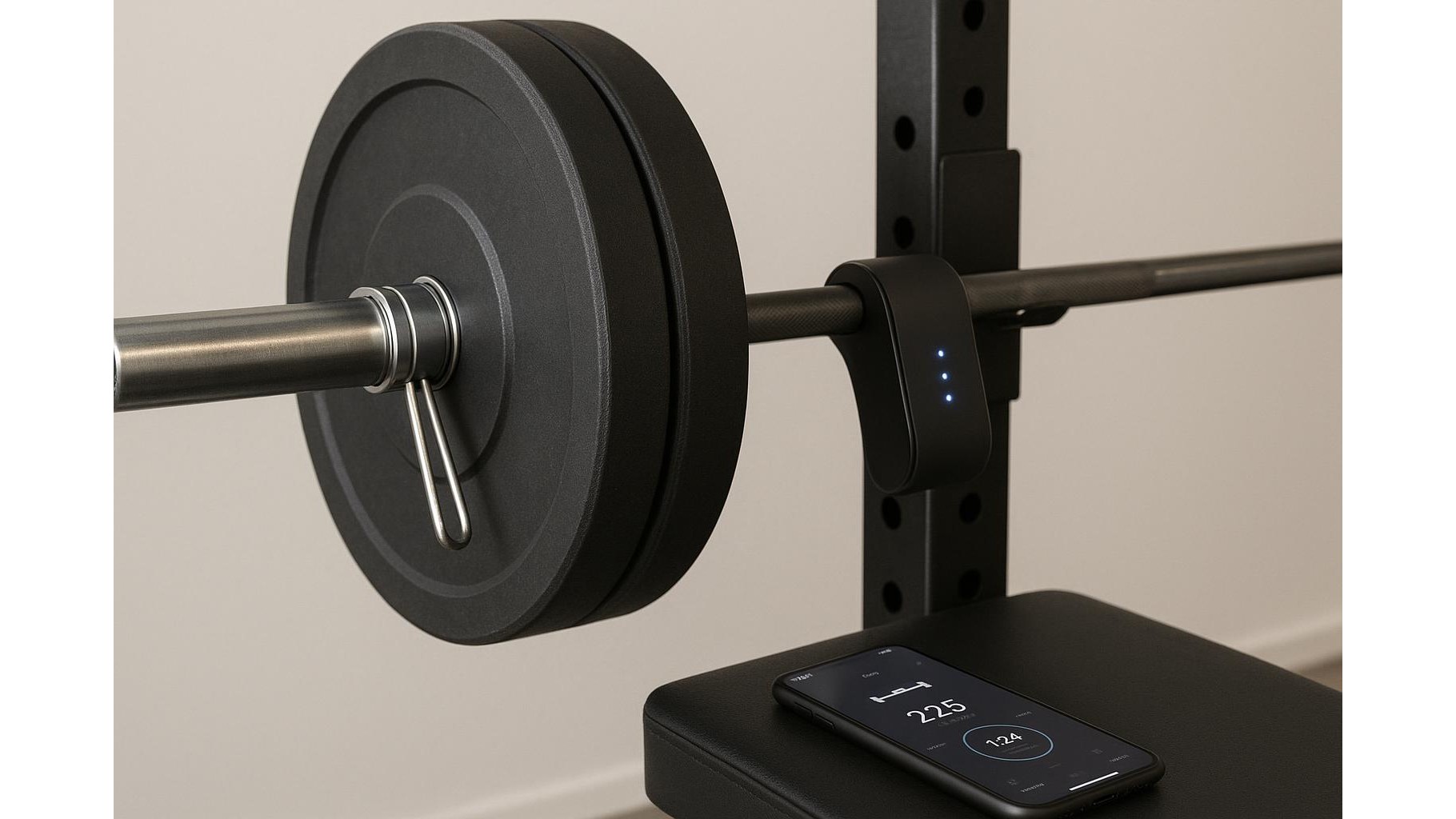
Unlike traditional spring or clamp collars, smart barbell collars integrate sensors, a battery and Bluetooth connectivity inside the body of the collar. In practice, you slide them onto the bar, lock your plates, and the internal motion sensors detect when the bar moves to count reps and estimate bar velocity or tempo. Most systems sync with a dedicated smartphone app, where you can see workout history, estimated volume, and sometimes power output. Functionally, they aim to combine the safety role of a normal collar with the tracking benefits of a bar-speed device, but without needing to attach anything directly to the plates or rack.
Who can actually benefit from tracking collars?
These products are most useful for lifters who already have solid technique and structured training. Intermediate and advanced home lifters following strength or power programs may benefit from live feedback on bar speed to autoregulate loads: if the bar slows down too much, you know it’s time to back off. Athletes practicing Olympic lifts or dynamic movements such as speed squats and bench throws can also use smart collars to track explosive performance without needing a full velocity-based training system. For beginners, the main win is accountability: automatic rep counting and session logging can make it easier to stick to a program, but they should never replace learning proper form and progression.
Key features to check before you buy
Before adding smart collars to your home gym, focus on a few core criteria. First, check compatibility with your barbell: most home bars are 50 mm Olympic size, but some budget sets use smaller sleeves, and not all smart collars fit both. Second, evaluate battery life and charging – short battery life can quickly become annoying if you train frequently. Third, the app experience is crucial: look for clear rep tracking, velocity or tempo metrics, easy workout history and stable Bluetooth connections. Also consider durability: collars are frequently dropped, shoved and twisted, so strong hinges, metal or reinforced plastic, and solid locking mechanisms matter. Finally, think about data accuracy: for many home lifters, consistent trends are more important than lab-grade precision, but wildly inaccurate numbers will make the product useless.
Smart collars vs classic collars in a home gym
In a pure safety and practicality contest, classic barbell collars are hard to beat: they are cheap, almost indestructible and require no charging or pairing. For heavy squats, bench and deadlifts where your focus is on moving serious weight with rock-solid safety, reliable steel or heavy-duty clamp collars are often still the best option. Smart collars add value when you want extra training feedback without cluttering your space with more devices. However, they are more expensive, can be bulkier, and introduce potential points of failure such as dead batteries or broken electronics. If your main priority is simplicity and you mostly perform straight sets without complex programming, traditional collars will meet your needs at a fraction of the cost.
Are tracking collars a smart investment or just a gimmick?
Whether smart barbell collars are worth it depends on how you train and how much you value data. If you already log every workout, adjust loads based on bar speed or RPE, and enjoy experimenting with velocity-based training, tracking collars can be a compact, elegant way to add more detail to your sessions. They are less compelling for casual lifters who simply want to get stronger, stay healthy and keep workouts straightforward. In that case, a pair of robust classic collars plus a simple training log app will likely deliver better value. For many home gym owners, smart collars sit in the middle ground: not essential, but potentially very useful when integrated into a thoughtful, long-term training plan.
In summary, smart barbell collars are an interesting evolution of a basic piece of home gym equipment, combining plate security with rep and speed tracking. They make the most sense for data-driven lifters and athletes who will use the information to guide programming decisions. For everyone else, classic collars remain the reliable, cost-effective choice. Before investing, be honest about your training style, how much you’ll really use advanced metrics, and whether a more traditional setup plus disciplined logging might serve you just as well in the long run.