Rubber technique plates are often overlooked in a home gym, yet they can radically improve how safely you learn and refine Olympic lifting and deadlift patterns. Unlike traditional iron plates, these ultra‑light bumpers allow you to load the bar to full diameter while keeping the total weight low, protecting your joints, your flooring, and your confidence as you drill new movements.
What are rubber technique plates?
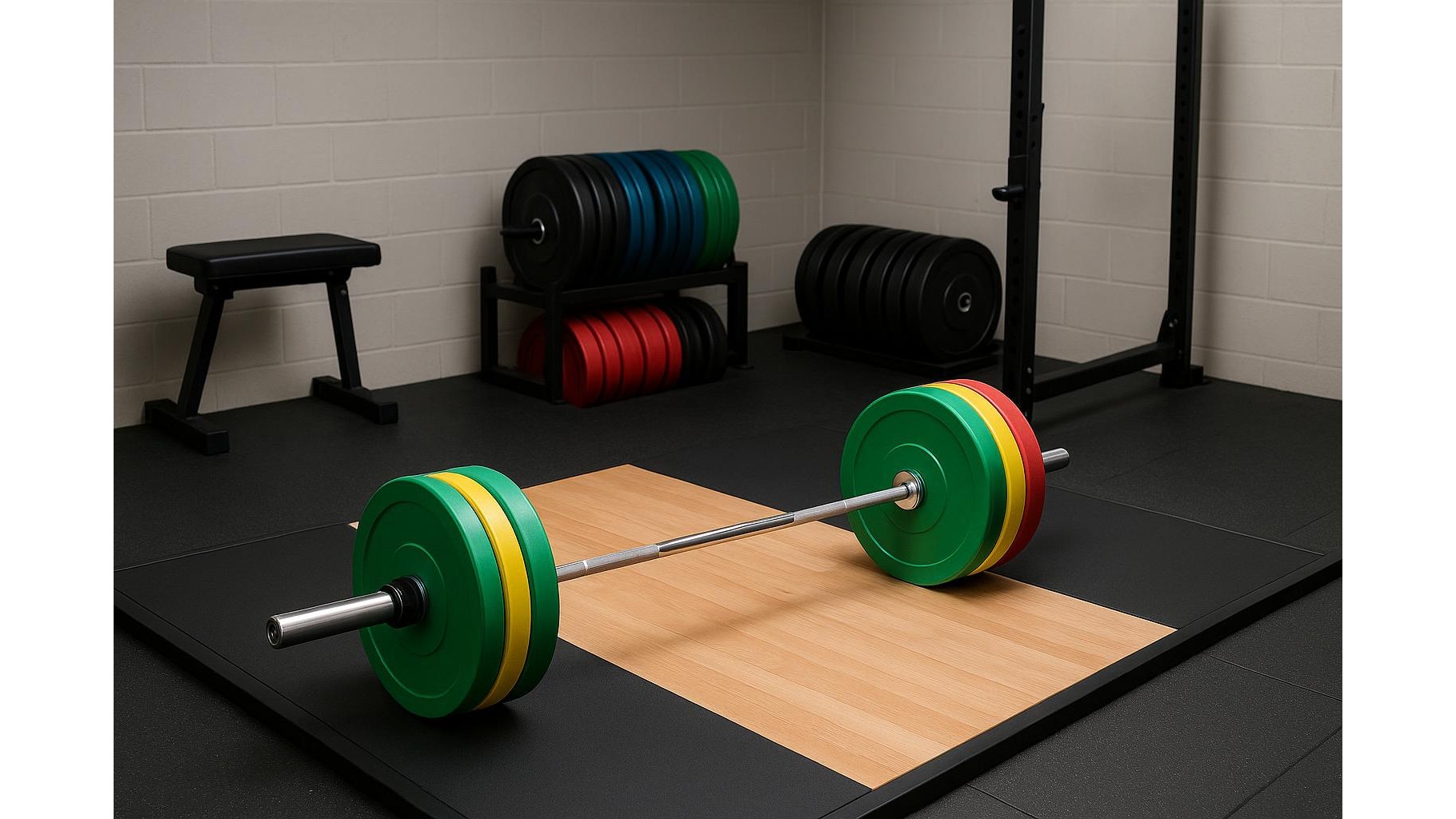
Technique plates are full‑diameter discs, usually made of dense rubber or plastic, designed to mimic the size and feel of standard bumper plates while weighing far less. Common sizes are 2.5 kg and 5 kg per plate, giving you a realistic bar height from the floor without forcing you to lift heavy. This is crucial for practicing the first pull of the snatch, clean, or even a deadlift when you are still learning proper posture and bar path. Unlike small metal change plates, technique plates give the barbell the correct starting height and visual reference, so what you learn at light loads transfers directly when you graduate to heavier bumpers.
Technique plates vs. standard bumper plates
Standard bumper plates typically start at 5 kg or 10 kg per disc and are built to withstand drops from overhead with substantial mass. For beginners, that can be too much loading when you still need to dial in positions. Rubber technique plates replicate the 450 mm outer diameter of competition plates but keep the absolute load very low, allowing you to focus on speed, timing, and balance. They are not designed for repeated heavy drops, but they handle controlled practice pulls and light drops on proper flooring very well. In a home gym, this combination of correct bar height and low stress makes technique plates a smart bridge between a bare barbell and full training weights.
Technique plates vs. change plates
Change plates are the small 0.5–2.5 kg discs you slide on to fine‑tune loading. They are essential once you are chasing specific percentages, but they do not solve the issue of learning from the right bar height. A 2.5 kg metal change plate leaves the bar close to the floor, forcing you into a deeper, less realistic start position and stressing your lower back. By contrast, a pair of 2.5 kg or 5 kg rubber technique plates lifts the sleeves to standard height, even when the total system weight is barely above an empty bar. Many lifters will combine technique plates with small change plates once movement quality is sound, progressively building load while maintaining consistent geometry.
Who actually benefits from ultra-light bumper plates?
Home lifters who are new to Olympic lifts, returning from injury, or training in compact spaces gain the most from technique plates. Beginners can learn the snatch and clean pulls without being intimidated by heavy bumpers. Masters athletes and those rehabbing a back, knee, or shoulder issue can keep the movement pattern alive at loads that are joint‑friendly. Even experienced strength athletes benefit when drilling complex segments such as the first pull or transition; light, full‑diameter plates encourage fast, crisp technique instead of grinding through heavy reps. In a home gym, where coaching is often remote and flooring may be less forgiving, this margin of safety and control is particularly valuable.
How to choose sizes and build a smart technique setup
When selecting rubber technique plates for a home gym, focus on three variables: diameter, weight, and durability. Always choose plates with a full Olympic diameter so your bar height matches standard bumpers. For weight, a pair of 2.5 kg and a pair of 5 kg technique plates will cover most needs, giving you multiple light configurations with just an Olympic bar. Look for a solid rubber or composite construction with a reinforced centre hub to tolerate repeated loading and light drops. In terms of storage, technique plates are thinner and lighter than heavy bumpers, so a small vertical tree or wall‑mounted peg will handle them easily while keeping your space tidy and safe.
Integrating technique plates into your training at home
To get the most from technique plates, program them deliberately instead of treating them as an afterthought. Start each block by spending time on snatch and clean pulls, hang variations, and deadlift patterning with ultra‑light loads, emphasising position, bar path, and speed. As technique stabilises, gradually add regular bumper plates or small change plates outside your technique discs. You can also use technique plates on complex days or deload weeks to maintain skill without taxing recovery. Over time, the habit of rehearsing lifts with full‑height, low‑load plates will make heavy attempts feel more natural, help protect your joints and flooring, and ultimately make your home gym training more efficient and sustainable.
In summary, rubber technique plates solve a specific but critical problem in the home gym: how to learn and refine Olympic and deadlift patterns safely at realistic bar height without overloading the body. They fill the gap between an empty bar and full bumper sets, complement rather than replace change plates, and offer an affordable, space‑efficient way to turn technical practice into a regular part of your training. If you want cleaner lifts, healthier joints, and more confidence under the bar, dedicating a little space to technique bumpers is often well worth it.