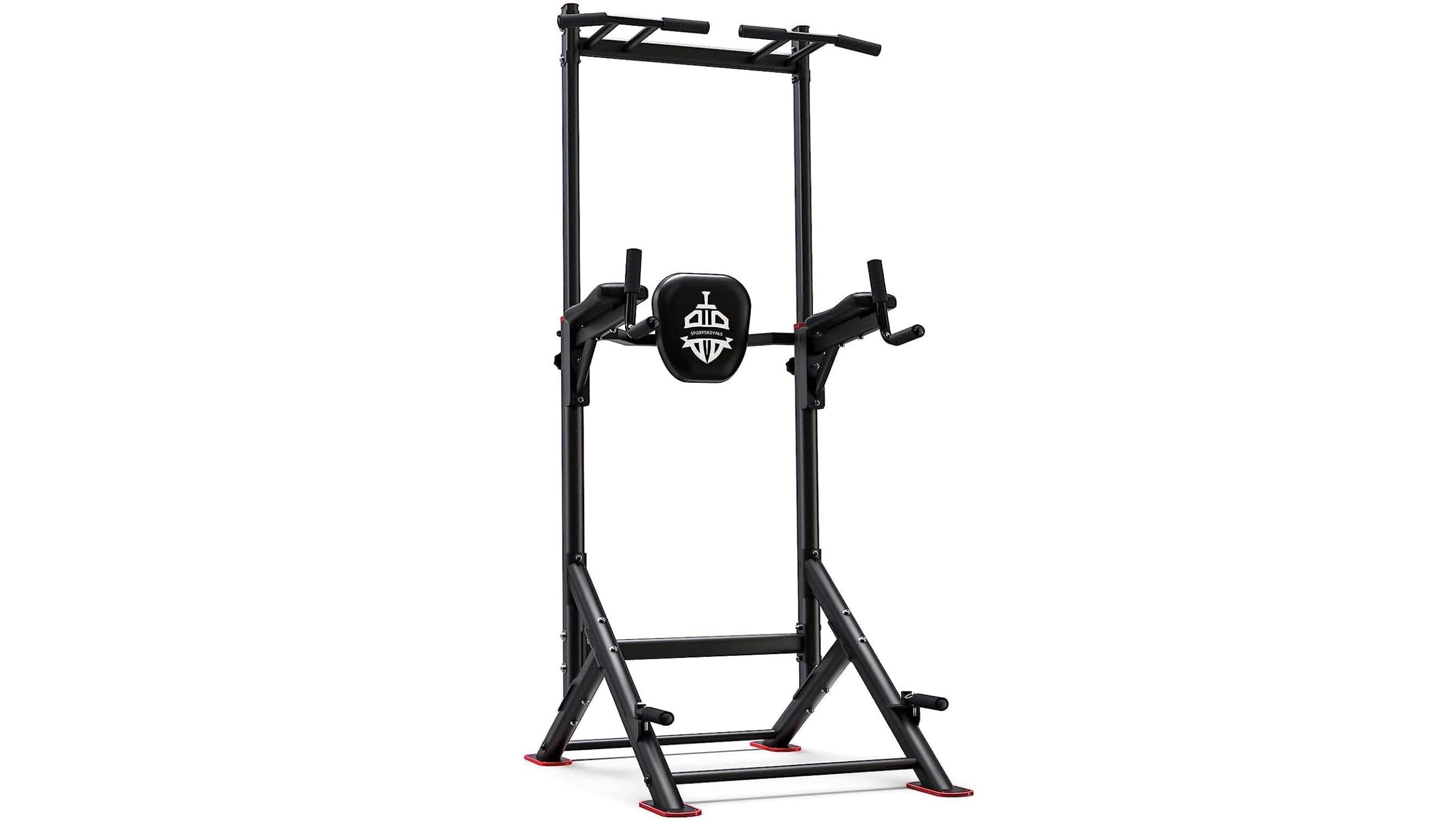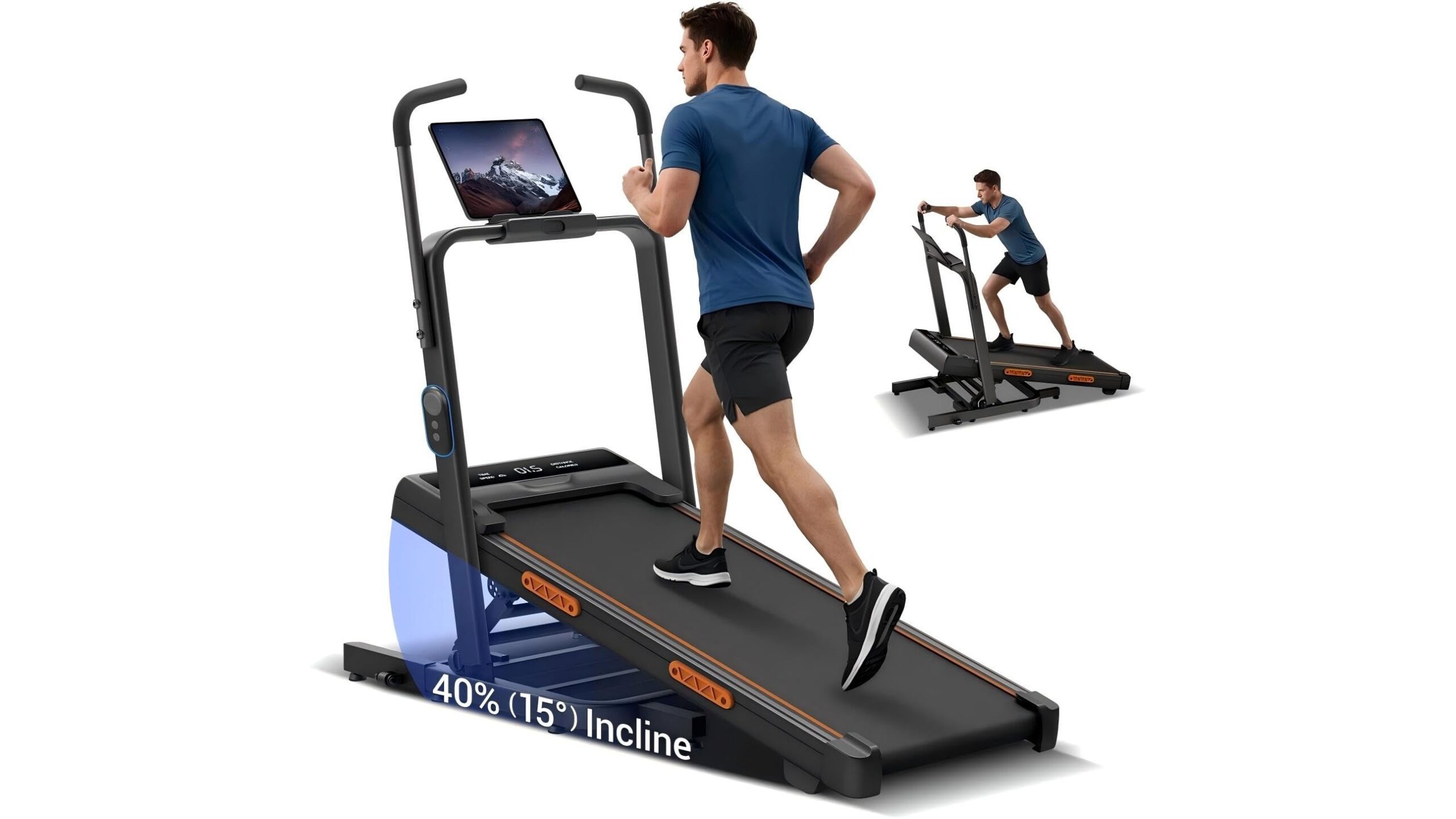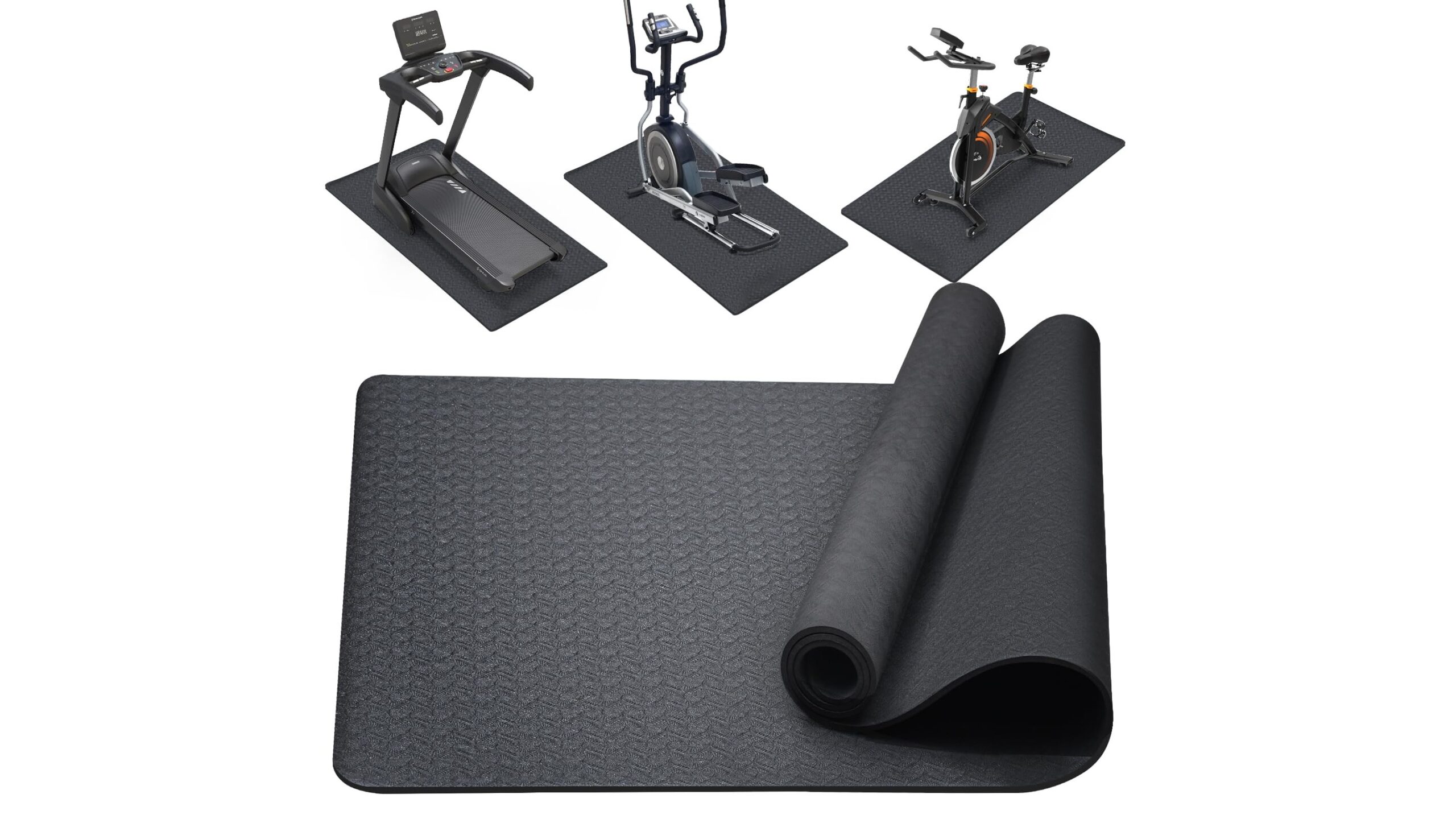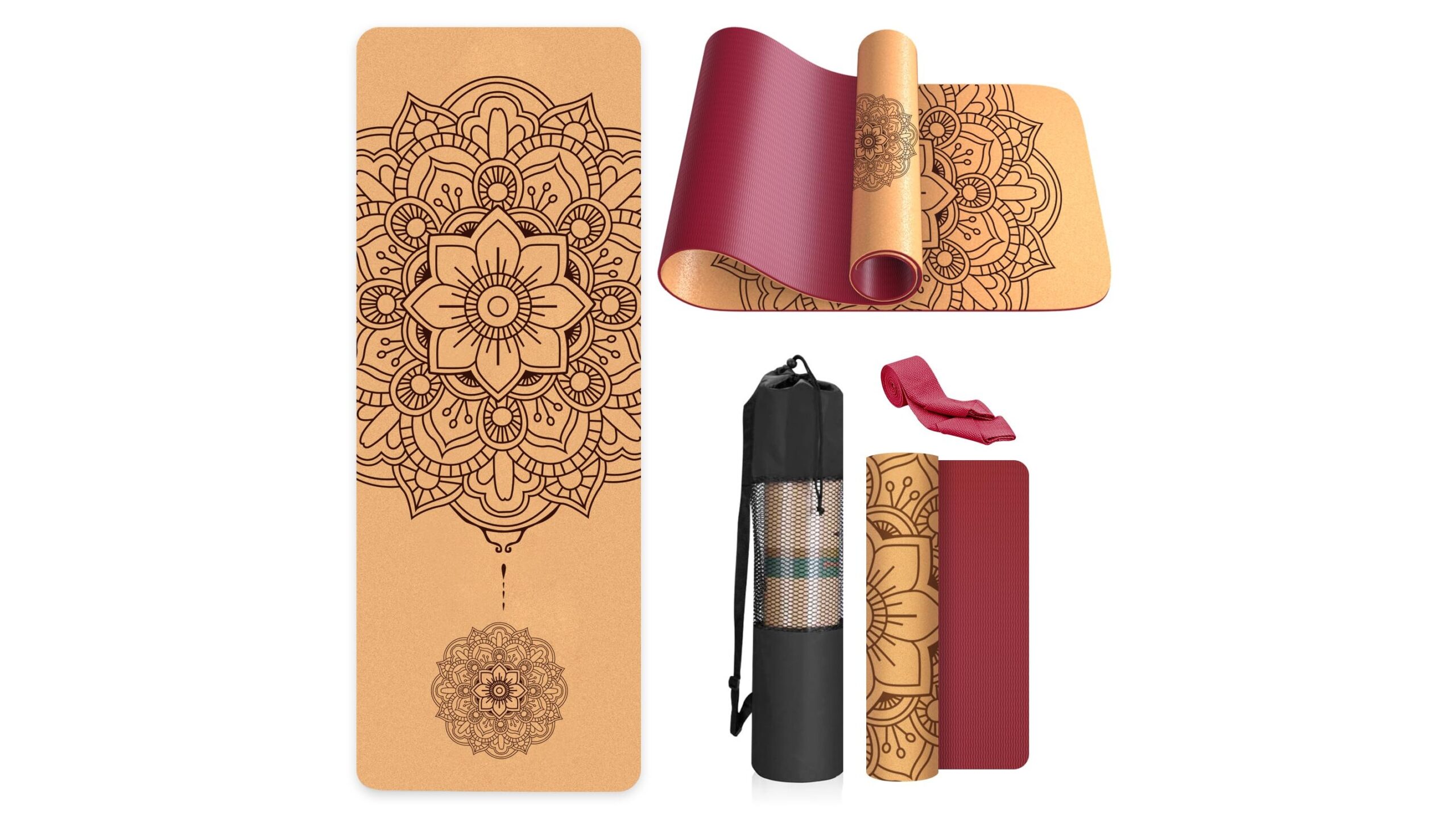
Building a home gym in a rented flat means balancing performance with protection. You need a surface that cushions joints, keeps noise down, and shields your landlord’s floors from heavy dumbbells and dropped plates. The two most popular options are interlocking puzzle mats and roll-out gym flooring. Both can transform a living room corner or spare bedroom into a safe training area, but they behave quite differently underfoot. This guide compares shock absorption, noise control, cleaning, and floor protection so you can match the right surface to your training style and your tenancy agreement.
Table of contents
Shock absorption and joint protection
For bodyweight circuits, kettlebell work and light barbell training, foam puzzle mats usually deliver excellent shock absorption. Their multi-tile design spreads impact and gives a slightly softer feel that suits HIIT, mobility and yoga. Thicker tiles (around 20–25 mm) help reduce stress on ankles, knees and hips during repeated jumps, lunges and burpees. Roll-out flooring, often made from dense rubber, feels firmer but still offers reliable cushioning. This can be ideal if you lift moderate to heavy weights and want stability under squats and deadlifts without an overly spongy surface. In short: choose puzzle mats if you prioritise comfort and joint friendliness for conditioning, and roll-out flooring if you need a more solid base for strength work.
Noise and vibration control in rented spaces
In rented homes, keeping neighbours and housemates happy is vital. Puzzle mats help to reduce impact noise from footfalls and light drops, especially on laminate or tile. The foam structure absorbs some vibration, making them a smart pick for upstairs flats where every jump can echo. However, foam can compress significantly under heavier loads, passing more vibration into the subfloor. Rubber roll-out flooring is denser and better at containing low-frequency vibrations from weights and equipment. Pairing a roll-out mat with an extra layer, such as a lifting platform or a sacrificial sheet of plywood, further deadens sound. If your training involves frequent jumps and light weights, puzzle mats are usually quiet enough; if you drop heavier dumbbells or use machines, a rubber roll-out sheet will typically control noise more effectively.
Installation, space flexibility and stability
Both surfaces are renter-friendly because they are temporary and non-permanent. Interlocking puzzle mats excel in flexibility: you can build a custom-sized training zone, add or remove tiles as your space changes, and pack everything away quickly when you move. Their main drawback is that seams can separate slightly under lateral movements, which may be distracting for plyometrics or fast footwork. Roll-out flooring offers a cleaner, continuous surface with no gaps for shoes or wheels to catch on. Once unrolled and left flat, it stays in place well, especially under the weight of equipment racks and benches. However, it is heavier and less modular, so trimming to fit alcoves or awkward corners takes more effort. If you regularly reconfigure your living space, puzzle mats win; if you want a permanent-feeling but removable “mini studio”, roll-out flooring is the more stable option.
Cleaning, maintenance and longevity
In small apartments, your gym area might double as a living space, so ease of cleaning matters. Puzzle mats are typically made from closed-cell foam, which resists sweat absorption and wipes down easily with a mild detergent. The downside is that dust and chalk can gather along the interlocking seams, and repeated dismantling can gradually wear the edges. Foam also marks more readily under sharp edges or heavy rack feet. Roll-out gym flooring, particularly dense rubber, is tougher and more resistant to abrasion from equipment, shoes and dragging benches. Its continuous surface makes vacuuming and mopping straightforward, with no joints to trap debris. Over the long term, quality roll-out rubber often outlasts budget foam tiles, making it better suited to high-traffic training areas or heavier strength setups, even in rented homes.
Protecting landlords’ floors and choosing the right mix
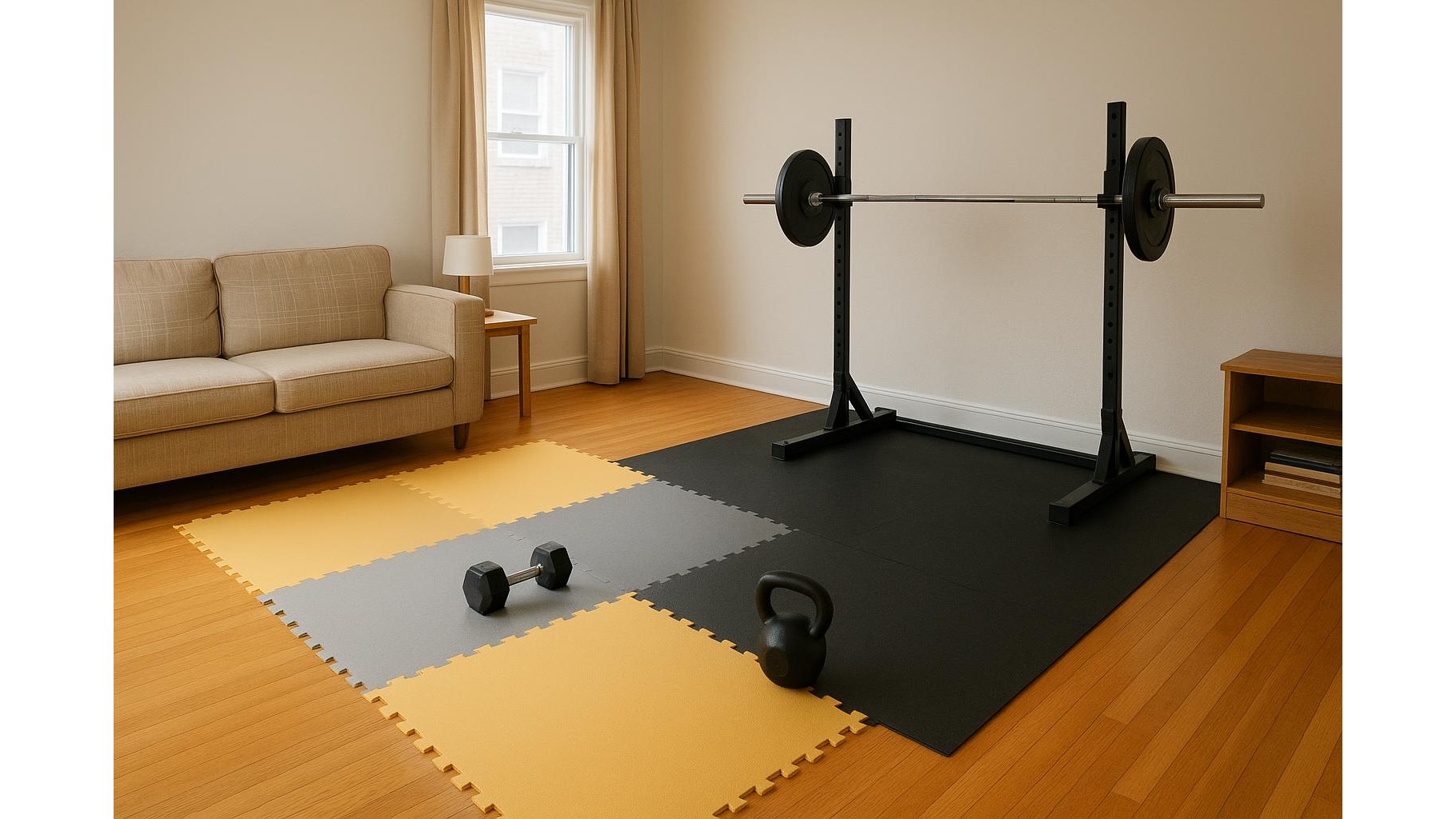
Any rented home gym surface must protect the original flooring. Foam puzzle mats offer good basic defence against scuffs, minor impacts and sweat, especially over hardwood or laminate. For extra security, you can lay a thin underlay or old rug beneath them. However, under heavy racks or repeated barbell drops, they may compress enough to transfer pressure marks to the floor. Roll-out flooring made from thick rubber is much better at spreading weight and absorbing harsh impacts, which helps prevent dents in wood or cracks in tiles. In practice, many home athletes find a hybrid solution works best: use puzzle mats for general training and mobility in one zone, and a roll-out rubber strip where the barbell, squat stands or rowing machine live. This layered approach keeps both your joints and your landlord’s security deposit safe.
Ultimately, the best surface for a rented home gym depends on your training style, neighbours and existing floors. If you focus on bodyweight work, HIIT and lighter lifting, interlocking puzzle mats offer comfortable shock absorption, quick installation and an easy way to cover only the area you need. If your priority is a stable base for heavier strength sessions and superior protection for delicate floors, roll-out gym flooring is the smarter long-term investment. Assess your space, noise restrictions and equipment, then choose – or combine – these renter-friendly options to build a safe, quiet home gym that you can pack up when your lease ends.