When you lift heavy in a small home gym, a reliable grip can be the difference between a solid PR and a slipped bar. Chalk is a classic solution, but not all forms behave the same in a living room, garage or spare bedroom. Choosing between liquid chalk, block chalk and chalk balls means balancing grip performance, skin feel, mess control and even ventilation. This guide explains how each type works in a home setting so you can keep your hands dry without turning your floor into a white dust cloud.
How liquid chalk behaves in a small home gym
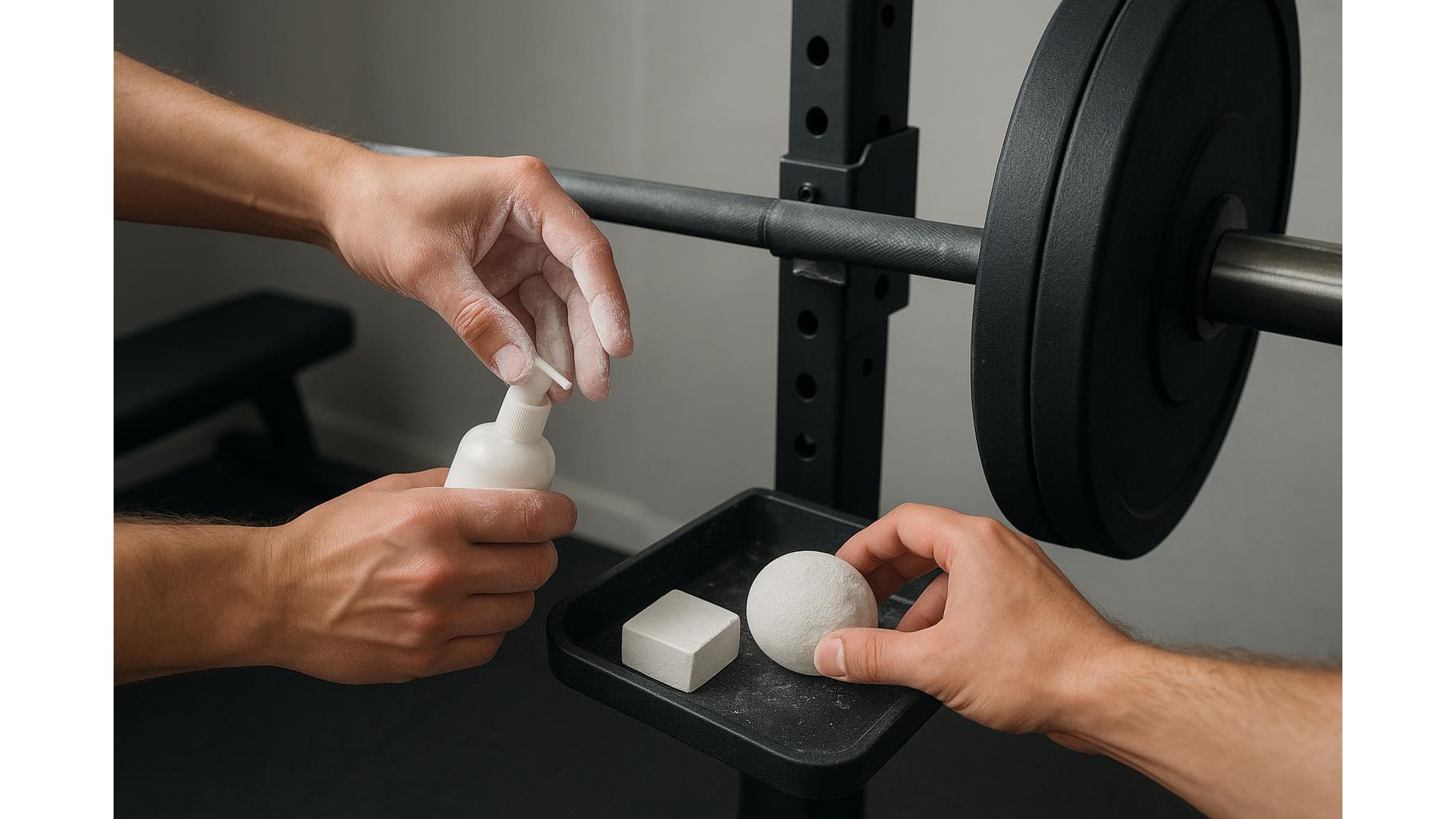
Liquid chalk is essentially magnesium carbonate suspended in alcohol or another fast-evaporating carrier. You squeeze a small amount into your palm, rub it in, and within seconds it dries to a thin, even layer. Because it goes on as a liquid, there is far less airborne dust than with loose or block chalk, which makes it ideal for tight spaces, low ceilings and rooms you share with family or flatmates. Liquid chalk also sticks well to the skin, so you usually need fewer reapplications during a workout. The downside is that some formulas can feel slightly harsher on very dry or sensitive hands, and you may notice a faint alcohol smell while it dries if your home gym is poorly ventilated.
Block chalk: classic grip, classic mess
Block chalk is the old-school standard in powerlifting and climbing gyms. It is cost-effective, easy to break into chunks and gives a very strong, dry feel on heavy pulls, pressing and hanging work. At home, though, its main weakness is mess. As you crush the block, fine particles spread to your rack, plates, floor and even nearby furniture. Without a dedicated chalk bowl or tray, you will find white fingerprints on door handles and equipment, and regular vacuuming becomes essential. In a small indoor space, that dust can also irritate people who do not train. If you choose blocks for their pure performance, try containing them in a box or tray and limit how aggressively you crush them before each set.
Chalk balls: a compromise between control and coverage
Chalk balls are loose chalk contained inside a porous fabric pouch. To use them, you tap or squeeze the ball over your hands so a controlled amount of powder transfers to your skin. This format sits between block and liquid chalk: you still get the familiar dry feel of powder, but the pouch keeps most of the chalk from exploding into the air or coating the floor. For a home gym, that controlled application can be a smart compromise: good grip for deadlifts, pull-ups and kettlebell swings, with far fewer clouds of dust. However, squeezing the ball over an open floor will still leave some residue, so using a tray or tub underneath will further limit cleaning time.
Keeping hands dryer without wrecking your floors
To choose the best chalk type for dry hands and clean floors, start from your space and training style. In a very small, multi-use room, liquid chalk is usually the cleanest, least intrusive option: it produces almost no airborne dust and leaves only light residue on bars and handles. Chalk balls come second, especially if you confine them to a bucket or tray. Block chalk offers the grippiest, most aggressive feel but also the biggest clean-up burden. Whatever you pick, combine it with practical habits: chalk only before heavy sets, avoid over-coating your hands and wipe bars down with a slightly damp cloth at the end of the session to keep build-up under control.
Storage, ventilation and skin care for indoor lifters
Because you are lifting in an enclosed home gym, think beyond grip alone. Store any form of chalk in a sealed container or bag to stop dust spreading between sessions. With liquid chalk, tightly close the cap to prevent it from drying out and keep it away from direct heat. Even though liquid chalk reduces dust, it is still smart to open a window or run a fan to manage both odour and any fine particles from your equipment. Finally, protect your skin: chalk dries the hands by design, so wash with mild soap after training and apply a basic hand cream or balm. Healthy skin will tolerate chalk better and reduce cracking, which is especially important when you train frequently at home.
In a home gym, the best chalk is the one that delivers enough grip with the least disruption to your living space. Liquid chalk typically wins for cleanliness and convenience, making it ideal for small or shared rooms. Chalk balls offer a good middle ground if you like the feel of powder but want to limit dust, while traditional block chalk remains the top choice for sheer grip at the cost of more cleaning. Match the format to your room size, ventilation and training style, and you will keep your hands dry, your bar secure and your floors much cleaner between sessions.