Lever arm, or jammer arm attachments, are one of the most interesting upgrades you can add to a home power rack. They turn a simple rack into a pseudo-commercial machine station, opening up new movement patterns and loading options. But they’re not cheap, they take up space, and they’re not ideal for every lifter. This guide explains how they work, which exercises they unlock, what kind of space and rack compatibility you need, and whether they’re truly worth it for your specific home gym.
What lever arm attachments actually are
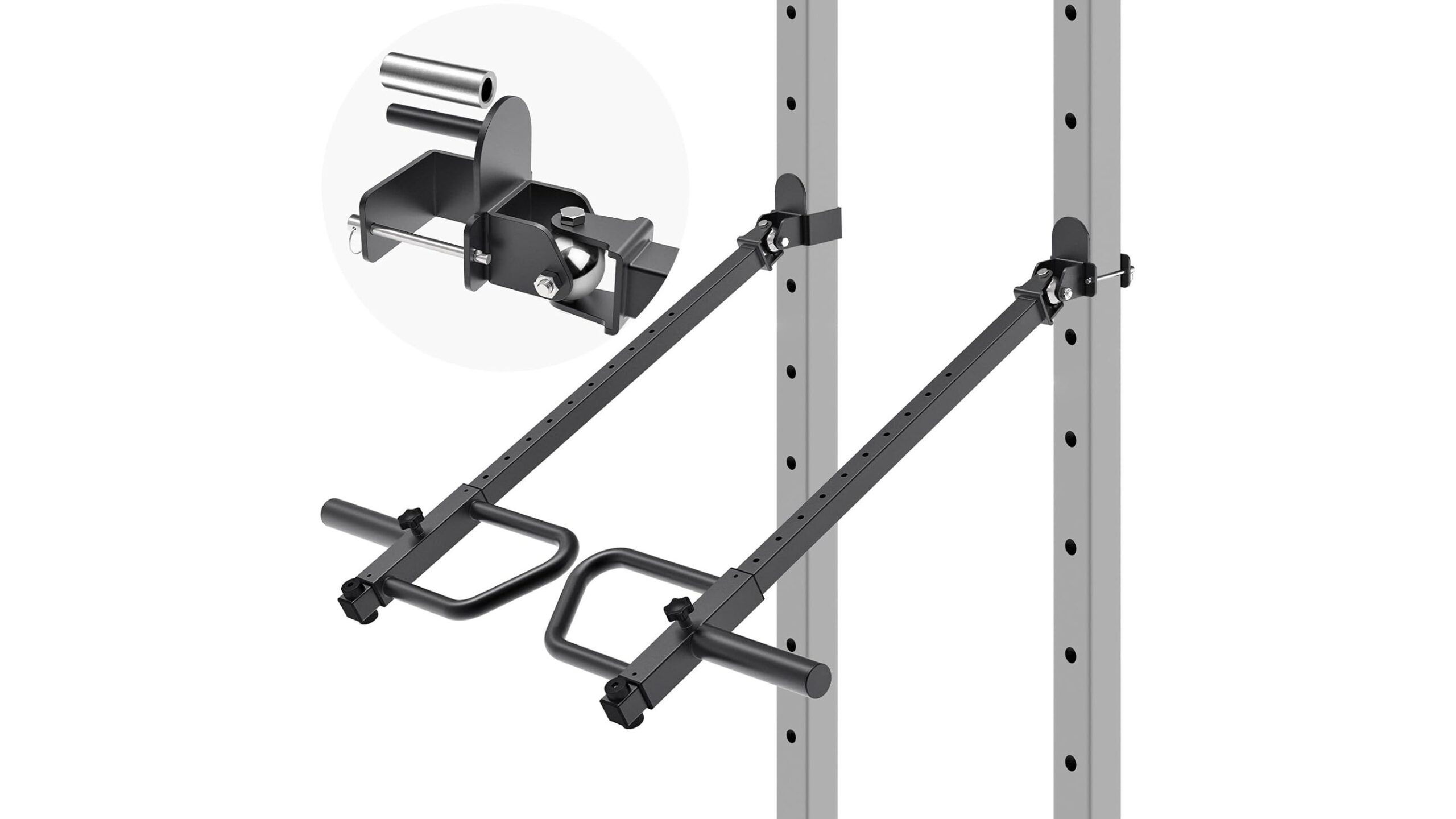
Lever arms are hinged steel arms that attach to the uprights of your power rack. You load them with plates and push or pull on handles at the free end, much like using plate-loaded machines in a commercial gym. A good example is the Kipika Adjustable Lever Arms for Power Rack, which are compatible with 3″ x 3″ racks (with 5/8″ or 1″ holes) and standard 2″ Olympic plates. Each arm pivots from the rack and can be height-adjusted, effectively turning your rack into a multi‑station machine. Compared to buying separate machines (chest press, row, shoulder press), lever arms are compact and modular, but they do demand a solid rack and a bit of setup time before each exercise.
Key exercises lever arms unlock
Well-designed jammer arms dramatically expand your exercise menu. On the Kipika arms, the rotating, height-adjustable handles support pressing variations like incline, flat and decline chest press, overhead press and single-arm pressing. You can also perform rows, deadlift-style pulls, RDLs, split squats, lunges and even belt squats with creative setups. Higher-end systems such as the more premium Adjustable Lever Jammer Arms for Power Cage and the similar Jammer Arms for Power Cage focus strongly on upper-body work, especially shoulders and triceps, mimicking a standing shoulder press machine or lateral raise station. This makes them great for bodybuilding-style training where you want consistent resistance curves and easier set-up than awkward free‑weight angles.
Space, rack compatibility and safety considerations
Before buying, check three things: rack size, hole size and room around the rack. The Kipika Adjustable Lever Arms are built for 3″ x 3″ uprights and 5/8″ or 1″ holes, and each arm can hold up to 600 lb thanks to its steel construction and powder-coated finish. However, user reviews highlight that 65 mm uprights or non-standard hole sizes may require shims or sleeves to fit securely. You also need clearance in front and to the side of your rack; long arms loaded with plates swing through a wide arc and can easily hit walls, cars or other equipment. From a safety standpoint, always secure the arms before loading plates, use collars, and consider steel-toe shoes if you regularly use heavy loads—several home gym users have reported plate drops when the arms weren’t properly stabilised.
Who lever arms are really for
Lever arms best suit intermediate to advanced lifters who already have the basics covered: a sturdy power rack, barbell, plates and adjustable bench. If you love machine-style training and want to mimic commercial gym presses, rows and shoulder work, a system like the Kipika or the heavier-duty Adjustable Lever Jammer Arms for Power Cage can be transformative. They’re also ideal for lifters who train alone and prefer guided movement patterns over free weights for high-rep or near-failure work. On the other hand, complete beginners, minimalists and lifters in very tight spaces may find that a simple barbell plus a few smaller attachments (dip handles, landmine) offer better value with less complexity.
Are lever arm attachments worth the investment?
Value comes down to budget, training style and how often you’ll truly use them. The Kipika Adjustable Lever Arms sit in a more accessible price range and bring a lot of versatility—pressing, rowing, squatting and single-leg work—in a relatively compact, rack-mounted package. Heavier, more specialised units like the Adjustable Lever Jammer Arms for Power Cage and the similar Jammer Arms for Power Cage are overkill for many home gyms but make sense if you’re chasing a near-commercial machine feel with very high load capacity. If lever arms would replace the need for multiple dedicated machines, they can be very cost-effective; if they’d just be an occasional accessory on top of an already over-equipped gym, your money may be better spent elsewhere.
In summary, lever arm attachments for home power racks are a powerful way to turn a basic cage into a hybrid free‑weight and machine station. They unlock a wide variety of pressing, rowing and leg movements, provide safer, more controlled patterns for hard training and can dramatically improve exercise variety in a limited footprint. However, they demand proper rack compatibility, enough floor space and a user who will genuinely make use of their versatility. If you enjoy machine-style training and already have a solid rack, lever arms like the Kipika Adjustable Lever Arms can be a smart long-term upgrade to your home gym.