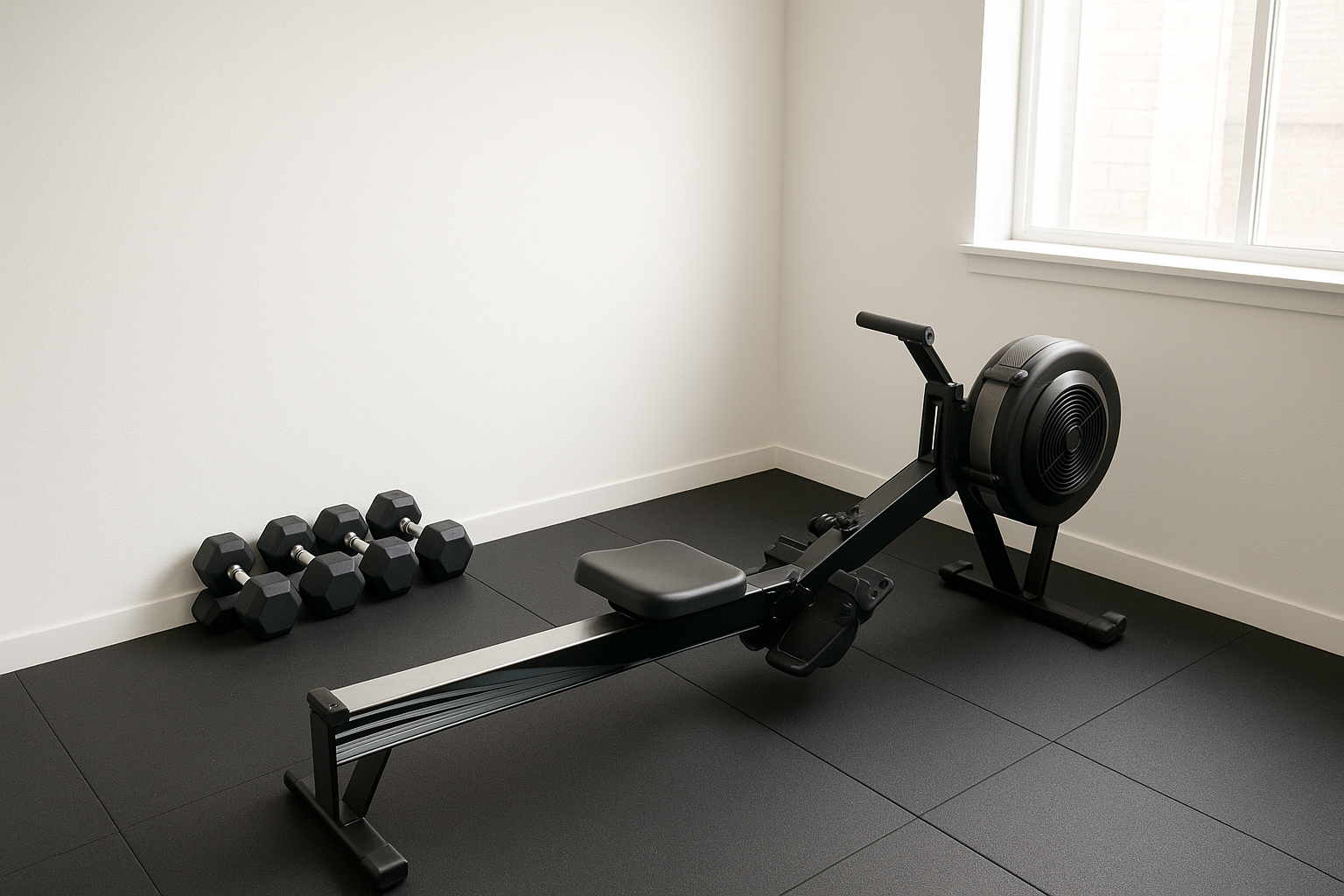
Creating a quiet home gym corner in an apartment is absolutely possible if you plan it with sound, space and your neighbours in mind. By choosing low‑noise equipment, adding shock‑absorbing flooring and arranging your layout smartly, you can lift, row and do cardio without thuds travelling through the walls or floor. This guide walks you through practical choices so you can train confidently while keeping the peace with both neighbours and family members.
Table of contents
Choose low‑impact training as your base
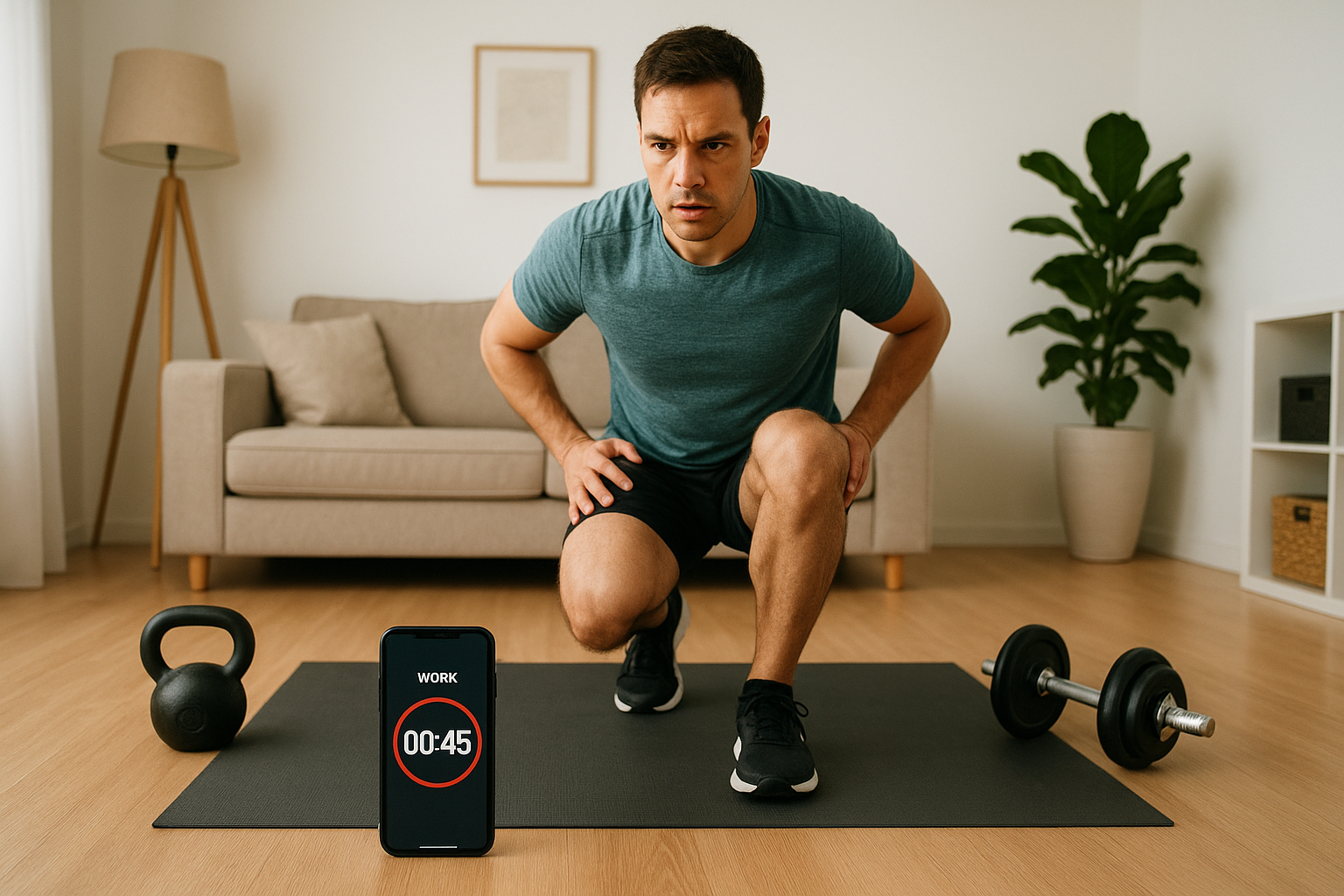
The foundation of a quiet home gym is to favour low‑impact workouts over high‑impact moves. Swap jump squats and burpees for controlled strength training, yoga, Pilates and indoor rowing, which deliver excellent conditioning with minimal noise and vibration. Resistance bands, bodyweight exercises and tempo‑controlled lifts tax your muscles without rattling the floorboards. This doesn’t mean you can’t train hard; it simply means focusing on movements that keep your feet in contact with the ground and your equipment stable, so impact and noise transmitted to neighbours stay as low as possible.
Essential noise‑reducing flooring and mats
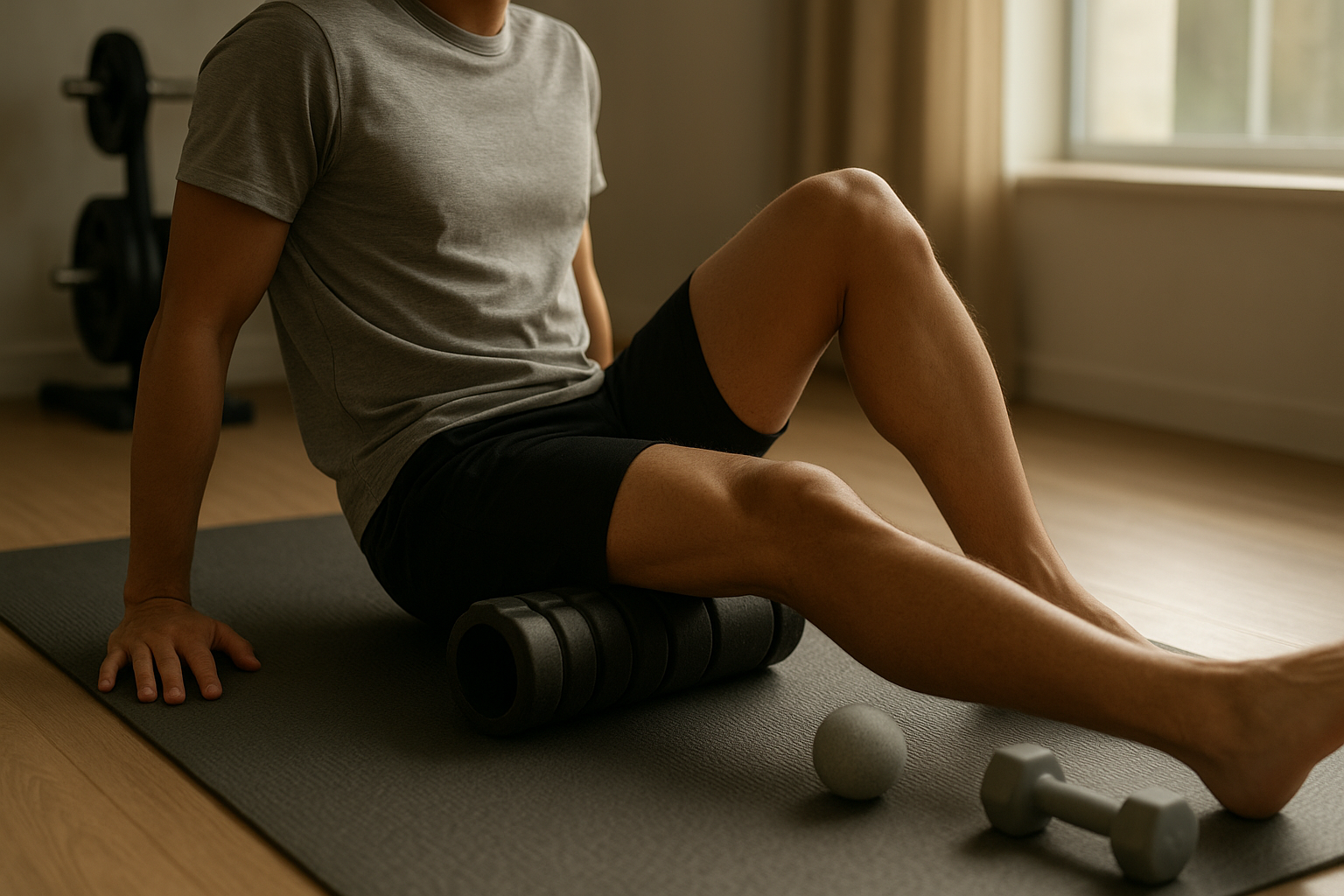
Once you know how you want to train, the next step is to build a sound‑absorbing base. A thick, high‑density exercise mat or interlocking rubber tiles can drastically reduce the thud of footsteps, dropped dumbbells and moving machines. Look for mats marketed for home gym or garage gym use, with enough thickness to cushion both you and the floor. Place a large mat under any cardio machine and a smaller but dense mat in your lifting zone. Layering a mat over a rug or existing carpet further cuts vibration transmission to the apartment below and protects your landlord’s flooring from scuffs and dents.
Quiet‑friendly strength equipment choices
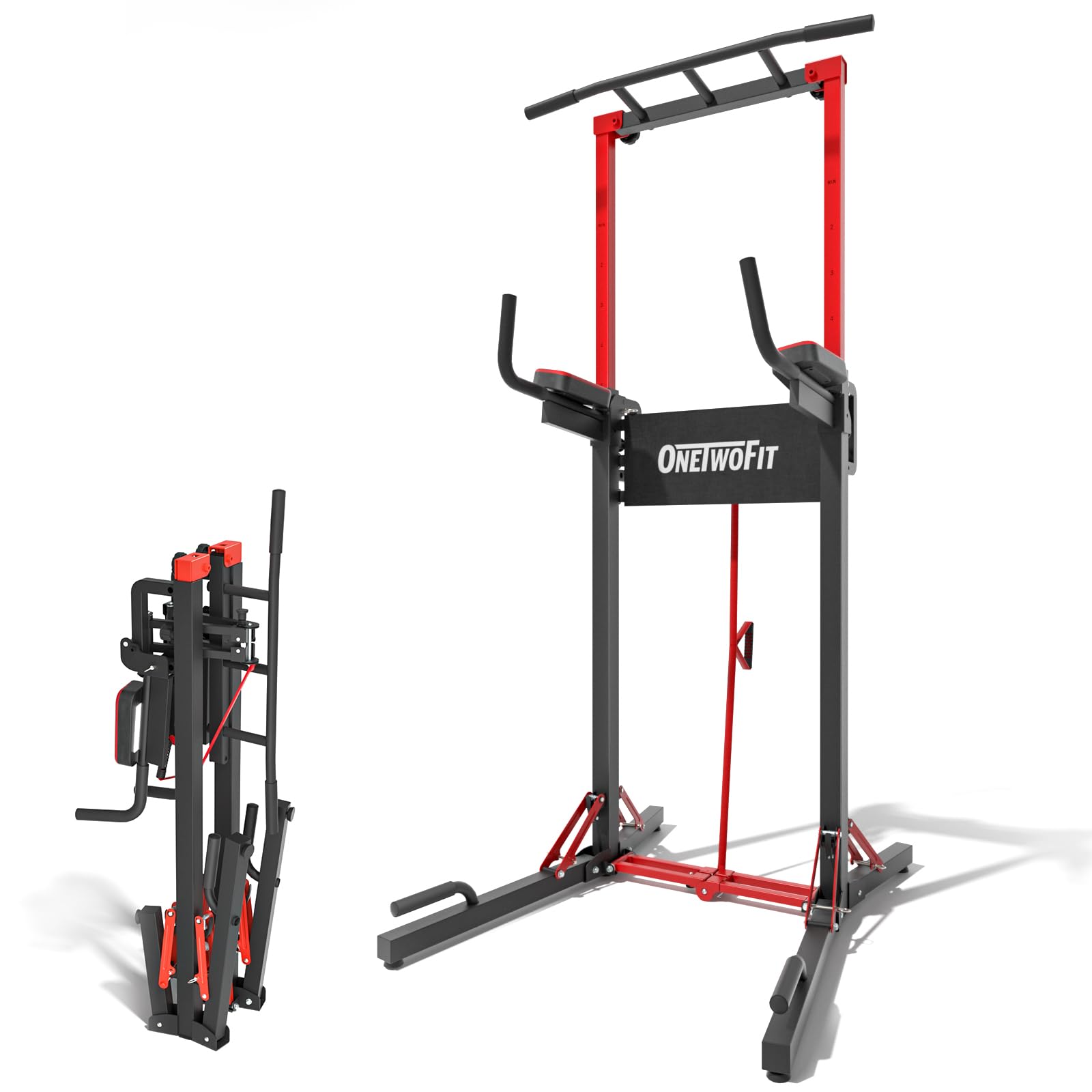
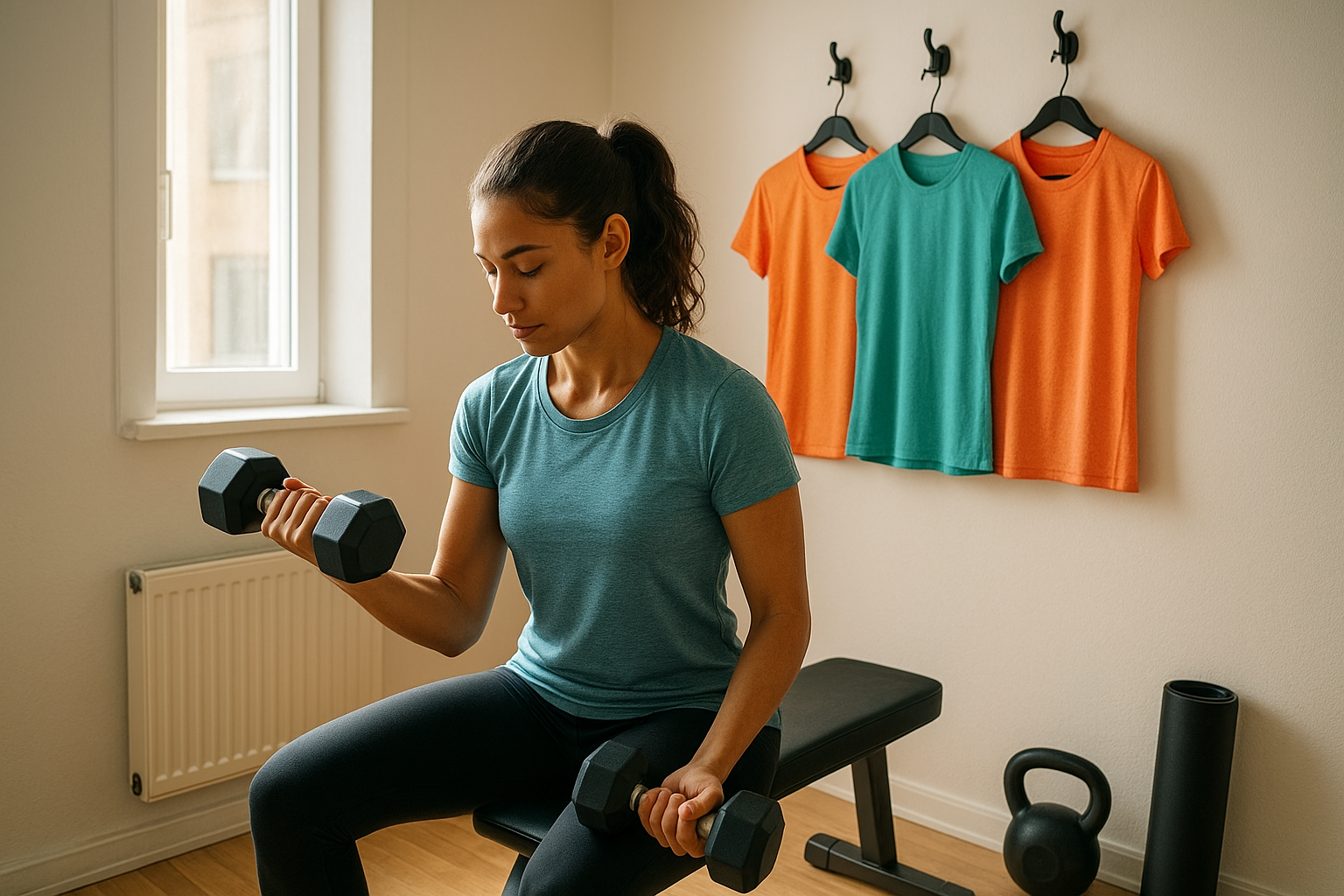
For strength training in an apartment, focus on compact, quiet equipment. Adjustable dumbbells with rubber‑coated plates or neoprene dumbbells are far quieter than bare metal options, especially when you set them down gently on a padded surface. Kettlebells with a rubber base, resistance bands and suspension trainers anchored to a solid door give you full‑body training with practically no impact noise. Avoid exercises that involve dropping weights; instead, control every rep from start to finish and cue yourself to place equipment down silently. Add a sturdy storage rack or corner stand so weights do not roll, rattle or bang against each other between sets.
Low‑noise cardio: rowers, bikes and walking pads
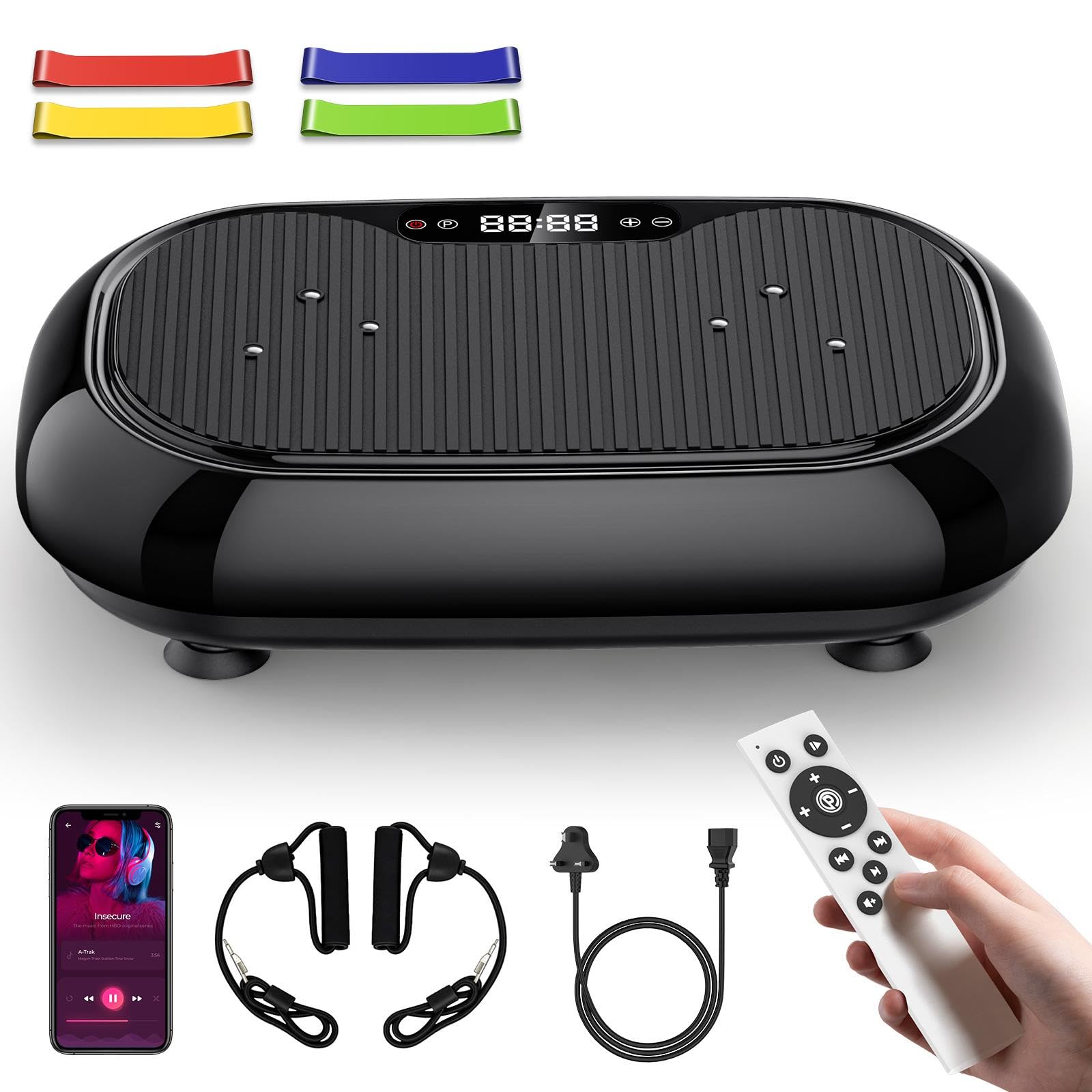
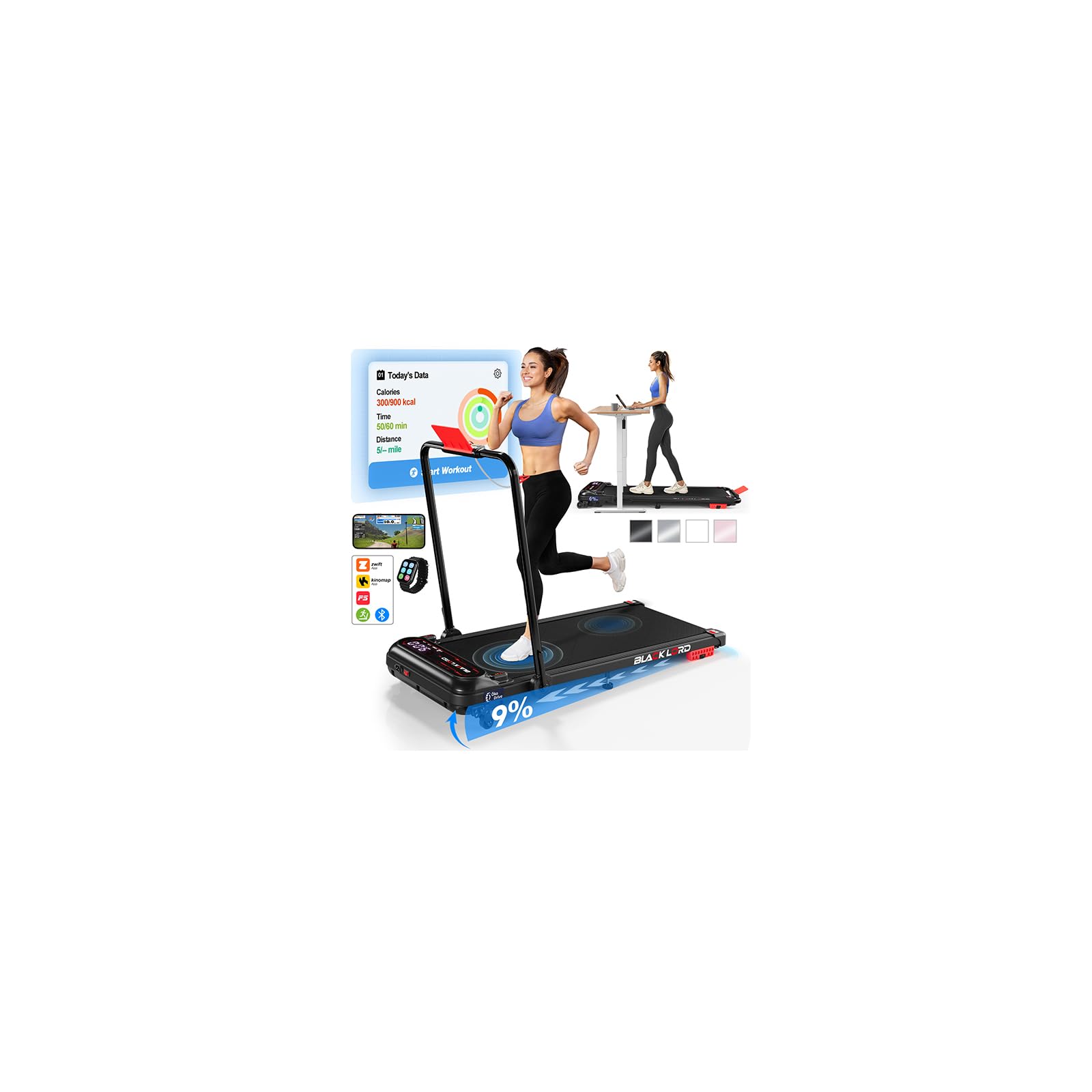
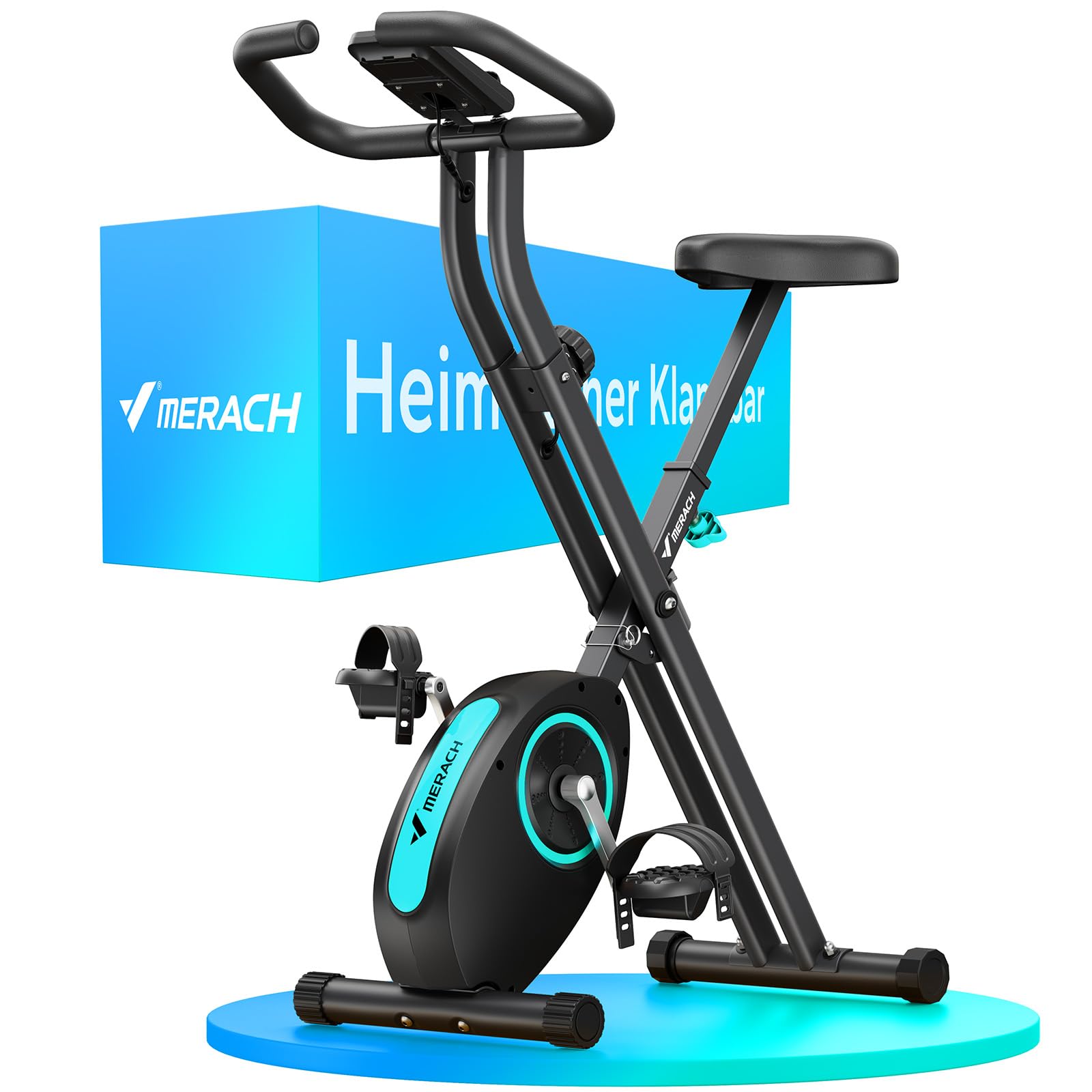
For apartment‑friendly cardio, choose machines known for low operational noise and low vibration. Rowing machines, especially magnetic or water‑based models, and indoor cycling bikes are typically much quieter than traditional treadmills. Compact walking pads with modest top speeds can work in flats when paired with good flooring, allowing you to walk briskly without heavy foot strikes. Whatever you pick, place it on a thick mat, level the feet properly and position it away from shared walls where possible. Train at times that are considerate to neighbours, like daytime or early evening, to further reduce the chance of disturbance.
Smart layout, timing and neighbour‑friendly habits
The layout of your home gym corner can make as much difference as the equipment you buy. Place your noisiest items against internal walls rather than shared walls, and ideally over structural walls or near supporting columns that dampen vibration. Keep storage tidy so plates and dumbbells don’t clatter when you move around. Establish a training schedule that avoids very early mornings or late nights, and keep music volume moderate or use headphones. Finally, adopt quiet habits: no dropping weights, no explosive jumping sets at odd hours, and always checking that rubber feet, mats and fixings are in good condition so they keep absorbing sound over time.
Designing a quiet home gym corner in an apartment is about intentional choices rather than expensive gear. By prioritising low‑impact training, investing in noise‑reducing flooring, selecting quiet strength and cardio equipment, and arranging your space thoughtfully, you can build a setup that supports serious workouts without disturbing neighbours. With a bit of planning and consistent, considerate habits, your home gym becomes a sustainable part of your daily routine and a space where you can train hard while keeping the building peaceful.