Designing a modular home gym is one of the smartest ways to build long‑term fitness habits. Instead of buying everything at once, you create a flexible base that can be upgraded as your strength, space and budget evolve. This approach keeps your training fresh, avoids clutter and lets you invest in quality pieces that truly match your goals over time.
Table of contents
Start with a space‑smart, adjustable foundation
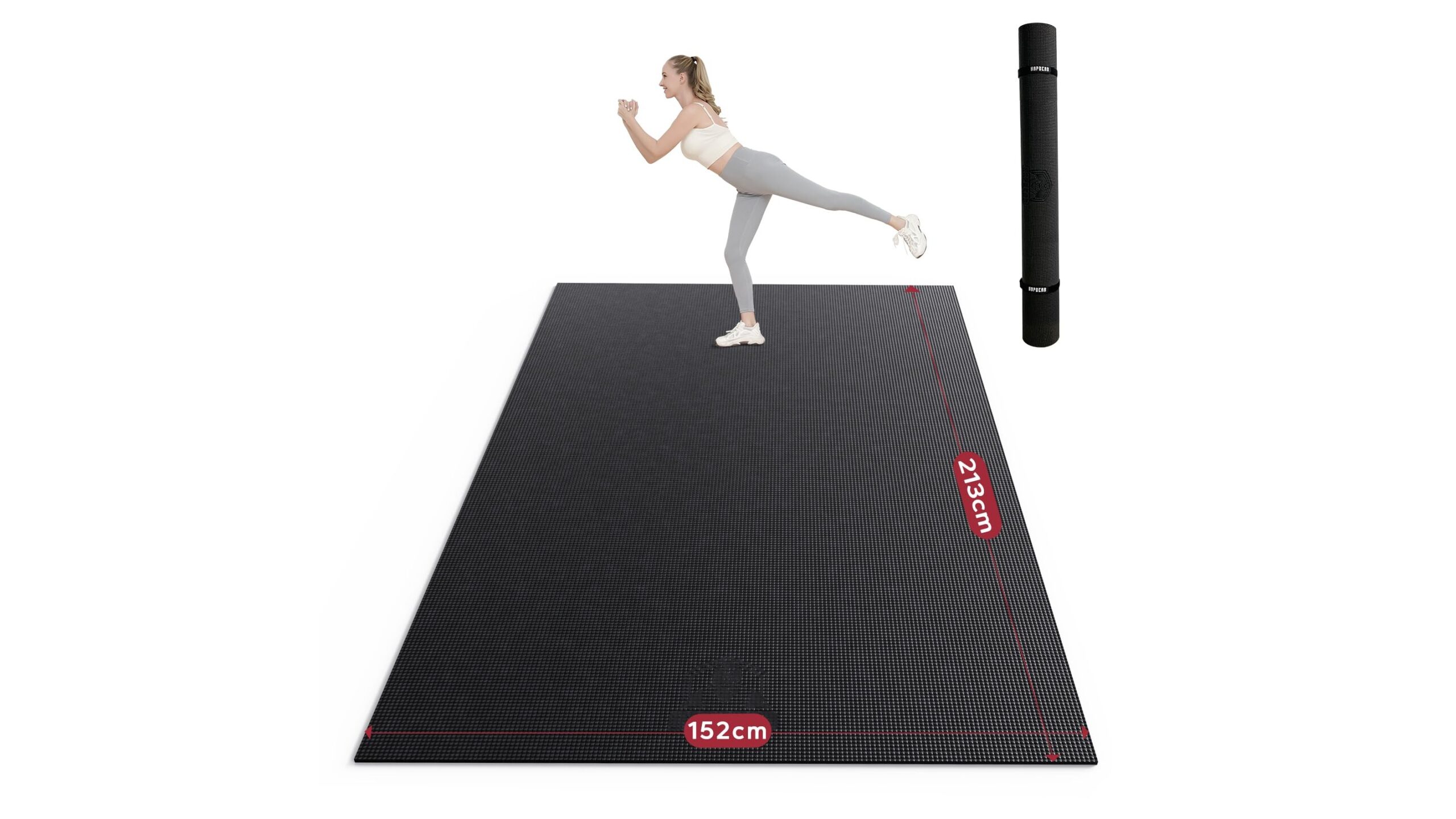
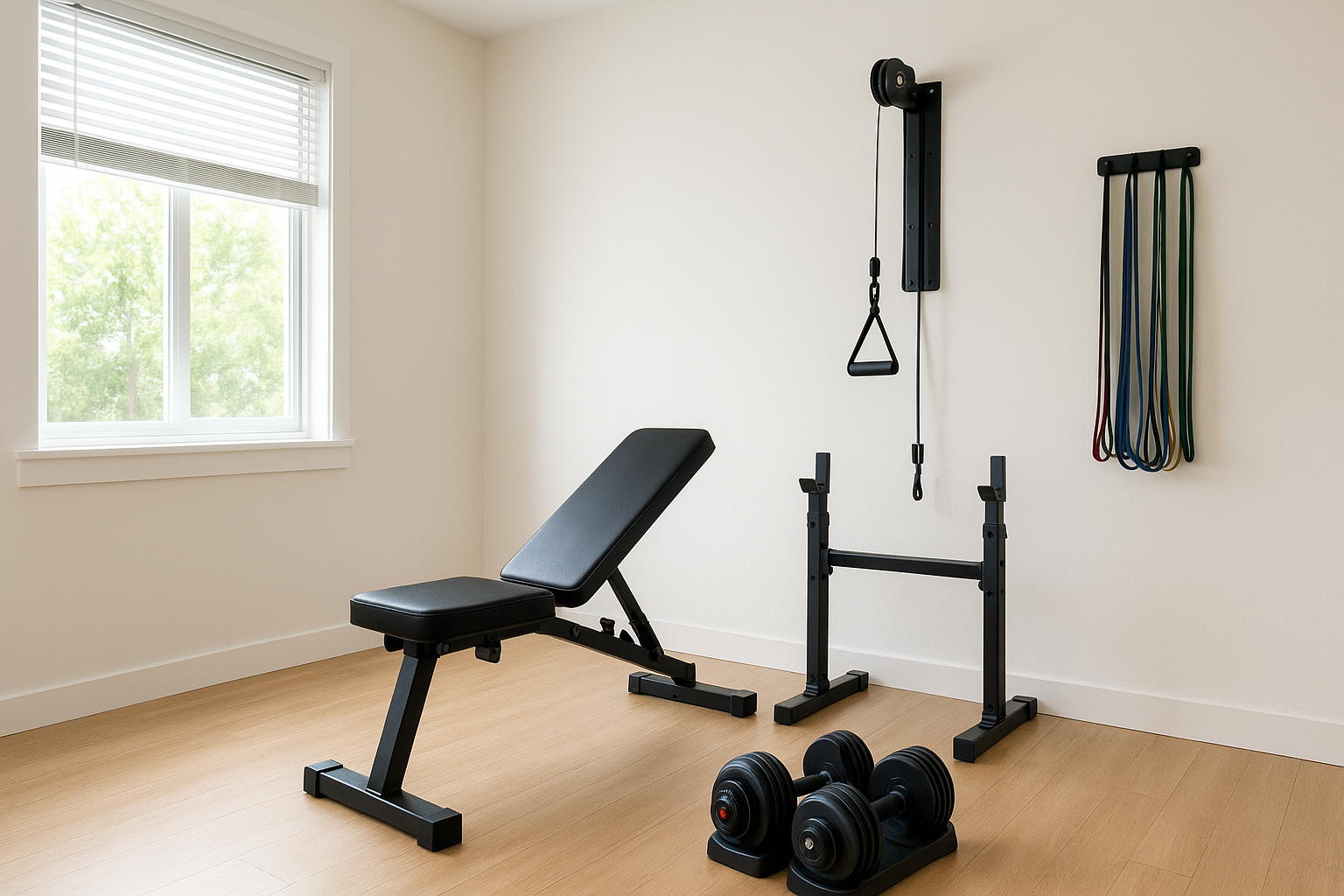
The foundation of any modular home gym is a few versatile pieces that cover most movement patterns without taking over the room. A solid adjustable bench and some form of free weights give you dozens of exercises for the upper and lower body. Prioritise compact, stowable gear that can slide under a bed or stand flush against a wall so that your gym can share space with a living room, office or bedroom and still feel tidy.
Choose weights that can scale with your strength
When floor space is limited, an adjustable dumbbell set is far more modular than a full rack of fixed weights. By letting you dial up or down the load in small increments, one compact pair can replace many traditional dumbbells. As your strength goals move from beginner to intermediate and beyond, simply increasing the weight range becomes your next upgrade, rather than buying completely new equipment. This keeps your setup lightweight now, but future‑proofs it for heavier training later.
Add a rack or stands when you outgrow basic lifts
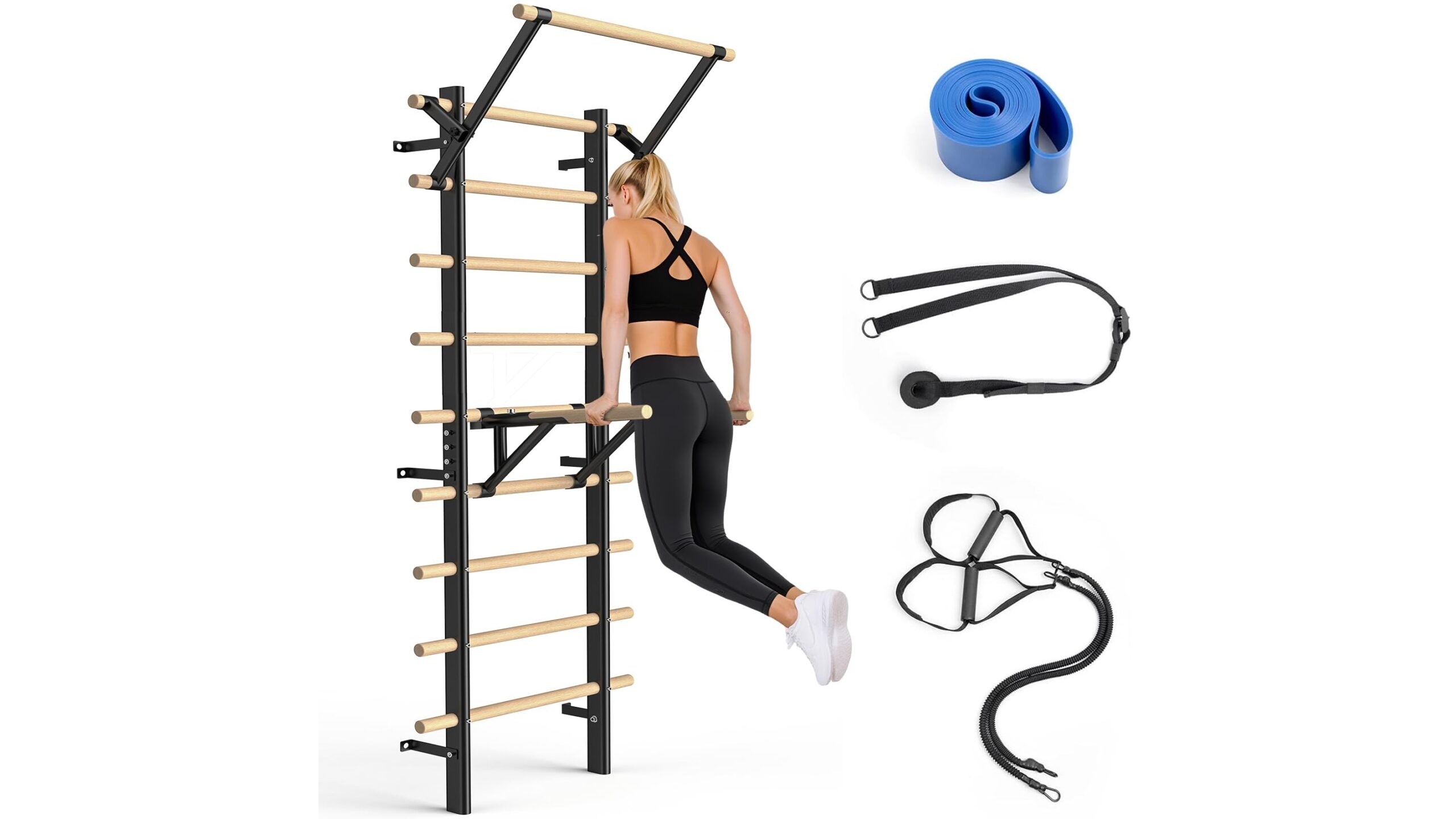
Once you have mastered lighter compound movements and need heavier loads, a squat rack or set of adjustable stands becomes the next modular step. Look for equipment that has multiple height adjustments and a relatively small footprint so it can live in a corner when not in use. This allows you to introduce barbell squats, presses and rack pulls without committing to a full commercial cage. Over time, you can expand this station with extras like spotter arms or dip handles as your training gets more advanced.
Use cables and bands to multiply exercise variety
To keep your home gym modular and engaging, layer in a cable or pulley system and a set of resistance bands. Wall‑mounted pulleys or door‑anchor systems require minimal space but unlock rows, pulldowns, face pulls and core work that free weights alone can miss. Meanwhile, bands add joint‑friendly resistance, warm‑up options and easy travel workouts. Because these accessories are light and compact, they are perfect add‑ons when you are not yet ready to expand the heavy hardware in your room.
Plan your upgrades around goals, not gadgets
A truly effective modular setup grows in line with your training goals, not impulse purchases. Review your progress every few months: if your limiting factor is load, consider heavier plates or a sturdier rack; if it is variety, look at specialty bars, a more adjustable bench or extra cable attachments. Think in stations – strength, conditioning, mobility – and enhance them one at a time. This deliberate approach keeps your home gym coherent, stops you wasting money on gimmicks and ensures every new piece genuinely expands what you can do.
By starting small, choosing versatile equipment and upgrading with intention, you can build a modular home gym that continually adapts to your lifestyle. Instead of being locked into a static setup, you will have a living training space that evolves with your goals, from the first push‑ups and light presses through to heavy compound lifts and advanced accessory work.