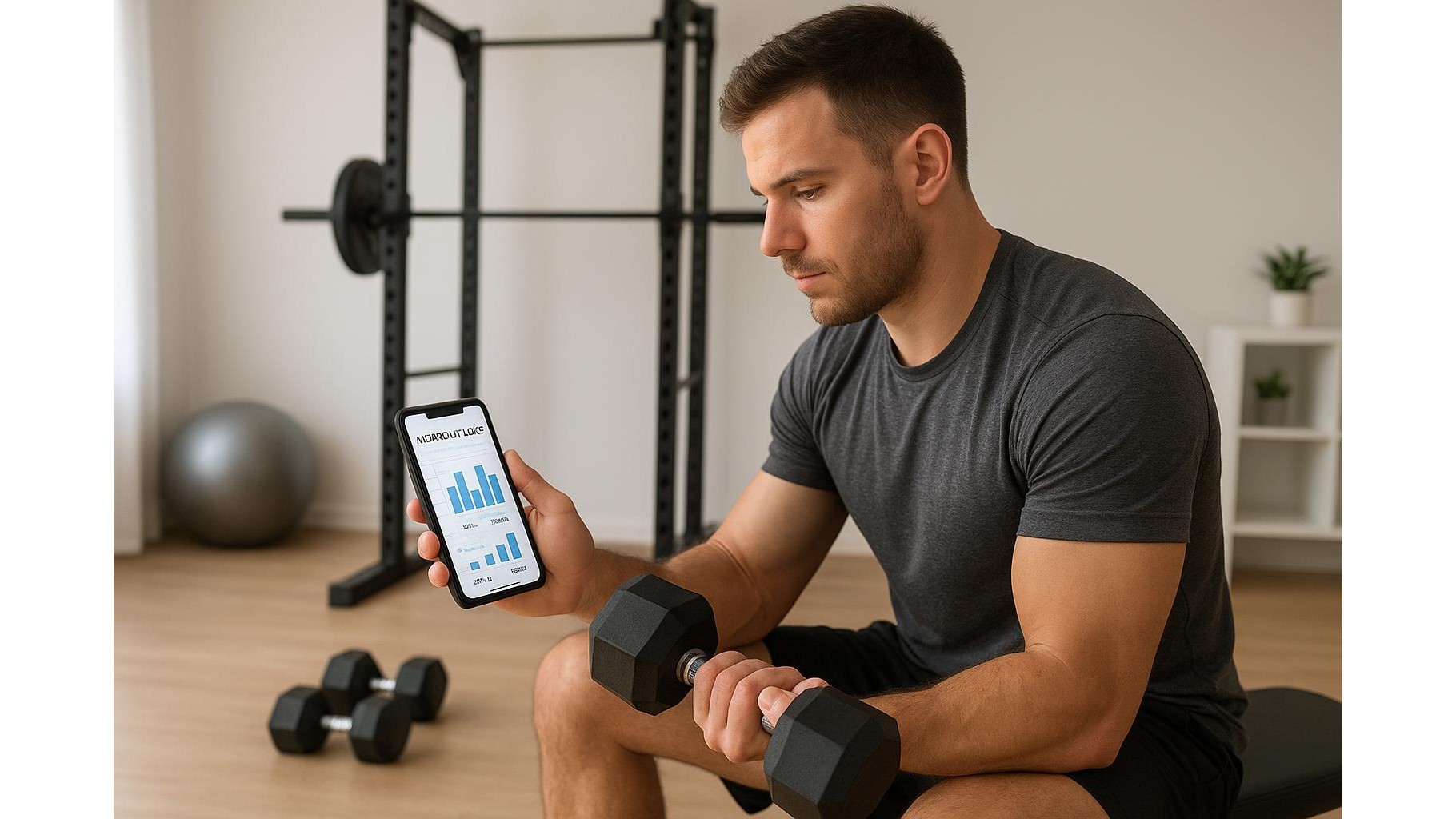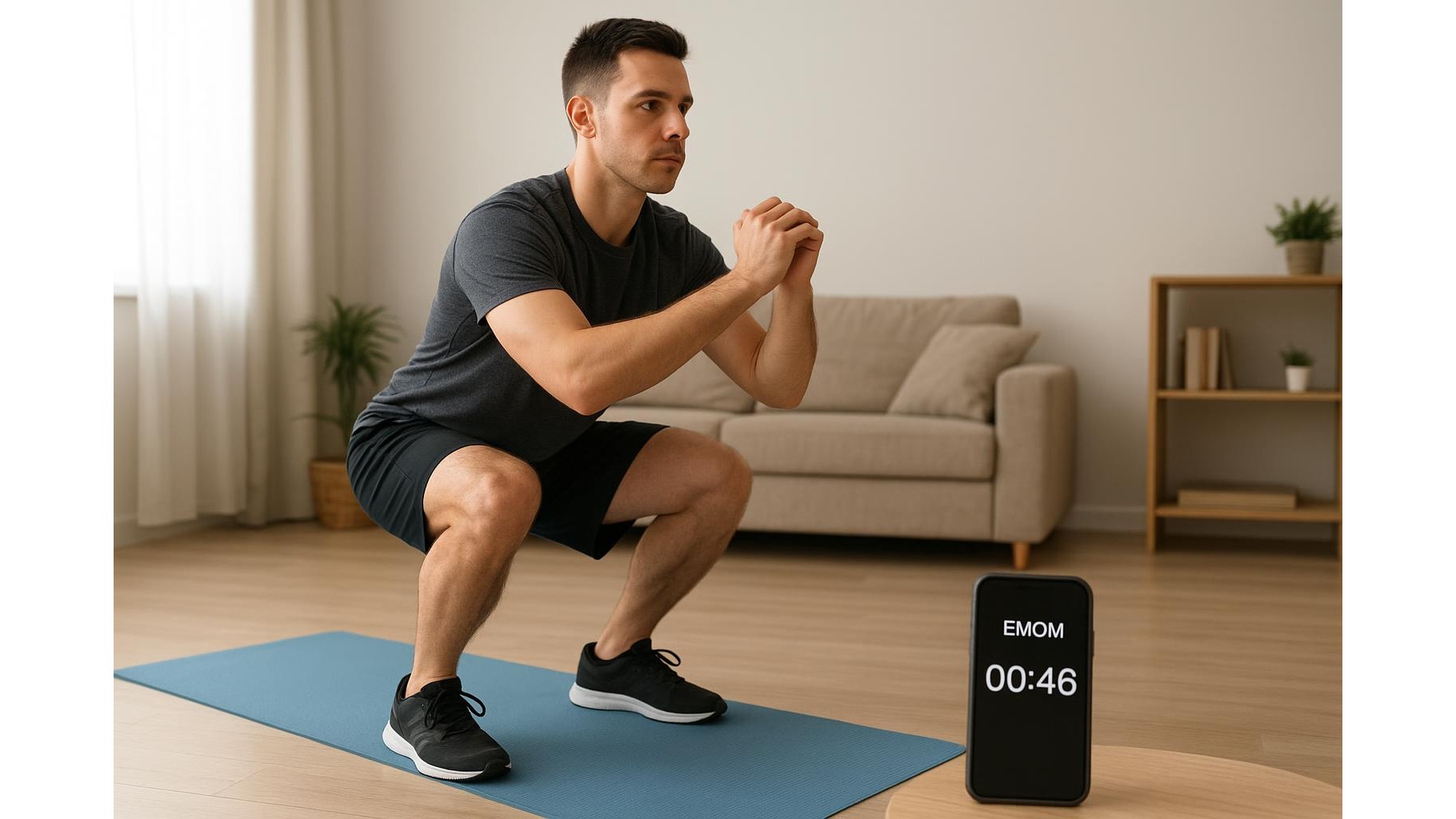
Designing a home gym is about more than squeezing in a few pieces of equipment. The right wall-mounted mirrors can transform a dark corner into a bright, motivating training zone while also helping you move more safely. From spotting form errors in your squat to creating the illusion of more space, good mirrors are an essential part of a functional workout room. This guide walks you through sizes, placement, safety features and budget-friendly options so you can choose mirrors that work for your space and your training style.
Table of contents
Why wall-mounted mirrors matter in a home gym
In a compact home gym, wall mirrors for exercise play three key roles: safety, feedback and atmosphere. By watching your reflection during lifts, yoga or mobility work, you can monitor posture, joint alignment and bar path, reducing the risk of injury. Visual feedback is also extremely motivating: seeing progress in muscle definition or technique keeps you consistent. Finally, well-placed large mirrors bounce light around the room, make ceilings feel higher and make even a small training nook look like a professional studio. When planning your setup, think of mirrors as training tools, not just decor, and choose models that support the way you actually move.
Choosing the right size and shape for your space
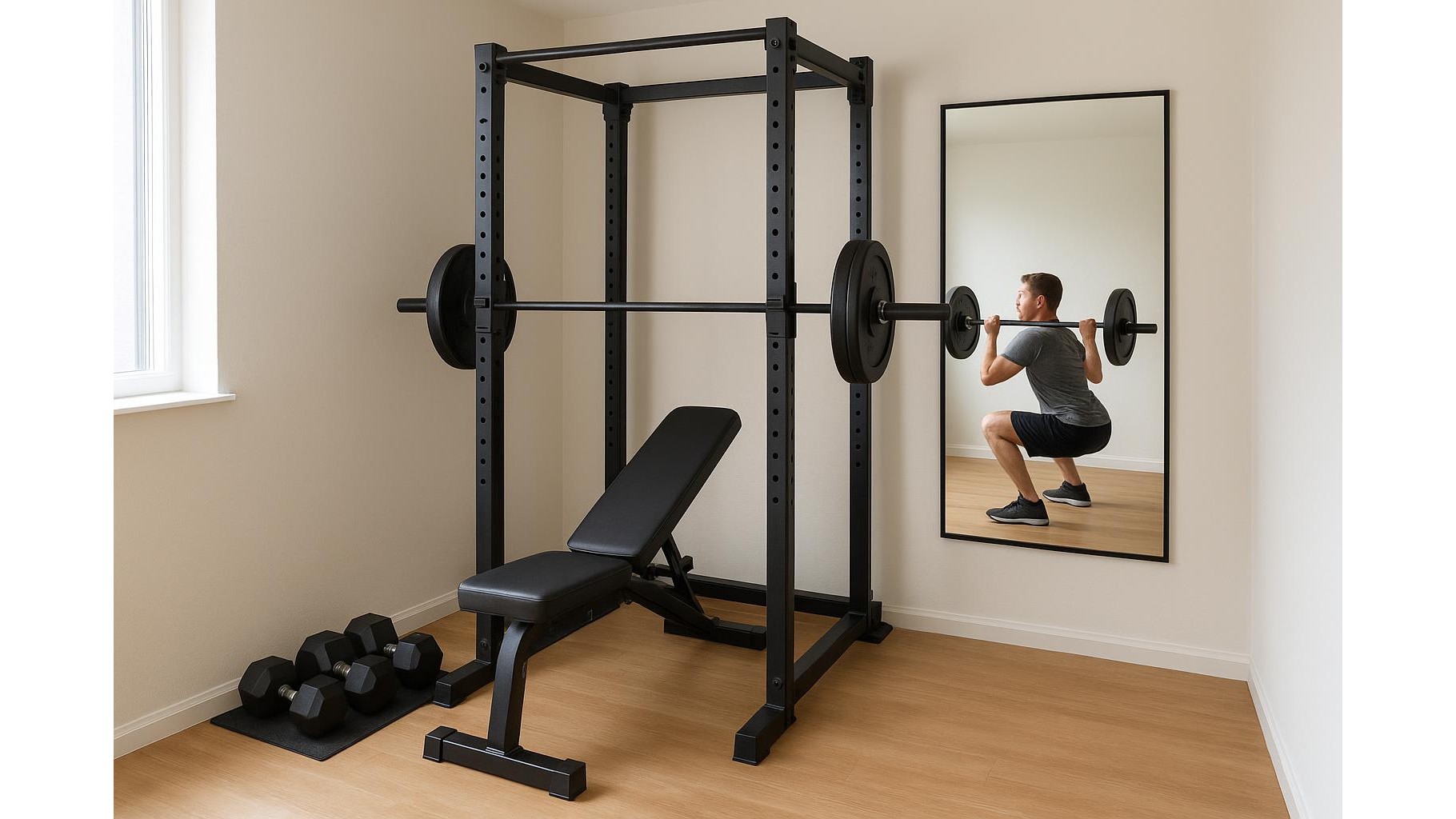
For most home gyms, the goal is full-body visibility in your main training zone. Ideally, a mirror should start close to floor level so you can see your feet during squats and deadlifts and be tall enough to show your head with arms fully extended overhead. In small rooms, you can line up two or more narrower panels to create a wide mirrored wall instead of one massive sheet. Rectangular mirrors placed vertically work best for strength training and cardio, while a wider horizontal configuration can suit yoga or Pilates where you move across the mat. When measuring, leave space around power racks, bikes or benches so you can see your form from your usual training positions rather than only when standing still.
Safety, distortion and installation considerations
For a safe home gym, prioritise shatter-resistant or safety-backed glass whenever possible. This limits dangerous shards if a weight accidentally hits the surface. Also pay attention to distortion: thin, low-quality mirrors can warp your reflection, making it harder to judge alignment accurately. Look for thicker glass and flat, high-quality coatings to keep lines straight. During installation, use the correct wall fixings for your wall type (brick, block, stud/plasterboard) and ensure mirrors are anchored into solid structure, not just plaster. Avoid leaning heavy mirrors against the wall in training areas; once you introduce barbells and dumbbells, they should be firmly wall-mounted and checked periodically for loose brackets or screws.
Placement tips for better workouts and small rooms
The best mirror placement depends on your training focus. For strength training, mount mirrors along the long side of the room so you can see yourself from the front for squats, presses and rows. If space allows, a secondary mirror on a short wall can provide useful side views for deadlifts and hip hinges. In very small or multipurpose rooms, consider mirroring the wall opposite a window to maximise natural light and make the space feel deeper. Leave some non-mirrored wall space for storage racks, hooks and safety equipment so the room does not become visually overwhelming. Finally, avoid placing mirrors directly behind a TV or cardio console screen where glare and reflections can be distracting during workouts.
Budget-friendly options for renters and multi-use spaces
If you are on a budget or cannot drill into walls, there are still effective home gym mirror solutions. Lightweight, modular mirror panels can be arranged in a grid to cover key training zones and are easier to move if you change homes or repurpose the room. Some adhesive-backed options are designed to minimise wall damage, though they should always be mounted on clean, flat surfaces and away from areas where heavy weights could strike them. In multi-use spaces like living rooms or bedrooms, a large mirror behind a folding squat rack or beside a wardrobe can double as both fitness tool and everyday mirror. Prioritise the area where you perform the most technically demanding movements so you get the most training value from each panel you install.
Putting it all together for a safer, more motivating home gym
Choosing the right wall-mounted gym mirrors means balancing safety, visibility, space and budget. Aim for full-body reflection in your main workout zone, select mirrors with good optical quality and, where possible, safety backing, and mount them securely using fixings appropriate to your walls. Think strategically about placement so you can check form in your key lifts or movements without constantly adjusting position. Even in very small rooms, a thoughtful mirror setup can make training feel more professional, more enjoyable and, most importantly, safer—helping you stay consistent and confident on your fitness journey at home.