Designing a home gym is not just about choosing the right rack or dumbbells. The foundation of a safe and neighbour‑friendly setup is your modular flooring. The right mix of interlocking tiles, rubber mats and foam flooring protects your joints, your equipment and your floors, while dramatically reducing noise and vibration that travel to the rest of the house or flat.
Table of contents
Understanding your home gym space
Before you buy any gym flooring, assess where and how you train. A spare bedroom with laminate will have different needs from a concrete garage. Consider three factors: impact (do you drop weights or mostly do bodyweight work?), noise (do you share walls or floors with neighbours?) and moisture (is it a basement or damp garage?). Hard, echoey rooms benefit from thicker rubber mats, while low‑impact spaces can often rely on foam interlocking tiles for comfort. Measure your training area carefully so you can buy enough tiles or rolls to create a stable, wall‑to‑wall platform.
Choosing between rubber and foam tiles
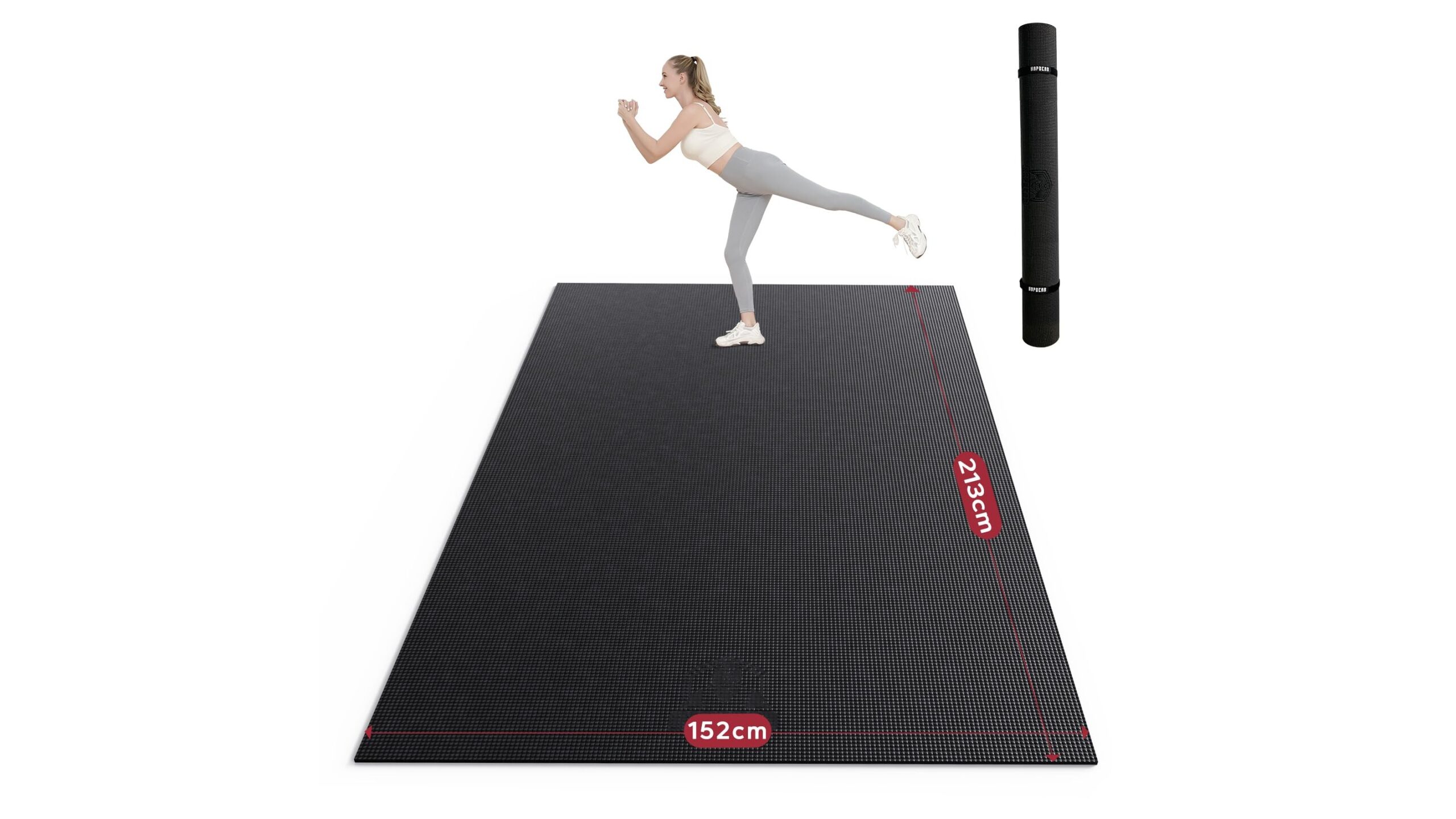
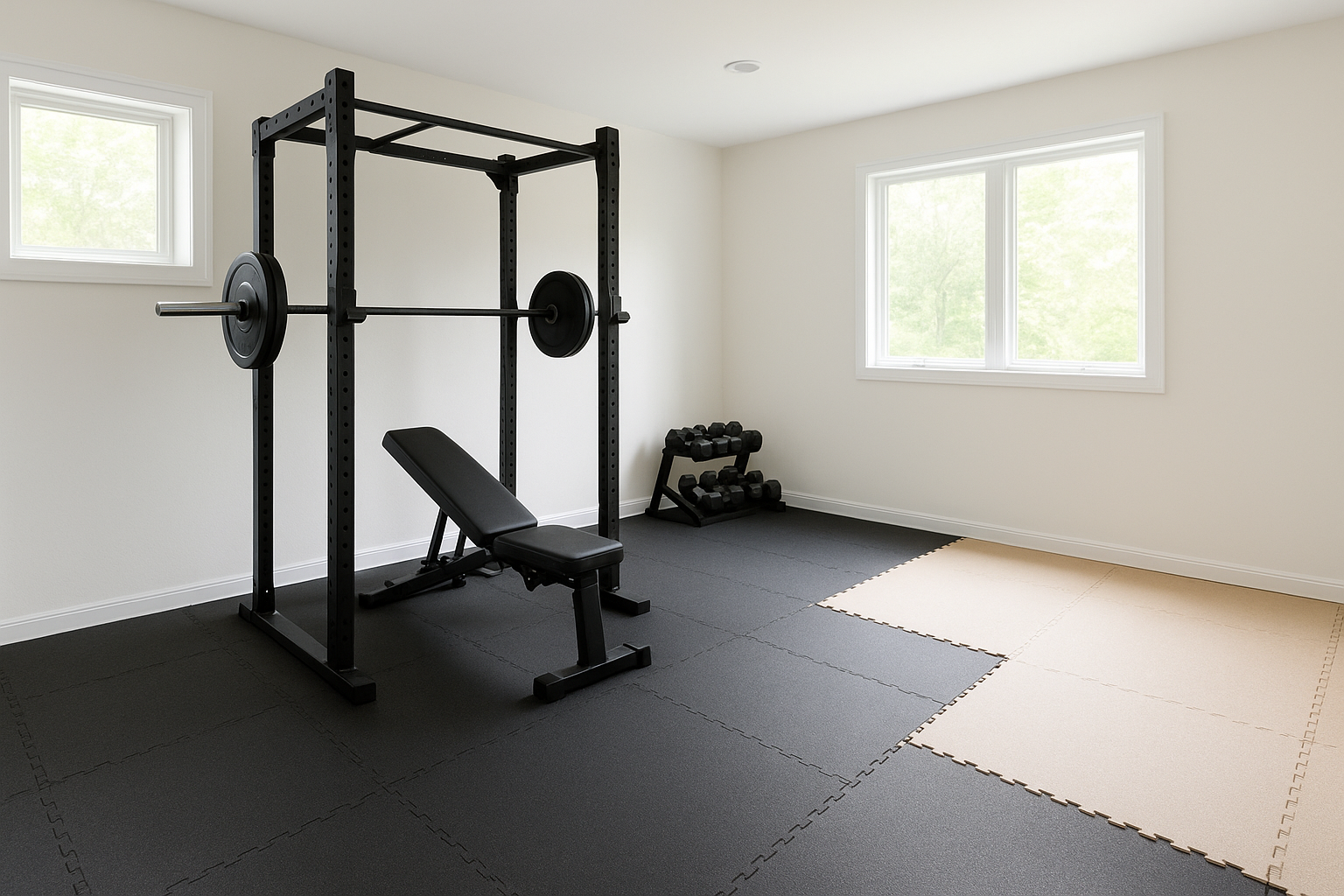
Rubber flooring is the gold standard for heavy lifting, deadlifts and kettlebell work because it absorbs shock, protects barbells and plates, and keeps subfloors safe. Dense rubber also helps to reduce noise when weights land or when you do plyometrics. Foam tiles, on the other hand, are lighter, cheaper and more cushioned underfoot, making them ideal for bodyweight circuits, yoga and mobility. However, foam can compress and tear faster under heavy loads or sharp edges like rack feet. A smart approach is to combine them: use tough rubber mats in the lifting zone and softer foam interlocking tiles in stretching or cardio areas.
Key features of good interlocking gym tiles
High‑quality interlocking gym tiles share a few essential characteristics. The puzzle edges should lock tightly so tiles do not separate when you move equipment or perform dynamic exercises. Look for a thickness of at least 8–10 mm for rubber tiles in strength zones, and 10–20 mm for foam tiles in low‑impact zones. Non‑slip textures are vital to prevent your rack, bench or bike from sliding. Some premium tiles add a water‑resistant or easy‑clean surface layer to handle sweat and chalk. Dark colours hide marks better, while speckled finishes can visually break up a small training area and make it feel more like a dedicated studio.
Protecting joints, equipment and neighbours
The best home gym flooring works on three fronts at once: joint comfort, equipment protection and sound reduction. Cushioning underfoot softens landings from jumps and reduces impact through the ankles, knees and hips, which is especially important if you train frequently or are coming back from injury. A dense, shock‑absorbing layer under barbells and dumbbells prevents chips in plates, bent bar sleeves and cracked floors. For apartment living, combining rubber mats with an extra layer of plywood or an additional mat under your lifting platform helps to dampen vibration and structure‑borne noise, keeping your downstairs neighbour on your side.
Planning layout, maintenance and longevity
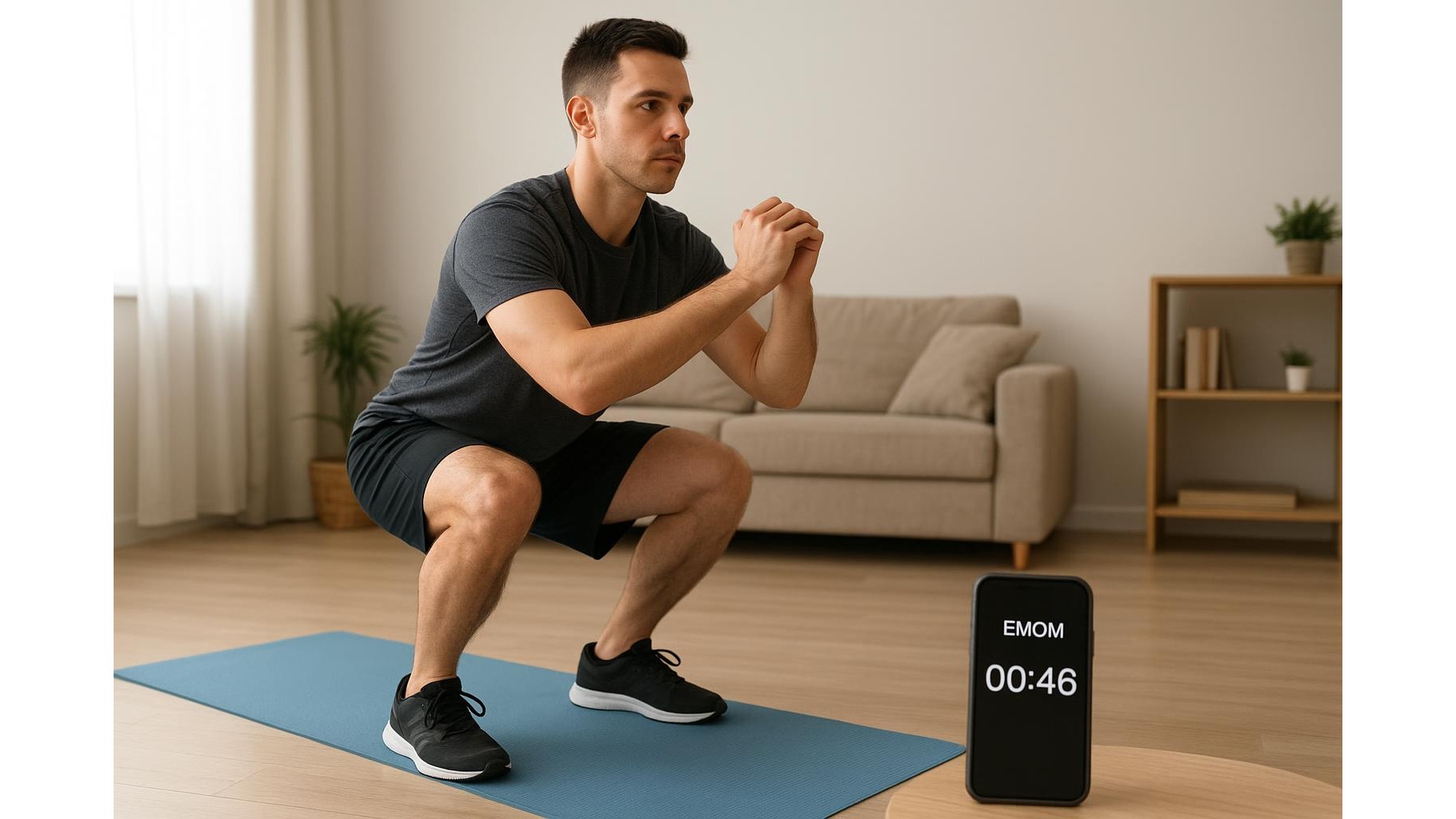
Once you know what type of gym mats you need, think about layout. Place your heaviest equipment—power rack, cable machine, rowing machine—on the thickest, densest flooring. Leave a clear, cushioned strip for movements like lunges, burpees and skipping. Interlocking tiles make it easy to reconfigure the space or move with you to a new home. For maintenance, vacuum or brush regularly and wipe down with a mild cleaner to prevent sweat and chalk build‑up. Investing in quality modular flooring pays off over time: you will enjoy quieter sessions, smoother lifts and a professional feel without damaging your home.
In summary, choosing the right mix of modular gym flooring, from interlocking tiles to rubber and foam mats, transforms any corner of your house into a safe, quiet and durable training zone. By assessing your space, matching materials to your style of training and planning a thoughtful layout, you protect your joints, your equipment and your neighbours—while making your home gym feel like a serious place to progress.