Building a home agility setup is one of the fastest ways to boost speed, coordination and lower‑body power without taking up much space. Compact adjustable plyometric hurdles are ideal because they fold or stack for easy storage, let you tailor the height for different drills, and work for everyone from beginners to advanced athletes. Choosing the right design, however, is essential for safety, durability and progression in a small home gym.
Key features of compact adjustable plyometric hurdles
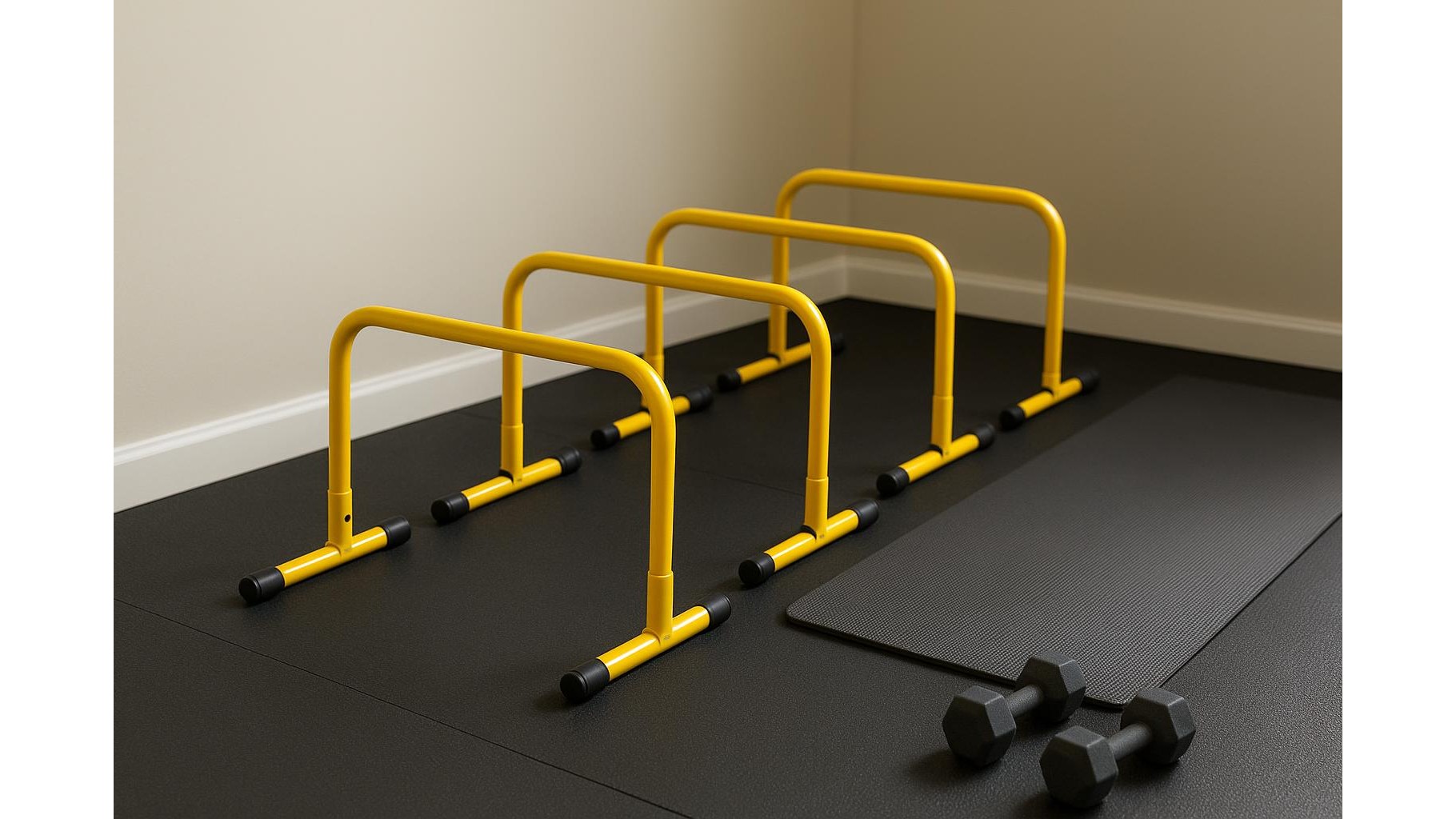
When selecting plyometric hurdles for home agility training, focus on three essentials: adjustability, footprint and durability. Look for models with multiple height settings so you can progress from low, fast footwork to higher power jumps. A compact footprint matters in tight spaces: wide bases offer stability, but should still fit comfortably in your training area without blocking walkways. Materials are critical too: lightweight PVC or plastic is fine for most users and safer if you clip the hurdle, while heavy-duty frames suit more intense, frequent sessions. Prioritise rounded edges and flexible uprights that won’t cause injury if your foot catches.
Folding and stacking designs for small home gyms
In a small home gym, storage can make or break your setup. Choose folding hurdles that collapse flat, or stacking designs that nest inside each other, so you can slide them under a bed or into a cupboard. Some adjustable sets convert from a flat speed ladder or bar into a hurdle, giving you two tools in one and cutting clutter. Before you buy, check the folded dimensions and total number of hurdles in the set; four to six hurdles are usually enough for effective agility drills in limited space. Smooth, simple locking mechanisms are also important so you can set up and pack away quickly, even mid‑workout.
Safe setup and spacing in a home environment
Safety should guide how you set up your plyometric hurdle drills at home. Place hurdles on a flat, non‑slip surface such as rubber mats or short‑pile carpet, and ensure there is plenty of clearance on all sides to avoid collisions with furniture or walls. For most speed and agility work, spacing hurdles 60–100 cm apart works well, with more distance for higher jumps. Start with the lowest height to rehearse technique and landing mechanics before progressing. Keep pets, children and loose objects out of your training lane, and always warm up with dynamic movements like leg swings and light jogging to protect your joints.
Progressions and sample drills with adjustable heights
Adjustable hurdles allow you to progress overload over weeks. Begin with low heights and linear drills such as quick one‑step hops, high-knee runs or lateral shuffles over a row of hurdles. As control improves, raise the height or alternate hurdle heights to challenge coordination. You can also combine plyometric power with agility by pairing a higher jump with a direction change, like jumping forward, landing softly and then cutting sideways to the next hurdle. Use short work intervals (15–30 seconds) with adequate rest to maintain sharp technique. For strength and fat loss, integrate hurdles into circuits with bodyweight squats, lunges and core exercises.
Choosing the right hurdles for your training goals
Match your hurdle choice to your goals and training style. If your focus is speed and footwork, prioritise lower maximum heights with more hurdles per set to create longer patterns. For vertical jump, sprint performance or explosive field sports, choose sets that reach higher settings so you can build power safely. Budget-conscious users may prefer basic plastic sets with manual height adjustment, while those training frequently might invest in more robust constructions. Always read user feedback about stability, ease of adjustment and how compact the hurdles are when folded or stacked so you know they truly suit a small, multi‑use home gym.
By focusing on adjustable height ranges, compact folding or stacking designs, and safe setups, you can integrate plyometric hurdles into almost any home gym. Start low and controlled, progress height and complexity gradually, and store the hurdles neatly when you’re done. Thoughtful choices and smart programming will turn a tiny training corner into an effective agility and power station for long‑term fitness gains.