Adding ankle weights to your home workouts can make simple moves feel more challenging, helping you build strength and boost cardio without bulky machines. However, choosing the wrong weights or using them carelessly can overload your joints and lead to discomfort or injury. This guide explains how to pick the right load, materials and closure systems, and how to use ankle weights safely so you can get the most from every step, kick and leg raise.
Understanding when ankle weights are really useful
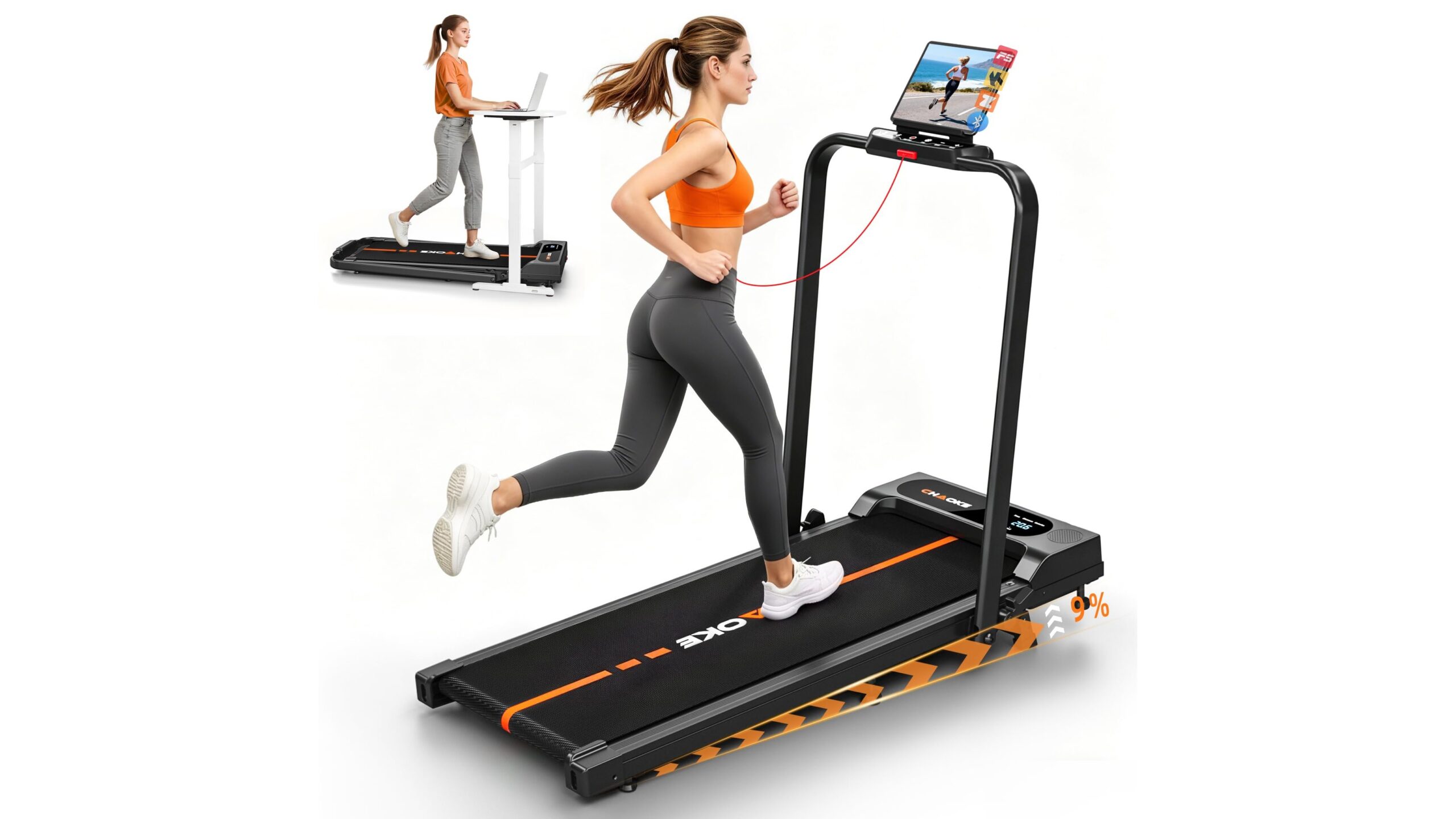
Ankle weights work best for low‑impact strength and toning work, such as standing leg raises, side leg lifts, donkey kicks, glute kickbacks and certain Pilates or barre-inspired exercises. They add constant resistance, forcing your hip flexors, glutes and hamstrings to work harder through the full range of motion. For home cardio, ankle weights can be useful in controlled settings such as slow step-ups, marching on the spot or gentle walking on a treadmill, but they are not ideal for high‑impact moves like jumping, sprinting or fast running, where extra load can stress knees, hips and ankles. If you are a beginner or returning after a break, start by mastering bodyweight versions of each exercise before adding any external load.
Choosing the right load for your fitness level
The most important decision is how heavy your ankle weights should be. As a general guideline, beginners should opt for around 0.5–1kg per ankle, while more experienced users may progress to 1.5–2.5kg per ankle for targeted strength work. Avoid jumping straight to heavy loads: instead, increase weight only when you can perform 12–15 slow, controlled repetitions without swinging the leg or arching your lower back. For cardio-style moves such as walking or step-ups, stay on the lighter side to protect your joints. If you share the weights with family members, look for adjustable ankle weights that allow you to add or remove small weight bars so everyone can fine‑tune the load to their ability and workout style.
Materials, padding and comfort features
Comfort is crucial if you plan to use ankle weights regularly. Look for models made from breathable, durable fabrics that will not irritate your skin during longer sessions. Soft neoprene or padded nylon designs help reduce chafing around the ankle bone and Achilles area, especially if you wear them over bare skin. Even weight distribution is another key factor: the filling should be spread evenly along the cuff so the weight does not flop or dig into one area while you move. If you tend to sweat a lot during home workouts, consider ankle weights with moisture‑resistant liners or removable inner weights that can be aired out between sessions to keep odours under control and prolong the life of the product.
Closure systems and fit for joint safety
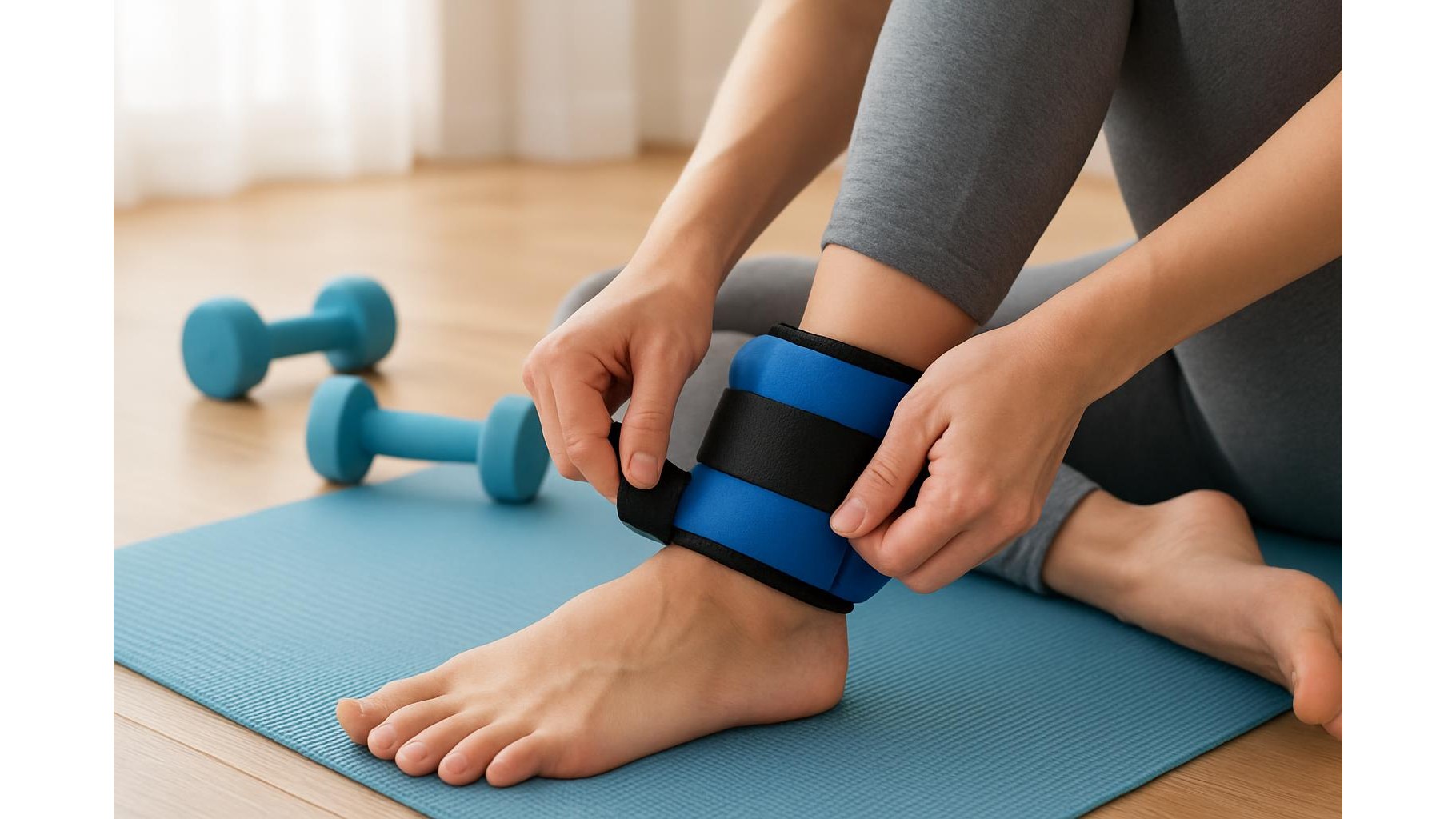
A secure fit is essential for both safety and performance. Choose ankle weights with a wide, adjustable strap that can be tightened comfortably around different ankle sizes. Strong hook‑and‑loop (Velcro) closures are popular because they are quick to adjust and stay put during dynamic moves; just make sure the strap is long enough to get a snug fit without cutting into your skin. Avoid cuffs that twist or slide as you walk or lift your leg, as this can alter your movement pattern and put extra strain on your joints. If you plan to use the weights for both ankles and wrists, check the manufacturer’s sizing guidance to ensure the closure system works for both uses and gives you stable support.
Safe ways to add ankle weights to strength and cardio
To use ankle weights safely in your home strength and cardio sessions, introduce them gradually. Start with one or two short sets of weighted exercises at the end of your usual bodyweight workout rather than wearing them for the entire session. For strength moves, focus on slow, controlled repetitions and avoid swinging the leg or using momentum. For cardio, stick to low‑impact patterns such as marching, side steps or gentle step-ups on a low platform, keeping the load light. Always warm up your hips and knees before strapping on the weights and stop immediately if you feel sharp pain or uncomfortable pulling around a joint. People with existing joint issues, lower‑back pain or balance problems should consult a professional before using ankle weights.
Used thoughtfully, ankle weights can be a simple and effective way to add resistance to home workouts without investing in large equipment. By choosing the right load, prioritising breathable materials and secure closures, and introducing them gradually into low‑impact strength and cardio routines, you can enjoy extra challenge while keeping your joints safe. Take time to experiment with different exercises, listen to your body and adjust the weight as your fitness improves to get the best long‑term results.