Building a versatile home gym in a small space often means choosing equipment that can do it all. Adjustable kettlebells are a smart solution: they save floor space, replace multiple fixed bells, and let you progress in strength without constantly buying new weights. Understanding weight ranges, handle design, and locking systems will help you choose the right model for your strength level and training style.
Table of contents
Why adjustable kettlebells are ideal for home strength
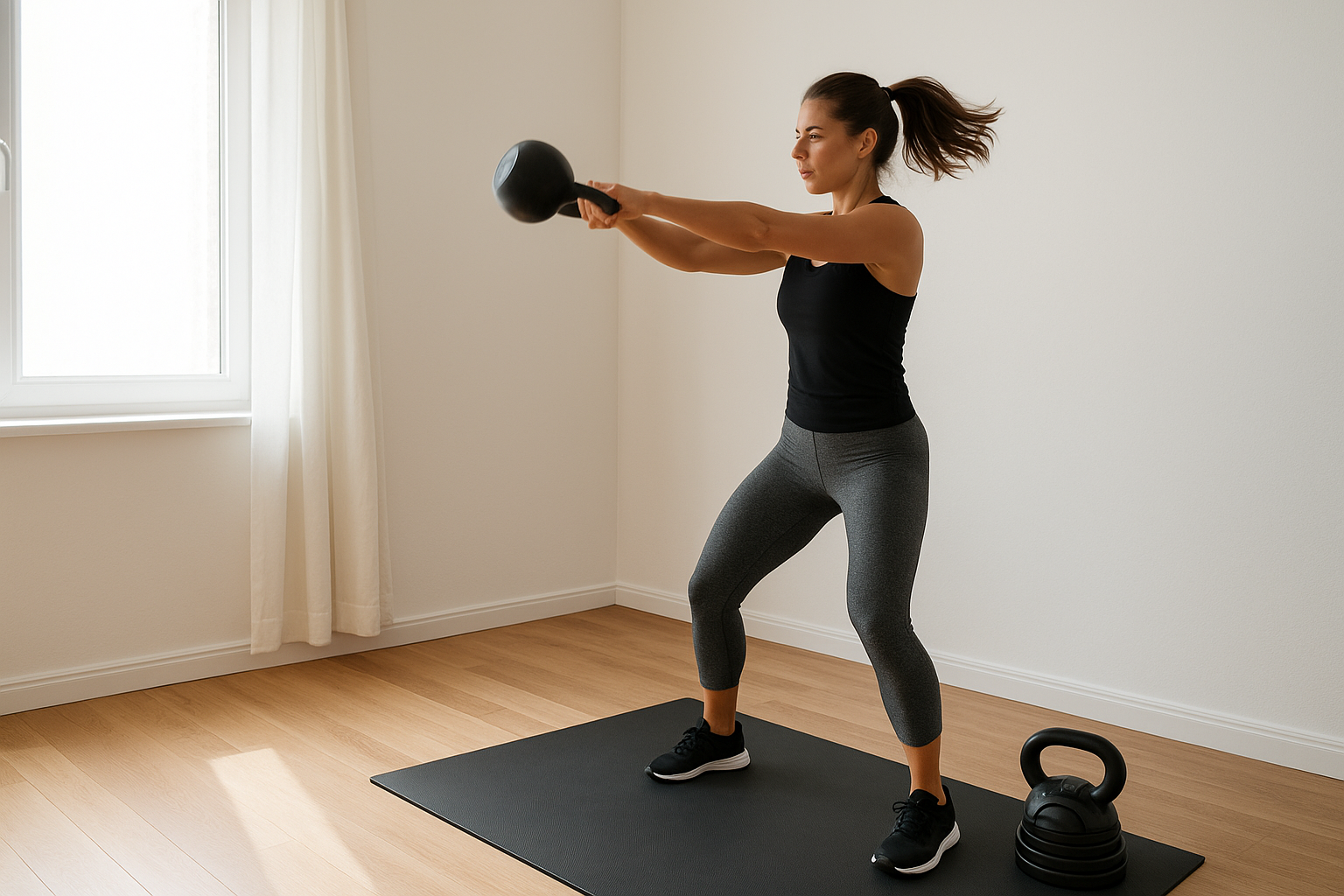
An adjustable kettlebell combines several kettlebell weights into one compact tool, making it perfect for apartments and small home gyms. Instead of owning a full rack of bells, you can cover swings, goblet squats, presses and rows with a single adjustable unit. This is especially useful if more than one person trains at home, because different users can quickly select different loads. The main benefits are space saving, long‑term cost efficiency, and the ability to fine‑tune the weight as you get stronger. For lifters who enjoy full‑body strength training but don’t want bulky equipment, an adjustable bell becomes a true all‑rounder.
Choosing the right weight range for your goals
When comparing models, start with the weight range and size of the jumps. Many adjustable kettlebells cover light to moderate loads, ideal for beginners and conditioning work, while others reach heavier weights suited to experienced lifters. For example, a lifter focused on conditioning circuits and higher reps may want a bell that starts quite light so that overhead presses and Turkish get‑ups are manageable on tired shoulders. Someone stronger who prioritises heavy swings and squats will benefit from a higher maximum weight, even if the lightest setting feels challenging for isolation moves. Consider who will use the bell, the exercises you care about most, and whether you plan to progress to heavier strength work over time.
Handle design and comfort during dynamic movements
The handle is critical for comfort and safety, especially in ballistic moves like swings, cleans and snatches. Look for a smooth but slightly textured finish that offers grip without tearing your hands, and a shape that allows a secure two‑handed hold for swings as well as a comfortable rack position for presses. The distance between handle and bell body should leave enough room for your forearm without excessive pressure on the wrist. A well‑designed handle reduces hot spots and blisters, encouraging consistent training. If you sweat heavily, pairing a solid handle design with chalk or grip‑enhancing towels can make your home workouts both safer and more enjoyable.
Locking mechanisms and plate stability
The heart of any adjustable kettlebell is its locking mechanism. You want a system that feels intuitive to use but absolutely secure once locked. Internal selector dials and external pins are common solutions; whichever you choose, check that weight plates sit flush and do not rattle excessively during swings. A stable, well‑engineered mechanism preserves the classic kettlebell feel and protects your floors—and your toes. Fast, tool‑free adjustment can also be valuable if you like circuit training with quick transitions between heavy and lighter exercises. Before committing, think about how often you plan to change weight during a session and whether other household members will find the mechanism easy to understand.
Matching your adjustable kettlebell to training style
Your preferred training style should guide your final choice. If you enjoy long conditioning sessions with a mix of swings, squats and core work, prioritise a moderate weight range with small, precise increments and a compact bell that moves smoothly. Strength‑focused lifters who perform heavy dead‑stop swings, rows and squats might prefer a model with a higher top end and a more robust, slightly larger shell. Those following kettlebell sport or technique‑heavy programmes will appreciate consistent geometry that mimics competition bells as closely as possible. Whatever your style, aim for a bell that feels balanced, adjusts quickly enough for your programming, and supports steady progression over months and years.
Choosing the right adjustable kettlebell for your home gym comes down to aligning weight range, handle design and locking system with your strength and goals. A well‑chosen bell can replace an entire set, letting you train power, endurance and mobility in a very small footprint. By focusing on comfort, stability and suitable loading, you’ll create a flexible home strength setup that grows with you and keeps your training efficient, safe and enjoyable.