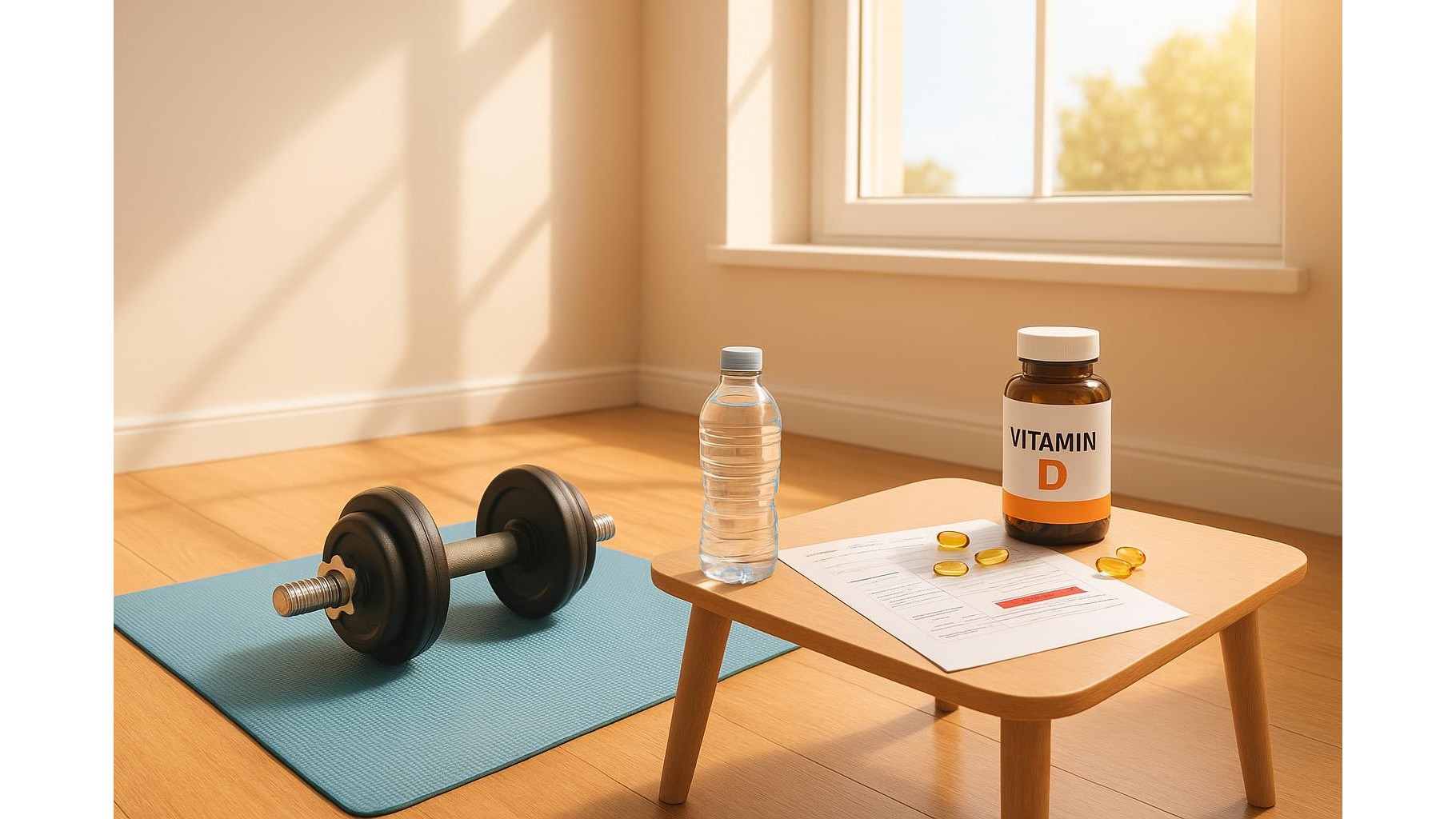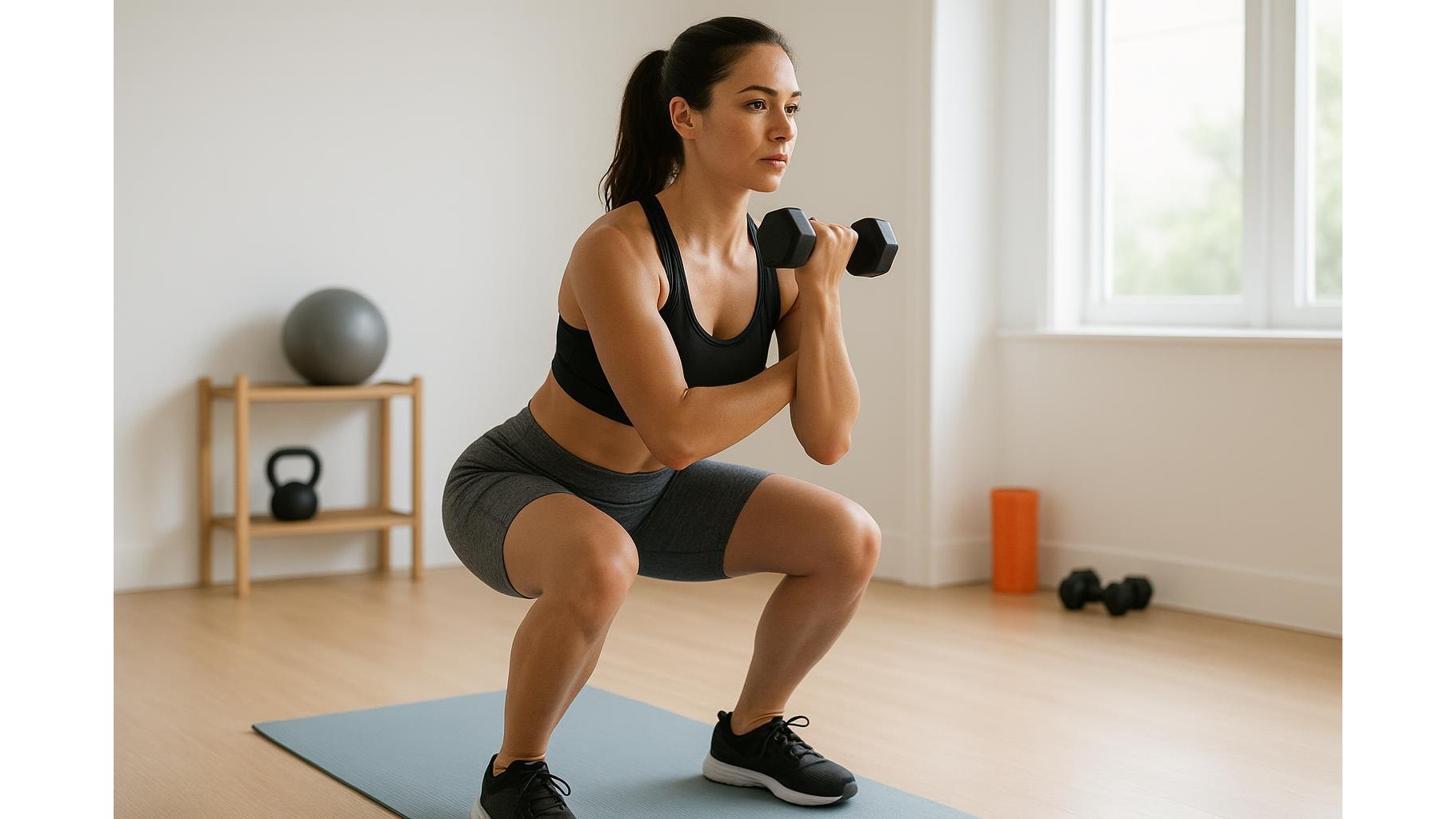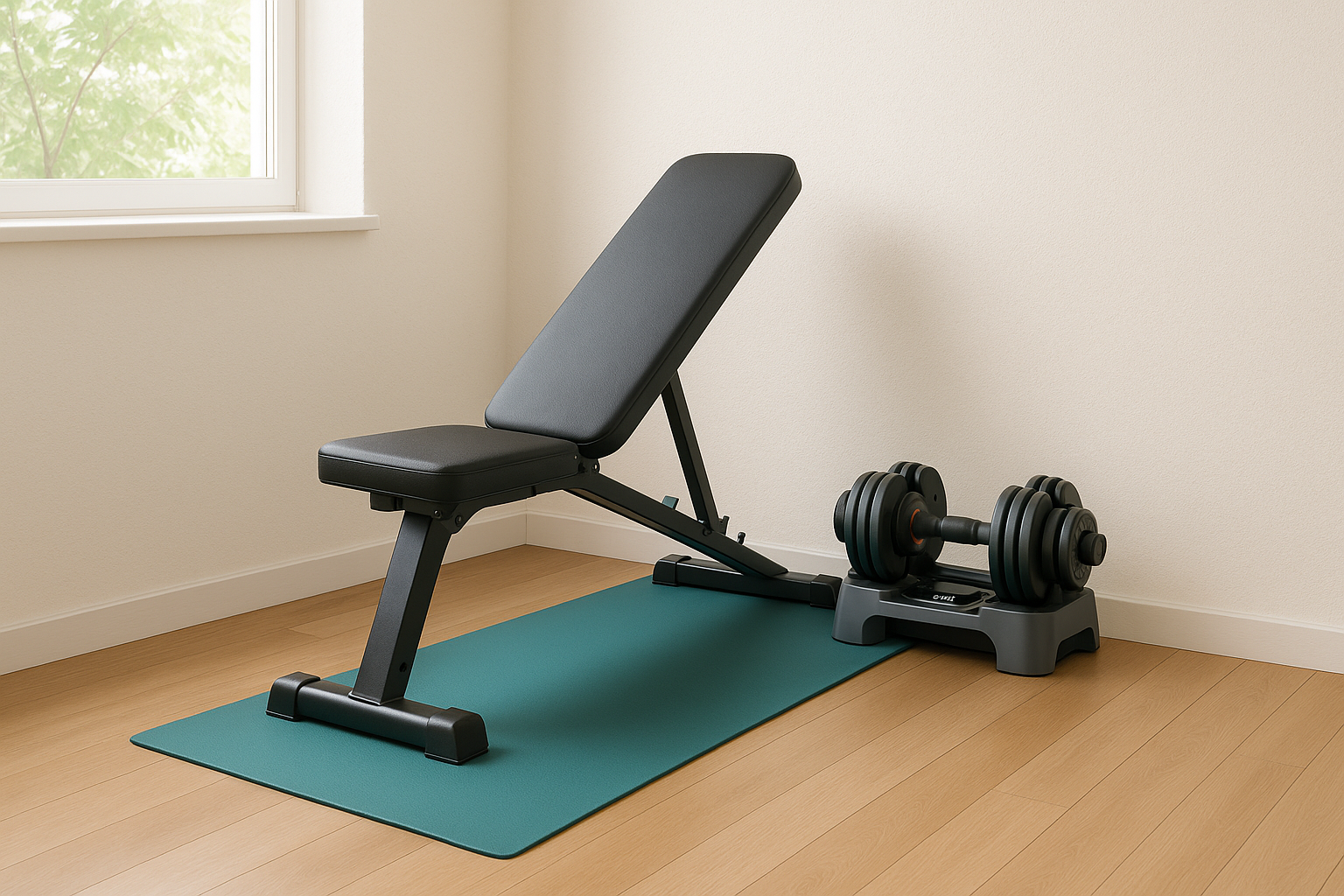
Building a space-saving home gym starts with choosing the right adjustable dumbbells. Instead of filling your floor with multiple fixed-weight pairs, a single compact system can cover everything from light rehab work to heavy strength training. This guide explains how adjustable systems work, the difference between plate-loaded and dial-based designs, which safety features matter most, and how to pick the right weight range for your goals, so you can train effectively even in the smallest room.
Table of contents
Understanding adjustable dumbbell systems
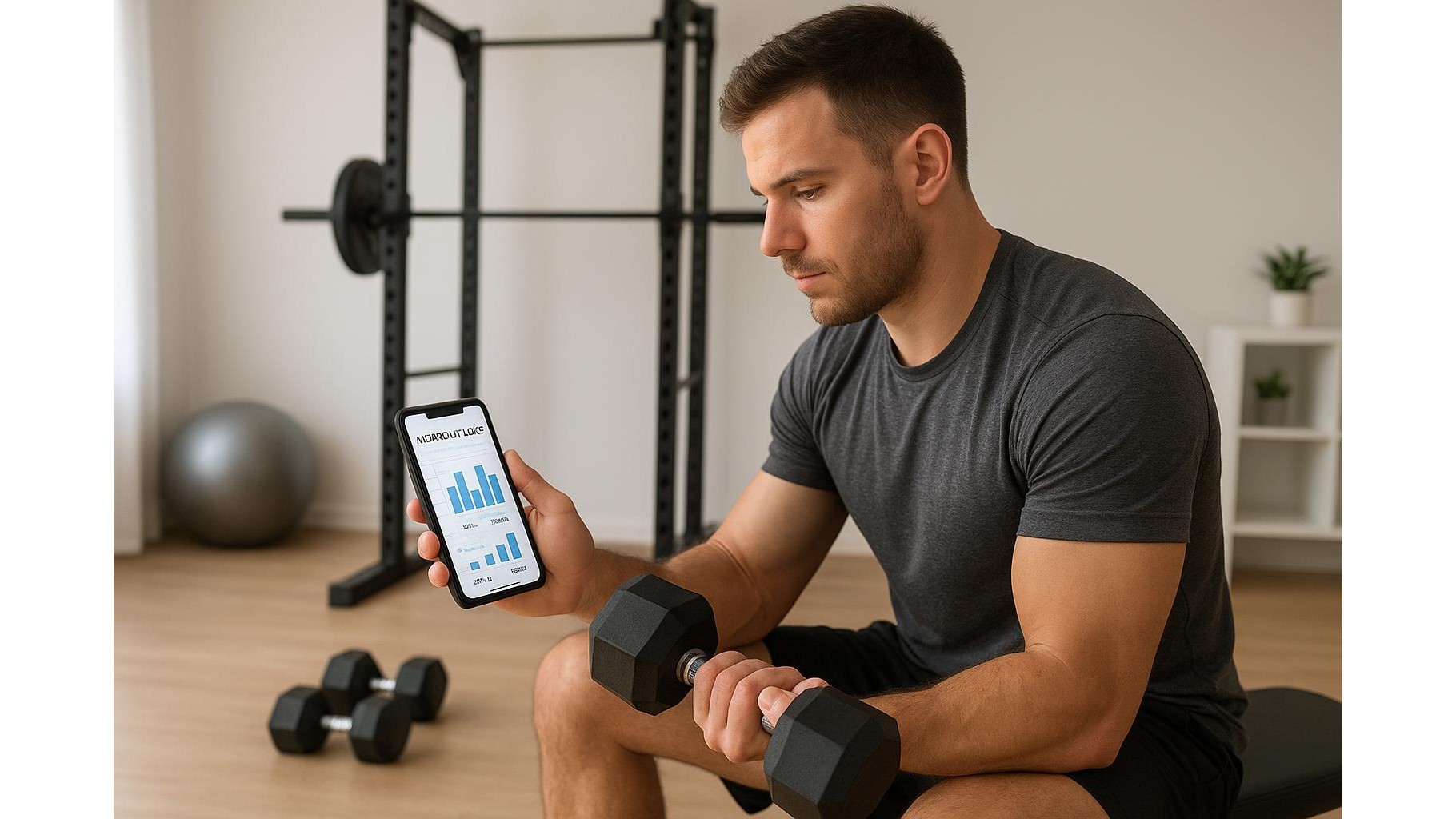
Adjustable dumbbells replace an entire rack of traditional fixed weights with one or two compact handles and a mechanism to change load. The most common systems for a home gym are plate-loaded dumbbells, where you manually add or remove plates and secure them with collars, and quick-adjust systems that use a dial, pin, or selector to change weight in seconds. Both options are far more space-efficient than owning 10–15 pairs of dumbbells, and they often cost less overall. The trade-offs are mainly in speed of adjustment, durability, and how secure the plates feel during dynamic exercises like presses, rows, and snatches.
Plate-loaded vs dial systems for home use
Plate-loaded adjustable dumbbells are usually the most budget-friendly option and offer great weight flexibility: you can often use standard 1-inch or 2-inch weight plates that you may already own. They are ideal if you do not mind spending an extra 30–60 seconds changing plates between sets, or if you usually train alone and are not rushed. Dial-based dumbbells, on the other hand, are designed for speed and convenience. Turning a dial or moving a selector instantly changes the weight, making them perfect for supersets, circuits, and time-efficient workouts. However, dial systems can be more expensive and sometimes bulkier at lighter weights, which may affect comfort in movements like curls and lateral raises.
Key safety and comfort features to look for
Whichever style you choose, focus on safety features and ergonomics. Look for a secure locking mechanism that prevents plates from rattling or slipping mid-set. The handle should have a comfortable grip, ideally with knurling or a non-slip coating that does not tear your hands. A flat, stable base or storage tray keeps the dumbbells steady when you change weights and reduces trip hazards in a small room. Rounded or low-profile ends are also helpful, so the dumbbells do not dig into your thighs when you set up for presses. Finally, check the overall footprint: compact designs are easier to store under a bed or in a cupboard when your workout is finished.
Matching the weight range to your training goals
Choosing the correct weight range is critical for long-term progress. For beginners focused on general fitness, rehab, or high-rep toning work, a set that adjusts from about 2–3 kg up to 15–20 kg per dumbbell is often sufficient. If you plan to train for strength or muscle gain with heavy presses, rows, lunges, and Romanian deadlifts, look for dumbbells that reach at least 25–30 kg per hand, with small increment steps (for example 1–2.5 kg) to allow steady progression. Think about every member of your household who might use the set; a wider range and finer increments make the dumbbells more versatile and future-proof, so you are less likely to outgrow them as your performance improves.
Fitting adjustable dumbbells into a compact home gym
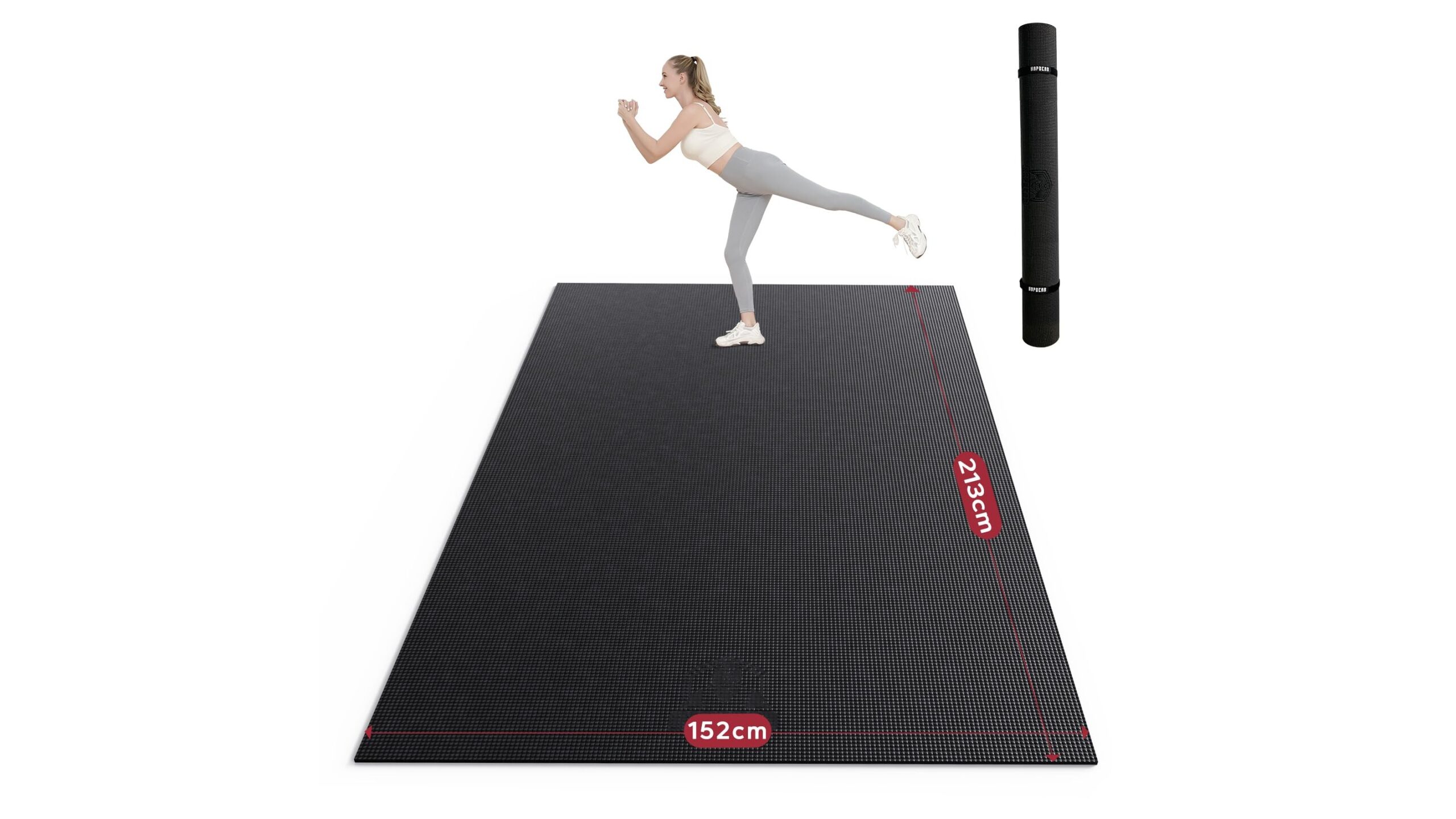
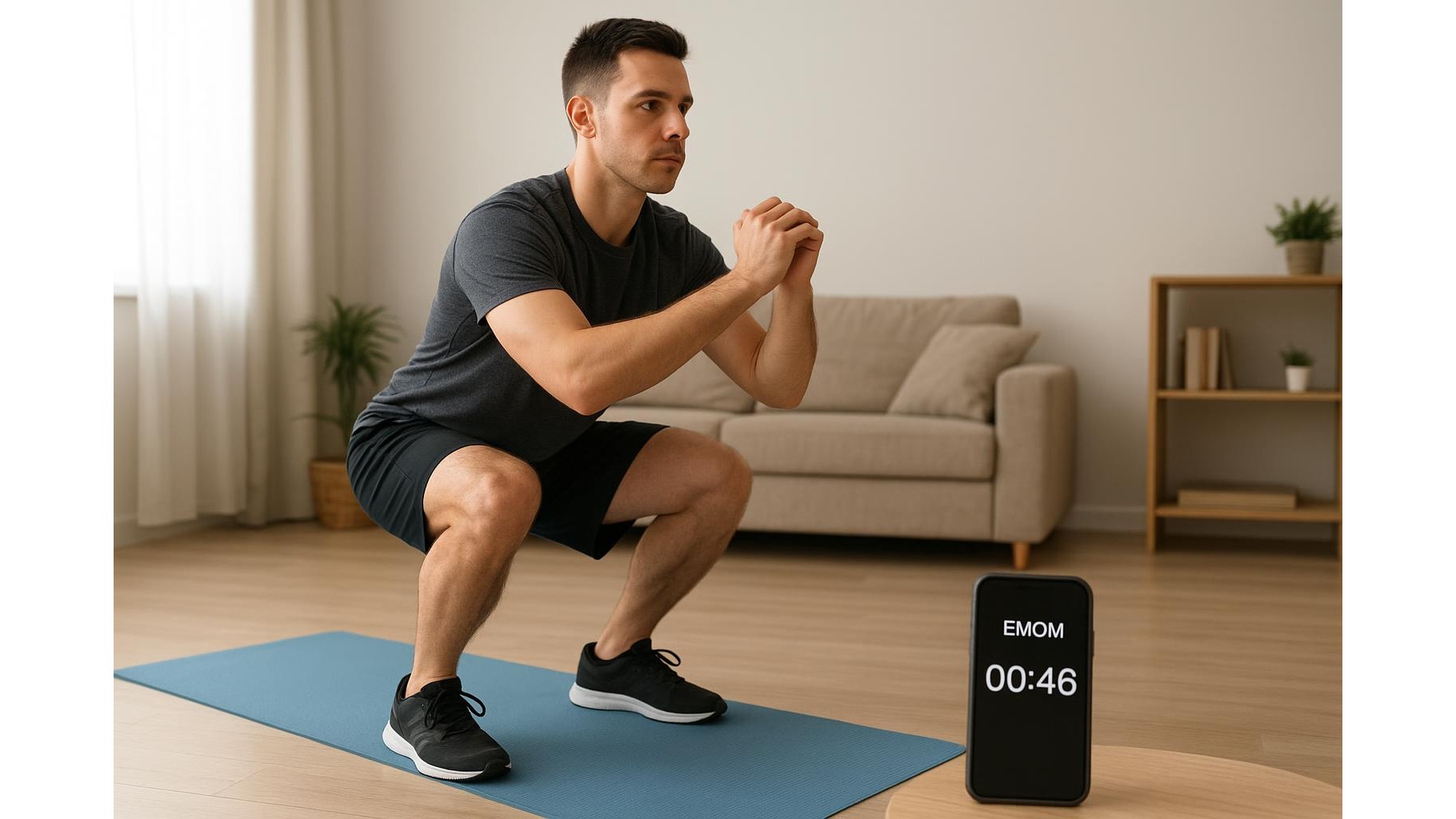
One of the biggest benefits of adjustable dumbbells is how easily they fit into a compact training space. In a small flat, studio, or spare room, you can pair them with a foldable bench and a mat to cover nearly every major movement pattern: presses, rows, squats, lunges, hinges, and carries. Consider where you will store the dumbbells when not in use; a corner, cupboard, or under-bed space usually suffices. If your budget allows, a dedicated stand can keep them at a comfortable height and protect floors. Also, think about noise: rubber-coated plates or careful placement on a mat help keep your workouts quiet, which is especially important in apartments with neighbours below.
Choosing the right adjustable dumbbells for a space-saving home gym comes down to balancing budget, speed of adjustment, and training goals. Plate-loaded sets maximise value and flexibility, while dial-based systems deliver unmatched convenience for fast-paced sessions. Prioritise secure locking, comfortable grips, suitable weight range, and a compact footprint, and you will have a single, efficient tool that supports years of effective strength training without taking over your living space.