Building a compact home gym means every centimetre counts, and few tools give you more value per square metre than a good set of adjustable dumbbells. Instead of a whole rack of fixed weights, you get a tidy solution that can handle everything from light rehab work to heavy strength training. This guide explains the key specs and features that actually matter in a small space, so you can buy once and lift for years.
Table of contents
Understanding weight range and progression
The first decision is the weight range. Think about both your current level and where you want to be in 2–3 years. Many entry‑level sets start around 2–2.5 kg per hand and top out around 20–25 kg, which is enough for most beginners and intermediate lifters. If you’re serious about long‑term strength training, look for sets with higher maximum loads or expansion options. A broad range lets you use the same dumbbells for isolation work, full‑body compounds and progressive overload without outgrowing your equipment too quickly. Make sure increments between steps are small enough (ideally 1–2.5 kg) to allow smooth progression, especially on pressing and shoulder exercises.
Adjustment mechanisms and training feel
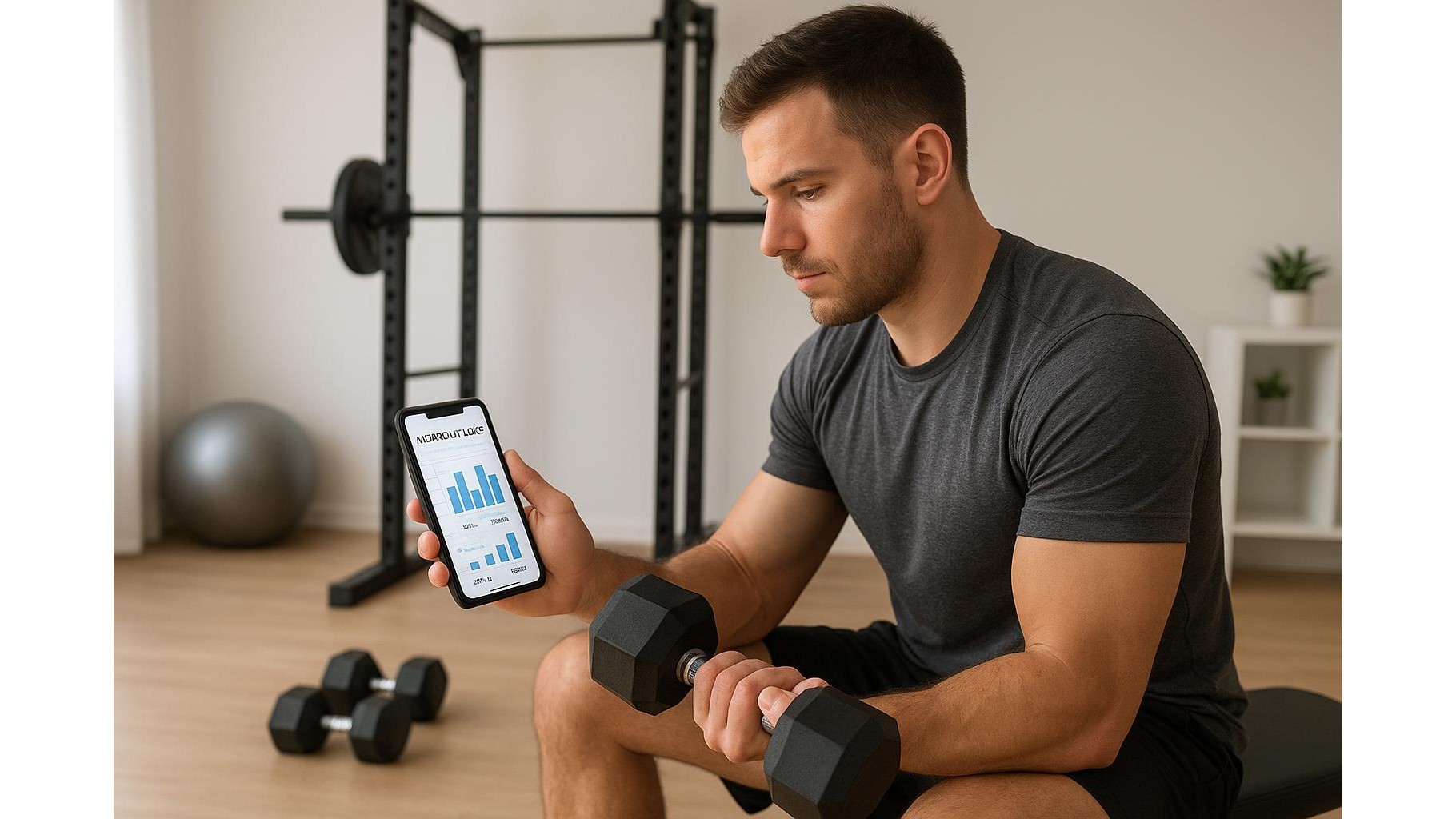
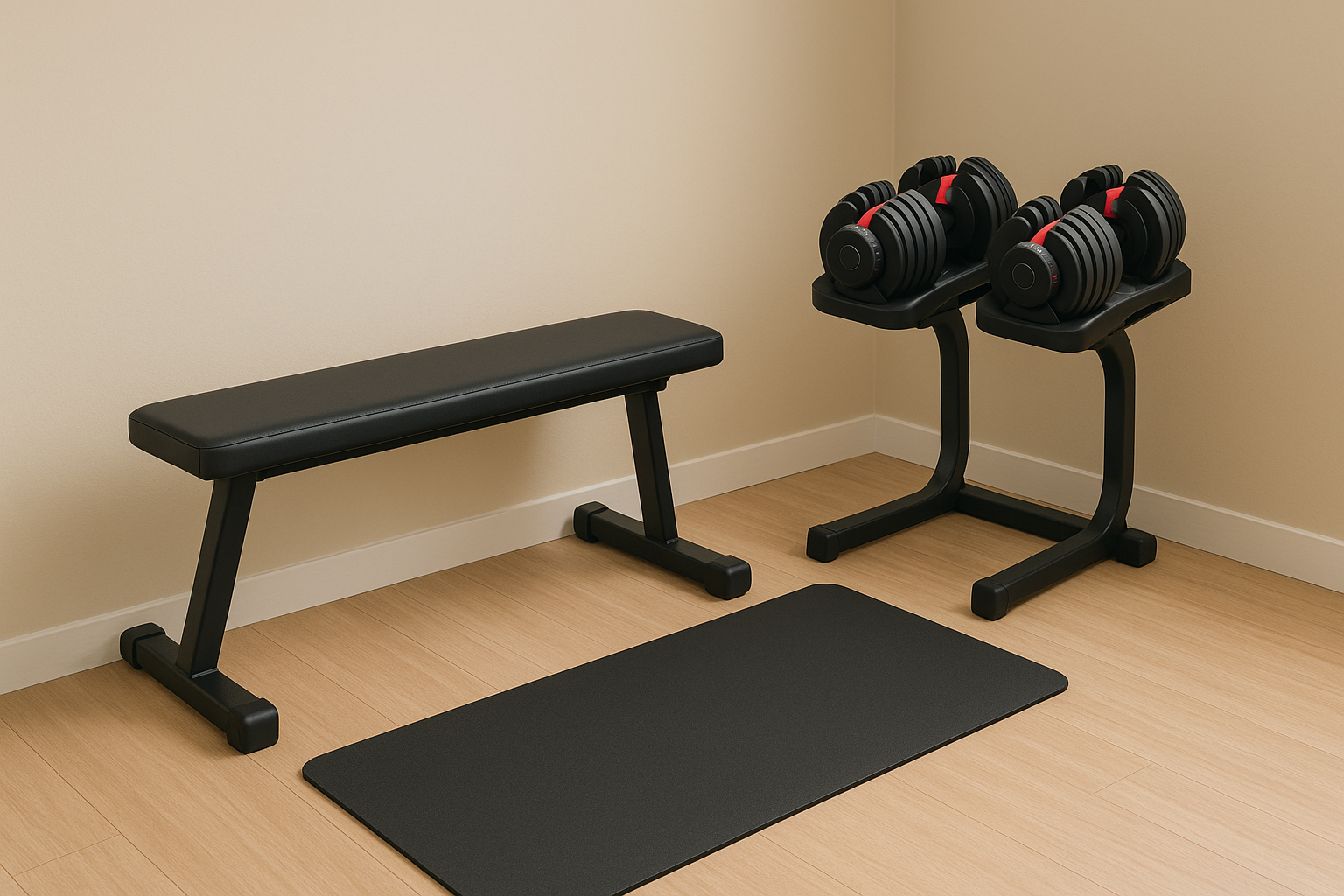
How you change the weight affects both training flow and safety. Selector dial systems, like those found on premium models such as Bowflex SelectTech adjustable dumbbells, let you twist a dial to jump between loads in seconds, ideal for fast supersets and circuits. Pin‑lock or plate‑load systems are usually cheaper and more durable but slower to adjust, which might matter if you follow time‑based workouts. Whatever mechanism you choose, it should lock with a clear click and have no rattle when lifted. In a compact home gym you’ll likely train near furniture or screens, so a secure, predictable adjustment system is more than just convenience – it’s a safety issue.
Footprint, storage and noise in a small space
For a small home gym, storage is as important as performance. Look for sets that come with a compact stand or tray that keeps the dumbbells off the floor and clearly locates each weight setting. Slim, rectangular profiles are easier to slide under a desk or bench compared with bulky, round plates. Consider how far the dumbbells extend from your hand; long designs can bump into your hips or knees on curls and rows, especially in tight spaces. If you live in a flat, prioritise noise reduction: coated plates and tight mechanisms minimise clanking when you set the weights down, protecting both your floor and your neighbour relationships.
Grip, ergonomics and training comfort
A well‑designed handle can make the difference between equipment you love and gear you avoid. Look for a non‑slip grip with light knurling or rubberised texture that stays secure even when your hands get sweaty. The handle thickness should feel natural in your hand – too thin can dig into your palm, too thick can fatigue your forearms early. Balanced dumbbells that keep the weight centred make pressing and overhead work feel smoother, while rounded edges on the plates are more comfortable if the bells brush your thighs or rest on your legs between sets. For longer sessions, ergonomic details like slightly contoured handles can significantly improve overall training comfort.
Build quality, safety and value for money
Durability should be a priority, especially if this is the core of your home gym. Metal or high‑grade composite mechanisms are more likely to survive everyday use than fragile plastics. Check that plates sit tightly with minimal wobble and that there are clear safety warnings about not dropping the dumbbells from height; many adjustable systems are not drop‑proof like commercial fixed bells. When comparing prices, factor in the number of weight pairs you are effectively replacing – a solid adjustable set often works out cheaper and far more space‑efficient than buying multiple fixed dumbbells. For most home lifters, the best value comes from a mid‑range set that balances robust construction, a practical weight span, and a reliable adjustment system rather than the absolute lowest price.
Matching adjustable dumbbells to your training style
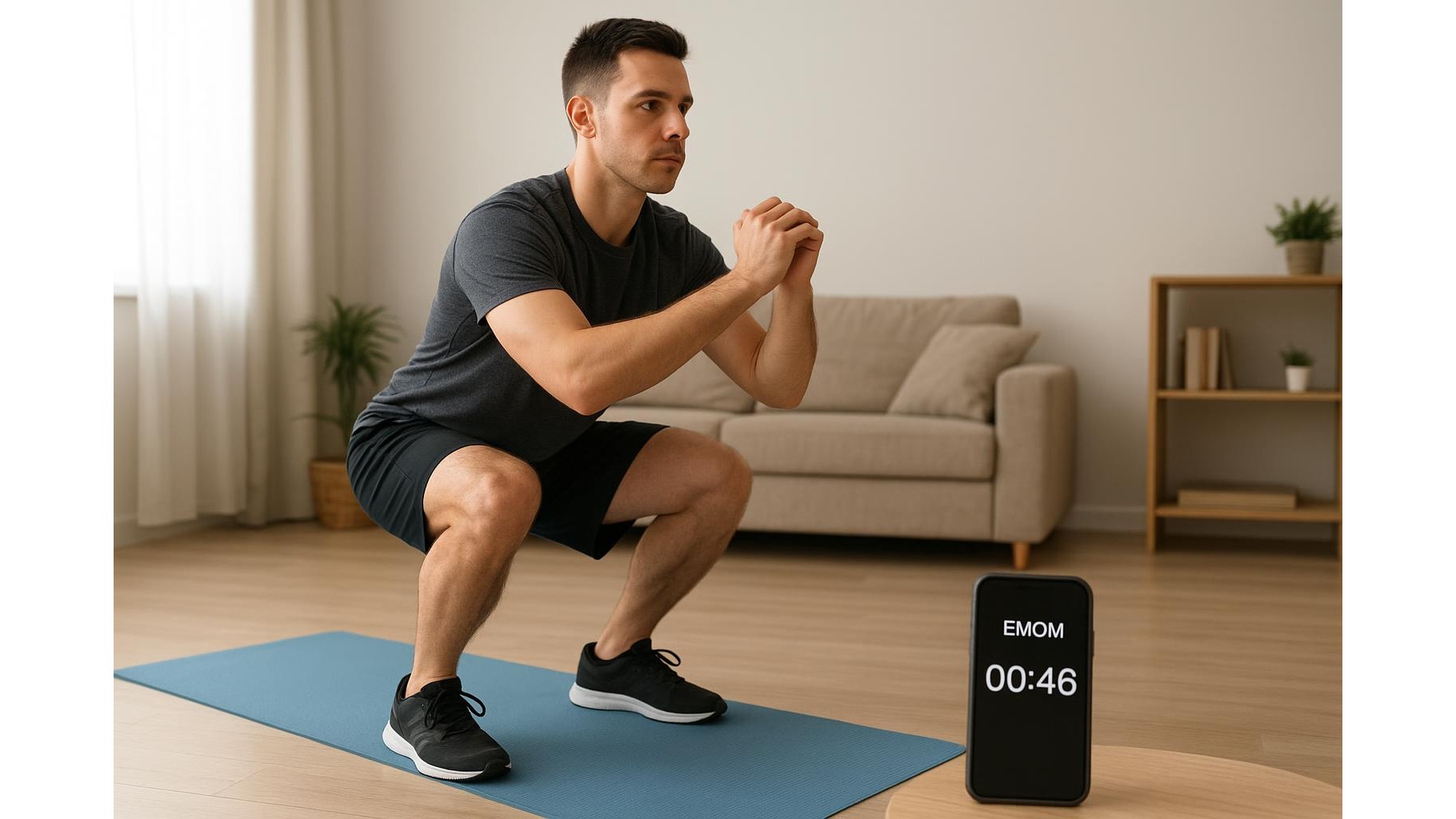
Your ideal set of adjustable dumbbells depends on how you train. If you follow fast‑paced HIIT or circuit workouts, prioritise quick‑change mechanisms and clearly marked weight settings so you can move effortlessly between exercises. If you focus on heavy strength work with longer rests, slightly slower plate‑load systems with higher maximum loads might suit you better and save money. Consider who else will use the dumbbells: shared home gyms benefit from wide weight ranges that cover beginners and stronger lifters alike. Finally, think about your room layout – ensure there’s enough clearance around your bench or mat for the dumbbells and stand so your compact setup stays safe, tidy and motivating.
Choosing the right adjustable dumbbells for a compact home gym means balancing weight range, adjustment speed, footprint, grip comfort and build quality. By focusing on these core factors, you can invest in a single, space‑saving solution that supports progressive training, fits neatly into your living area and keeps workouts efficient and enjoyable for years to come.