Building a versatile home gym often starts with a solid pair of adjustable dumbbell handles. Instead of filling your space with multiple fixed-weight dumbbells, handles that take interchangeable plates let you scale loads as you get stronger while keeping your setup compact and budget-friendly. Understanding key features such as spin lock vs quick lock systems, plate compatibility, safety, and grip comfort helps you choose handles that will grow with your training over the long term.
Table of contents
Spin lock vs quick lock: choosing the right mechanism
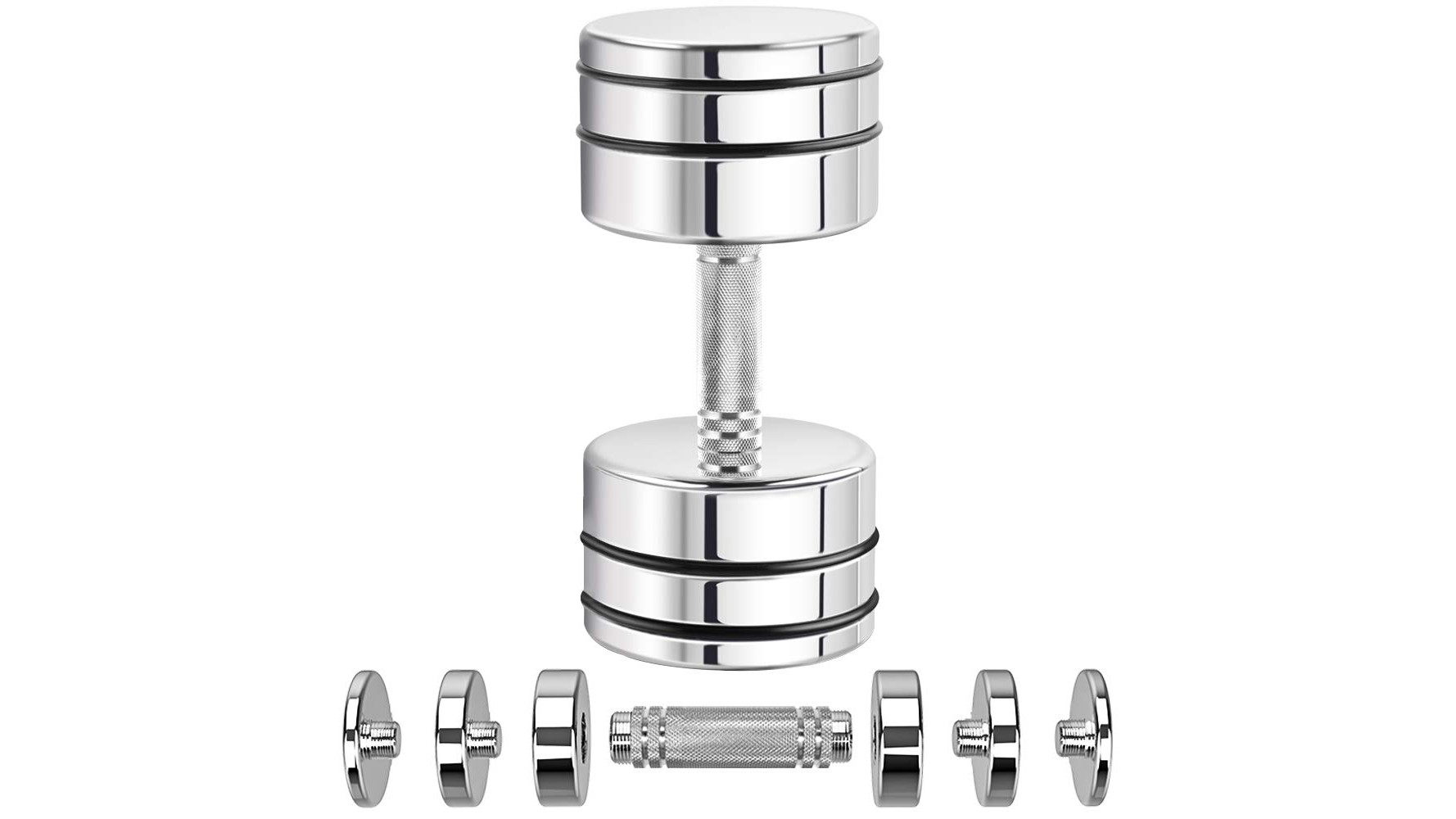
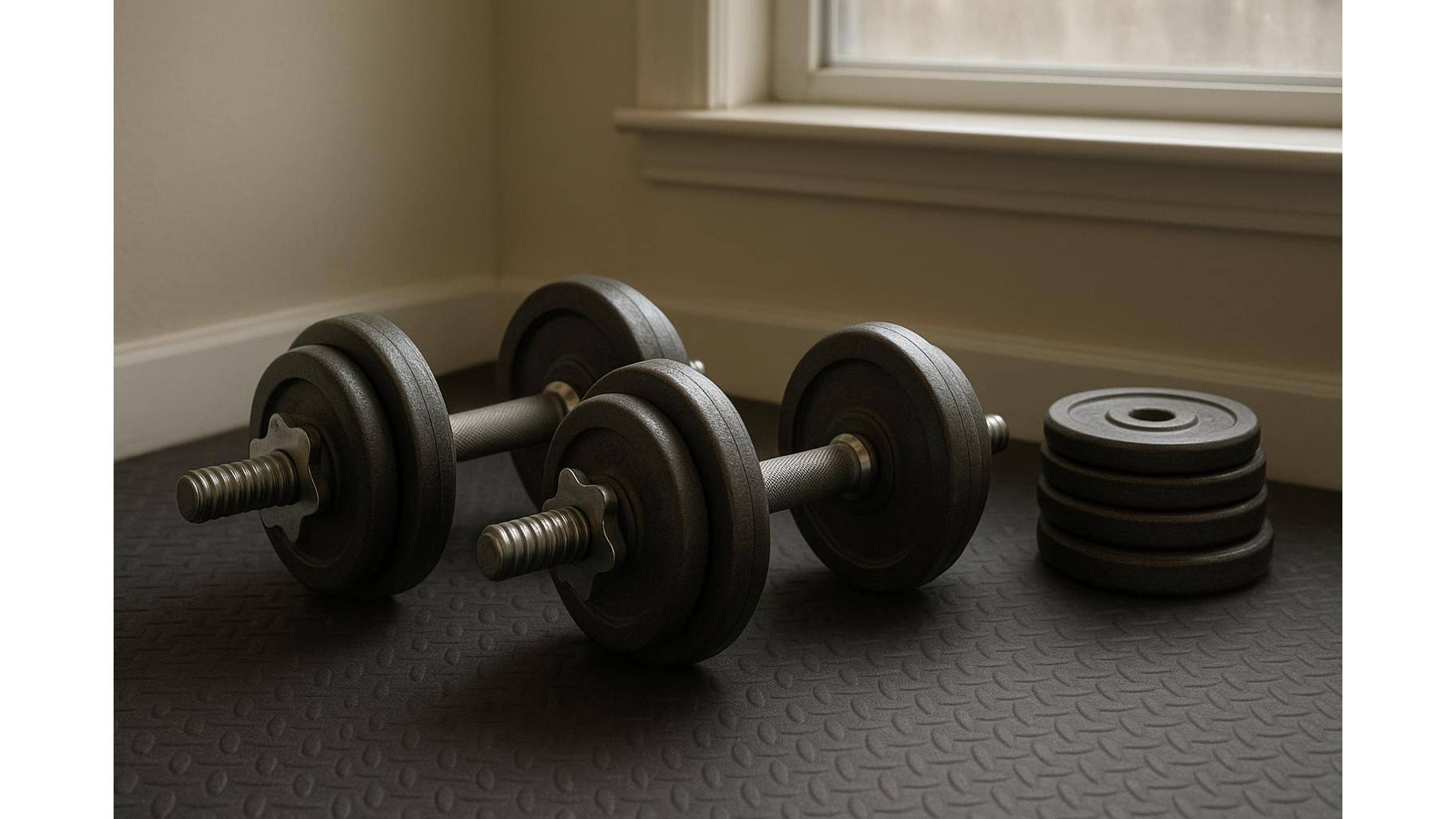
One of the first decisions is whether you want spin lock dumbbell handles or a faster locking system. Spin locks use threaded sleeves and star collars that twist onto the handle to clamp the plates in place. They’re usually cheaper, highly secure when tightened properly, and compatible with standard weight plates. Quick-lock systems, on the other hand, use levers or pins to secure plates in seconds, ideal for fast-paced workouts or circuits with frequent weight changes. However, they tend to cost more and are often tied to specific plate designs. For most home gyms focused on progressive strength training, a well-made spin lock handle offers the best balance of cost, safety and versatility.
Plate compatibility and room to grow your setup
To build a scalable home strength setup, check plate diameter, hole size and sleeve length on your chosen handles. Standard spin lock handles typically fit 25 mm or 28 mm hole plates, so match them to plates you already own or plan to buy. Ensure the sleeve length is long enough to load sufficient weight for your future strength levels, not only your current ability. Short sleeves may limit progression for heavy compound movements like goblet presses or Romanian deadlifts. Also consider the maximum recommended load per handle, especially if you train seriously and may eventually work with 30–40 kg per hand or more.
Safety features that protect you and your floor
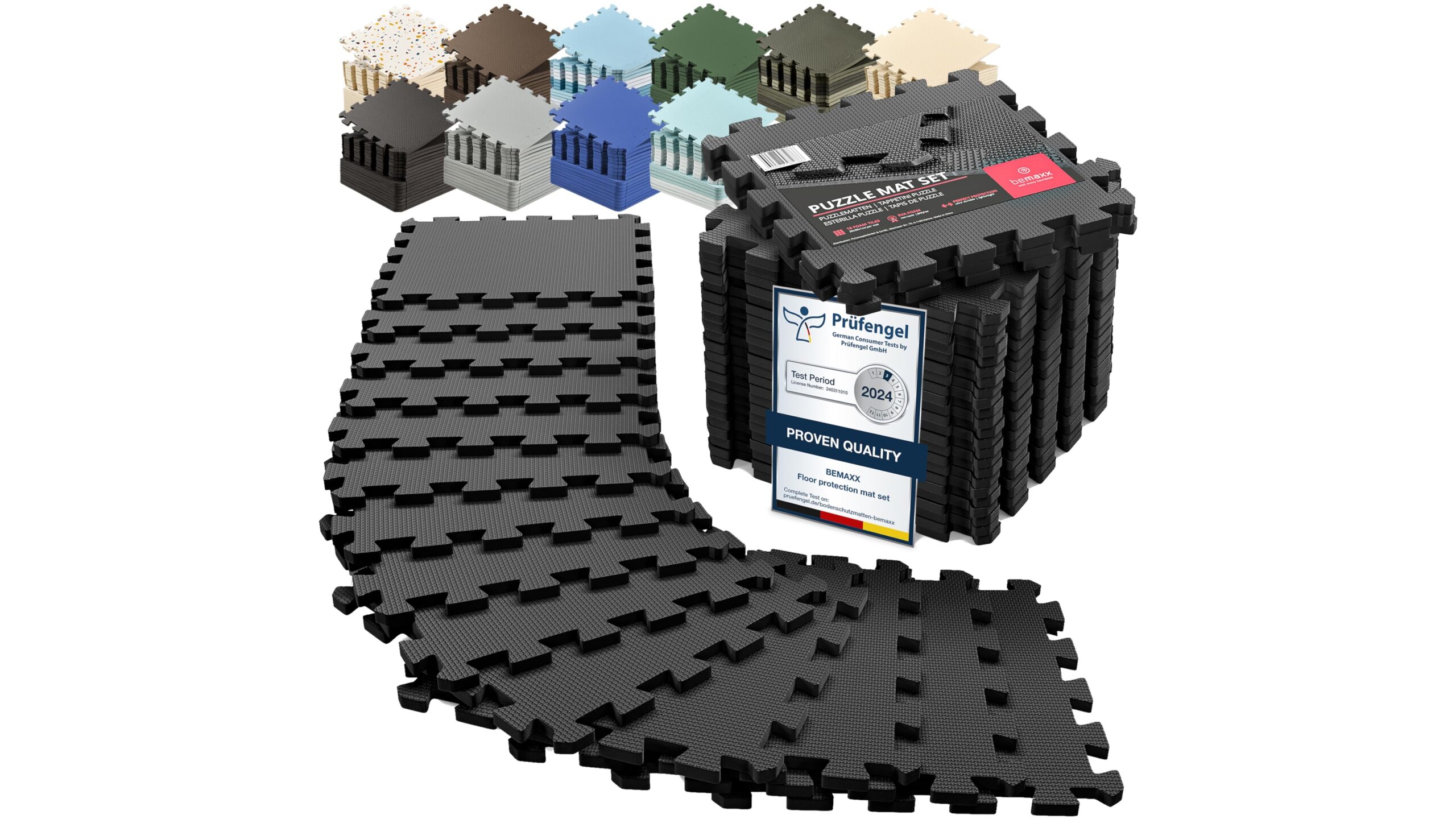
Good adjustable dumbbell handles should keep plates locked and stable throughout your set. Look for deep, well-cut threads on spin lock collars so they don’t loosen easily mid-set, plus a raised lip or shoulder inside the collar that fully captures the plate edge. Textured or rubberised collars can make tightening easier with sweaty hands. Some lifters also add thin rubber washers between plates and collars to minimise rattling and protect the sleeve. Finally, consider using rubber-coated plates or adding a mat under your training area to reduce noise and protect floors when you set dumbbells down after heavy sets.
Grip comfort, knurling and handle diameter
The handle grip is critical for comfort and performance. A steel handle with medium knurling gives secure grip without tearing your hands, while overly aggressive knurling can be uncomfortable for higher-rep sets. Handle diameter matters too: a 28–30 mm handle suits most lifters, whereas very thick handles increase grip challenge but may limit the weight you can control. If you train frequently or sweat a lot, prioritise a handle with anti-slip texture and, ideally, a slight contour that sits naturally in the palm. Comfortable ergonomic handles reduce forearm fatigue and help you focus on the target muscle instead of fighting the equipment.
Practical tips to keep your adjustable dumbbells efficient
To get the most from your adjustable dumbbell handles, organise your training space. Store plates by size so you can quickly identify the weights you need, and pre-plan the loads for your workout before you start. When using spin lock systems, practice changing plates efficiently between sets, and always double-check collars before lifting. Keep a small towel nearby to wipe sweat from the handles, preserving grip and knurling. Over time, periodically inspect threads, collars and sleeves for wear or damage. With a bit of care and smart organisation, adjustable handles become a smooth, time-efficient solution that rivals a full rack of fixed dumbbells.
In summary, choosing the right adjustable dumbbell handles means balancing cost, locking mechanism, plate compatibility, safety and grip comfort. Spin lock designs are usually the best value for a compact, expandable setup, provided you match them to the correct plates and respect their load limits. By investing in durable handles, planning for future strength levels and maintaining your equipment well, you can build a home gym that supports progressive strength training for years without taking over your living space.