Creating a serious home gym means thinking beyond barbells and benches. Without proper airflow, your training space can quickly become hot, humid and uncomfortable, killing your motivation and potentially affecting performance. A good wall-mounted fan helps you stay cool while keeping your floor space free for racks, dumbbells and conditioning tools. This guide walks you through how to choose, position and maintain a wall-mounted fan that fits your room size, training style and noise tolerance.
Why a wall-mounted fan is ideal for a home gym
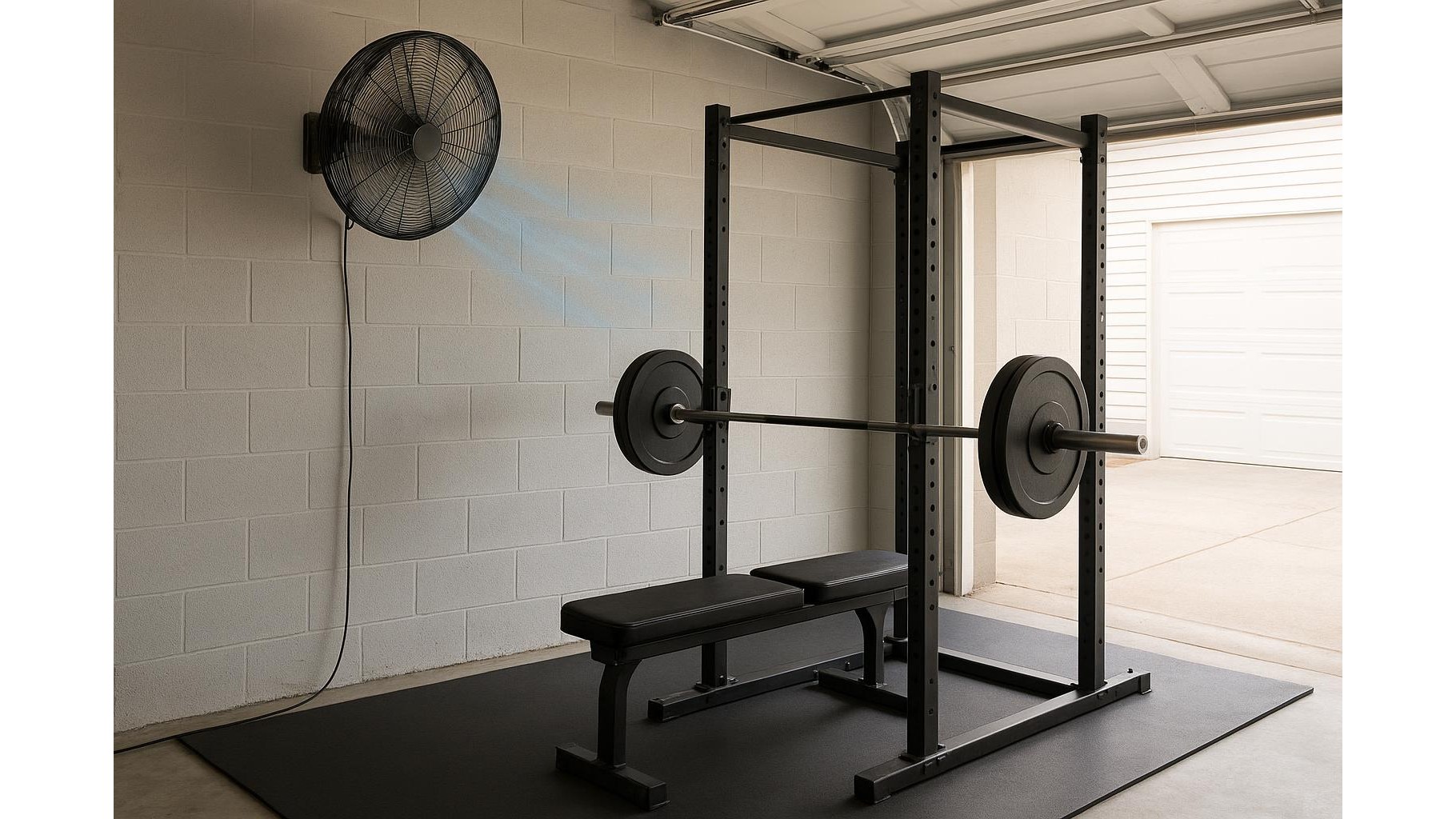
A wall-mounted fan is almost purpose-built for a compact home gym. Unlike pedestal or floor fans, it doesn’t steal valuable training footprint where you could place a squat rack, a bench or a sled track. Being elevated, it can push air across your entire workout zone, not just at ankle level, which is especially helpful for high-intensity interval training or long cardio sessions on the bike or rower. Wall units also tend to be more secure – there’s less risk of tripping over legs and cables – and they’re easier to keep clean because they sit above chalk, dust and sweat on the floor. For garage gyms, they’re a smart way to move hot, trapped air near the ceiling back down to you.
Key specs to compare: size, power and noise
Before you buy, focus on three core specs: fan size (diameter), airflow and noise level. For small rooms up to about 8–10 m², a compact fan around 14–16 inches is usually enough. Mid-size and larger gyms (12–20 m² and beyond) benefit from 18–20 inch models with higher airflow. Look for multiple speed settings so you can dial in a gentle breeze for mobility work or a strong blast for conditioning. Noise matters: powerful motors can be loud, so check user feedback for comments on hum or rattling, especially at top speed. For home gyms next to bedrooms or offices, a quieter fan that still moves air efficiently will keep the peace during early-morning or late-night sessions.
Oscillation, tilt and airflow direction
How the fan moves air is just as important as how much air it moves. A good wall-mounted fan should offer oscillation to sweep air across a broad section of the room, preventing hot spots around power racks or cardio machines. Adjustable tilt is crucial: you’ll want to angle the head slightly down towards your main training zone without blasting directly into your eyes when you bench or do overhead presses. Some athletes prefer to bounce air off a wall or ceiling for a softer, more diffuse breeze, which you can achieve by tilting the fan upwards and turning on oscillation. If you film your workouts, test the fan position to avoid wind noise on your mic or fluttering backdrops.
Safe mounting, positioning and cable management
Installing a wall-mounted fan in a home gym is mostly about safety and clearance. Mount it high enough that you can walk and press overhead without coming near the blades, but low enough that the airflow still reaches you during floor work. Use appropriate wall anchors or screws for your surface (brick, concrete, or stud-and-plaster) and follow the manufacturer’s weight and mounting instructions carefully. Keep the fan away from areas where plates are racked or barbells are re-racked to avoid accidental impacts. Route the power cable along the wall using cable clips or trunking so it never crosses a lifting path or stretching zone. If your home gym is in a damp basement or garage, be sure the plug and outlet are well away from any potential moisture.
Maintenance, cleaning and long-term performance
A wall-mounted fan in a home gym works hard: it deals with sweat, chalk dust and general training grime. To keep it performing well, plan simple but regular maintenance. Every few weeks, unplug the fan and wipe down the grill and blades with a damp cloth to remove dust build-up that can reduce airflow and increase noise. Periodically check that all mounting screws remain tight and that oscillation and tilt adjustments still move smoothly. If the fan has a removable grill, take advantage of this to give the blades a deeper clean. Avoid spraying cleaning fluids directly into the motor housing. A well-maintained wall-mounted fan will last longer, stay quieter and continue to keep your home gym cool through heavy training cycles.
A thoughtfully chosen wall-mounted fan can transform your training environment, keeping your home gym cool, safe and uncluttered. By matching fan size and power to your room, paying attention to noise levels and airflow controls, and mounting it securely with smart cable management, you create a more comfortable space that supports consistent, hard training. Add in basic maintenance and cleaning, and your fan will deliver reliable cooling for years, helping you focus on what matters most: progressing in your lifts and conditioning work.