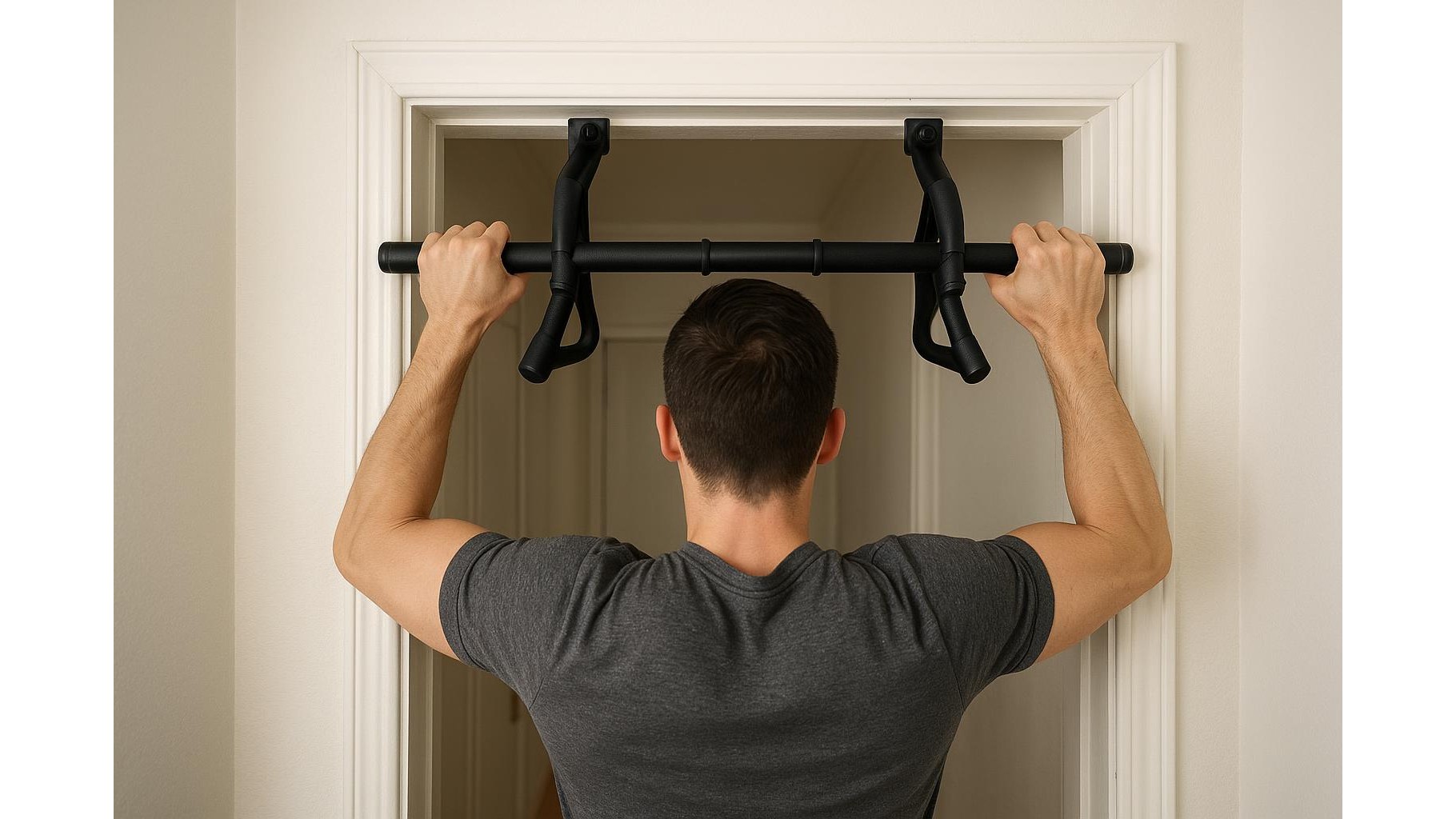
Upgrading a simple doorframe pull-up bar with a multi‑grip attachment can completely change how you train your back, biceps, and forearms in a small home gym. Instead of repeating the same overhand pull-ups, a good attachment lets you rotate through neutral, wide, and close grips, target different muscle fibres, and reduce stress on your shoulders. This guide explains how these add-ons affect your workouts, what to check for safety in rental homes, and which features really matter when you have limited space.
Why multi-grip attachments change your back and arm training
A standard straight bar limits you to one or two hand positions, which can quickly stall progress and overwork the same joints. A multi‑grip pull‑up attachment adds angled, neutral, and sometimes semi‑supinated handles so you can hit lats, rhomboids, and biceps from multiple angles. This variation makes it easier to program strength, hypertrophy, and endurance within the same compact setup. You can cycle sets of wide-grip pull-ups with neutral-grip chin-ups to manage elbow and shoulder stress, or use narrower grips to keep tension on the arms. Over time, this reduces plateaus and makes your pull-up bar a more complete upper-body training station for a home gym.
Key safety checks for doorframes and rental homes
Before adding any attachment to a doorframe bar, prioritise safety—especially in a rental. First, confirm your existing bar is rated for at least 100–120 kg and that the frame is solid wood or reinforced, not thin or cracked plasterboard. Avoid any accessory that requires permanent screws into the landlord’s frame; look for clamp‑on or wrap‑around designs with thick rubber pads to protect paint and wood. Check that the new attachment does not change the bar’s centre of gravity so much that it tips or slips when loaded. Test by performing a controlled dead hang a few centimetres off the floor before full reps. Finally, ensure there is adequate head clearance above the doorway so your skull or neck won’t hit the frame when you pull to the top.
Essential features in a multi-grip attachment for small spaces
In a compact home gym, the best multi‑grip accessory is the one you will actually leave on the bar. Prioritise attachments that are lightweight, easy to clip on and off, and slim enough that you can still close the door if needed. A textured or knurled surface, or at least a non‑slip coating, is crucial for sweaty hands so you don’t need bulky chalk or gloves. Look for several distinct hand positions—overhand, neutral, and slightly angled grips—without excessive width that sticks out into hallways. Rounded edges and soft-touch material help avoid bruises when you brush against the setup. Finally, check that the attachment is compatible with the diameter of your bar; many products specify a range (for instance 25–32 mm), and using the wrong size will lead to dangerous wobble.
How to match an attachment to your training goals
Your training goals should drive which handles you choose. If your focus is general strength and shoulder health, prioritise neutral and semi‑neutral grips that keep wrists and elbows in a joint‑friendly position. For hypertrophy and bodybuilding, an attachment that allows both wide and close grips lets you emphasise upper lats one day and lower lats or biceps on another. If you are a climber or calisthenics athlete, seek more technical handles that mimic rings or rock holds, helping you build grip variety in a small footprint. Those who struggle with elbow pain should look for angled grips that reduce straight‑bar stress, then introduce volume gradually. Think of your attachment as a tool to fill gaps in your current routine rather than a gadget you must use for every set.
Practical setup tips for stability and comfort
Even the best multi‑grip attachment will feel unsafe if it is poorly set up. Start by cleaning the pull-up bar surface so any clamp or strap can grip clean metal without dust or sweat. Fit the attachment in the centre of the bar, then tighten or adjust it until there is minimal movement when you pull sideways. Perform a short sequence of isometric holds at various hand positions to check for slipping or rotation. Use a small step or sturdy chair to get into position slowly, instead of jumping and shocking both the bar and the doorframe. For extra comfort, position the grips so your forearms are vertical at the top of the movement; this alignment reduces wrist strain and makes reps more efficient.
Making the most of a multi-grip attachment in a home gym
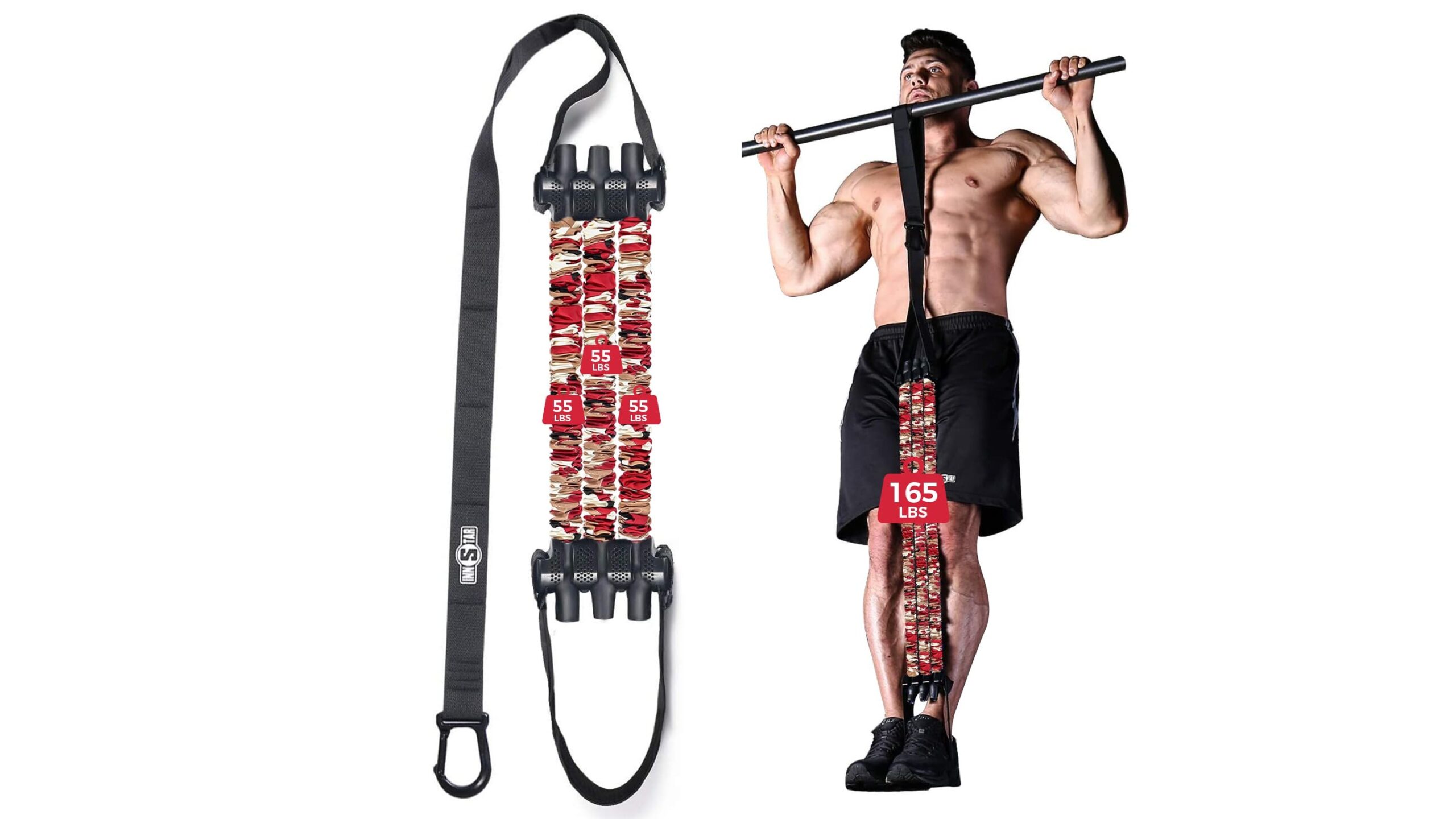
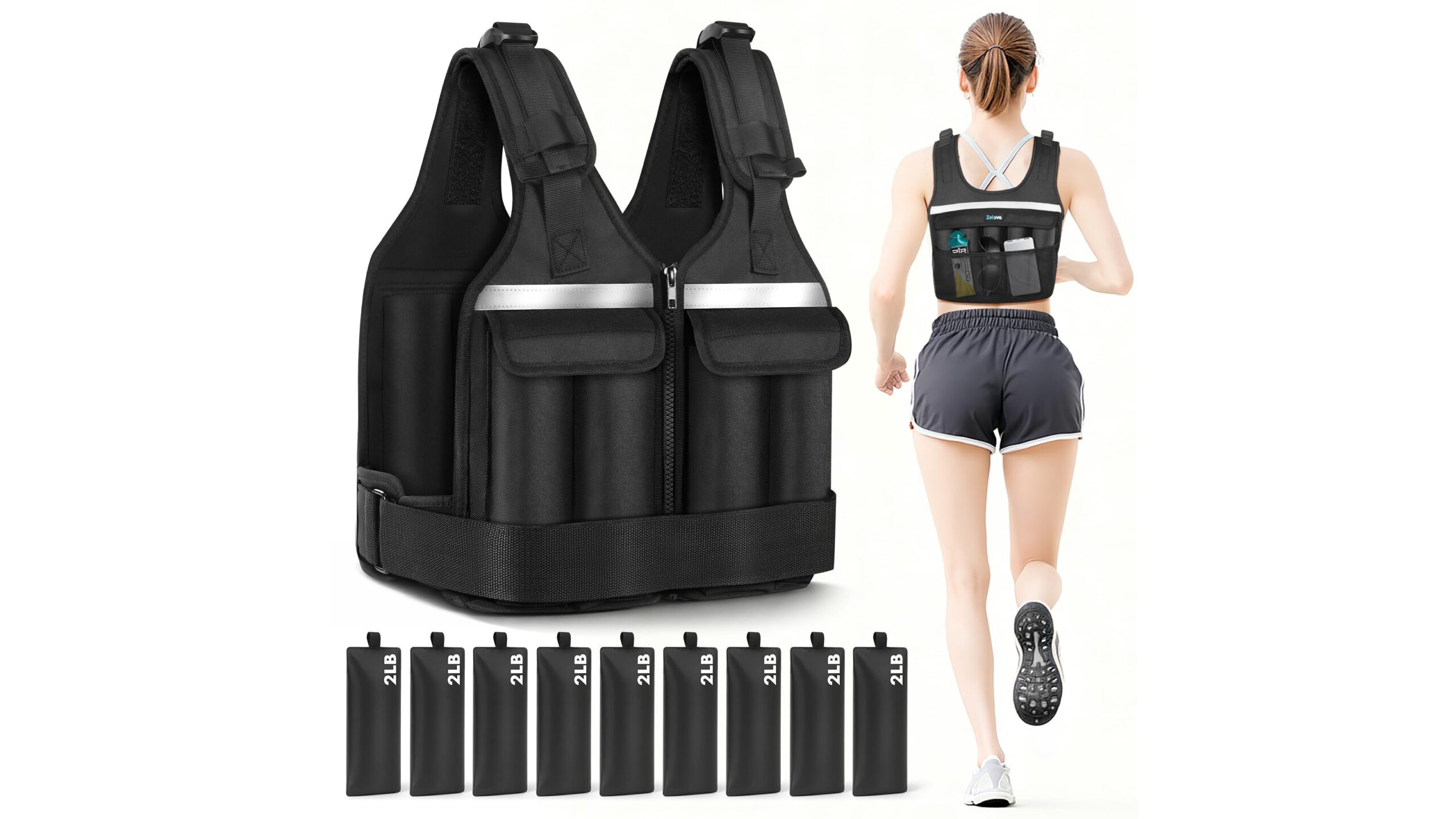
Once safely installed, integrate your multi‑grip doorframe setup into structured programs rather than random sets. Rotate grips across the week—wide on one day, neutral on another—to distribute joint stress and build more complete back development. Combine pull-ups with isometric holds at the top and slow negatives to maximise muscle stimulus without extra equipment. In a small home gym, pairing your attachment with a simple resistance band or light weighted vest can create years of progression, all while keeping your setup removable and landlord‑friendly. By focusing on load rating, doorframe safety, and practical features instead of flashy design, you’ll turn a basic bar into a versatile pull‑up station that fits neatly into everyday home life.