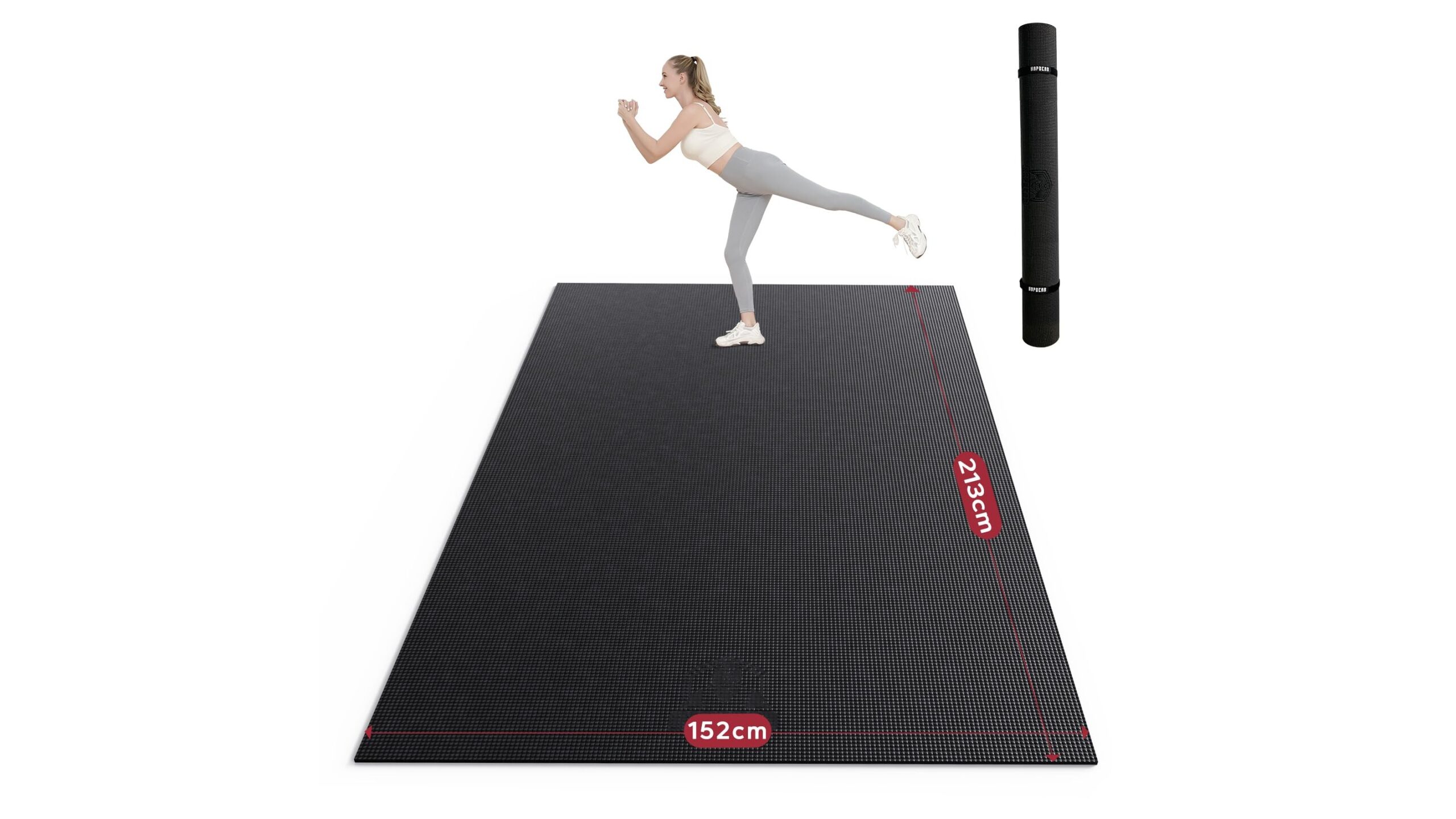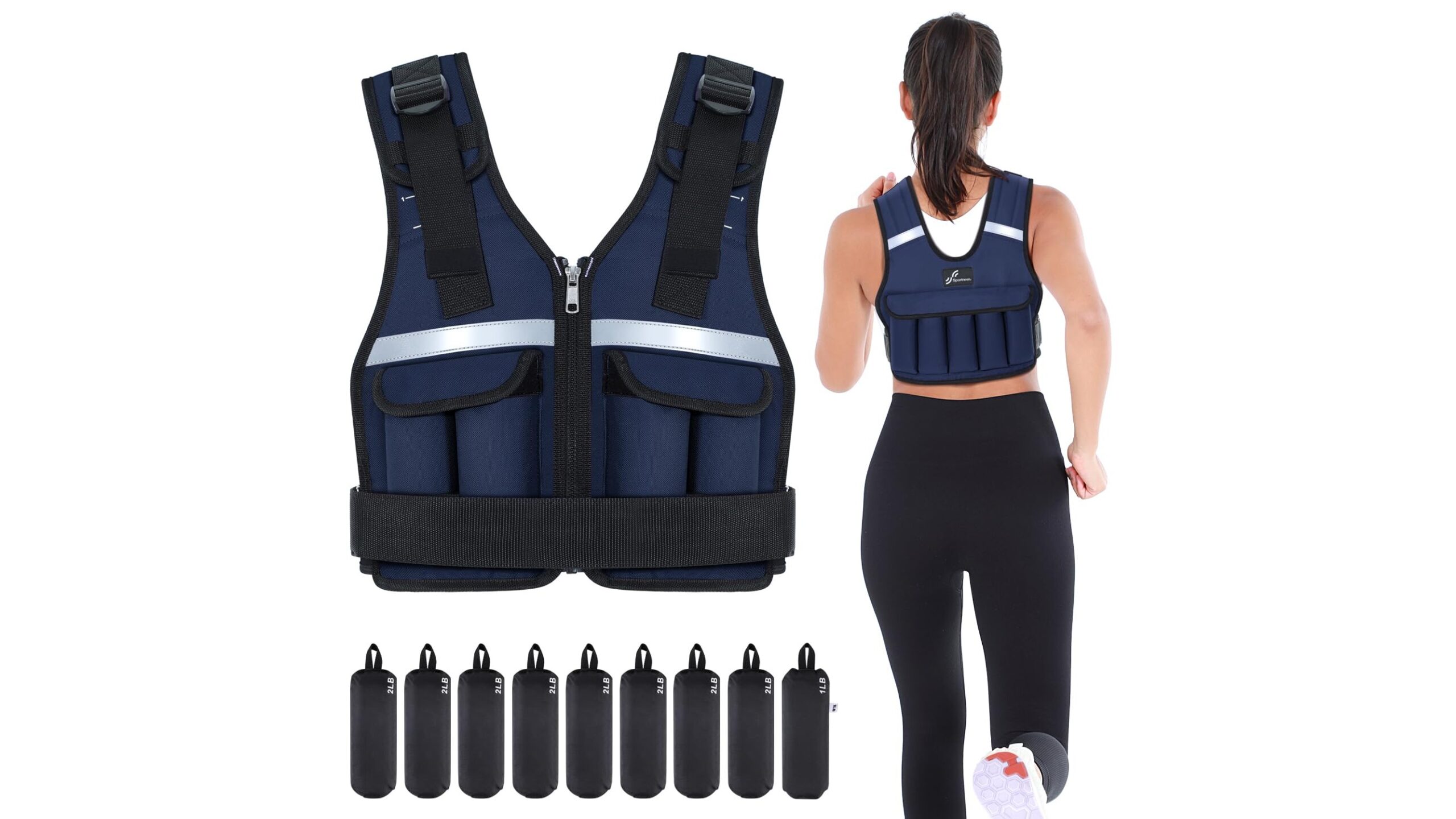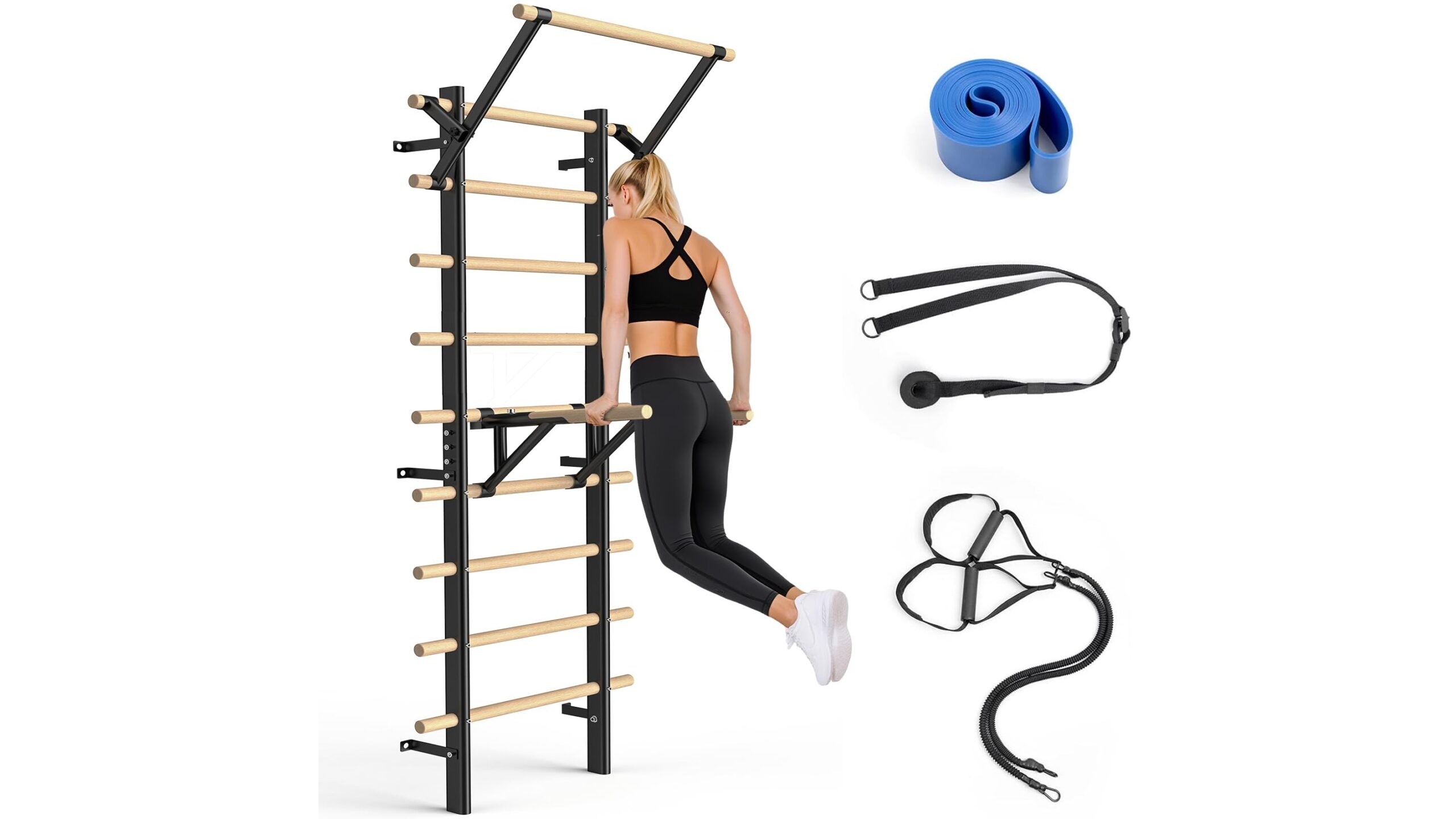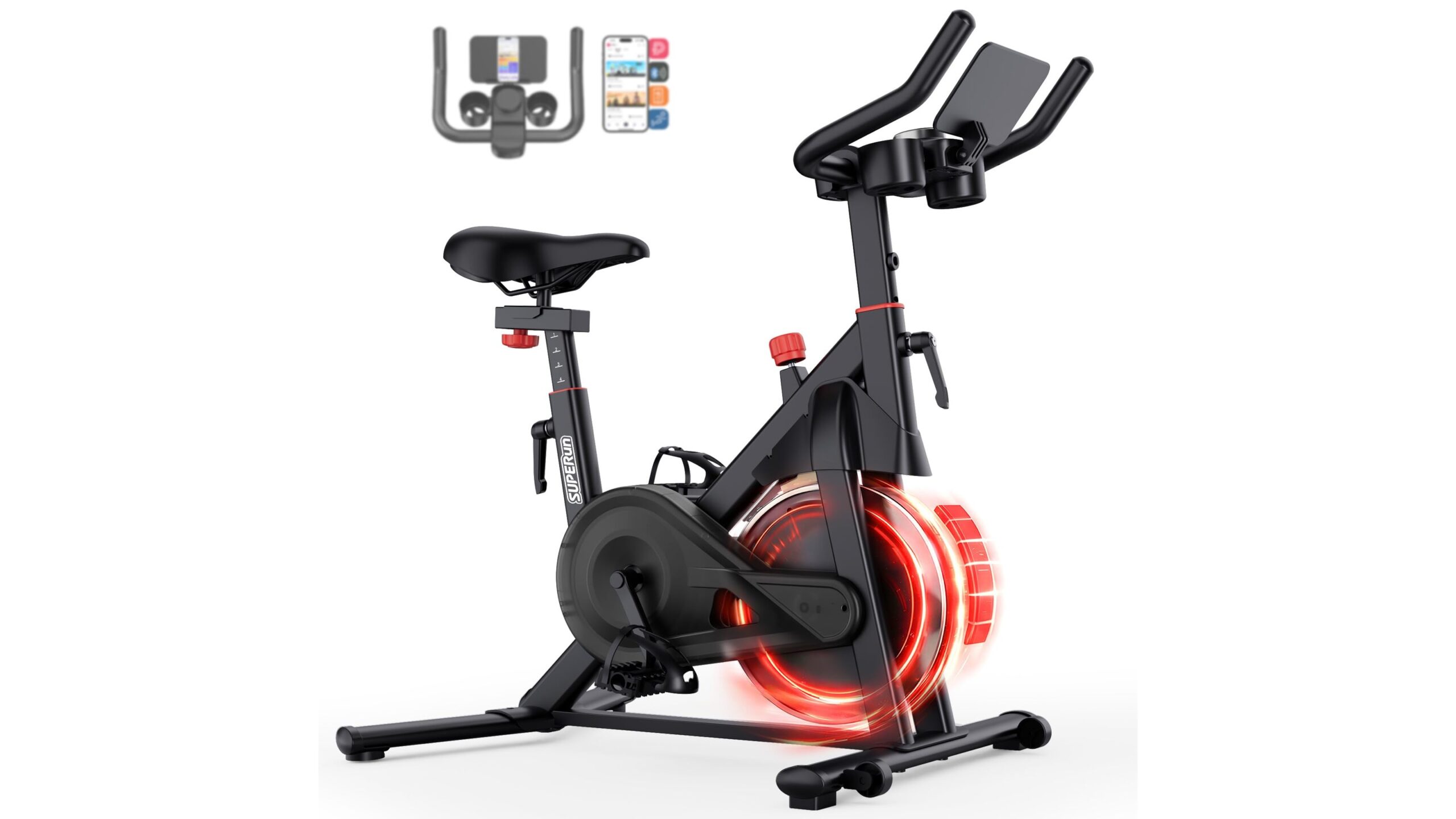
Building a home gym that can evolve over time means choosing storage solutions that scale with your equipment. A well-designed modular dumbbell rack keeps your space tidy, protects your weights, and makes workouts safer and more efficient. This guide explains how to assess weight capacity, footprint, safety features and expandability, with examples suitable for both beginners and more advanced lifters.
Table of contents
Understanding modular dumbbell racks
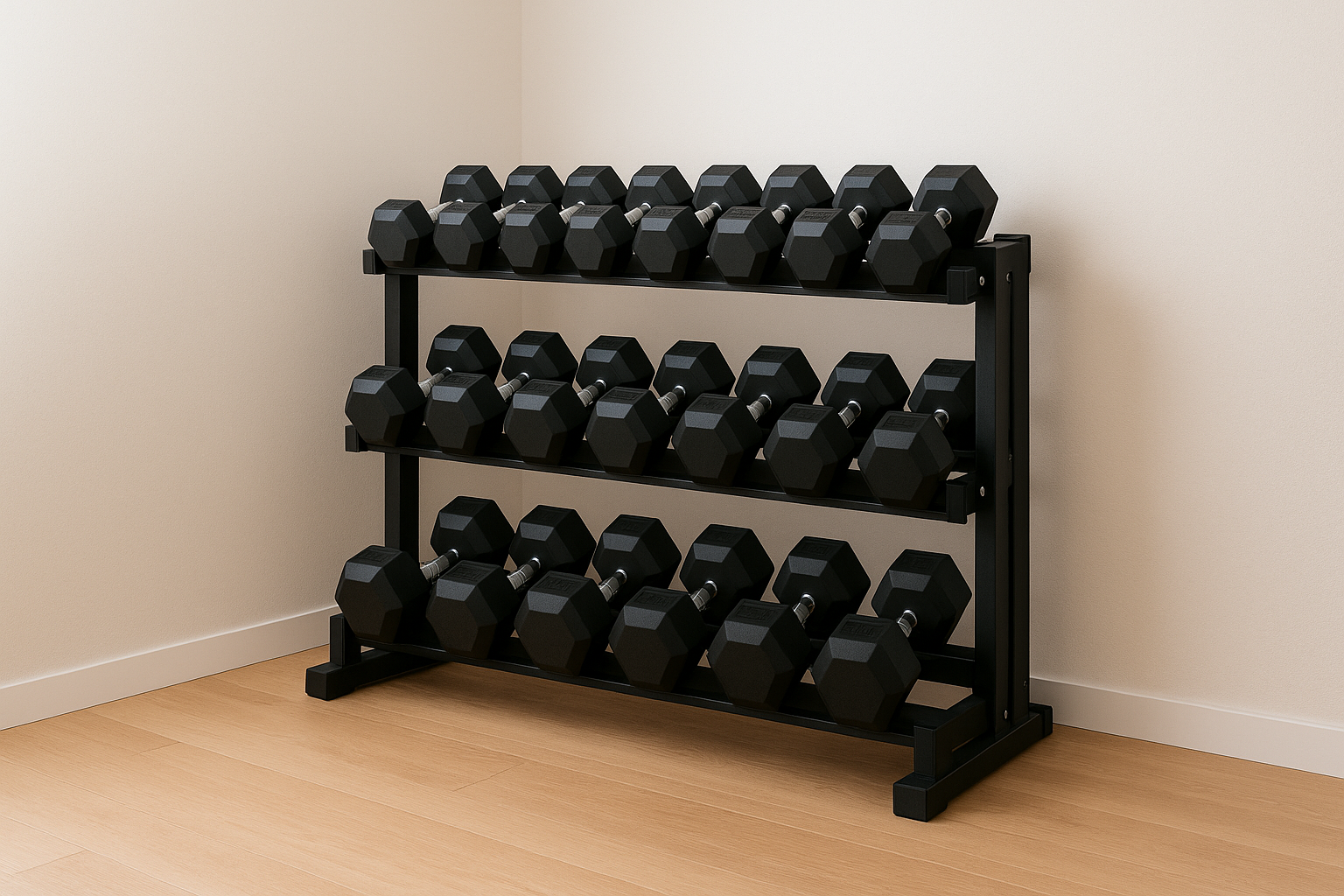
A modular dumbbell rack is built from stackable or connectable sections so you can start small and expand as your home gym grows. Compared with fixed three-tier racks, modular systems let you add tiers or extra bays later without replacing the whole unit. When you browse models like basic two- or three-tier steel racks on Amazon, look for designs where additional shelves or side units can be bolted on using existing frames and mounting points. This approach lets a beginner start with a compact rack for a single dumbbell set and later support a full run of pairs from 2.5 kg up to 30 kg or more, without wasting money or floor space.
Assessing weight capacity and stability
For both beginners and experienced lifters, weight capacity is the first specification to check. Add up the total weight of all your current and planned dumbbells, including future heavier pairs. A robust modular rack should be rated comfortably above that total, with each tier clearly rated for load. Look for thick, welded steel frames, wide feet, and cross-bracing for extra stiffness. Rubberised or angled shelves help keep dumbbells from rolling, which is especially important for hex and round-head designs. Even on compact racks marketed for smaller sets, prioritise stability over fancy styling: a stable rack with a wide base and quality hardware will feel solid when you re-rack heavy dumbbells and will reduce wobble, noise and long-term wear.
Footprint and space planning in a home gym
In a growing home gym, floor space is precious. Before choosing a modular dumbbell rack, measure the area where you plan to place it, considering door swing, windows and walking paths. Modular racks that can be extended horizontally are ideal for placing along a wall, while stackable vertical systems suit narrow spaces. Check the rack depth: you need enough room to step in, pick up dumbbells safely, and hinge at the hips without hitting other equipment. Many home gym owners underestimate how much space multiple tiers of dumbbells occupy, so plan for your “future” collection rather than just what you own today. Compact, tiered designs that can grow sideways or upwards help you contain clutter and keep the lifting zone clear.
Safety features for beginners and advanced lifters
A dumbbell rack can significantly improve training safety if designed well. Look for shelves with a slight angle to keep dumbbells secure and reduce the need to bend too far forward when picking them up. Rounded edges and protective end caps on the frame help prevent scrapes and damage to flooring. Non-slip feet or bolt-down options are useful if you plan to store heavy dumbbells of 30 kg or more. Good racks position the handles at hand height so you do not have to twist awkwardly under load, which is vital for advanced lifters handling heavier pairs. Beginners benefit from clear, staggered tiers where each dumbbell has a defined slot, making it easy to return weights correctly and avoid trip hazards.
Expandability and future-proof design
The main advantage of a modular rack is expandability. When you evaluate options, check whether the manufacturer offers add-on tiers, side extensions, or compatible accessory racks for kettlebells and medicine balls. A future-proof design uses consistent hole spacing and brackets, so new tiers bolt directly into the original uprights. This allows you to start with a small two-tier configuration and later create a continuous rack for a wide dumbbell range. Pay attention to how much extra weight each added module can safely support; expansion should not compromise overall stability. Choosing a system built from common steel tubing sizes and standard hardware also makes it easier to maintain and, if needed, customise over time.
Balancing budget, durability and versatility
For a home gym, the best modular dumbbell rack balances budget, durability and versatility. Cheaper racks may be fine for light rubber dumbbells up to 10–12 kg but can flex or feel unstable with heavier iron sets. Investing a little more in heavier-gauge steel, quality welds and a reputable brand pays off in longevity and safety. Consider how the rack fits with future equipment purchases: will it still work if you add adjustable dumbbells, kettlebells or specialty handles? Look for neutral, unobtrusive designs that integrate easily into different room layouts or potential moves. By planning for growth—choosing ample capacity, a smart footprint, strong safety features and true modular expandability—you create a dumbbell storage solution that supports both beginner progress and advanced training over the long term.