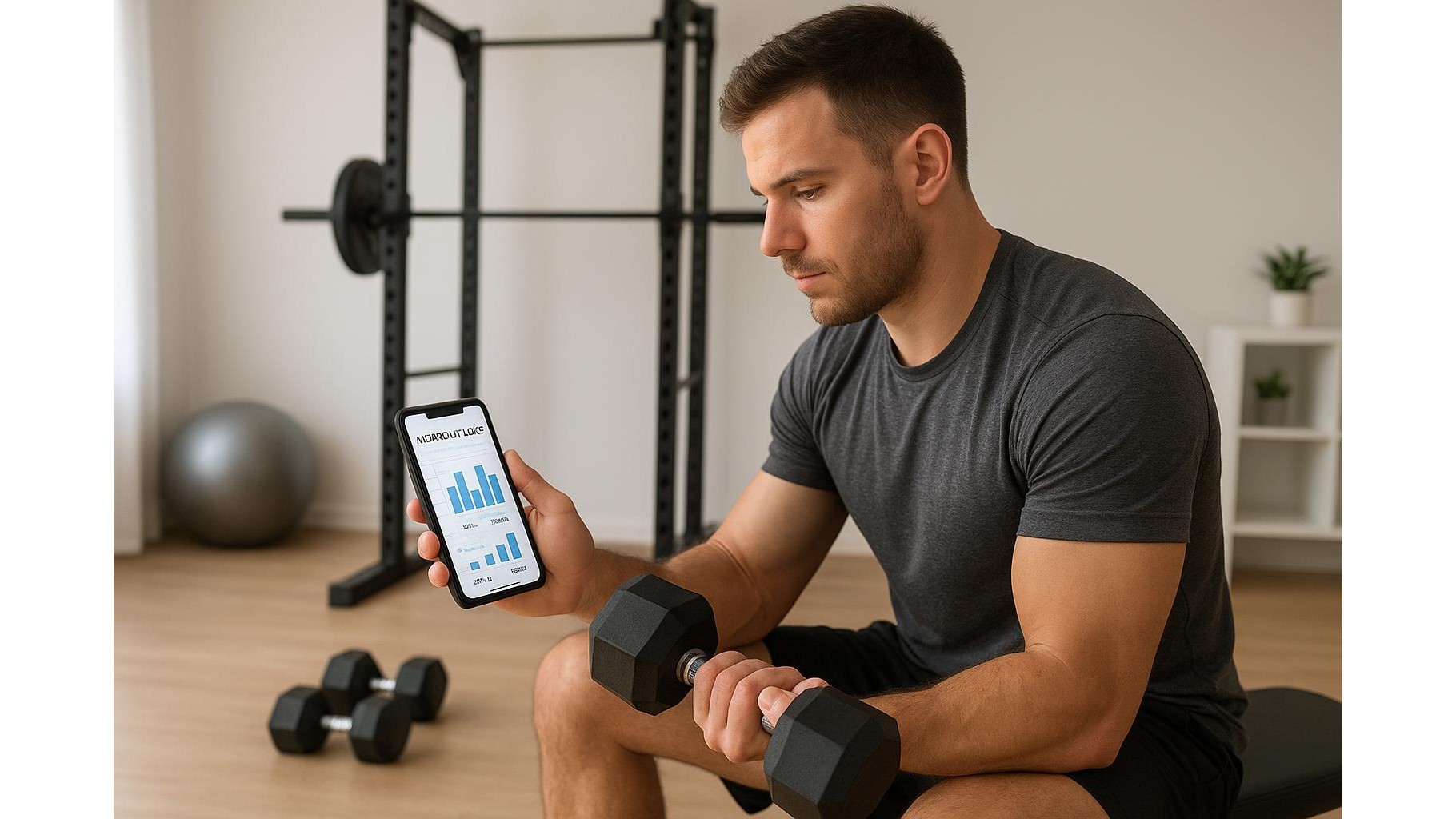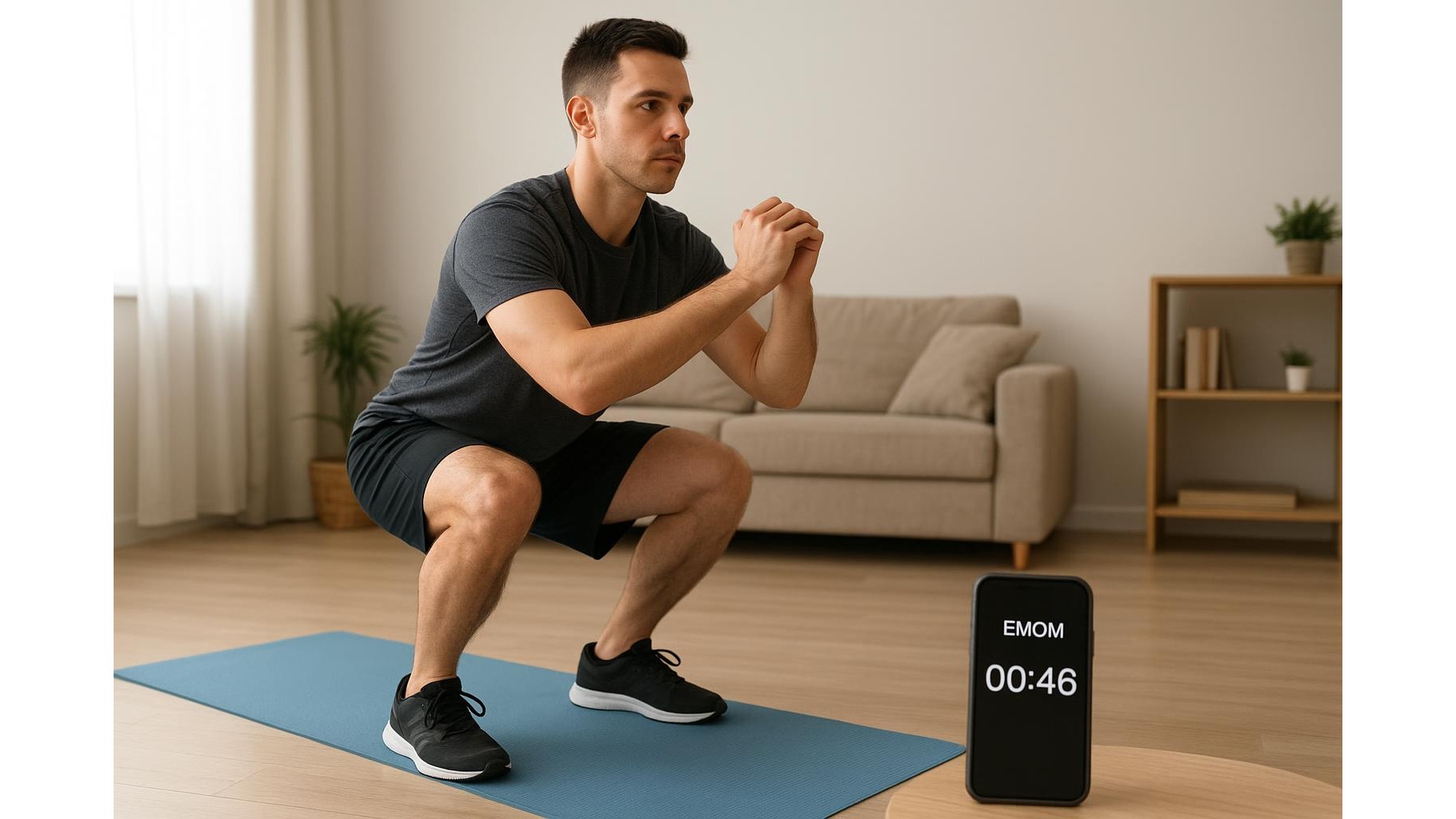
Setting up a home gym in a tight corner or spare room often means compromising on equipment size, but not on safety. A well-chosen squat stand with spotter arms lets you squat, bench and press heavy at home without needing a full power rack. The key is to balance footprint, stability and adjustability so you can train hard while keeping your space usable and safe.
Table of contents
Measure your space and ceiling height
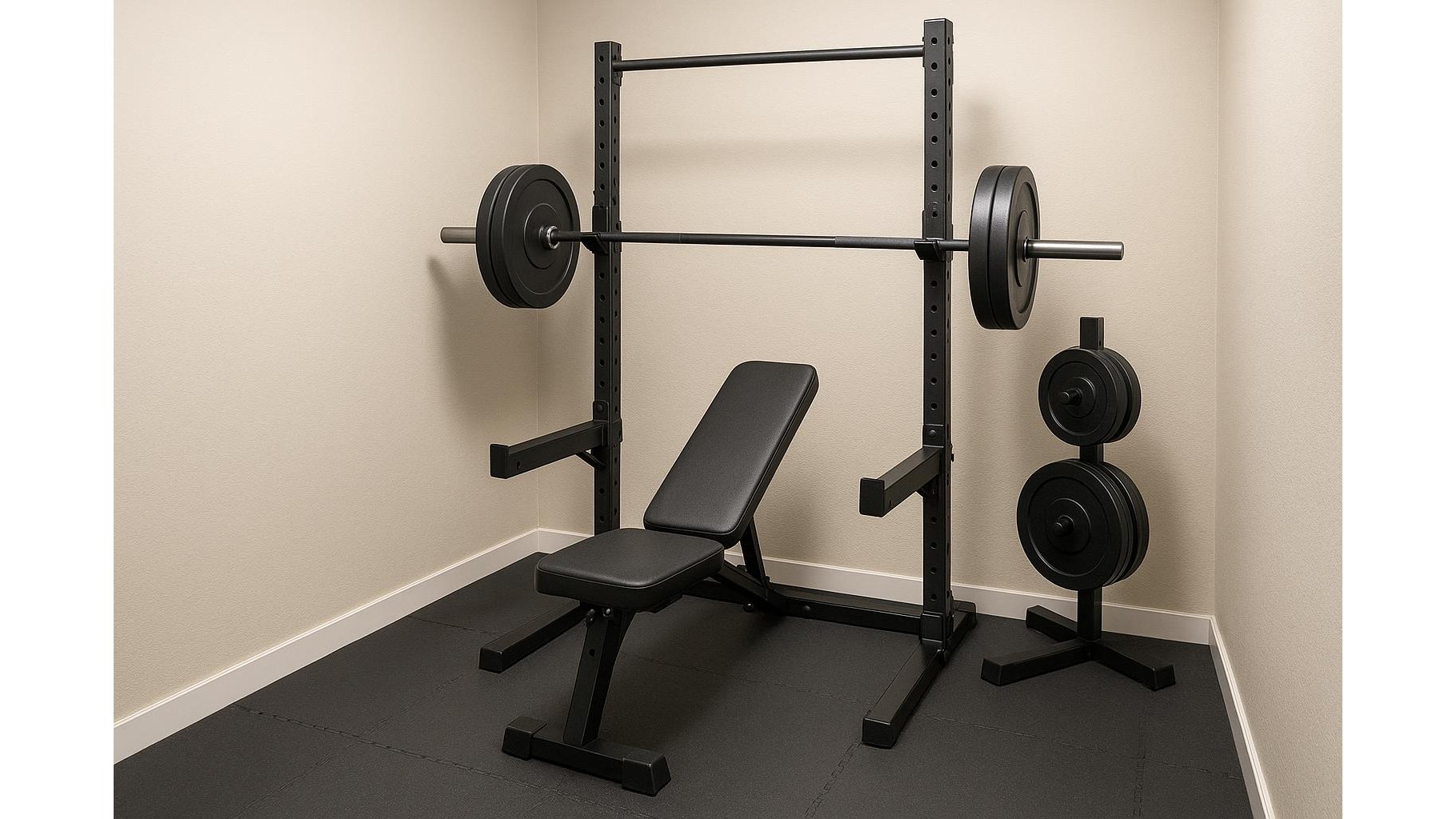
Before looking at models, map out your actual training area. Measure floor width and depth where the squat stand will live, and note your ceiling height. Compact stands are ideal for low ceilings, but they still need enough clearance for overhead presses and for loading plates comfortably. Leave room behind and to the sides so you can safely step back with the bar, and consider where a bench will sit when you’re flat or inclined pressing. In very small spaces, a stand with a narrow but stable base and integrated spotter arms can give you full heavy-lifting capability without the depth of a traditional rack.
Prioritise stability and weight capacity
For heavy lifting at home, stability is non‑negotiable. Look for a steel frame with a high stated weight capacity, thick uprights and a solid base design that resists wobble. Even in a compact footprint, the stand should feel rock solid when you re‑rack from a heavy squat. Check for options to bolt the stand to the floor or to add weight storage pegs that can double as ballast. This is especially important in small rooms where tipping or sliding could damage floors or walls. A stable stand with sturdy spotter arms lets you push close to failure in squats, bench and overhead press without relying on a human spotter.
Spotter arms and safety features
The main advantage of a squat stand with spotter arms over basic uprights is the extra layer of safety. Choose arms that are long enough to catch the bar if you fail at the bottom of a squat or miss a bench press, and made from thick steel with a high load rating. Look for easy height adjustment so you can fine‑tune the catch position for different lifts, and protective coverings or inserts that reduce bar knurling damage and noise. Additional features like J‑cups with plastic liners, secure locking pins and clearly marked height settings all contribute to safer solo lifting—especially important when you’re training heavy in a confined space without a full cage.
Adjustability for squats, bench and overhead work
To get full value from a compact stand, it needs to handle more than just back squats. Check that the upright height range and hole spacing allow comfortable setups for front squats, flat and incline bench press, and overhead press. Finer hole spacing makes it easier to dial in ideal racking and spotter arm heights, especially if more than one person will use the stand. Pairing your stand with an adjustable bench turns a small corner into a complete strength station, letting you perform rows, presses and accessory work without extra machines. In small rooms, this versatility means you can keep your equipment list short but your training options broad.
Footprint, storage and everyday usability
In a small home gym, how a squat stand lives in the room day‑to‑day matters as much as how it performs during sets. Consider the footprint with a barbell loaded—will you still be able to walk around the stand or open doors? Look for features like integrated plate storage pegs that keep discs off the floor and add stability, and designs that don’t block access to cupboards or windows. If your training area is multi‑use, prioritise stands that can be moved or re‑positioned without tools, while still locking solidly into place for lifting. Smart choices here keep your home gym tidy, reduce trip hazards and make it easier to stick to your training schedule.
Choosing the right home squat stand with spotter arms is about more than chasing the highest load rating. By carefully measuring your space, prioritising stability and safety, and making sure the stand can adapt to squats, benching and overhead work, you can build a compact but capable strength setup. In a small room, a well‑designed stand with robust spotter arms offers the confidence to train hard alone, protects your body and your home, and turns even a modest corner into a reliable platform for long‑term progress.