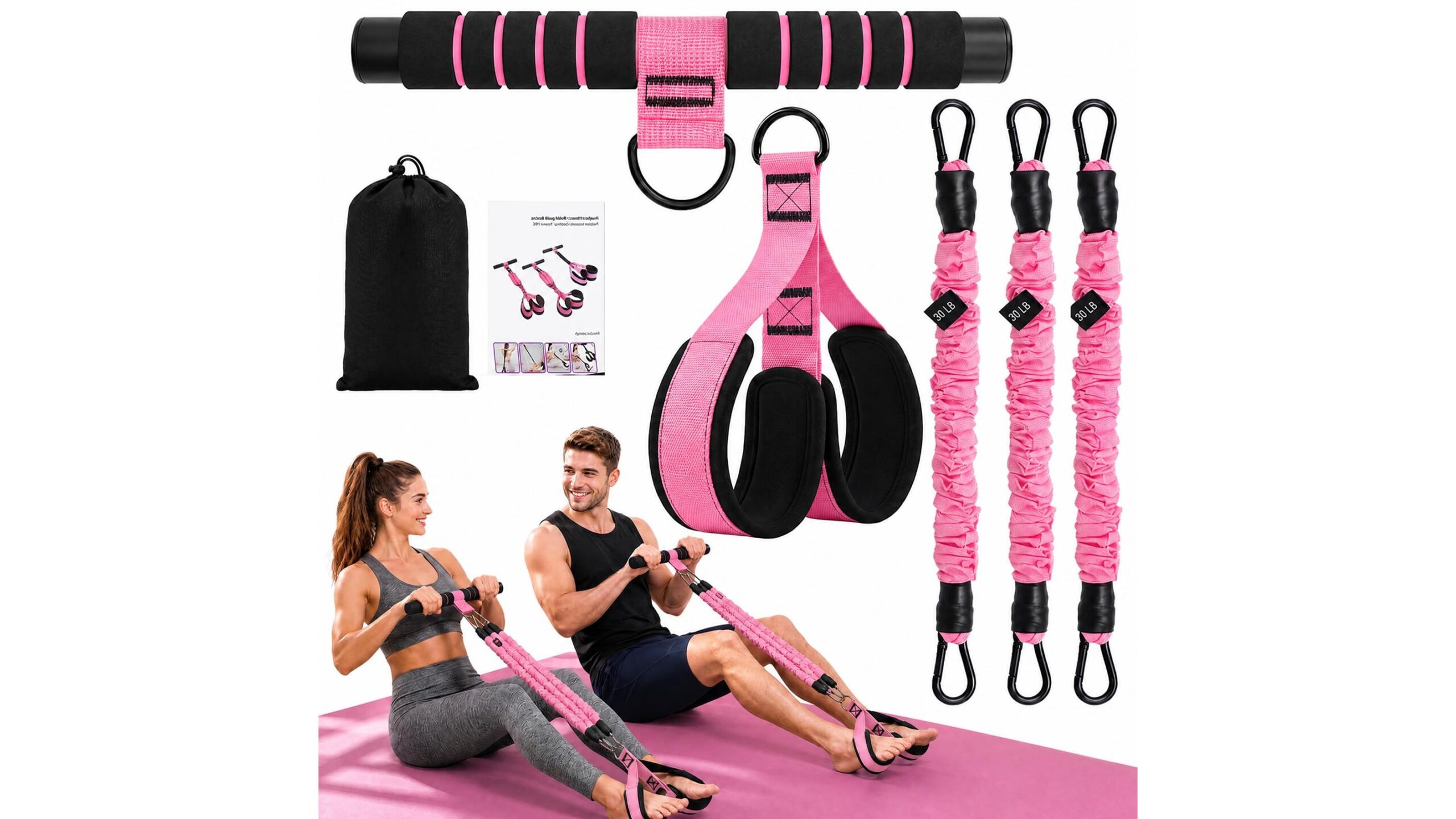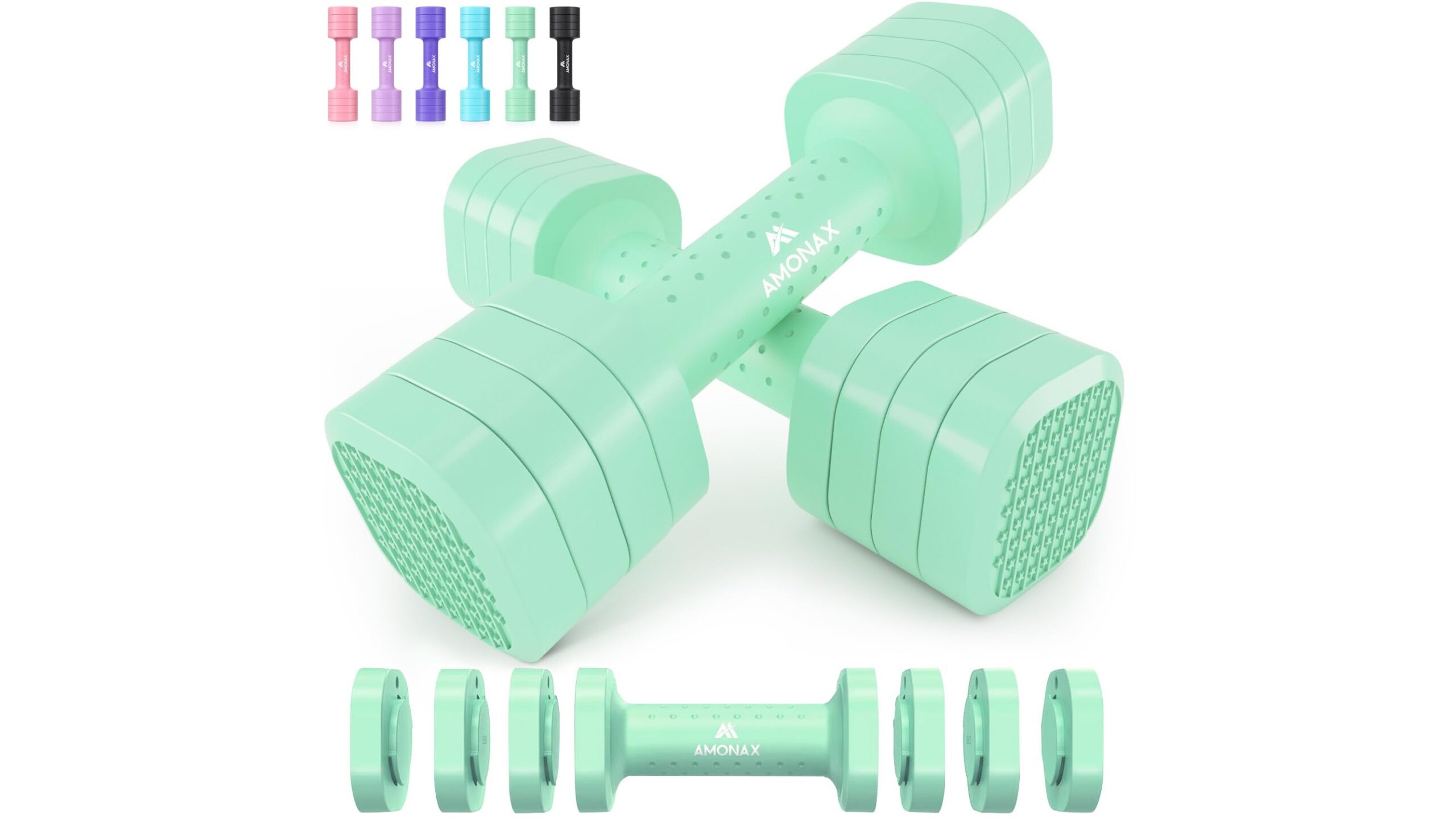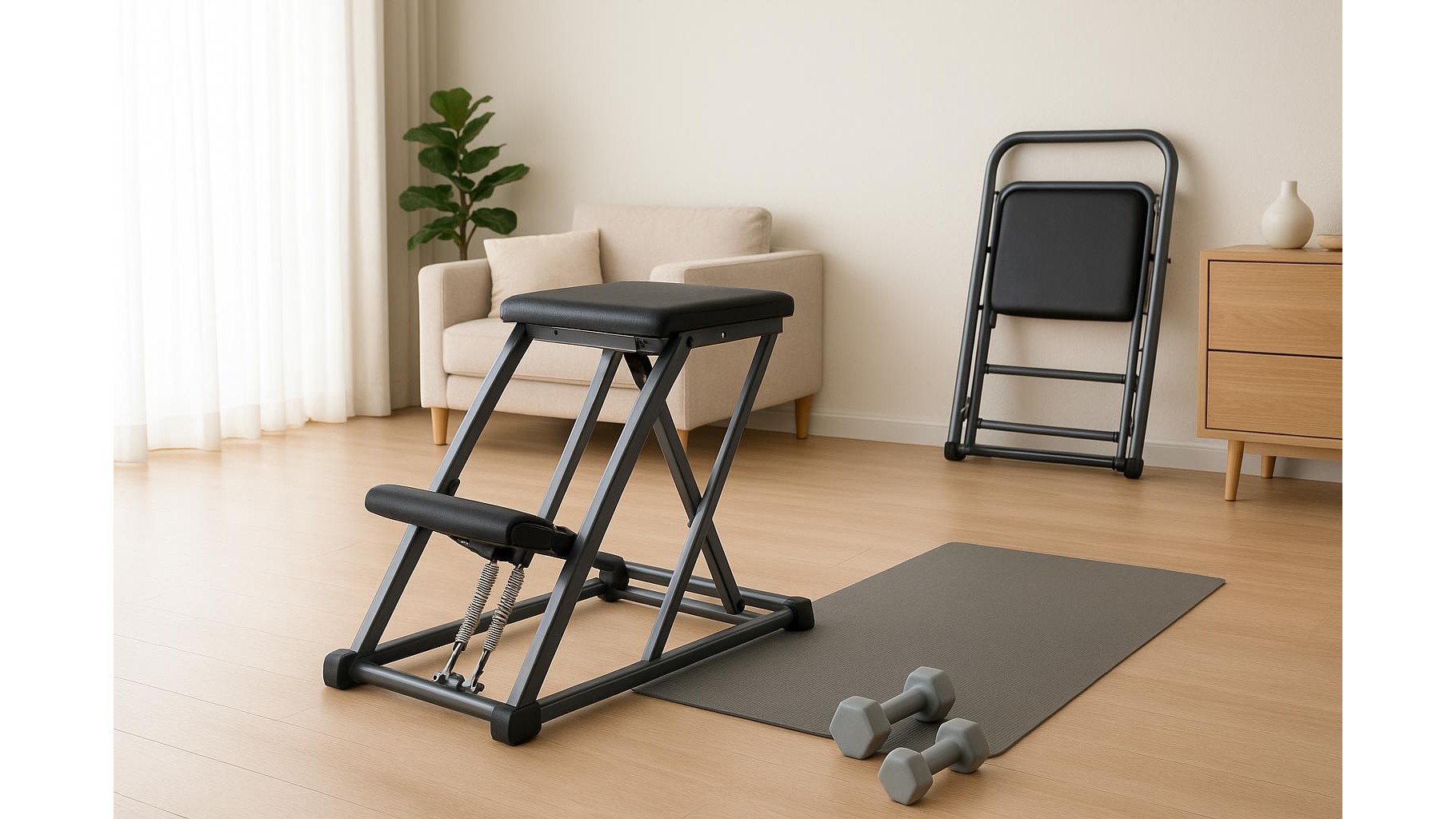
Choosing a foldable pilates chair for your home gym is all about balancing strength training, mobility work and limited floor space. This hybrid tool, inspired by the classic Pilates Wunda Chair, allows you to train legs, core, shoulders and back with controlled resistance while still folding away between sessions. Understanding key features like safety, adjustability, weight capacity and accessories helps you invest in a chair that genuinely earns its place in your living room or small studio.
Why a foldable pilates chair belongs in a compact home gym
A pilates chair is effectively a small, elevated platform with a pedal (or split pedals) and resistance springs. Unlike bulkier strength machines, a foldable pilates chair for home use focuses on multi‑joint, low‑impact movements that improve strength, balance and control without taking over your space. For home users who want more than yoga and resistance bands but less bulk than a reformer or power rack, a chair can be the missing link: strong enough for leg presses and step‑ups, subtle enough to slide into a corner when folded. Look for models marketed clearly as space‑saving or compact, with measurements that realistically fit your workout area.
Key safety features to prioritise before you buy
Safety should be your non‑negotiable when selecting a home pilates chair. Even if you’re experienced, you want a frame built from heavy‑duty steel or solid wood with a stable base that won’t rock during single‑leg work. Non‑slip rubber feet help protect floors and prevent sliding on hard surfaces. The pedal and hinges should move smoothly without wobble, and the locking or folding mechanism must feel secure when the chair is in use. For home setups, check that the upholstered seat has firm, dense padding for comfort in kneeling and seated positions. If you’re upgrading from budget fitness gear, it’s worth choosing a chair that clearly states it’s suitable for daily or professional‑style use, rather than a flimsy, “occasional use” gadget.
Adjustability and resistance: getting the most from your chair
One of the reasons a pilates chair can replace several pieces of strength equipment is its adjustable resistance. Most quality chairs use springs attached to the pedal, allowing you to vary tension to suit different exercises and ability levels. Look for multiple spring attachment points or different spring strengths, so you can fine‑tune resistance for upper body, core and leg work. Adjustable pedal height or a split‑pedal configuration adds even more versatility, supporting unilateral training and rehab‑style exercises. For home users sharing equipment, quick‑change adjustments are crucial: you should be able to modify spring settings in seconds, without tools, so your chair doesn’t become a chore to set up every time you train.
Weight capacity, dimensions and storage in small spaces
Because a foldable pilates chair is a weight‑bearing device, always check the stated maximum user weight. For most home users, a capacity of at least 120–150 kg offers enough margin for dynamic movements, loaded variations and long‑term durability. Next, study the dimensions both in use and when folded: measure your available floor space for lunges, step‑ups and arm work around the chair, not just the footprint of the base. A truly space‑efficient model will fold to a low profile that can slide under a bed, behind a sofa or into a wardrobe. Pay attention to overall weight too: heavy enough to feel rock‑solid when you’re pushing hard, but still manageable to tilt and roll if it includes integrated transport wheels.
Accessories and features that extend your training options
The right accessories can transform a basic chair into a complete home strength and mobility station. Some models include removable handles or a high back support to assist with balance and more advanced exercises, while others offer additional straps or resistance bands that clip onto the frame. Consider whether you want a chair that integrates with online workout platforms or comes with a library of guided sessions and exercise charts—this is especially valuable if you’re new to Pilates‑style training. A high‑quality, easy‑to‑wipe seat covering and durable hardware will also help your chair handle sweaty workouts and frequent adjustments without premature wear, making the investment more worthwhile over time.
How to match a foldable pilates chair to your goals
Before purchasing, clarify whether your priority is strength building, mobility and rehab, or a blend of both. If you’re focused on leg strength and plyometric‑style work, prioritise a chair with a robust frame, higher weight capacity and strong springs. If your emphasis is on gentle conditioning, core stability and posture, you might prefer softer resistance, supportive handles and a generous, comfortable seat. Think about how the chair fits with your existing home gym equipment: a foldable pilates chair can complement dumbbells and bands, offering vertical pushing and stepping patterns you can’t easily get elsewhere. When a model aligns with your goals, fits your body size and safely folds away, it becomes a powerful all‑in‑one tool rather than just another piece of clutter.
In summary, choosing the right foldable pilates chair for a space‑efficient home strength setup comes down to more than just aesthetics or price. Prioritise a solid construction with essential safety features, thoughtful adjustability, adequate weight capacity and smart accessories that support your training style. Measured against your available space and long‑term fitness goals, the right chair can deliver full‑body strength, mobility and balance work from a footprint small enough for almost any home.