Designing a shared home gym that works for both parents and teens is all about balancing safety, space and versatility. A foldable multi‑station home gym lets you combine strength training, rehab work and general fitness in one compact system that can be folded away when not in use. Understanding what to look for in terms of safety features, footprint, weight stacks and expansion options will help you choose a set‑up that keeps the whole family consistent and motivated.
Table of contents
Assessing family needs and training goals
Before browsing models, map out how your family will actually use a multi‑station home gym. Parents may prioritise full‑body strength and joint‑friendly movements, while teens might be more interested in sport performance and aesthetics. List primary goals such as muscle gain, weight loss, injury prevention or general fitness, and decide how many people will train in a typical week. This will influence the required resistance range, the variety of stations (lat pulldown, leg extension, chest press, low row, cable crossover) and whether you also need options for lighter loads suitable for younger or less experienced users. A good foldable system should offer progressive resistance, clear exercise labelling and smooth movement patterns so everyone, from beginners to experienced lifters, can train safely.
Footprint, folding mechanism and room layout
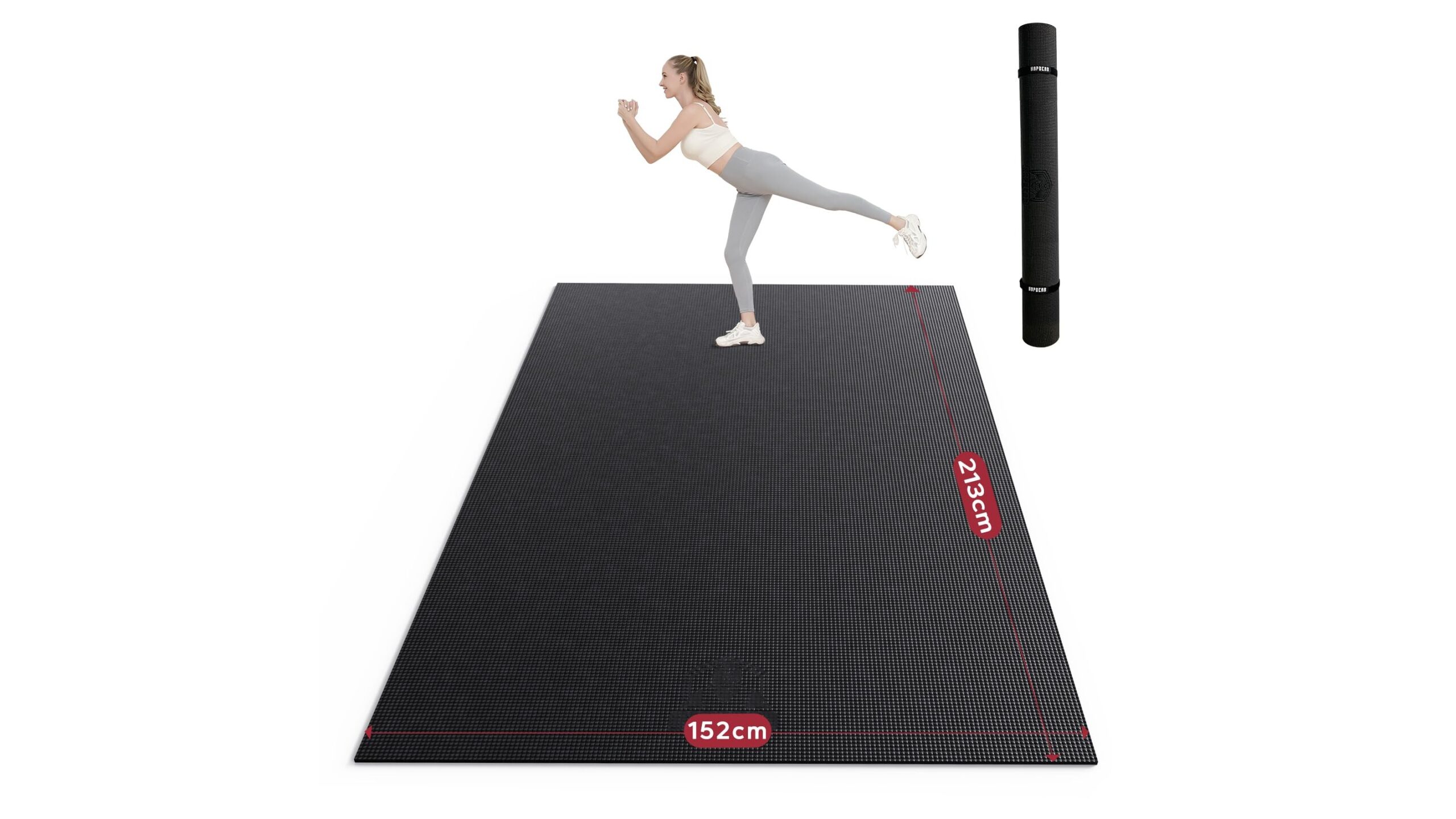
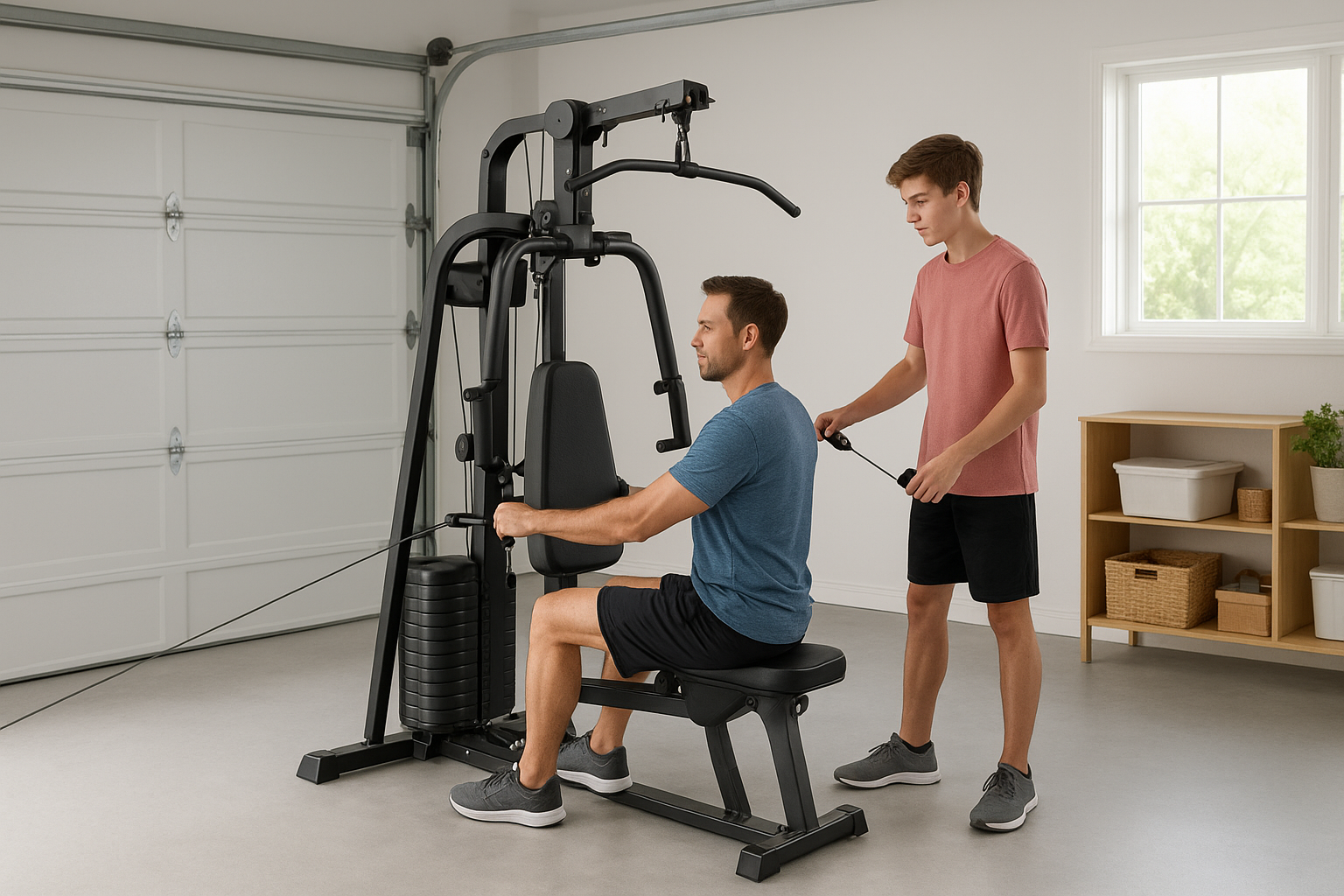
Space is often the main reason to choose a foldable multi‑gym. Measure your available area in three dimensions: floor footprint, ceiling height and clearance in front and to the sides of the machine for safe movement. Check both dimensions when the gym is in use and when it is folded. Some units fold vertically against a wall, while others slide or pivot into a slimmer profile. Look for a folding mechanism that is simple, requires minimal heavy lifting and has secure locking pins to prevent accidental unfolding. Consider access routes as well: the machine must fit through doors and stairs during delivery. If the gym will live in a shared room such as a living area or garage, think about noise and vibration and whether you need rubber flooring or mats to protect the floor and reduce sound when teens train early or late.
Safety features for parents and teens
Because your gym will be shared, safety is non‑negotiable. Prefer systems that use enclosed weight stacks rather than loose plates, as this prevents fingers being caught and makes changing resistance easier and more controlled. Check for clearly labelled weight increments and an easy‑to‑grip selector pin. Pulleys and cables should move smoothly without jerks, and any exposed edges should be rounded. Look for adjustable seats, backrests and pads so users of different heights can achieve joint‑friendly alignment. For teens, printed exercise diagrams and guidance placards are particularly helpful, as they encourage good form without constant supervision. A stable, wide base and the option to bolt the frame to the floor or wall can further reduce tipping risk, especially in busy family spaces.
Choosing the right weight stacks and resistance range
In a family environment, the ideal weight stack balances enough load for stronger adults with light enough settings for beginners and teens. Many foldable multi‑gyms offer stacks from 60 kg to 90 kg with mechanical advantage via pulleys; this may be plenty for general fitness, controlled hypertrophy and rehab work. If one or more users are already strong lifters, check whether the machine allows stack upgrades or the addition of plate‑loaded stations for heavier movements. Pay attention to the cable ratio (for example 2:1 or 4:1) since this changes how heavy the resistance feels at each handle. Smoothness matters as much as maximum weight: consistent tension throughout the range of motion makes lighter loads surprisingly effective and is kinder on growing joints, making the system more suitable for teens and older adults alike.
Stations, accessories and expansion options
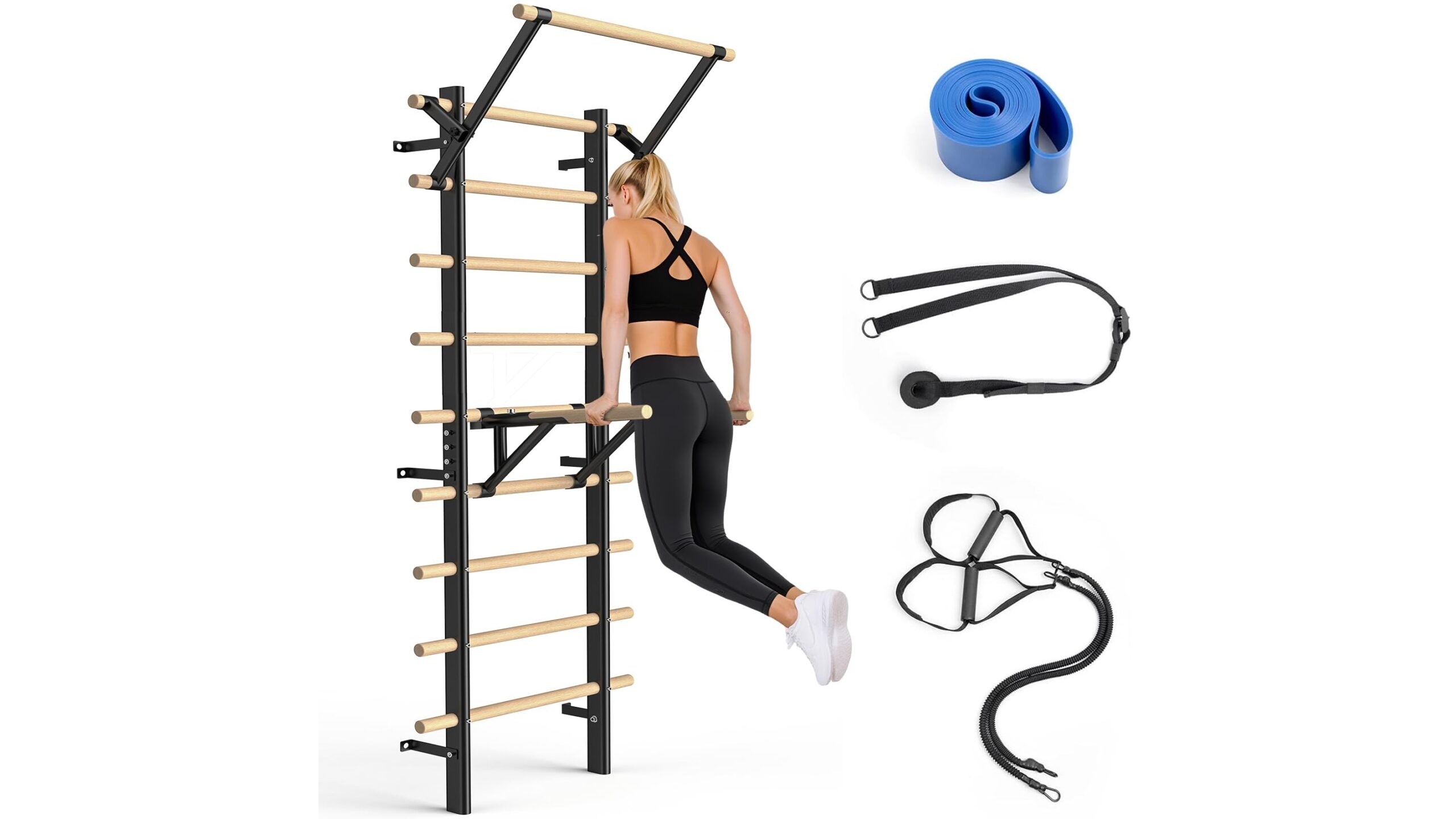
A good multi‑station home gym should cover all major movement patterns: pushing, pulling, hinging, squatting and core work. Common stations include chest press, lat pulldown, leg extension/curl and low row, while adjustable cable columns dramatically increase versatility for single‑arm work, rotation and functional exercises that suit athletes and teens. Assess included accessories such as lat bars, ankle straps, short handles and triceps ropes, and verify there are attachment points for adding more. Expansion options like an extra cable column, leg press plate or dip station can future‑proof your purchase if your family’s training volume grows. Finally, check the maximum user weight rating and any recommended maintenance schedule so the machine stays reliable over years of shared use.
Choosing the right foldable multi‑station home gym for family use comes down to matching your shared goals with a safe, compact and adaptable design. By carefully checking footprint and folding mechanisms, prioritising robust safety features, selecting appropriate weight stacks and ensuring a broad mix of stations and expansion options, you can create a home training hub that serves parents and teens equally well. Investing this time up front delivers a gym that encourages consistent, enjoyable workouts and supports your family’s health and performance for the long term.