Creating an effective home gym in a small space is all about choosing the right tools. A compact weighted bar set (often called a body-pump style barbell set) gives you everything you need for full-body workouts without filling your living room with bulky machines. In this guide we’ll walk through bar length, plate coatings, safety collars, how much weight you really need, and how to match a set to both your fitness level and your room size.
Why a compact weighted bar set is ideal for home use
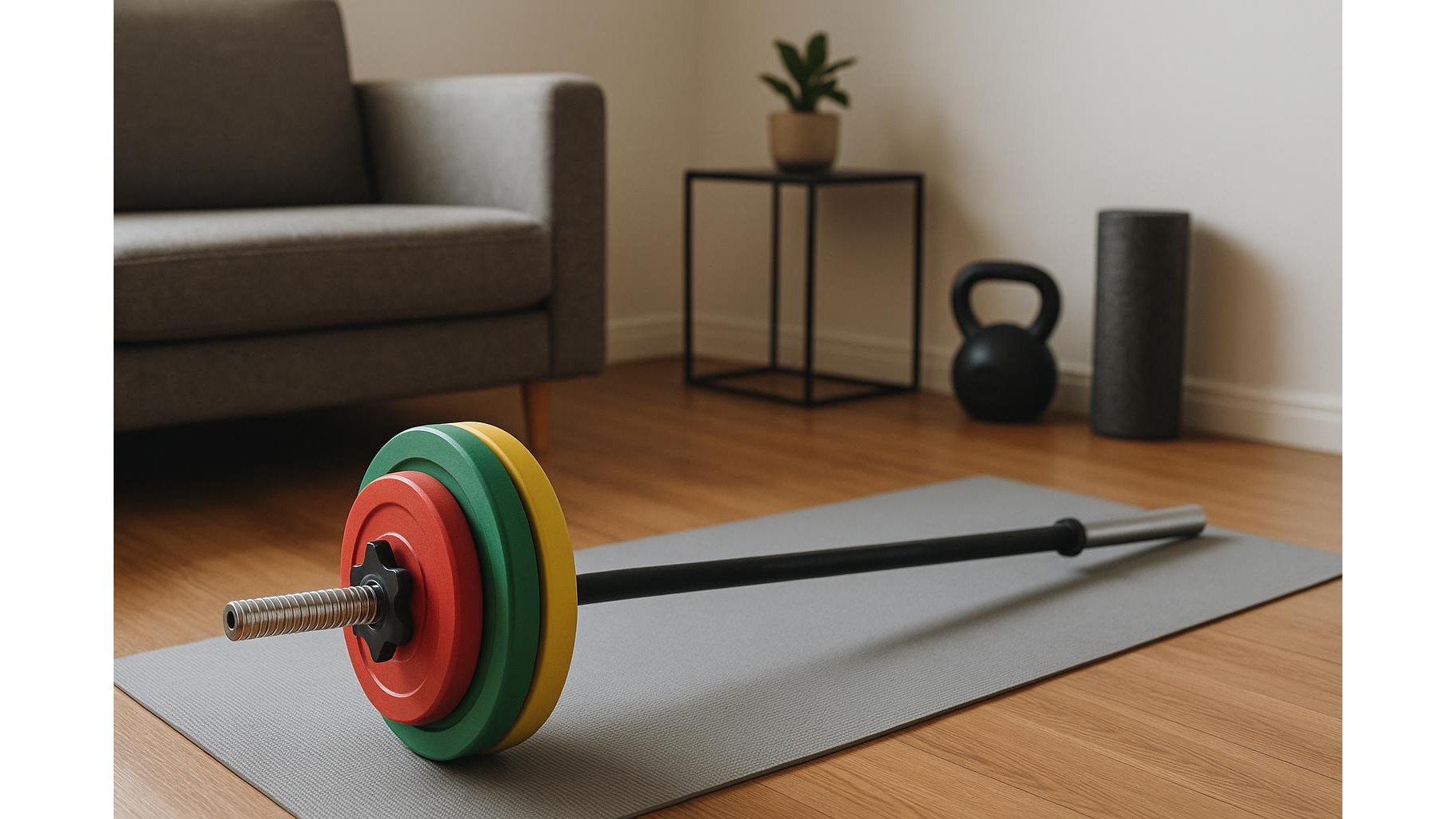
A compact barbell set is designed specifically for home workouts and group-style body pump training. Unlike a standard Olympic bar, these bars are lighter, shorter and easier to store under a bed or behind a sofa. You can switch quickly between lower- and upper-body movements such as squats, deadlifts, rows and presses using the same bar and plates. This versatility makes them perfect if you want full-body strength training with minimal equipment. When choosing, focus on sets that combine a manageable starting weight with enough plates to progress, rather than chasing the heaviest possible load from day one.
Choosing the right bar length and diameter for your space
For small rooms, the most important spec is bar length. A bar around 120–140 cm is usually ideal: long enough for comfortable shoulder-width grips, but short enough to avoid hitting walls during rows or overhead presses. Check the working grip width (the straight section between the collars) to ensure you can position your hands comfortably for both narrow and wide grips. Bar diameter also matters: a slightly padded, 30 mm bar is easier to hold during high-rep body pump sets, especially if you have smaller hands. Thicker, heavily knurled bars are better for max-strength work but can be uncomfortable in cardio-style classes, so opt for a smoother, fitness-focused design.
Plate materials and coatings: rubber, vinyl or bare metal?
The weight plates on compact sets usually come in three main finishes: rubber-coated, vinyl-coated, or bare metal. For apartment use, coated plates are strongly recommended. Rubber or vinyl plates reduce noise, protect your flooring and make the set more comfortable to handle during fast transitions. They’re also easier to wipe down after sweaty sessions. Bare metal plates are more compact and sometimes cheaper, but they can chip floors and are noisy when racked or dropped. Also look for clearly colour-coded or printed weight markings so you can grab the right pair quickly during timed circuits without breaking your workout flow.
Safety collars and ease of plate changes
On light, fast-paced body pump workouts, you may change weights several times in a single session. That’s why the collars that secure the plates are just as important as the bar. High-quality quick-release collars or spring clips allow you to slide plates on and off in seconds without tools. This is safer than loose or poorly designed clamps that can slip when you transition from squats to presses. Make sure the collars are compatible with the bar’s diameter (most fitness bars are around 30 mm, not Olympic 50 mm). A snug fit prevents plates from rattling or drifting during lunges and overhead moves, which is especially important if you train on a hard surface or share the space with neighbours below.
How much total weight do you need?
The right total load depends on your strength level and style of training. Beginners doing high-rep full-body sessions can often start with a set offering around 15–20 kg of plates plus the bar. Intermediate lifters or those aiming for progressive overload may want 30 kg or more available so they can gradually increase their squat and deadlift loads. Remember that for body pump style classes you rarely use your maximum possible weight; you’ll work with lighter loads for more reps and tempo variations. If you’re limited on storage, choose a compact set with smaller-diameter plates that stack neatly or fit into a corner, and consider adding a second pair of heavier plates later as you get stronger.
Matching your bar set to room size and workout style
Before you buy, measure your training area: you need enough clearance front, back and overhead for exercises like lunges, rows and presses. In a tight living room, a shorter bar with slim plates will move more freely without knocking into furniture. Think about your main training goal too. If you love choreographed, music-driven pump classes, prioritise a lighter bar, cushioned grip and quick plate changes. If you lean towards strength-focused programming, look for a set with a higher weight capacity and plates that can be upgraded over time. Either way, choose a design that’s quiet, floor-friendly and easy to store so your home gym setup supports your lifestyle instead of taking it over.
In summary, the best compact weighted bar set for full-body home workouts balances bar length, coated plates, secure collars and the right total weight for your fitness level. By matching the bar’s dimensions to your room, choosing quiet, floor-safe plates and ensuring you can safely increase the load as you get stronger, you’ll create a flexible home training system that fits both your body and your space.