Building a small home gym means making every centimetre count. Choosing a compact squat rack or half rack that fits your space, supports safe lifting and works with your existing barbell and bench is crucial. Below we break down footprint, safety features, load capacity and compatibility, using typical features of popular UK Amazon models like compact half racks and folding squat stands as reference points, so you can make a confident, informed choice.
Table of contents
Measure Your Space and Understand Footprint
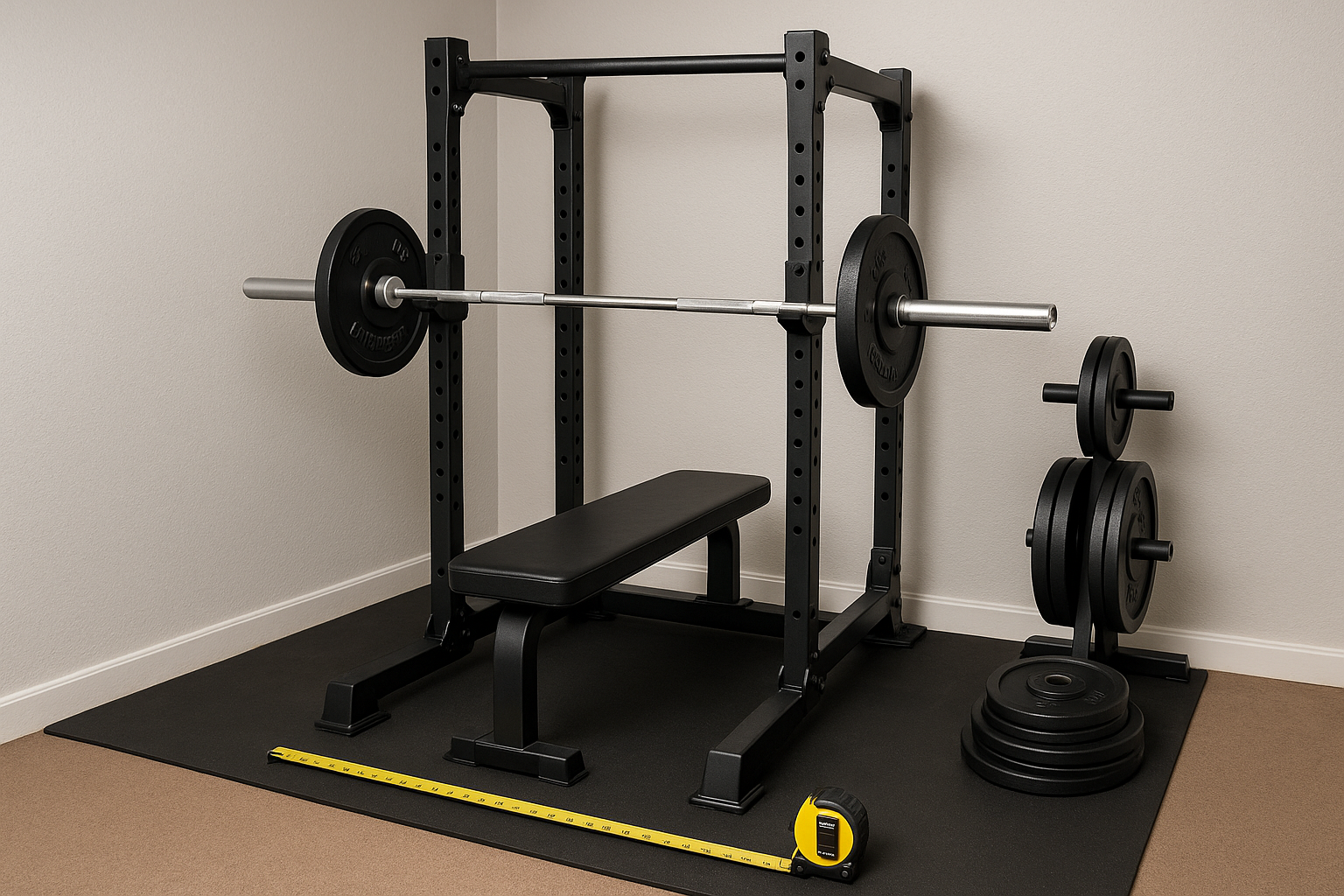
The first step is to measure your available training area: length, width and ceiling height. A compact squat rack or half rack usually has a smaller footprint than a full power rack, but dimensions still vary a lot. When you look at product listings such as a compact half rack or folding stand on Amazon.co.uk, note the overall width (to see if it fits your bar path near walls), depth (how far it projects into the room) and the height (important if you plan to do overhead presses or pull-ups). Leave extra clearance in front and behind the rack for unracking, lunging and safe use of a bench. In tight flats or garages, compact models with a depth under roughly 120 cm and options that can be moved or even folded against a wall can free up valuable floor space between workouts.
Evaluate Safety Features and Stability
Safety is non‑negotiable, especially when lifting alone at home. Look for safety spotters or safety arms that can catch the barbell during failed squats or presses. Many compact half racks marketed on Amazon UK include steel spotter arms with locking pins and non‑slip end caps; these are far safer than bare uprights with no backup. Check how the rack is stabilised: a wide base, cross‑bracing and the option to bolt the rack to the floor or wall will greatly improve stability. Some foldable or ultra‑light stands save space but trade away rigidity; these can wobble on heavy squats. When comparing models online, favour designs with thick steel uprights, strong welds, and user reviews that specifically praise the rack for feeling solid during heavy lifts.
Check Load Capacity and Steel Gauge
Even in a small home gym, you want a rack that can grow with your strength. Pay attention to the stated maximum load capacity for the J‑cups and the safety arms. Many compact racks list capacities ranging from around 200 kg to well over 350 kg. If you plan to progress beyond beginner loads, avoid anything with a very low rating. Product descriptions on Amazon typically mention steel gauge (for example 11‑ or 12‑gauge steel) and upright dimensions; thicker steel and larger uprights usually mean greater durability and less flex. Remember that load ratings are often optimistic marketing numbers – cross‑check with user feedback to see if the rack remains stable when close to its claimed limit. Over‑specifying slightly (choosing a rack stronger than you currently need) is a smart investment.
Ensure Compatibility with Barbells and Benches
For a versatile home gym, your compact squat rack or half rack must work smoothly with a standard Olympic barbell and a weight bench. Confirm that the rack is designed for a 7‑foot Olympic bar; very narrow or very wide stands can make racking awkward. Look at the J‑cup design: lined J‑cups protect your bar’s knurling and improve grip. If you intend to bench inside the rack, measure bench length and height, and compare with the rack’s inner width and depth to ensure you can position the bench without hitting the feet or cross‑members. Many compact racks on Amazon are advertised as “bench and squat” stations – in those cases, images and dimensions will show how a flat or adjustable bench fits. Good height adjustment increments also let you set ideal positions for squats, overhead press and bench press.
Plan for Accessories and Future Upgrades
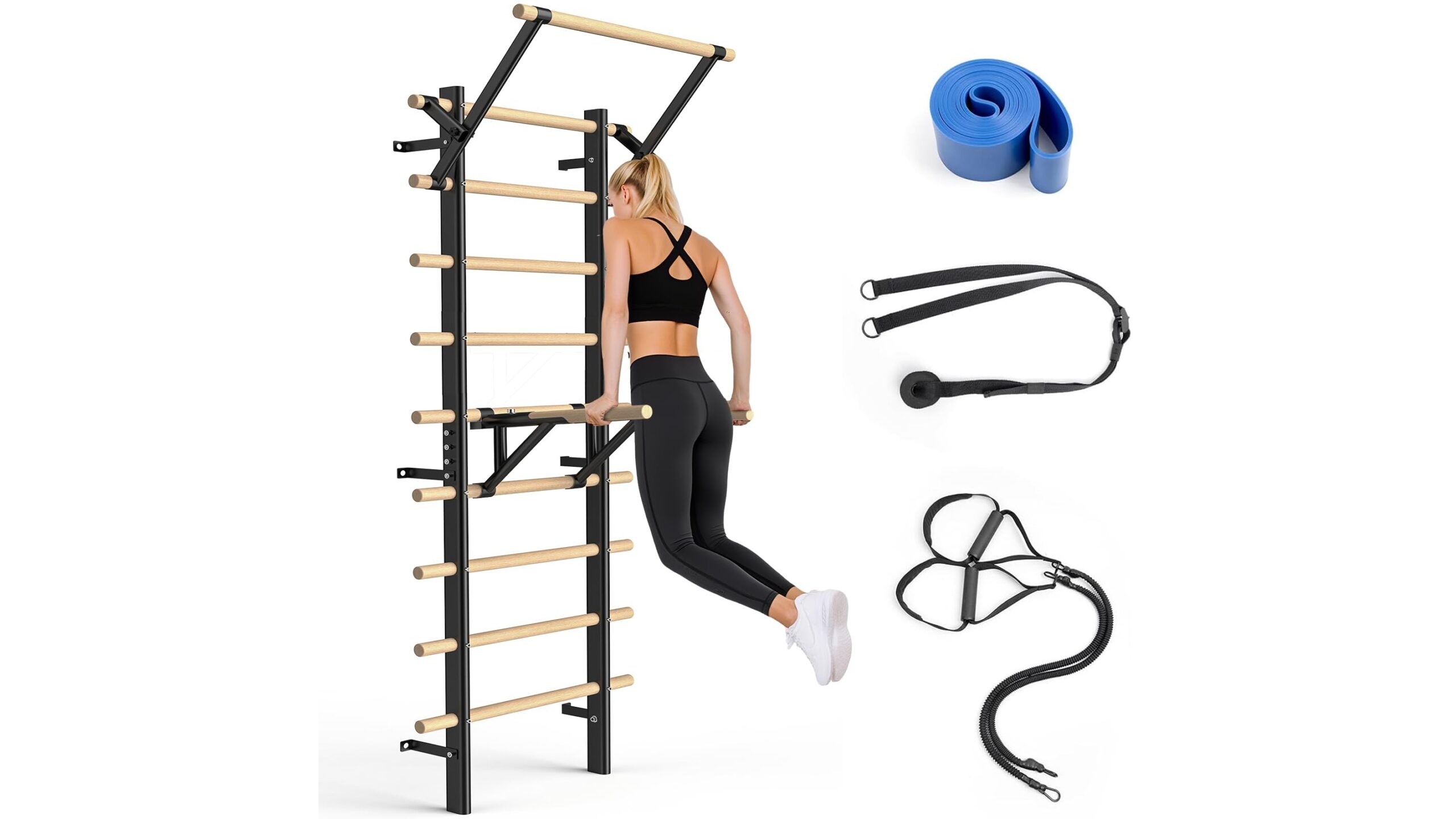
Even small racks can be surprisingly expandable. When choosing a compact half rack for a tight space, consider what add‑ons you may want later. Some popular models on Amazon.co.uk offer pull‑up bars, dip handles, landmine attachments or plate storage pegs that bolt onto the uprights. These features turn a simple squat station into a more complete home gym system without adding a second large machine. Check the rack’s hole spacing and diameter so you know which accessories will fit, and look at whether the brand sells matching attachments or if the rack uses a generic size. Planning ahead helps avoid buying a dead‑end product that can’t evolve with your training goals or available space over time.
Choosing the right compact squat rack or half rack for a small home gym comes down to balancing space, safety, strength and compatibility with your existing gear. Measure your room, compare footprints and load ratings, and make sure the rack works seamlessly with your barbell and bench. Prioritise strong safety features and a stable base so you can train confidently, and think about future attachments to keep your setup flexible. With a bit of planning and a careful look at specifications and reviews on Amazon UK, you can create a safe, efficient lifting corner that fits even the smallest home.