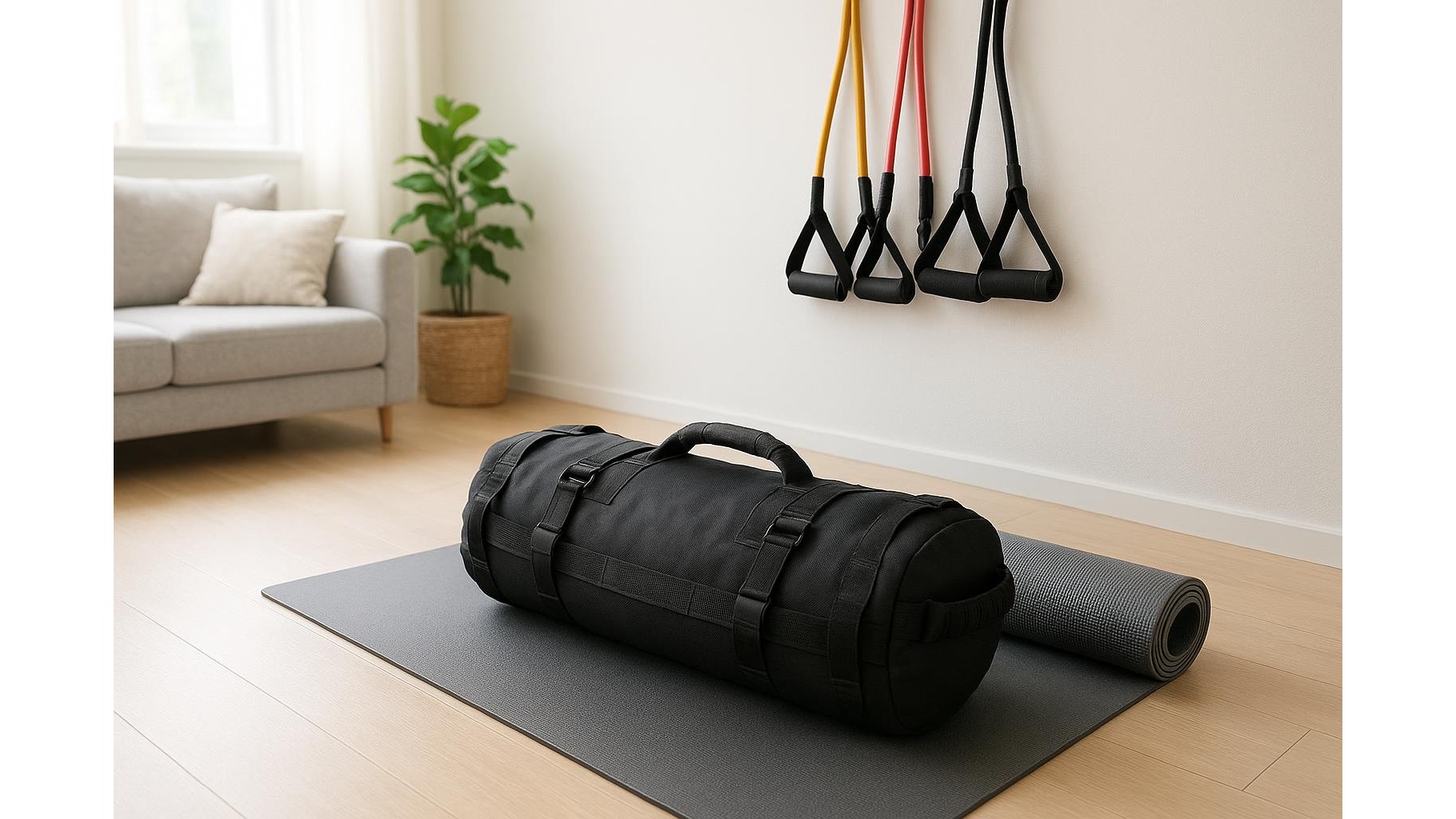
Building a versatile home gym in limited space is all about picking tools that deliver maximum functional strength training value with a minimal footprint. A well‑designed compact home gym sandbag set lets you push, pull, squat and carry through real‑world movement patterns without racks or machines. This guide walks you through capacity, handle design, filler options and how to match weight ranges to your current strength level and training area.
Why sandbags are perfect for compact home gyms
Unlike rigid dumbbells or barbells, training sandbags shift, slosh and change shape as you move. That instability forces your stabilisers and core to work harder, developing functional strength that carries over to sport and everyday tasks. A single adjustable sandbag set can replace multiple fixed weights, making it ideal for small flats or garage gyms. You can perform deadlifts, squats, presses, drags and carries without a rack, then stash the bag in a cupboard when you finish. For beginners and intermediate lifters, a compact kit is often the most space‑efficient way to cover full‑body strength and conditioning.
Choosing the right capacity and weight range
When selecting a compact sandbag set for home, start with capacity and weight range. For most people, a primary training bag that can be loaded to around 20–30 kg covers squats, lunges, rows and carries. Lighter trainees or those focused on conditioning might target a top end closer to 15–20 kg, while stronger users may eventually want 30 kg or more. Look for kits that include multiple internal filler bags so you can scale from very light (5–8 kg) up to your max without buying extra equipment. Matching the bag’s maximum load to your current strength helps you progress safely while keeping the overall footprint compact.
Handle layout and comfort for functional movements
Handle design makes or breaks a functional training sandbag. A good compact model offers several reinforced handles along the top and sides, allowing you to switch between presses, rows, cleans and carries without awkward gripping. Soft, padded handles minimise hand fatigue during longer conditioning sessions, while heavy‑duty stitching prevents tearing under load. If you plan to train a lot of rotational patterns or shouldering drills, prioritise bags with neutral‑grip side handles so you can move freely without straining your wrists. A smooth outer shell also helps prevent chafing against your forearms and shoulders.
Filler options, leakage and home‑friendly materials
For home use, filler choice is crucial. Many fitness sandbag sets use standard sand filler bags, which are dense and cost‑effective but can leak if seams are poor. Look for double‑zippered, Velcro‑sealed inner bags and a tough outer shell to keep dust off your floors. Some users swap sand for rubber crumb or similar alternatives, trading a little density for cleaner handling and less mess. The outer shell should be made from a durable, wipe‑clean material so you can quickly tidy up after sweaty sessions, especially if you train in a living room or shared space. Compact designs that stay relatively short and tight when loaded are easier to manage indoors than long, floppy bags.
Matching your sandbag set to space and training style
Before you buy, map your available workout space. In a narrow corridor or bedroom corner, you’ll prioritise shorter bags that won’t bang into furniture during swings and cleans. If you love high‑intensity circuits and carries, ensure there’s a clear strip of floor for lunges and farmer’s walks. A single adjustable sandbag plus a couple of lighter filler bags can cover strength, power and conditioning without extra plates or kettlebells. Consider how you like to train: slower, heavier lifts demand a sturdier shell and higher max load, while fast circuits benefit from quick‑grip handles and weights in the 10–20 kg range.
Choosing a compact home gym sandbag set comes down to balancing weight capacity, handle comfort, filler design and your real‑world training space. Pick a kit with adjustable internal bags so you can grow from light technique work to challenging full‑body sessions, and prioritise durable, home‑friendly materials that resist leaks. With the right sandbag in your corner, you can build serious functional strength, conditioning and core stability in even the smallest home gym.