Setting up your first barbell-based home gym in a small flat or spare room can feel overwhelming, especially when floor space is tight. A compact foldable squat stand is often the smartest starting point: it lets you squat, press and bench safely, then folds away when you’re done. This guide walks you through what to look for in a beginner-friendly stand, how to read dimensions and weight ratings, and which features are worth paying for now so you can upgrade your setup over time.
Table of contents
Why a compact foldable squat stand is ideal for beginners
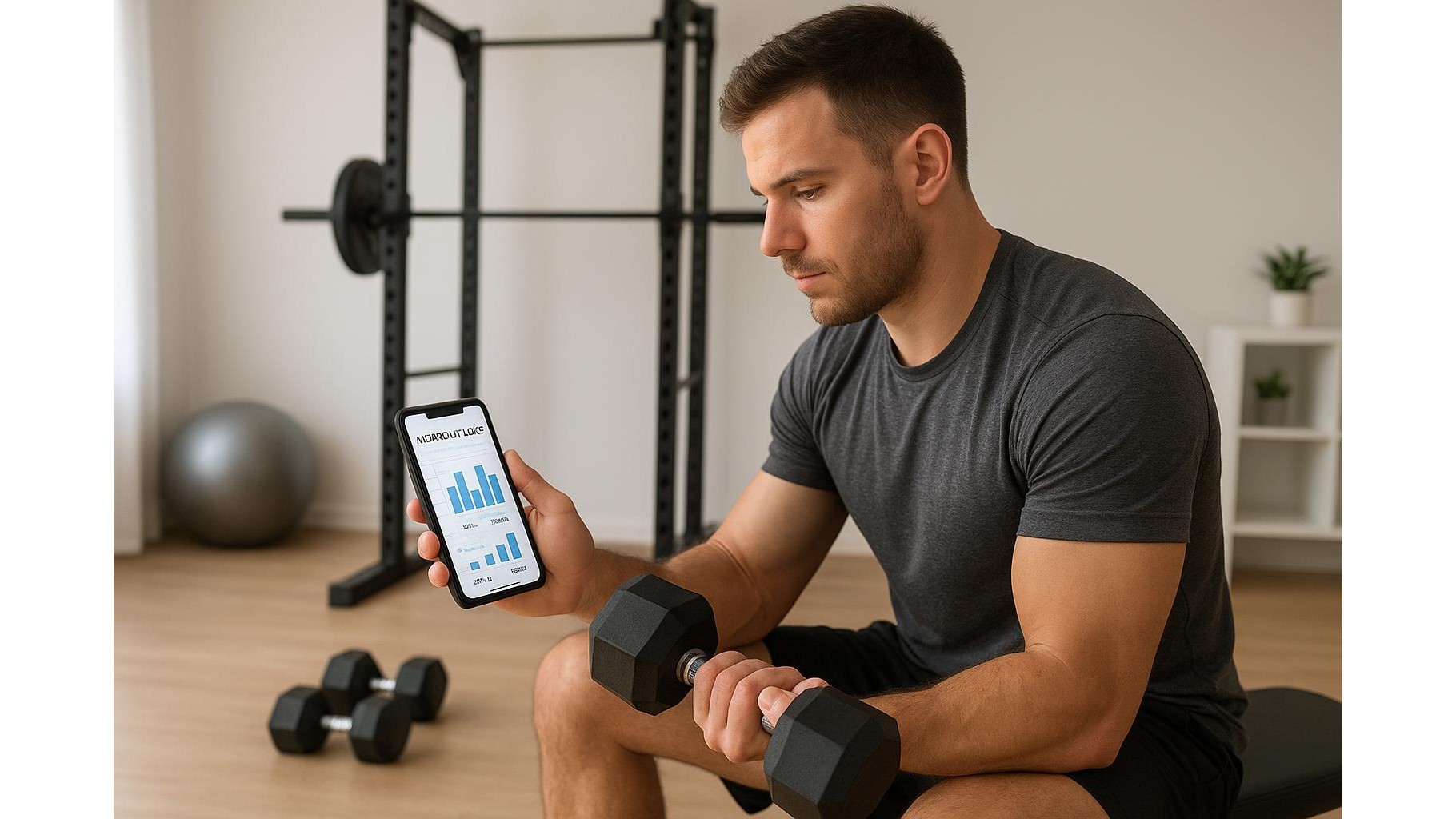
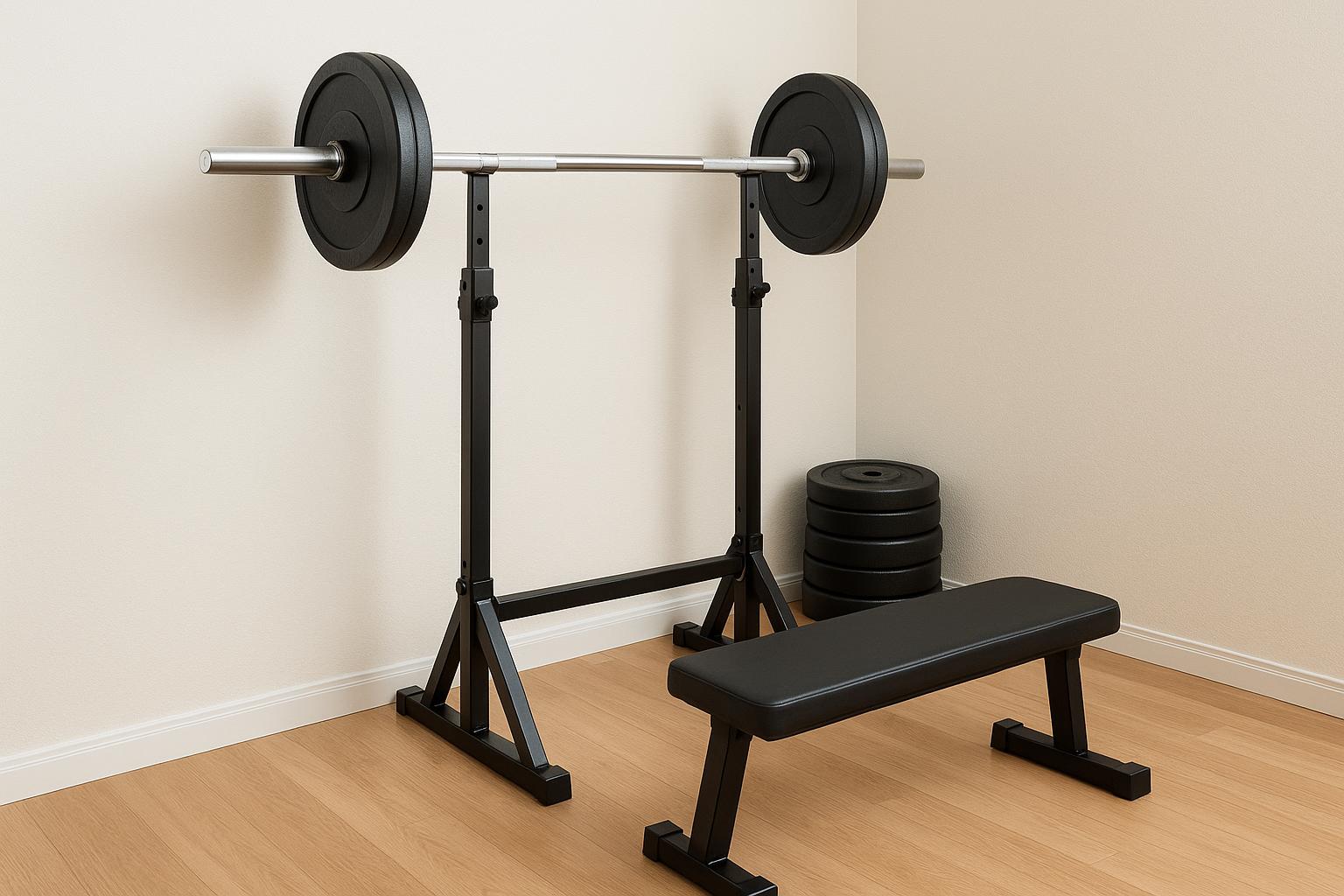
For most first-time lifters training at home, a full power rack is overkill in terms of both space and budget. A foldable squat stand (sometimes called a folding rack or collapsible stand) gives you the essential support for barbell squats and presses, but with a small footprint that suits bedrooms, garages and shared spaces. The best models fold flat against a wall or slide into a corner, freeing up room for everyday living. When paired with a basic flat bench and a set of bumper plates, a compact stand becomes the core of a serious yet space-efficient barbell home gym that can grow with your strength and training ambitions.
Key safety features to prioritise
Even with a minimal setup, safety is non-negotiable. Look for a stand with a clearly stated maximum load rating that comfortably exceeds the total of your bodyweight plus the heaviest barbell you plan to lift. Sturdy steel uprights, a wide base and solid welds all help prevent wobble under load. For beginners training alone, safety arms or spotter bars are extremely valuable, allowing you to bail out of a failed squat or bench safely. Anti-slip rubber feet reduce movement on hard floors and protect surfaces, while clearly adjustable J-hooks let you set the bar at the right height for squats, bench press and overhead work. Always assemble according to the manual, check bolts regularly and avoid stands with vague or missing safety information.
Understanding dimensions and space requirements
Before buying, measure your training area carefully. A compact foldable squat stand should fit your ceiling height, leave space for the barbell at full extension overhead, and allow you to step back safely from the hooks. Pay attention to three sets of measurements: overall height, width between uprights (to ensure your bar fits) and depth when both in use and folded. Some wall-mounted folding designs stick out only a few centimetres when stored, making them ideal for multi-purpose rooms. Others are freestanding but still relatively shallow, so they roll or slide away after a session. If you plan to bench inside the stand, ensure there is enough interior length to position your bench and move your legs comfortably without hitting the uprights.
Adjustability, usability and beginner-friendly details
New lifters benefit from equipment that is easy to set up and adjust. Look for multiple height adjustment holes so different users in the household can share the stand, or so you can seamlessly move between squats, bench press and overhead press. Clearly numbered holes and secure locking pins save time and reduce mistakes. Foldable mechanisms should be simple but robust, ideally with locking features that prevent accidental collapse during training. Extra touches like knurled or textured J-hooks to grip the bar, integrated plate storage pegs, and clear assembly instructions all improve day-to-day usability. While you don’t need every accessory from day one, choosing a stand that feels intuitive and confidence-inspiring will help you train more consistently.
Planning upgrade paths and future-proofing your home gym
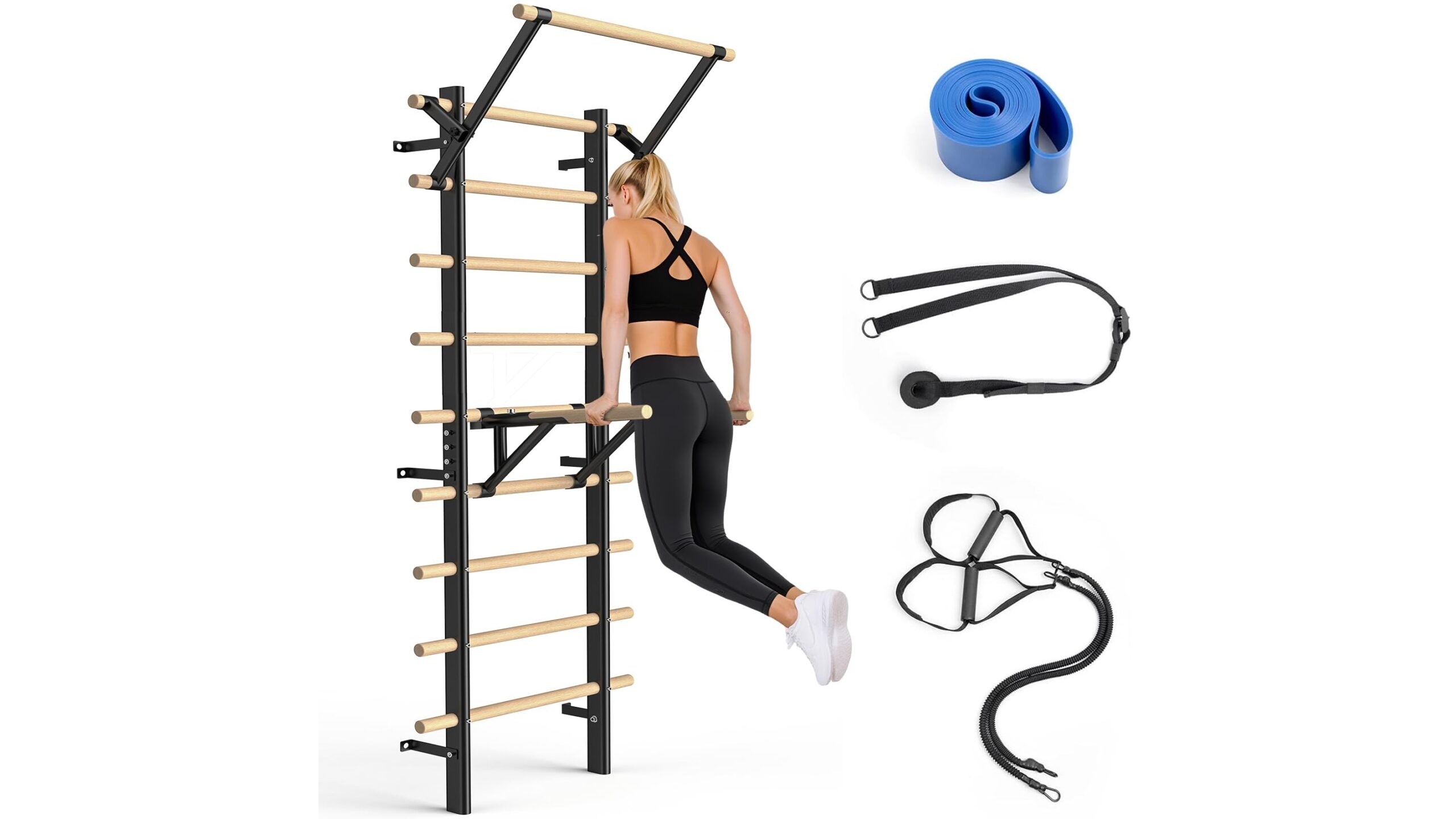
Choosing the right compact squat stand is also about where you want your home gym to be in two or three years. Many beginners start with just a stand, barbell and plates, then later add a weight bench, extra plate storage, or even convert to a fuller rack. When shopping, check whether the stand is part of a broader ecosystem: can you add pull-up bars, dip attachments or safety arms later on? Are standard accessories (like band pegs or spotter arms) compatible with the upright dimensions and hole spacing? A slightly higher initial investment in a modular system can save money and frustration when your lifts progress beyond the beginner phase.
Balancing budget, quality and training goals
Finally, balance your budget against quality and your training goals. Ultra-cheap foldable stands may seem tempting but can compromise on stability, clear load ratings and long-term durability. On the other hand, premium commercial-grade racks may be excessive if you mainly want to squat and bench a few times a week at moderate loads. Decide how heavy you realistically aim to lift over the next few years, then choose a stand that exceeds that goal while still fitting your space. Pair it with a reliable barbell, quality plates and a simple bench, and you’ll have a compact, versatile setup that supports safe, enjoyable training without taking over your home.
Choosing a compact foldable squat stand for your first barbell home gym is about aligning space, safety and future ambitions. By focusing on solid construction, clear weight ratings, sensible dimensions and the possibility to upgrade later, you can create a small but powerful training corner that encourages consistency and progression. Measure your room, set realistic performance goals and invest in a stand that you trust. That way, every workout at home feels like a step forward, not a compromise.