A compact dumbbell rack can make a small home gym safer and easier to use, but the smallest-looking option is not automatically the best. Compare the rack’s footprint, rated capacity, stability and access with your available space and the weights you own. A little measuring before you buy can prevent crowded walkways, scratched floors and a rack that has no room to grow.
Measure the space, not just the rack
Measure the floor area where the rack will sit, including the space needed to pick up and put down weights. Check its full width, depth and height, then allow room for handles, plates or shelves that extend beyond the frame. Keep doors, cupboards, heaters and workout routes clear. If the rack will stand beside a bench, mark both footprints on the floor and test whether you can move between them comfortably. Remember that skirting boards and uneven flooring can affect how closely a rack sits against a wall.
Compare vertical, horizontal and tiered designs
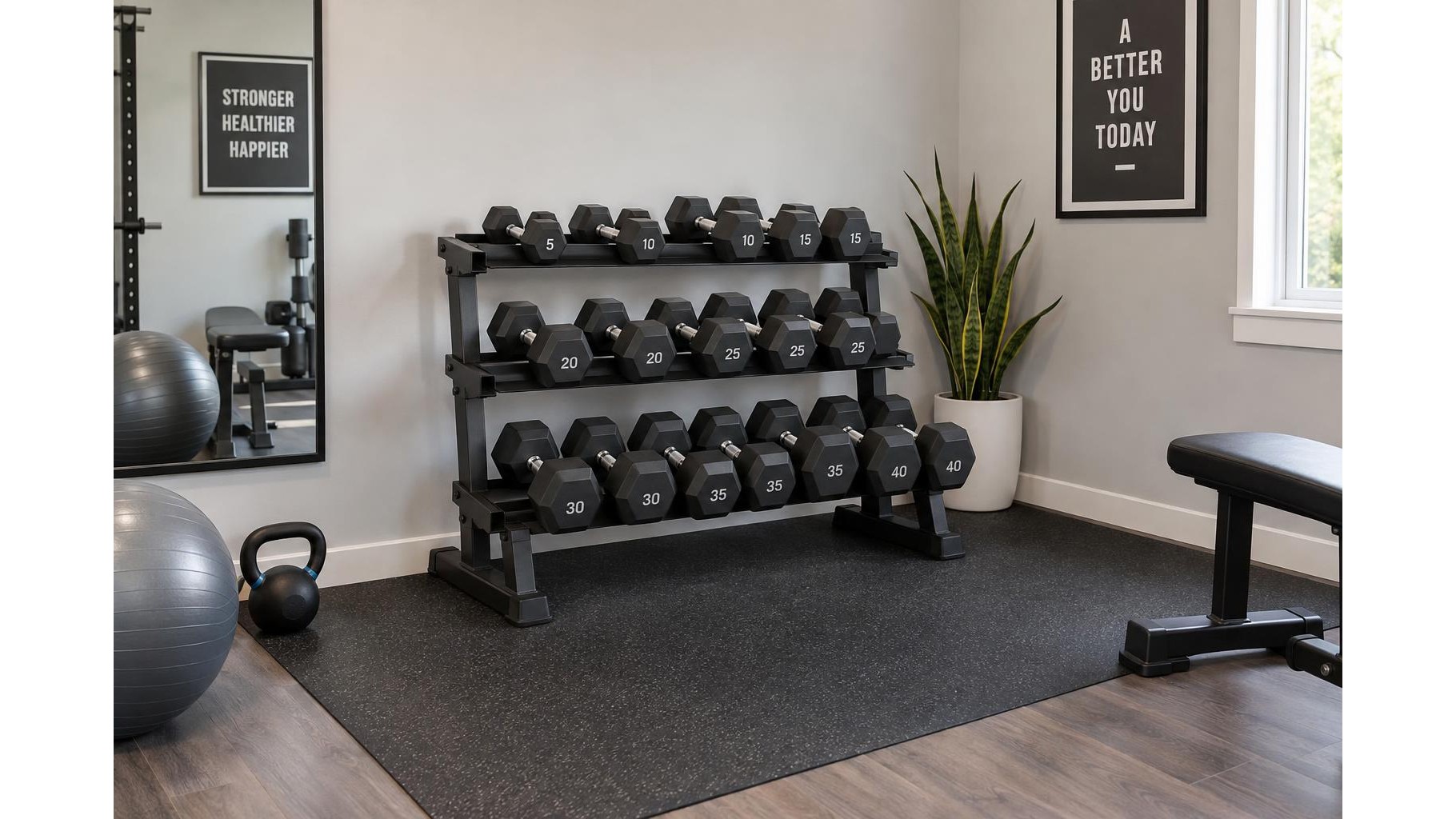
Vertical racks store dumbbells upright and often use little floor space, making them useful where the footprint is the main constraint. Their narrow base can be less forgiving if weights are placed unevenly, so check the base dimensions and stability guidance. Horizontal racks spread equipment across a longer, lower frame. They can be easy to load and may suit heavier sets, but need more wall or floor length. Tiered racks use angled or stepped shelves to keep multiple pairs visible and accessible. They can offer a practical balance between storage density and access, though their depth and height vary considerably.
Check capacity and compatibility
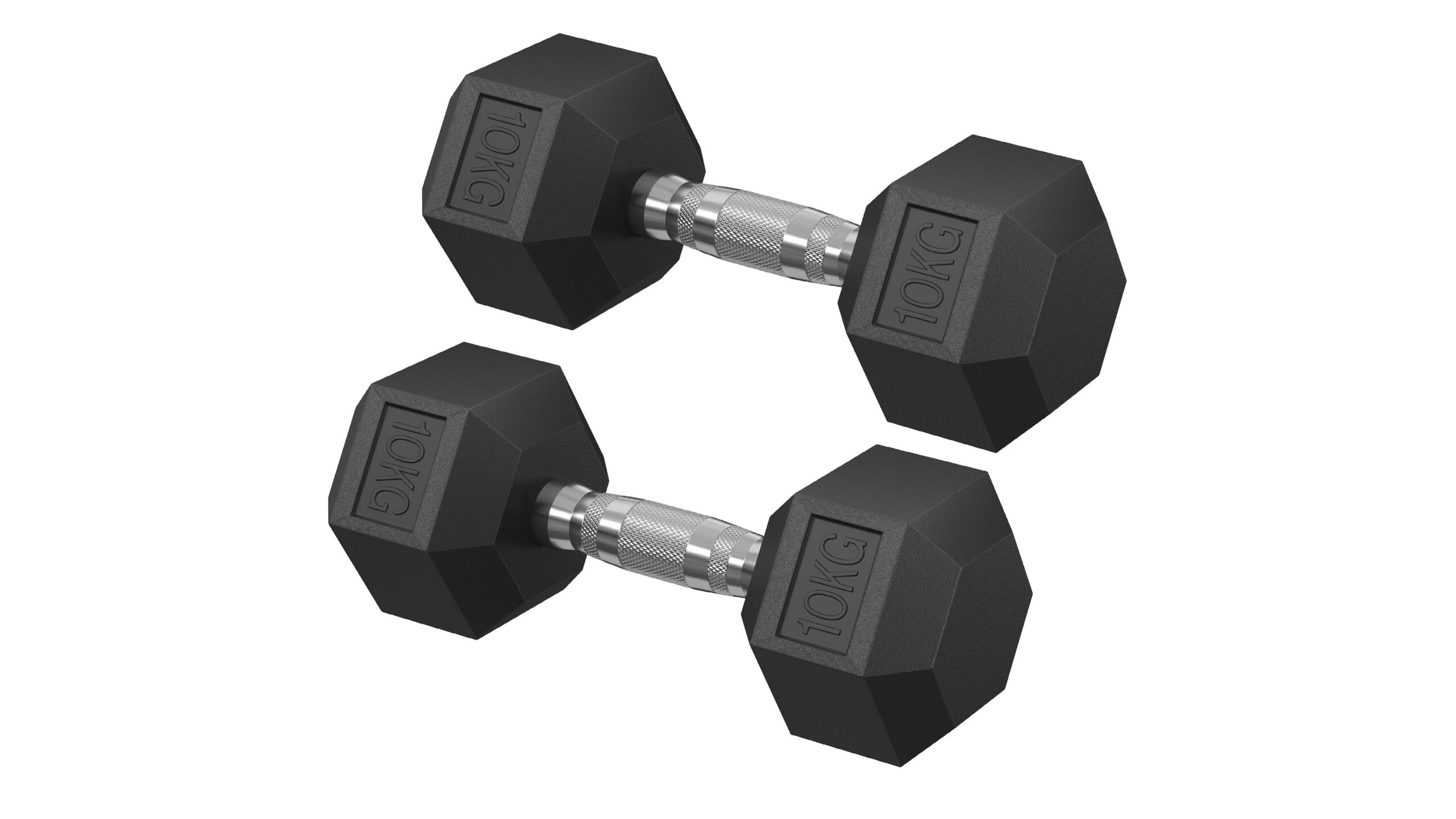
Look beyond a headline maximum weight. Confirm the rack’s total rated capacity and, where provided, the limit for each shelf or holder. Add the weight of all the dumbbells you intend to store, then leave a sensible margin rather than loading the frame to its limit. Check that cradles or shelves suit your dumbbell shape and handle length: round, hexagonal, adjustable and selectorised models may sit differently. A rack designed for one style may not safely accommodate every type of weight.
Prioritize stability and safe access
A stable rack should sit flat, resist rocking and hold weights securely when you remove or replace them. Follow the assembly instructions, tighten fasteners as directed and check whether the design can be anchored if appropriate. Place heavier dumbbells on lower levels when the rack allows it; this can lower the centre of gravity and make lifting more controlled. Consider the grip and clearance needed to remove each pair without catching your knuckles on another weight, a shelf or the wall.
Protect floors and plan for future equipment
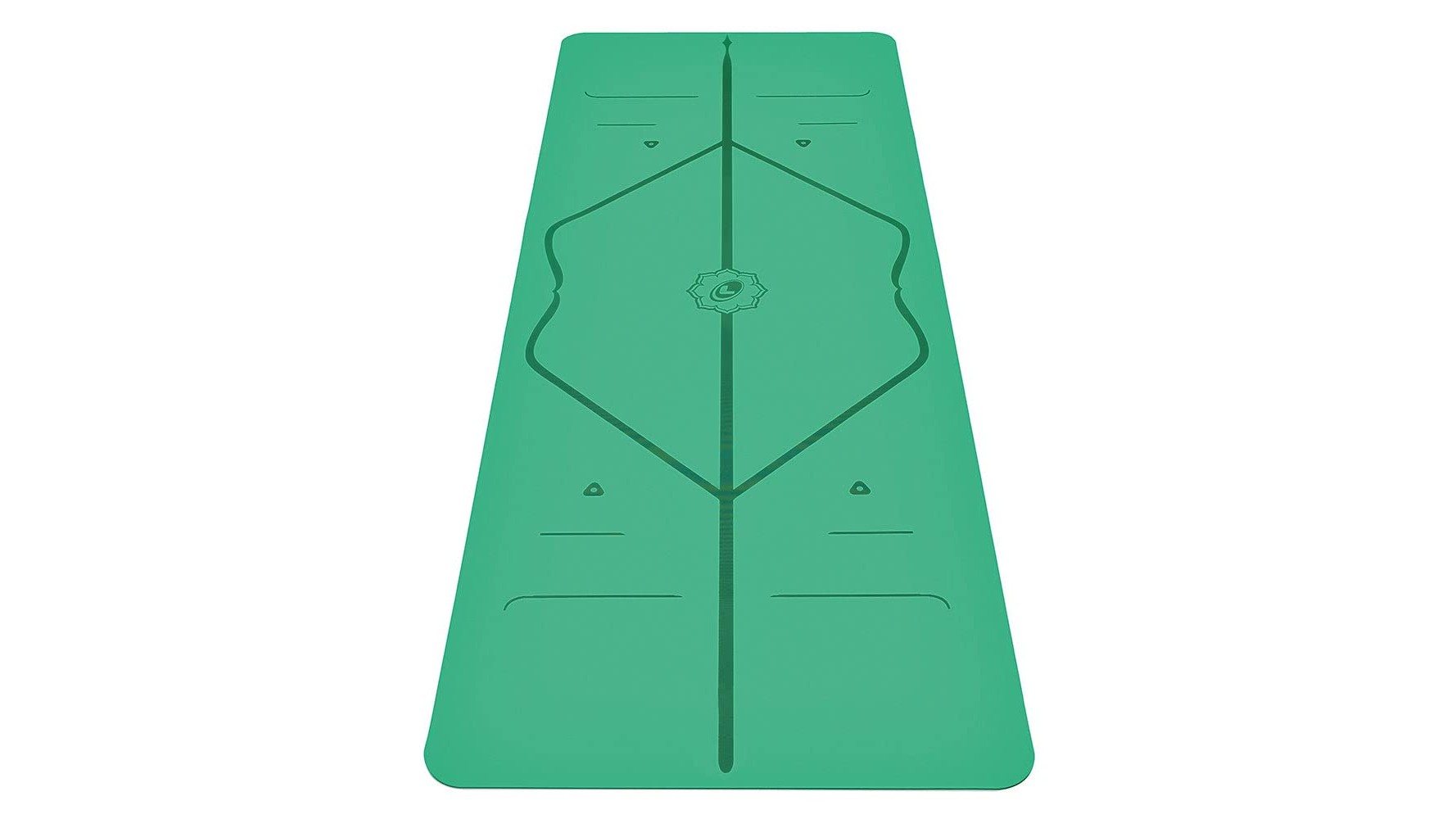
Use a suitable protective mat beneath the rack, especially on timber, laminate or delicate flooring. Choose a mat that lies flat and is wide enough to catch the rack’s feet, while avoiding a soft or uneven surface that could make the frame wobble. Before choosing a capacity, list your current pairs and the likely additions you will make. A little spare shelf space can be more useful than buying a tightly packed rack that needs replacing as your training develops.
Match the rack to your room and routine
For a narrow room, a vertical design may preserve the most usable floor area, provided its stability and weight limits suit your collection. For frequent workouts with several pairs, a tiered rack can make selection quicker and keep weights visible. A horizontal frame may be preferable when you have a longer wall and want straightforward loading. Compare the measured footprint, usable storage, access and floor protection together, rather than choosing by appearance or price alone.
In summary, the best compact dumbbell rack is the one that fits your measured space, supports your complete set with a capacity margin and lets you handle weights safely. Protect the floor, check compatibility and leave room for future equipment. These checks help keep a small home gym organized without sacrificing access or stability.