Designing a small home gym is all about making the most of limited floor space without sacrificing training quality. A well‑chosen compact barbell and plate set lets you perform full‑body strength workouts in a corner of a room, studio flat or garage. By focusing on details such as bar length, sleeve diameter, coating, plate type and storage solutions, you can build a versatile setup that is safe, quiet and easy to tuck away when not in use.
Table of contents
Choosing the right bar length for tight spaces
The first decision is bar length. Standard 7 ft (220 cm) Olympic bars are often too long for box rooms or narrow garages, especially if you train inside a rack. For compact gyms, look for shorter Olympic‑style bars in the 5–6 ft range, which still have 50 mm sleeves so they work with standard plates but reduce the total footprint. Measure the width of your training area and allow clearance for the plates on each side plus your grip width. If you mainly perform rows, presses and curls, a 5 ft bar is usually enough; if you squat and deadlift, a 6 ft bar offers more stability while still saving space.
Coating, knurling and grip comfort
In a home environment, your bar needs to be low‑maintenance and comfortable in the hands. Look for bars with a durable coating such as black zinc, chrome or Cerakote to resist rust, especially if your gym is in a damp garage or shed. Check that the knurling (the textured pattern on the grip) is moderate rather than aggressive so you can train without tearing your hands during high‑rep sessions. A compact bar with centre knurl removed reduces abrasion on your neck during front and back squats, which is ideal when you train frequently and do not always use a thick bar pad.
Plate types: cast iron, bumper and rubber‑coated
Your choice of weight plates affects both space and noise. Cast iron plates are the most compact and allow more weight on shorter sleeves, making them a smart option for very small gyms. However, they are noisy and can damage floors, so pair them with a thick mat. Rubber‑coated plates offer a good compromise by reducing clank and protecting your flooring while staying relatively slim. If you train in a flat or upstairs room, bumper plates made of dense rubber are the quietest and safest, especially for deadlifts and Olympic‑style lifts; just remember they are thicker, so sleeve space is used up faster. For most home users, a mixed set of small change plates (1.25–2.5 kg) plus medium plates (5–10 kg) offers fine load adjustment without huge stacks.
Optimising plate selection for progression
In compact gyms you want just enough weight to progress across your main lifts without over‑buying. Start by estimating your realistic 6–12 month strength goals for squats, deadlifts and presses. A balanced starter kit might include pairs of 1.25, 2.5, 5 and 10 kg plates, reaching a total of 60–80 kg including the bar. This covers most beginners and intermediates for full‑body training while keeping storage manageable. Prioritise plates that are clearly labelled on both sides so you can grab the right load quickly in a cramped corner. If you are very limited on space, choose thinner, higher‑density plates so more weight fits on each sleeve and fewer discs need to be stored.
Space‑saving storage and safety tips
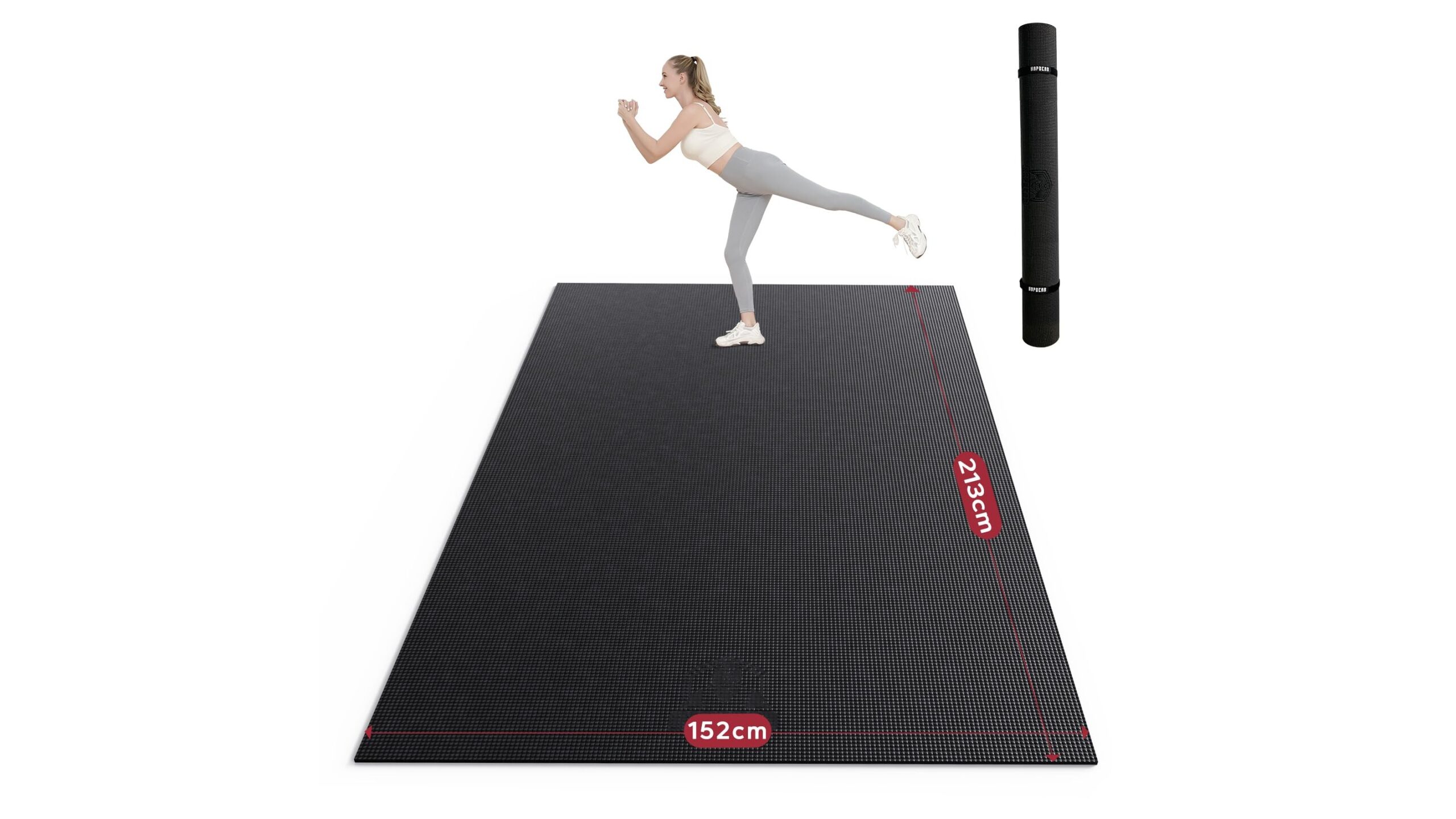
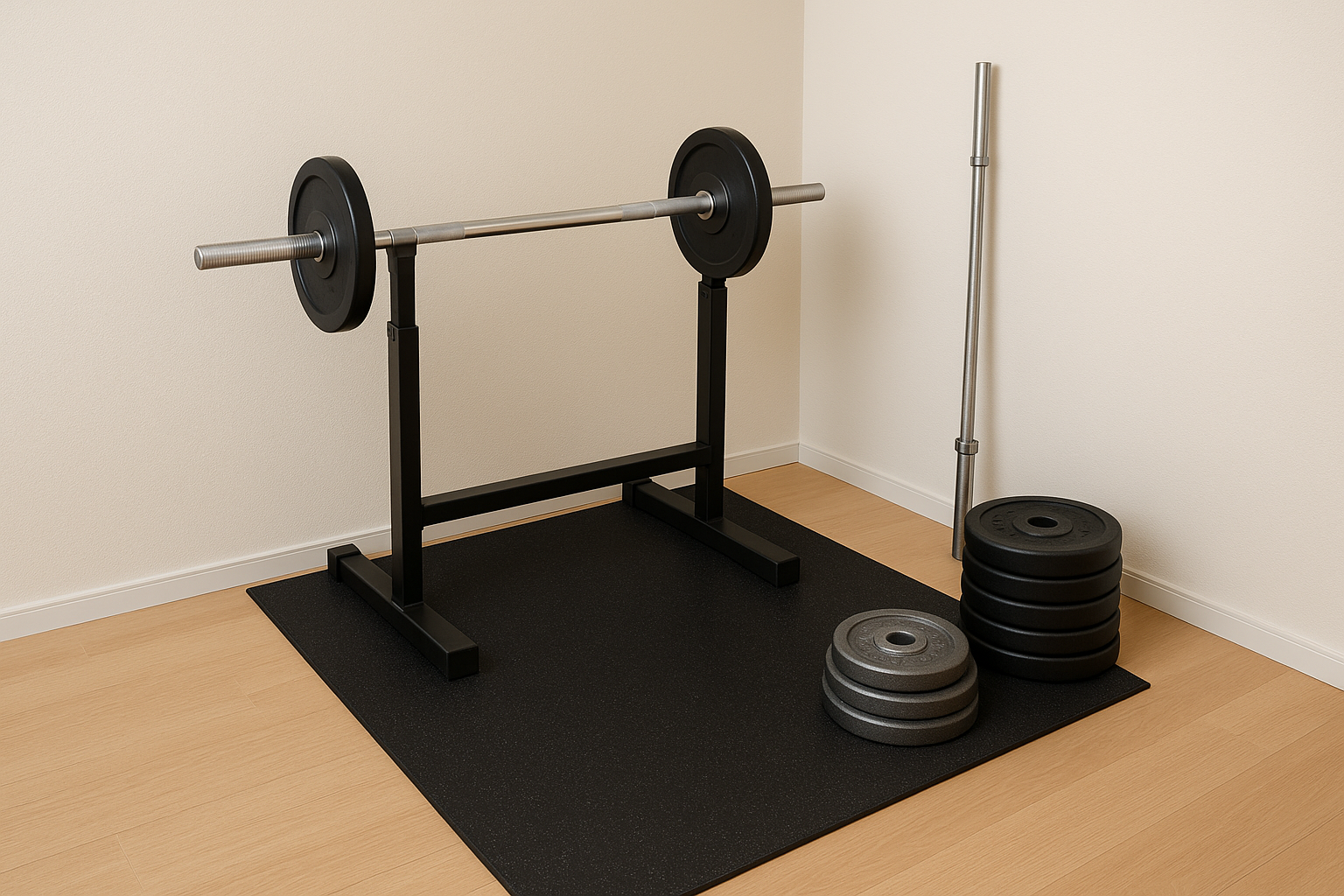
Even the best compact barbell set becomes a trip hazard if left scattered on the floor. Invest in vertical bar storage so the bar stands upright in a corner, or lean it securely against a wall with the sleeves protected. For plates, slim wall‑mounted plate racks or a small tree rack keep everything organised while using minimal footprint. Always protect floors with rubber tiles or mats, particularly under the bar path for deadlifts and rows. In very small rooms, train inside the footprint of a mat so the bar never drifts into furniture or walls. Keep walkways clear, store collars and small plates in a labelled box, and regularly check that bolts and sleeves stay tight to maintain a safe, quiet and efficient home training space.
Choosing a compact barbell and plate set for a small home gym comes down to smart planning rather than guesswork. Match the bar length to your room, select coatings and knurling that suit frequent home use, pick plate types that balance noise, protection and capacity, and keep your equipment tidy with space‑saving storage. With these factors dialled in, even the smallest corner can become a highly effective strength zone that supports consistent, long‑term progress.