Build a flexible home gym
A compact plate set can support years of strength training—if it matches your equipment, your available space and the way you plan to progress. Before buying, check the bar or dumbbell handles you own, decide how much total weight you need and measure where the plates will live. A well-chosen adjustable weight plate set makes it easier to add resistance gradually without dedicating a whole room to bulky equipment.
Compare plate materials and profiles
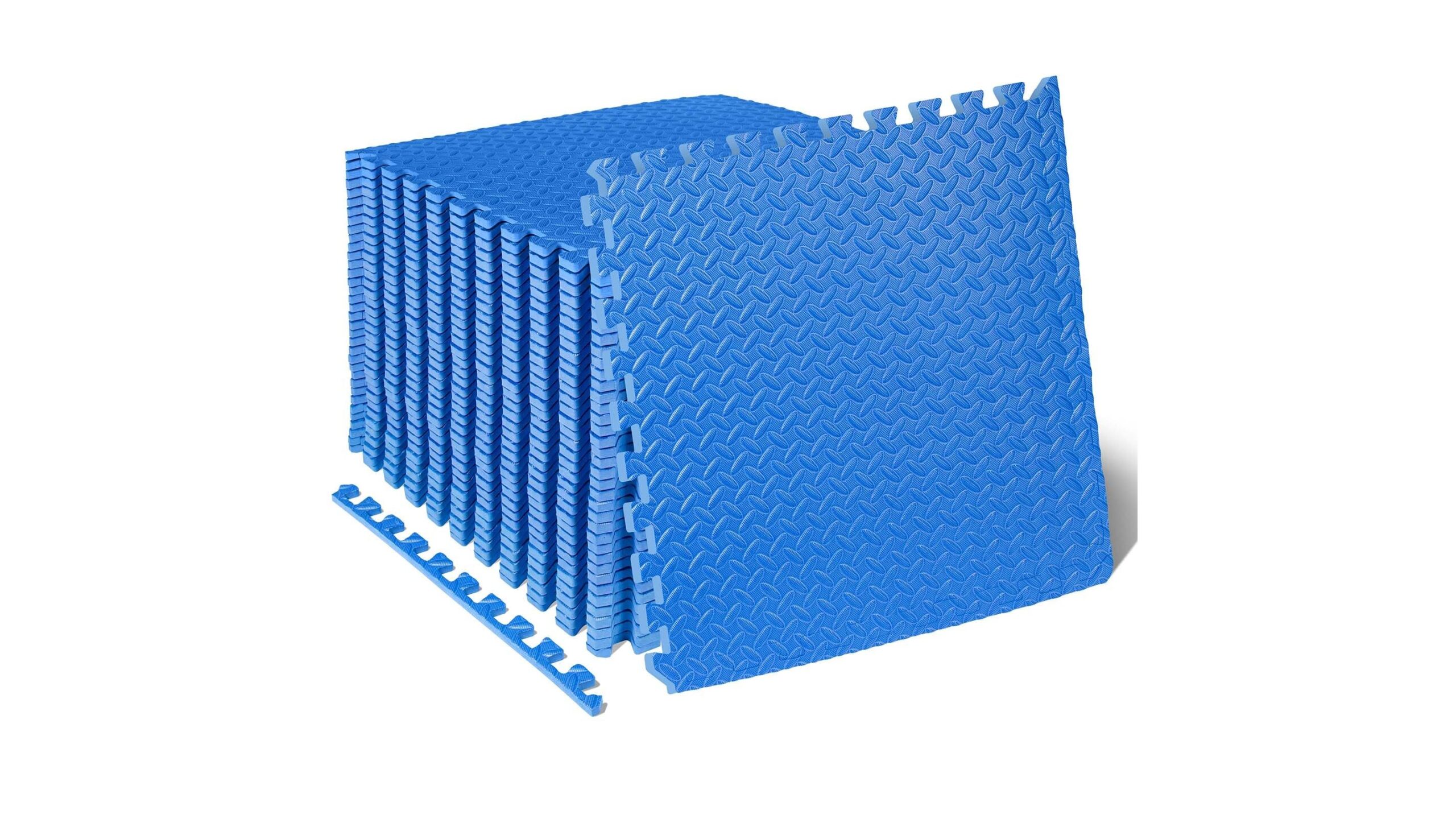
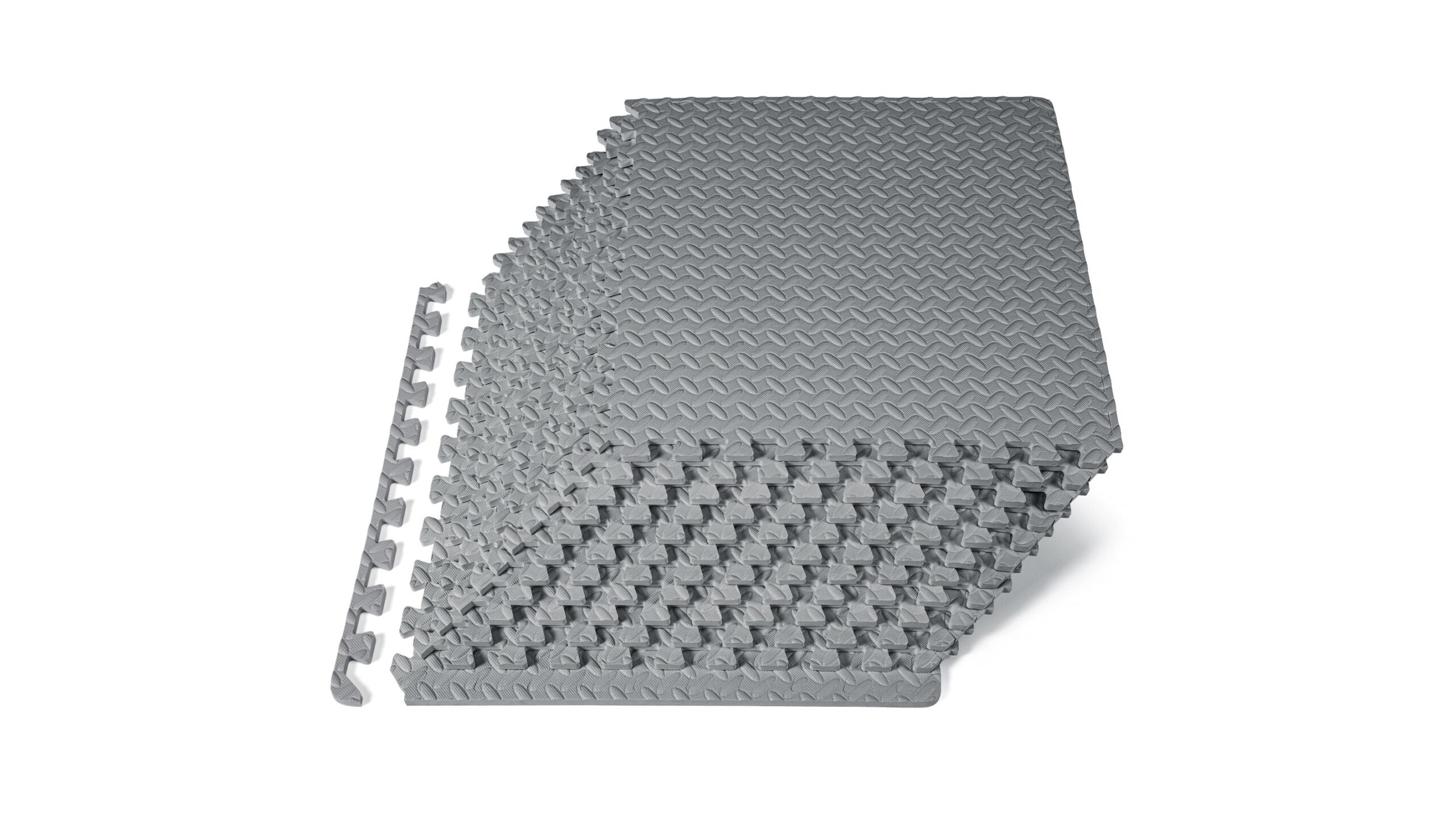
Cast iron is durable and usually offers a slim profile, so more weight can fit on a short bar. Its drawback is that metal plates can clang, scratch floors and rust if stored in damp conditions. Rubber-coated or bumper-style plates help reduce noise and protect flooring, but they are often wider and may take up more storage space. Bumper plates are designed for dropping in suitable training settings; do not assume every rubber-coated plate is safe to drop. For a small room, compare plate diameter and thickness as well as the material, and use a mat or controlled lifting technique to protect the floor.
Match the hole diameter to your equipment
Compatibility is essential: measure the sleeve on your barbell or dumbbell handle, or check its stated specification, before ordering. Standard plates commonly have holes around one inch, while Olympic plates are made for sleeves around two inches. These systems are not interchangeable without a suitable adapter, and a loose fit can make loading unstable. Also check the usable sleeve length: thick plates may prevent you from loading your intended total even when the hole fits. Collars or clamps should secure the plates firmly during exercise.
Choose useful weight increments
Look at the set’s full inventory rather than its headline total. A pair of lighter plates gives more options for small, balanced increases, while larger plates make it quicker to load heavier lifts. For progressive training, prioritise manageable increments that suit your current strength and exercises. Remember that a barbell’s weight counts toward the total load, and paired plates need to be loaded evenly. If the set lacks small increments, compatible fractional plates can sometimes fill the gap—but confirm their hole size and secure fit first.
Plan storage and room clearance
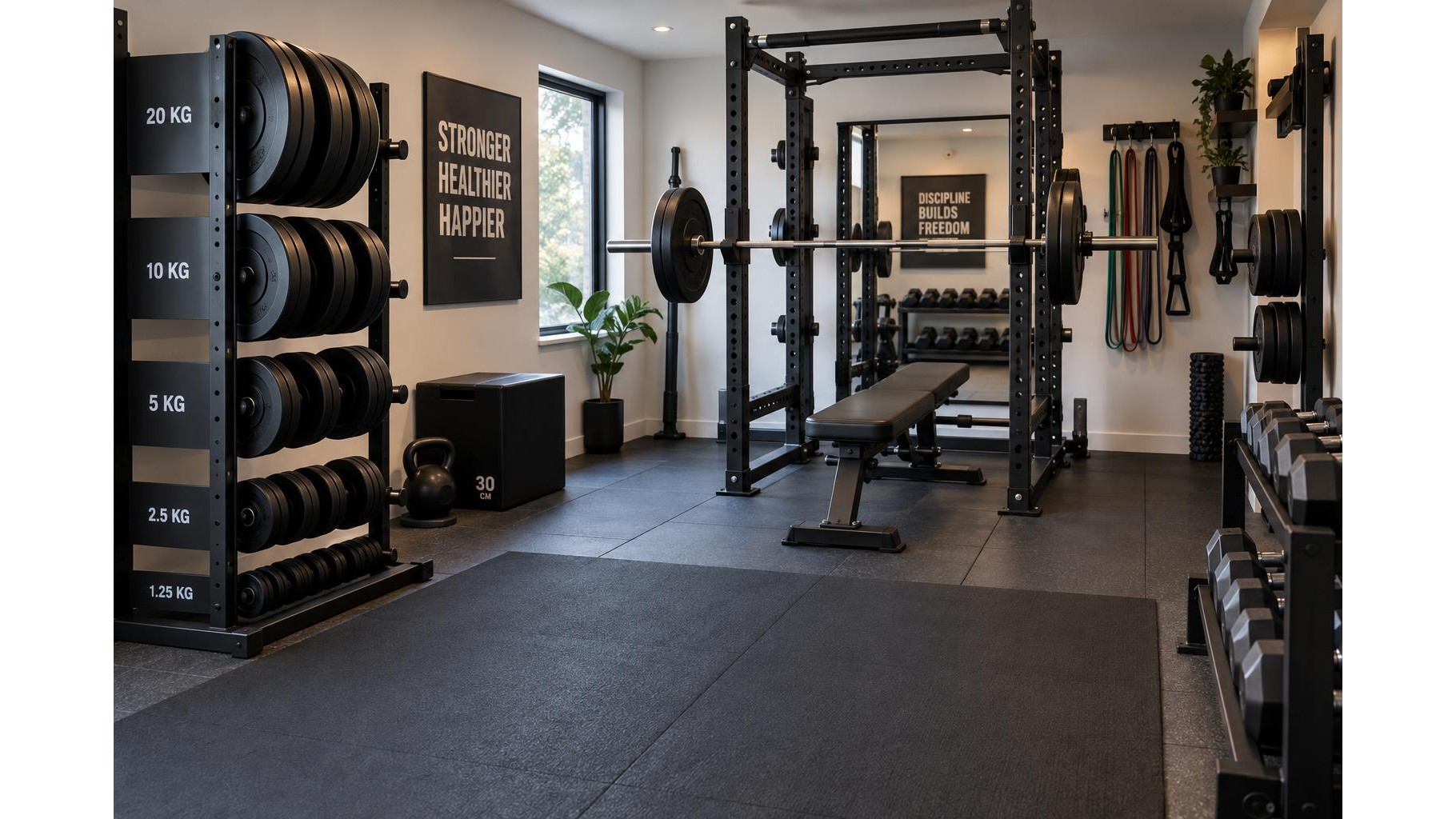
Measure the storage spot, including the space needed to lift plates on and off a rack or bar. A low-profile plate tree, wall-mounted storage or a compact rack can keep weights organised, but check its footprint, capacity and compatibility with your plate diameter. Store plates on a stable surface and keep walkways clear. In a shared room, quieter coated plates and a lifting mat may make training more considerate, although neither replaces careful handling.
Check the complete setup before buying
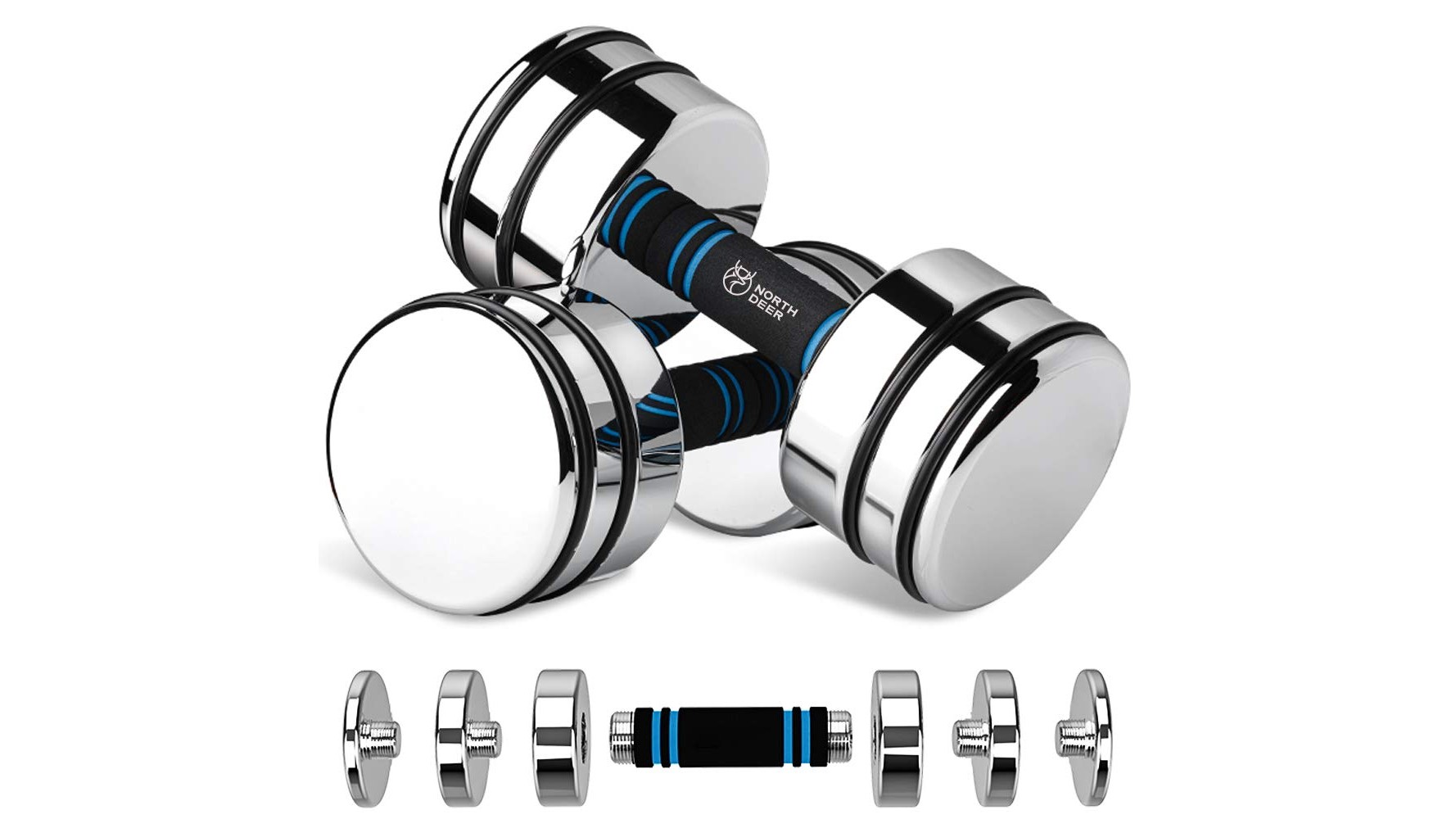
Assess whether the set includes a bar or handles, collars and the plates themselves; product bundles differ. Verify the stated plate weights, total load, sleeve diameter, dimensions and return terms, and consider whether replacements or additional matching plates are available. Do not exceed the bar’s rated capacity. A set that fits your current equipment and allows sensible additions is usually a better long-term choice than one selected on total kilograms alone.
Make room for steady progress
For a growing home gym, balance compatibility, useful increments, compact dimensions and safe storage. Confirm the hole size first, then compare material, plate thickness and the total weight you can realistically use. Leave space for loading and movement, and expand in stages as your training develops. These checks help you choose a versatile setup that supports progressive strength training without taking over a small room.