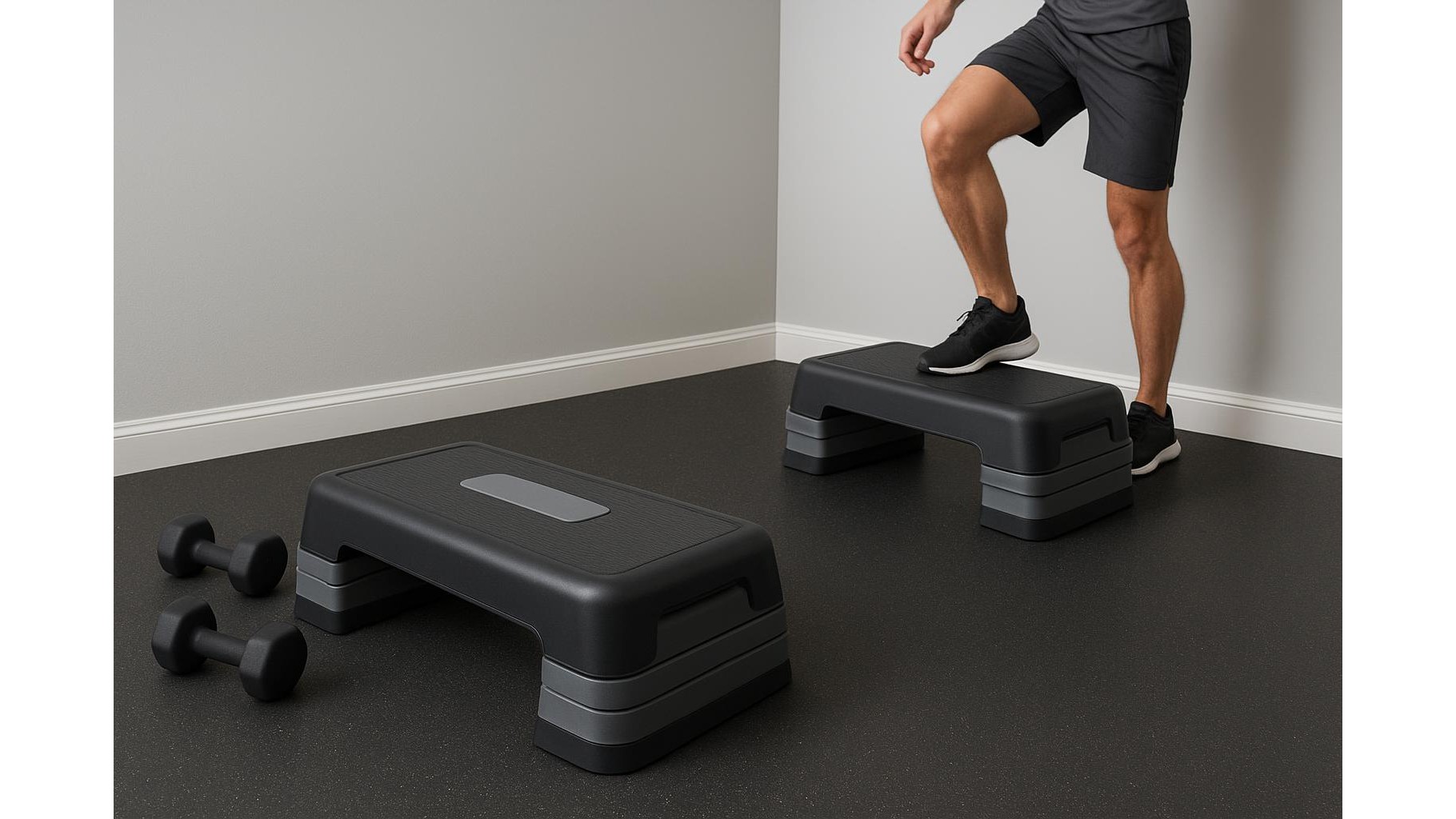
Choosing a compact adjustable step platform that can also act as a mini strength bench is one of the smartest ways to upgrade a small home gym. The right model lets you perform aerobic step workouts, incline and flat bench moves, core work and mobility drills without filling the room with bulky equipment. In this guide, we’ll walk through the key specs to check before you buy, how to interpret dimensions and load capacity, which anti-slip features really matter and how to integrate a step bench into full-body training.
Key dimensions and shape for a multi‑use step bench
When your step also has to work as a low strength bench, size and proportions are crucial. Look for a deck length of at least 80–90 cm and a width around 30 cm so that you can lie down comfortably for dumbbell presses and rows. Very short, narrow steps feel fine for basic aerobics but are unstable and uncomfortable when used as a bench. Height adjustability via stackable risers or built‑in mechanisms is also important: a lower setting (around 10–15 cm) suits fast cardio step routines, while higher settings (20–30 cm) are useful for step‑ups, hip thrusts and box squats. For home use, a compact footprint that can slide under a bed or stand on its side in a cupboard keeps the training area tidy without sacrificing versatility.
Load capacity, stability and build quality
Because you may be combining your body weight with dumbbells or a barbell, load capacity is a non‑negotiable spec. Aim for a rated maximum user weight of at least 110–120 kg, and higher if you plan to lift heavy. A good compact bench‑step uses thick, impact‑resistant plastic or steel support structures and solid risers that lock securely under the platform. Check that the deck does not noticeably flex in the middle when you stand or lie on it; excessive flex reduces both comfort and safety. Wide support feet, preferably slightly flared, help prevent side‑to‑side wobble during lateral movements and single‑leg exercises. A sturdy design may weigh a little more, but that extra mass actually improves stability during intense sessions.
Anti‑slip surface and floor protection
A quality aerobic step platform should have a textured, non‑slip deck to keep your feet or shoulders anchored even when you sweat. Look for raised patterns, rubberised inserts or a grippy matte finish across the full usable surface rather than just in the centre. Around the base, wide rubber feet or pads protect delicate floors and stop the step from sliding on tiles or laminate. This also reduces noise and vibration, which is crucial in apartments. An often overlooked detail is how the risers connect: models where the risers clip or nest positively into the underside of the platform are less likely to shift unexpectedly, especially during plyometric moves such as jump‑ups or burpees. These anti‑slip features together make the difference between a tool you trust and one you constantly need to readjust.
Adjustability, storage and extra features
For a home gym, a good step bench is not just compact but also easy to adjust. Simple riser systems let you change height in seconds between sets, while more advanced benches offer multiple incline positions for chest presses and supported rows. Consider whether you need only two or three height options, or if you prefer fine‑tuned adjustability for different family members. Integrated storage compartments inside the deck, where available, are handy for keeping resistance bands or small dumbbells out of sight. Smooth edges and rounded corners make floor exercises more comfortable and reduce the chance of bumps. Finally, check that the platform is light enough to move but not so light that it feels flimsy; carry handles or side grips can make transport around the house easier.
Integrating a compact step bench into full‑body training
Once you choose a sturdy, versatile model, the real value comes from how you integrate it into your home workouts. As a cardio tool, it supports classic step routines, lateral shuffles and quick feet drills for low‑impact conditioning. As a mini bench, it unlocks dumbbell chest presses, pull‑overs, single‑arm rows and seated overhead presses. Use it for lower‑body strength with step‑ups, Bulgarian split squats and hip thrusts, and as a platform for core moves such as incline push‑ups, triceps dips and feet‑elevated planks. Combining these in circuits or EMOM (every minute on the minute) formats allows you to build strength and endurance with minimal equipment and space, turning a single compact step bench into the hub of your home gym.
A well‑chosen compact adjustable step platform that doubles as a mini strength bench can replace several bulkier pieces of kit in a small home gym. By focusing on practical details like deck dimensions, load capacity, anti‑slip design and the ease of height adjustment, you end up with a stable, safe and genuinely multi‑purpose tool. Integrate it thoughtfully into full‑body training sessions and you can perform effective cardio, strength and core workouts in the same small footprint, getting maximum return from a single, compact piece of equipment.