Building a home gym in later life is less about chasing personal records and more about preserving independence. For seniors and older beginners, the priority should be stability, joint safety and ease of use. Instead of filling a room with complex machines, start with a few carefully chosen pieces that help you move confidently, improve balance and stay strong enough for everyday tasks like climbing stairs or carrying shopping bags.
Start with a stable base: balance pad
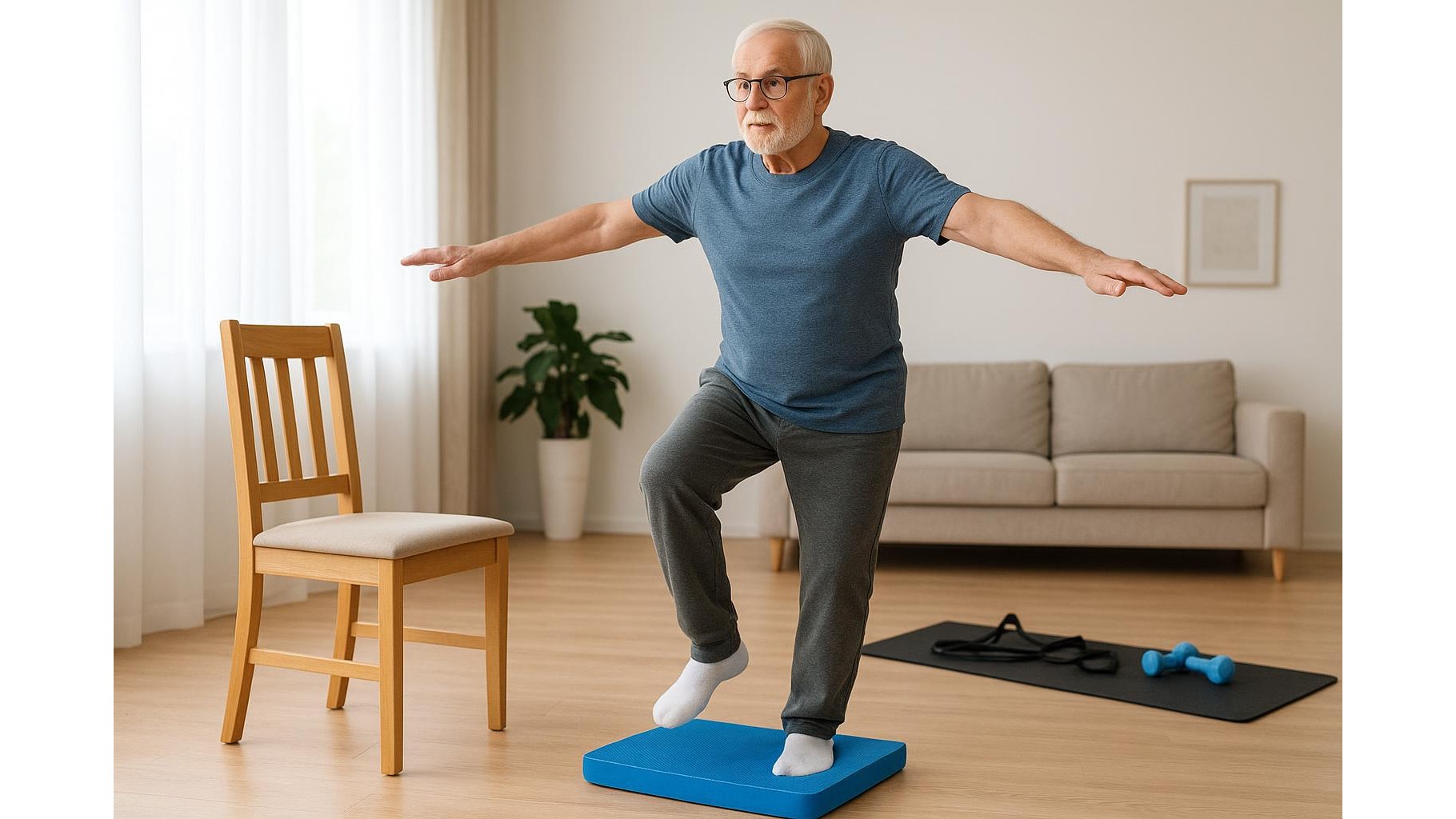
A simple but powerful first purchase for a senior-friendly home gym is a balance pad. Look for a thick, non-slip foam pad that provides gentle instability without feeling unsafe underfoot. This kind of tool helps train the small stabiliser muscles around the ankles, knees and hips, which are essential for fall prevention. Use it while holding on to a sturdy chair or countertop at first: stand with feet hip-width apart, then progress to gentle heel raises or mini squats. Always prioritise comfort over challenge; if your ankles feel wobbly or painful, step off and rest. A quality balance pad can also double as a cushioned support for kneeling or seated exercises, reducing pressure on sensitive joints.
Supportive resistance: light bands with handles
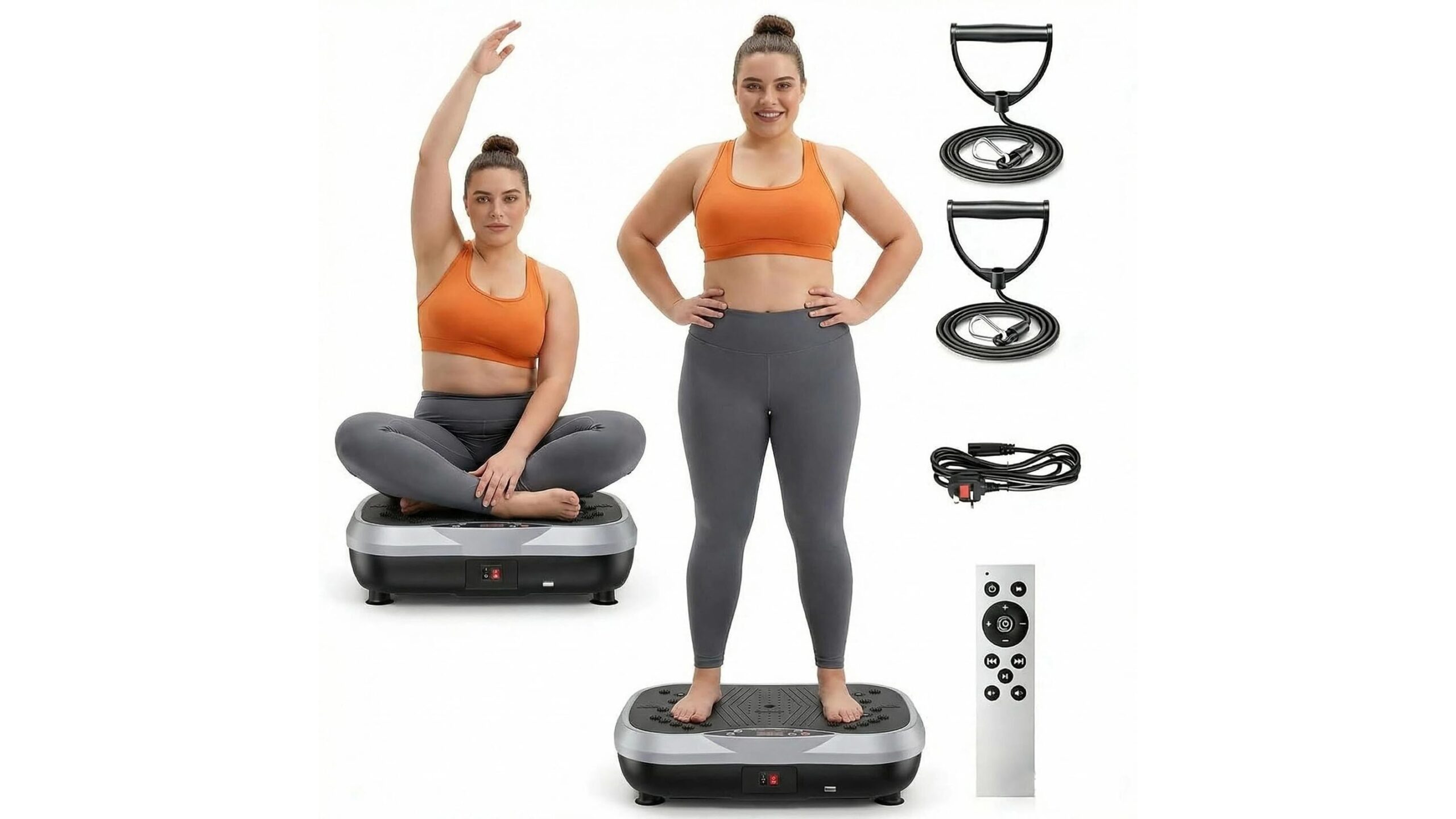
Once your base feels steady, add resistance bands with handles to build upper- and lower-body strength without heavy weights. Choose a set that includes multiple resistance levels clearly colour-coded, plus a door anchor and padded handles for a comfortable grip. Bands are especially joint-friendly because the resistance increases gradually as you stretch them, reducing stress at the start of each movement. You can perform seated rows, chest presses and leg extensions from a sturdy chair, making this equipment ideal for older adults who prefer to exercise sitting down. Store the bands in a small bag and keep them near your favourite chair as a visual reminder to move a little every day.
Gentle strength: light adjustable dumbbells
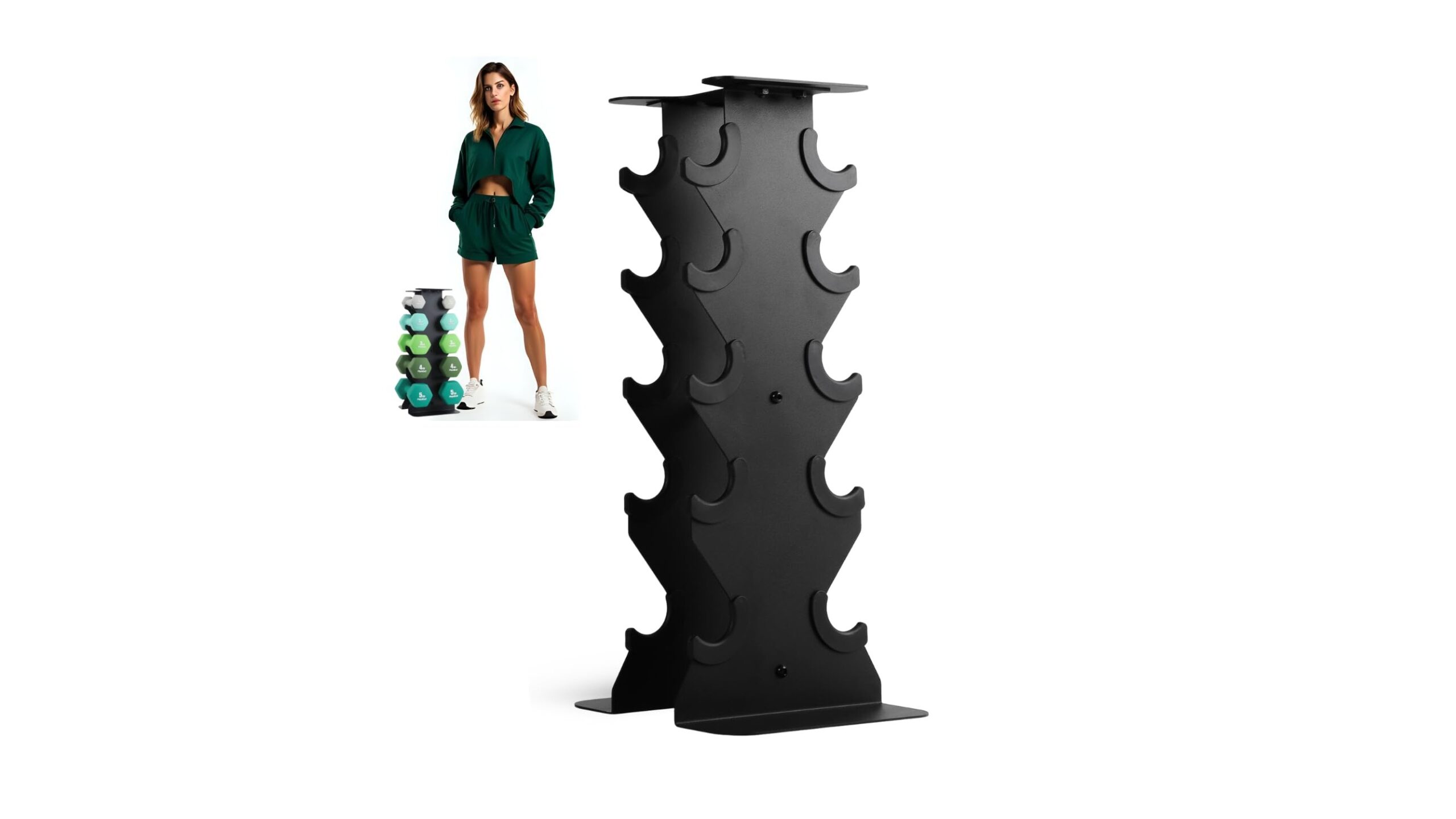
For many seniors, a pair of light adjustable dumbbells is the next logical step. Instead of buying a big rack, pick a compact set where you can easily select low weights, such as 0.5–2 kg per hand. Prioritise models with ergonomic, non-slip grips and clear markings, so you are never unsure which weight you are using. Light dumbbells are perfect for slow, controlled movements like biceps curls, shoulder raises and farmer’s carries around the room. Keep your movements pain-free and never chase heavy loads; the goal is to maintain muscle mass and bone density while protecting your joints. If you have arthritis, short sessions with very light weights and higher repetitions can be more comfortable and still highly effective.
Safe cardio: compact, handrail-focused machines
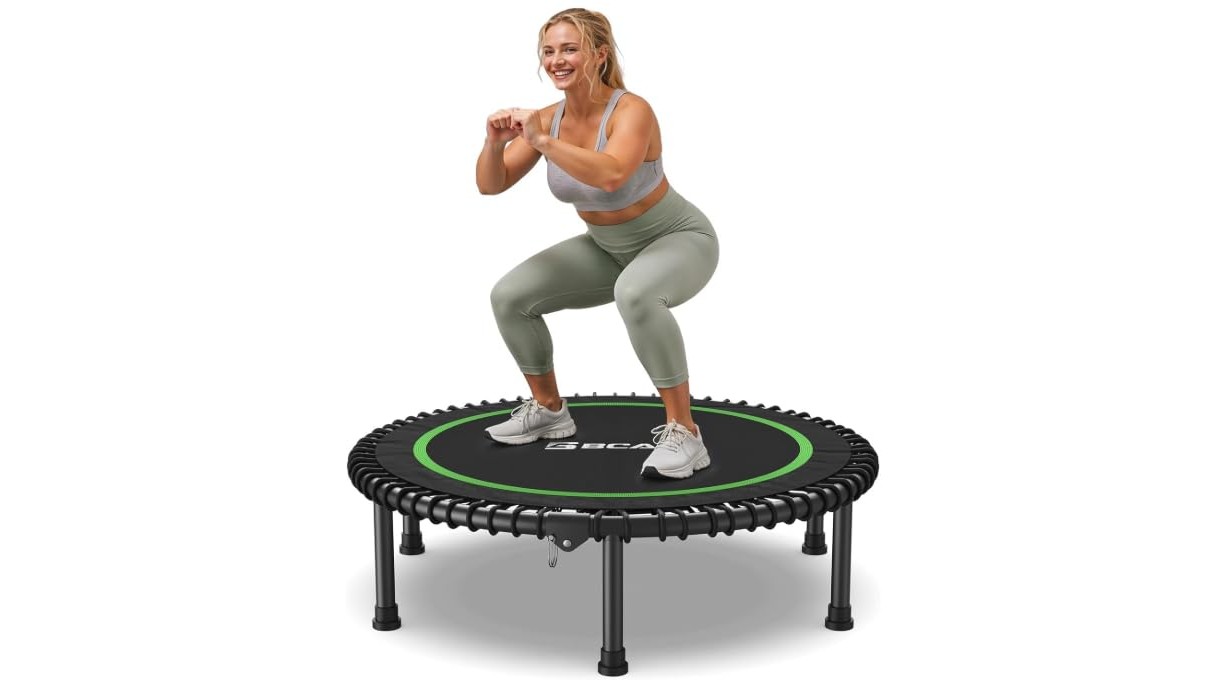
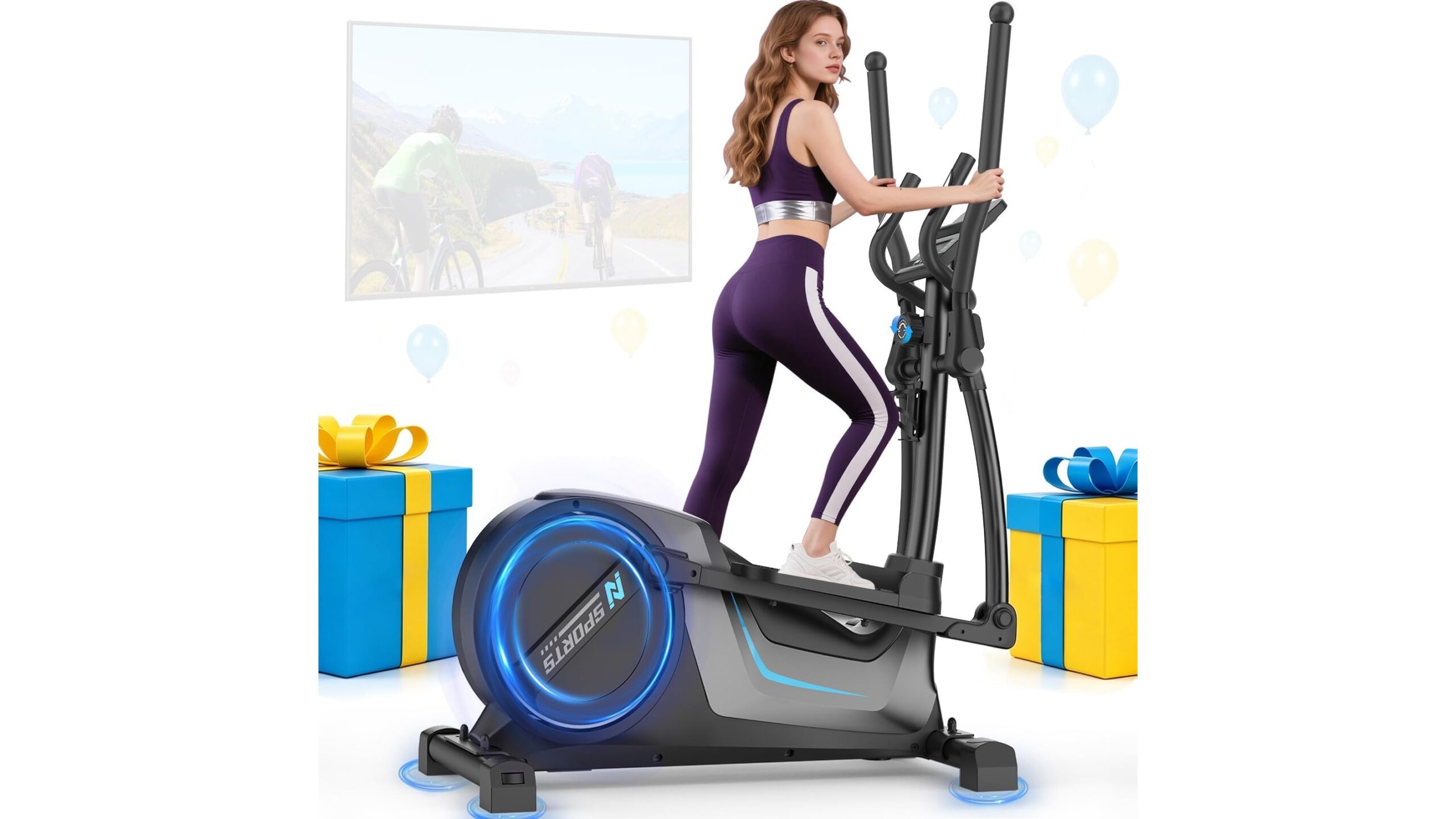
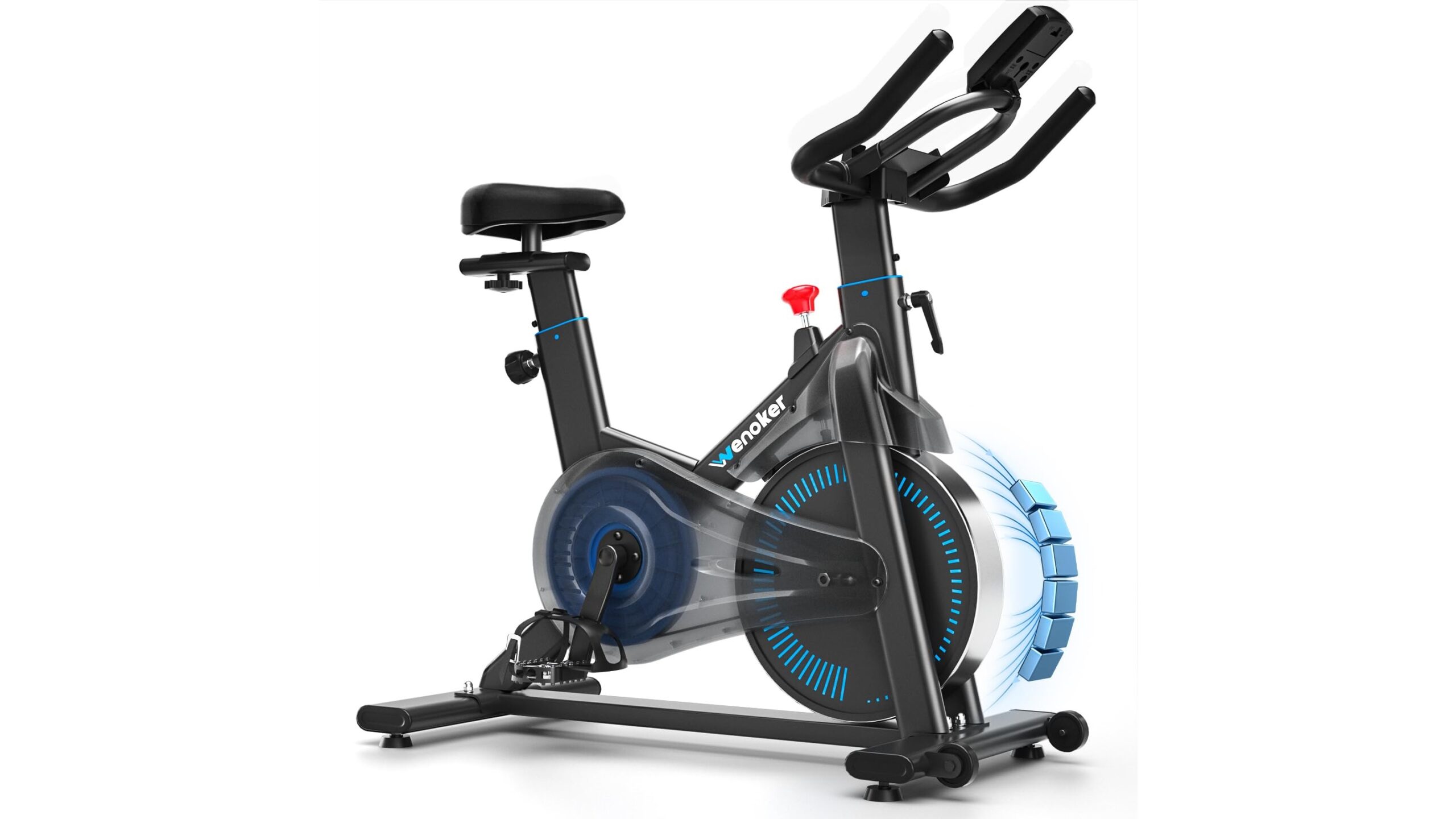
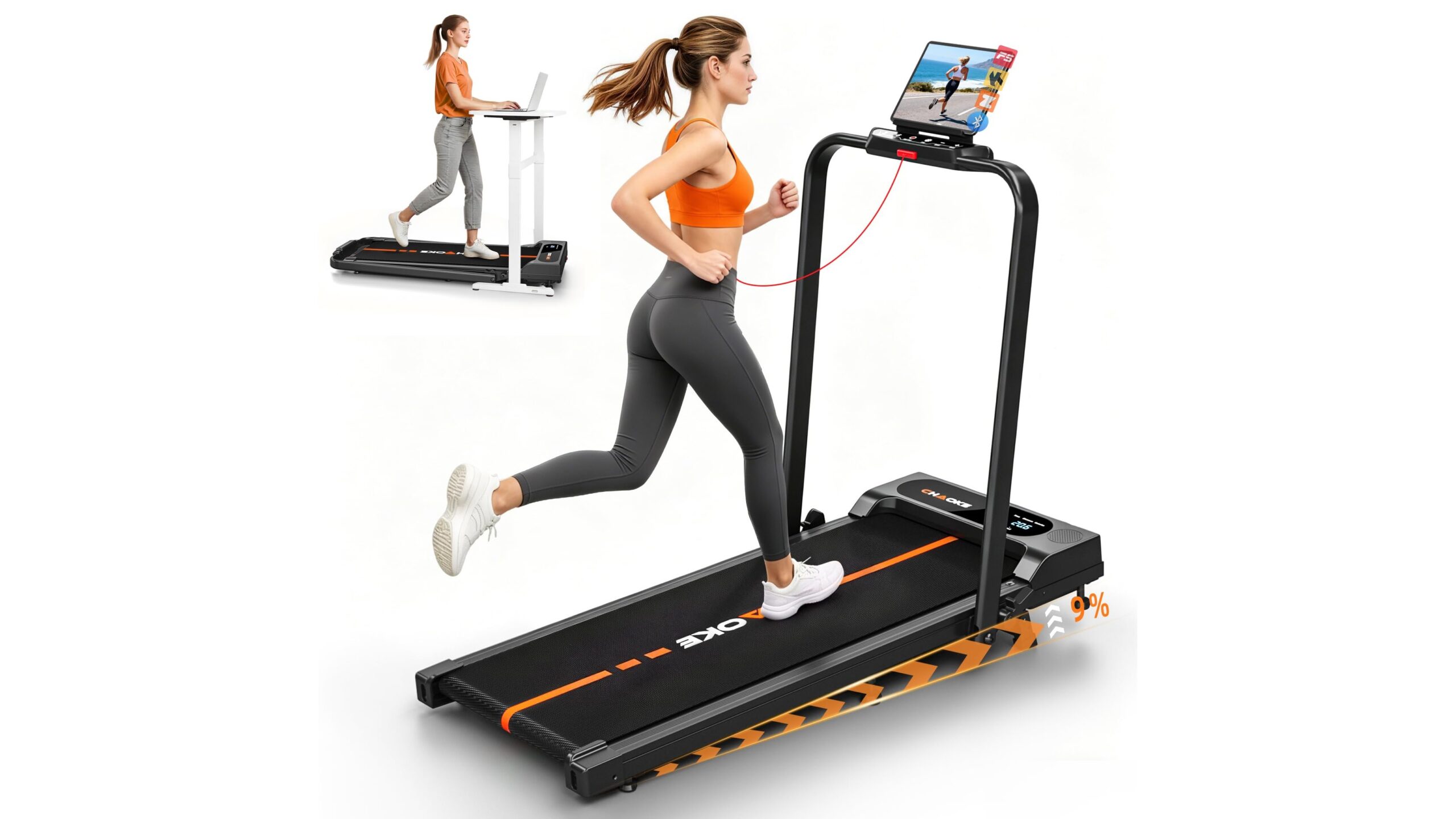
When you are ready to add cardio, look for compact machines with strong handrails instead of focusing on speed or incline. Folding treadmills or walking pads that offer low starting speeds and extended side rails are especially useful for seniors who want to walk indoors when weather or safety is a concern. Prioritise simple, large controls and a clear display, avoiding overly complex programs. Start with short, five- to ten-minute walks while lightly holding the handrails, and always wear supportive shoes. If a treadmill feels intimidating, consider alternative low-impact cardio options like a mini stepper with resistance bands, again choosing models with stable bases and non-slip footplates to keep each session confident and secure.
Finishing touches: chairs, mats and practical accessories
The most overlooked but vital “equipment” in a senior home gym is often ordinary household items used wisely. A sturdy, armless chair becomes the station for sit-to-stand practice, one of the best exercises for preserving independence. A thick, non-slip exercise mat cushions knees and hips during floor work and can also be used for lying stretches that relieve back tension. Consider adding a simple support bar or rail fixed to a wall for balance training if space and budget allow. Finally, keep a small basket nearby with essentials: a water bottle, towel and notebook to log your sessions. These practical touches turn your home corner into a dedicated, inviting space that encourages consistent, safe movement.
For seniors building a home gym, the smartest approach is to think “stable first, stronger second.” Begin with a balance pad and supportive resistance bands; later, add light dumbbells and carefully chosen cardio equipment with good handrails. Round everything out with a sturdy chair and quality mat. By prioritising balance, joint comfort and easy setup, you create a space that supports daily life, reduces fall risk and makes it easier to stay active and independent for years to come.