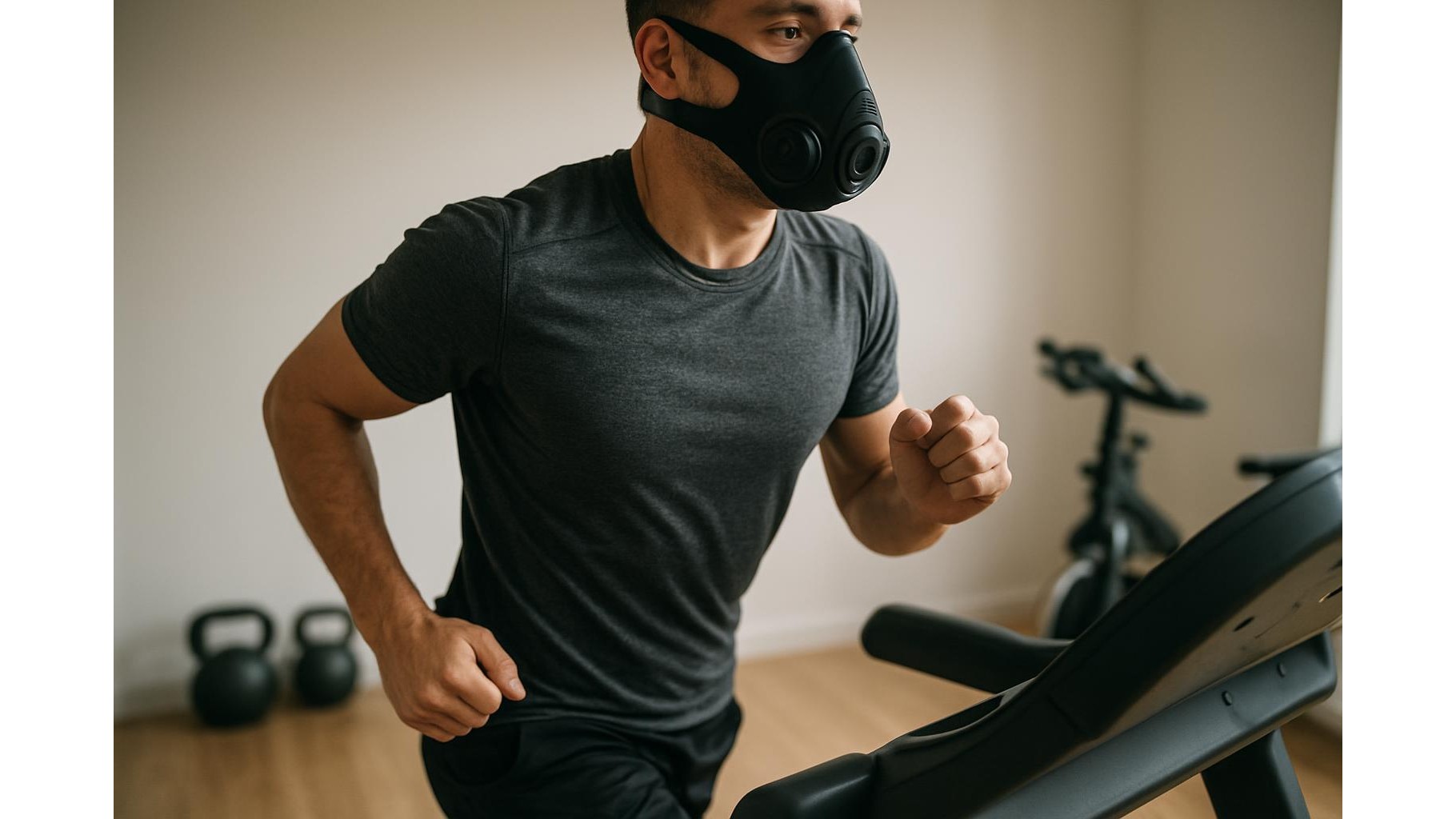
High-altitude training masks have become a popular accessory in the home gym, promising better cardio performance, faster fat loss and dramatic gains in VO2max. But what do these masks really do, and how can you use them safely with a treadmill, exercise bike or bodyweight circuits? This guide explains how they work, who might benefit, the most common myths, and the essential safety rules if you want to add them to your home cardio routine.
How high-altitude masks actually work
Despite the name, most high-altitude training masks do not truly simulate altitude. Instead, they create inspiratory resistance, making it harder to breathe air in and out. Adjustable valves or caps increase or decrease this resistance, which can strengthen the respiratory muscles (diaphragm and intercostals). Some models include multiple resistance levels so you can progress over time. However, they do not reduce the oxygen percentage in the air the way real altitude does. That means you are mainly training your ability to tolerate breathing discomfort and slightly improving breathing efficiency, not turning your living room into a mountain camp.
Real benefits: who might actually gain from a mask
Used intelligently, an altitude-style training mask can offer modest benefits to certain users. Endurance athletes, combat sports practitioners and people doing intense HIIT may experience better breath control and slightly improved respiratory endurance. In a home gym, that can mean feeling less out of breath during tough interval sessions or long cardio blocks. Some users find that the mask forces them to focus on slow, deep breathing instead of shallow, rushed breaths, which can improve pacing. For beginners, however, the mask is not necessary; simply building a base with regular, progressive cardio is far more important than adding breathing resistance.
Myths about fat loss and VO2max
Marketing often suggests that a training mask melts fat and dramatically boosts VO2max. This is a myth. Fat loss still depends mainly on a calorie deficit created by diet and consistent activity. The mask might make a workout feel harder, but wearing it does not magically burn more calories if the workload stays the same. Likewise, research shows only small or inconsistent effects on VO2max compared with classic interval training without a mask. If your goal is maximum aerobic improvement, prioritise structured intervals, longer steady-state sessions and progressive overload. Think of the mask as an optional accessory for breathing-specific training, not a shortcut to elite conditioning.
Using a mask with treadmills, bikes and circuits at home
When pairing a training mask with home cardio equipment, keep the session simple and controlled. On a treadmill, start with low speeds and no incline, using short intervals (for example 1 minute with the mask, 2 minutes without) while monitoring how you feel. On an exercise bike, stay seated and avoid all-out sprints until you are accustomed to the breathing resistance. During bodyweight circuits such as squats, push-ups and lunges, reduce the total volume and rest longer between rounds. Always treat the mask as an added stressor: when you put it on, lower speed, intensity or duration to keep the overall training load under control in your home gym.
Essential safety rules and warning signs
Because a high-altitude mask makes breathing harder, safety must come first. Never use one if you have respiratory, cardiovascular or blood pressure issues without medical clearance. Train in a well-ventilated room, and stop immediately if you feel dizziness, chest pain, nausea, tingling, extreme shortness of breath or confusion. Avoid using the mask during complex movements (like heavy lifting) that require perfect technique. Start with very short exposures, such as 5–10 minutes at low intensity, and progress slowly. Remember that removing the mask and returning to normal breathing should bring rapid relief; if you still feel unwell, end the session and seek medical advice.
Smart expectations for home-gym athletes
In a home gym, a high-altitude training mask can be a useful but limited tool. It may improve breathing awareness and respiratory muscle endurance, especially for already fit users who have mastered basic cardio training. It will not replace a solid programme of progressive runs, rides and circuits, and it will not transform fat loss or VO2max on its own. If you choose to experiment with a mask, set realistic goals, scale your workouts conservatively and respect basic safety guidelines. Used this way, it becomes an interesting accessory to fine-tune your home cardio – not a magic device, but another option in a well-designed training plan.