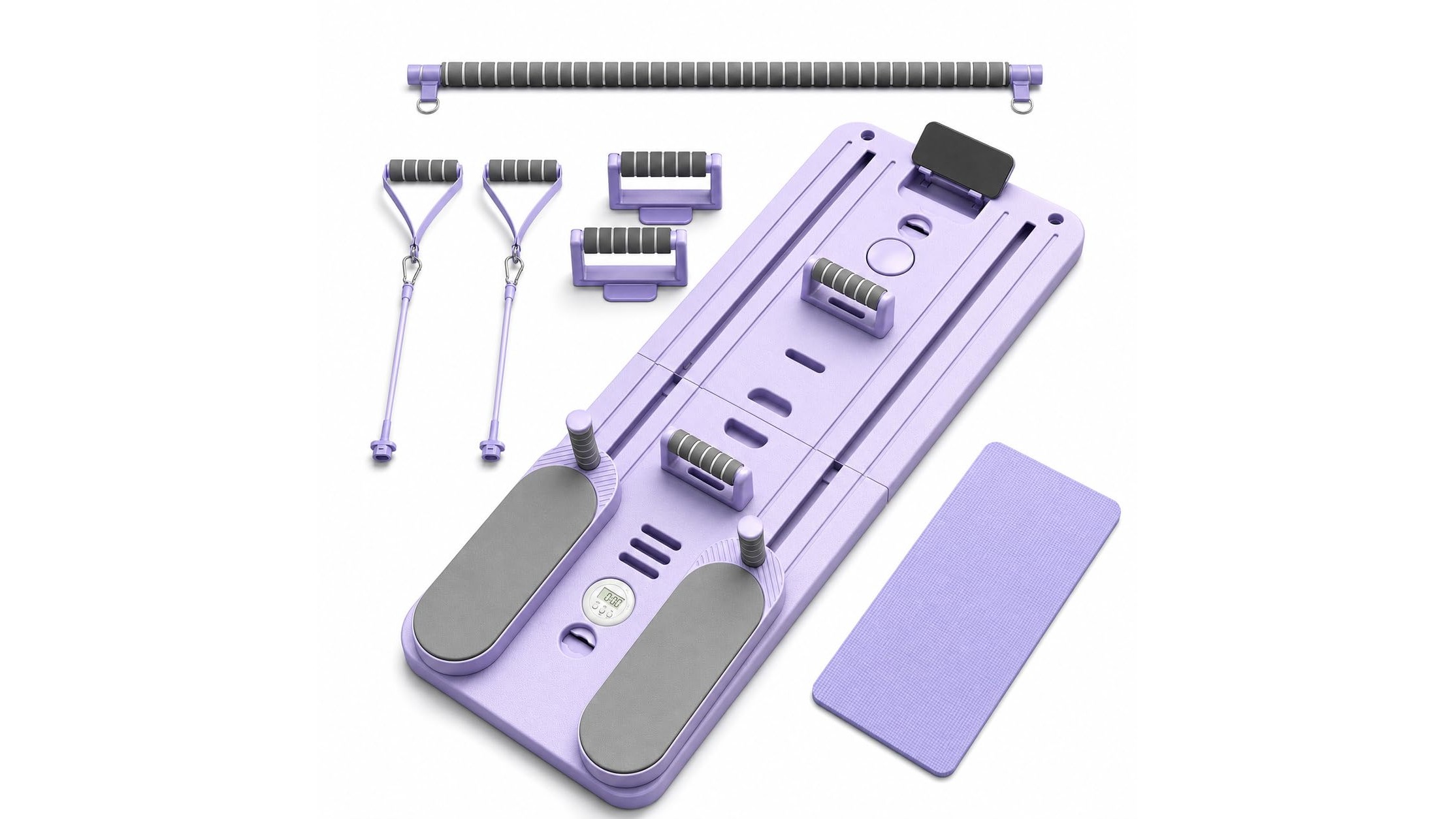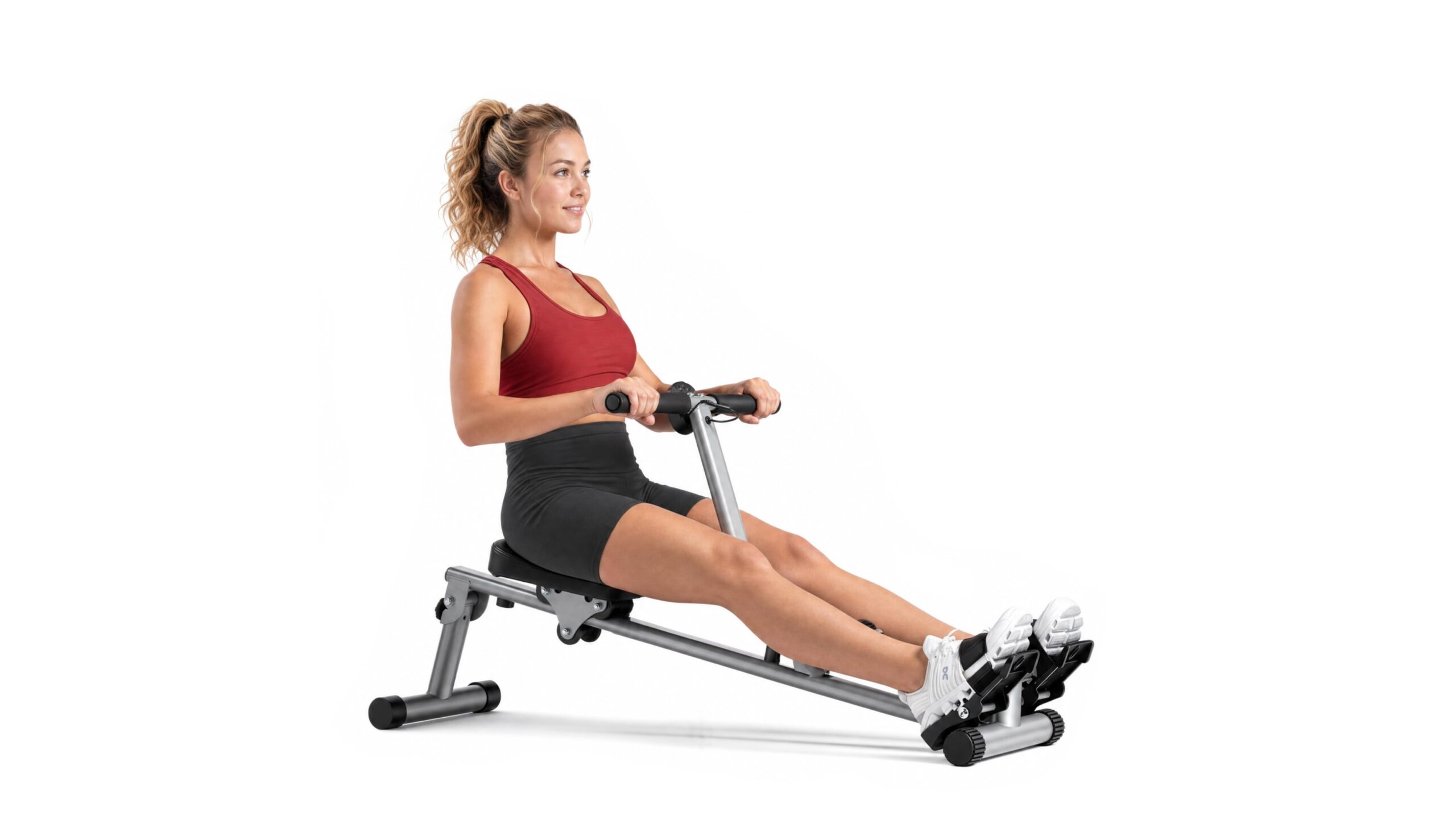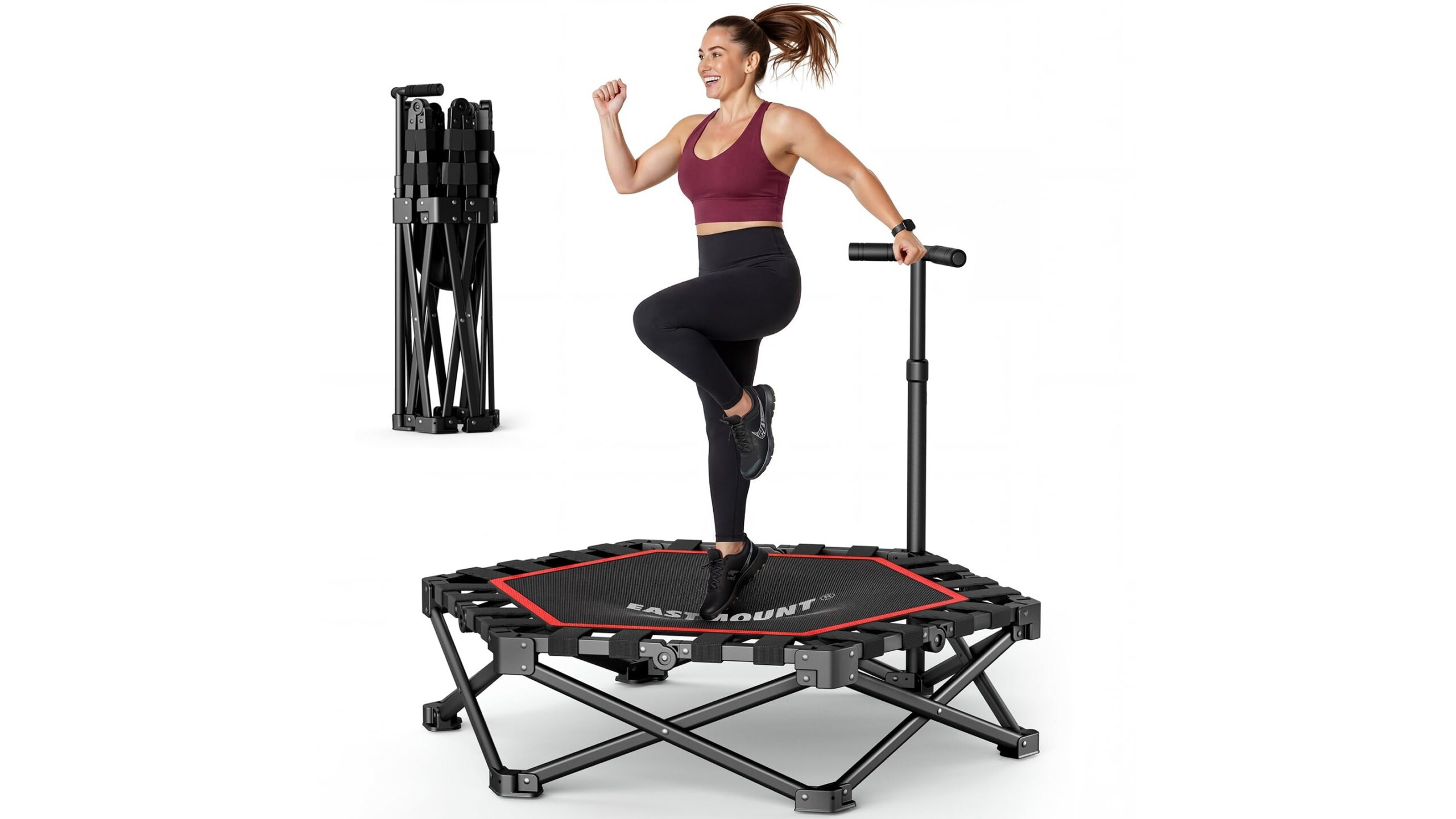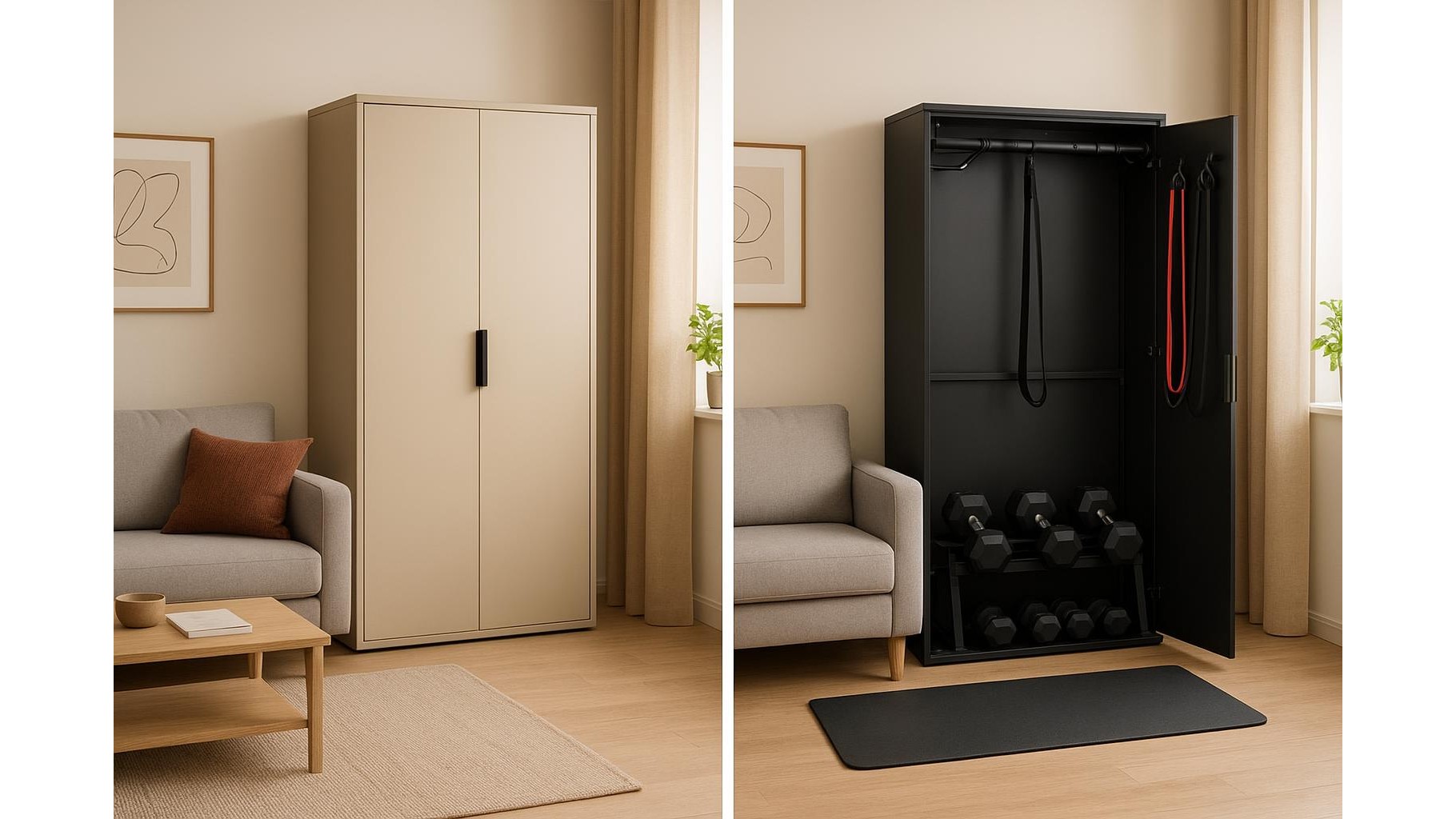
Living in a studio or compact flat no longer means giving up a serious strength routine. Fold-out home gym cabinets – often called murphy-style strength stations – collapse neatly against the wall or disguise themselves as furniture when not in use. Choosing the right system for a tiny space is about more than looks: you need safe anchoring, adequate weight capacity, smart exercise options and a layout that fits your daily life without dominating your living room.
Table of contents
Understanding fold-out home gym cabinets
A fold-out home gym cabinet is a wall-mounted or freestanding frame that swings or slides open to reveal strength-training tools such as resistance bands, cable pulleys, shelves for dumbbells or hooks for accessories. When you finish your workout, the structure folds back into a compact profile, often resembling a wardrobe or flat wall panel. Compared with traditional power racks, these systems are lighter, shallower and more design-conscious, optimised specifically for small apartments. The trade-off is that you must pay close attention to stability and installation quality, because the wall and hinges effectively become part of your training equipment.
Key safety and installation considerations
Safety starts with the wall. Before installing any murphy-style strength station, confirm that the chosen wall is load-bearing or at least strong enough to accept heavy-duty anchors. Plasterboard over weak framing is a red flag for loaded pull-ups or cable rows. Use the manufacturer’s recommended fixings and, if you rent, get written permission before drilling. Ensure there is enough clearance around the cabinet for exercises: a minimum of the user’s full height plus arm reach in front, and sufficient ceiling height to press or stretch overhead without hitting light fixtures. Check that exposed edges and hinges are smooth or protected, and always respect the specified maximum user weight and load rating. A fold-out system should lock solidly in both open and closed positions so it cannot swing unexpectedly during a set.
Choosing the right weight capacity and resistance
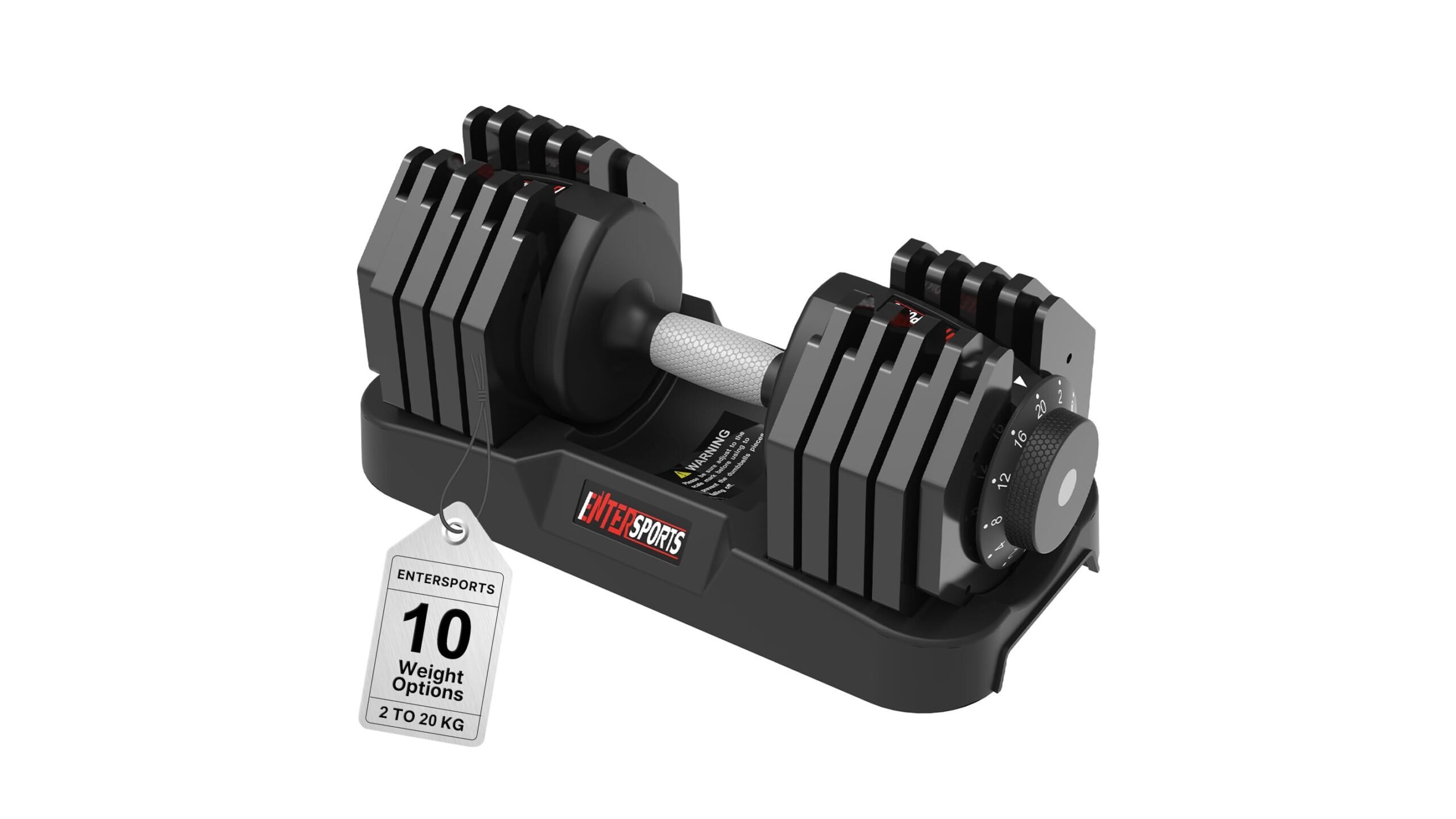
Because space-saving cabinets rarely support heavy barbell work, your main loading options are adjustable dumbbells, resistance bands and lightweight cable stacks. For general strength, aim for a system that allows at least the equivalent of your bodyweight in combined resistance for compound moves: think heavy band anchors or robust cable attachments. Beginners can start with lighter loads, but intermediate trainees will quickly outgrow flimsy bands or plastic hinges. Look for cabinets with labelled anchor points at different heights so you can adjust resistance direction and leverage. If the system integrates storage, ensure the shelves or hooks can safely handle the weight of your heaviest dumbbells without bowing. A clearly stated dynamic weight rating is a sign that the manufacturer has considered real training forces, not just static storage.
Best exercises for tiny-space strength training
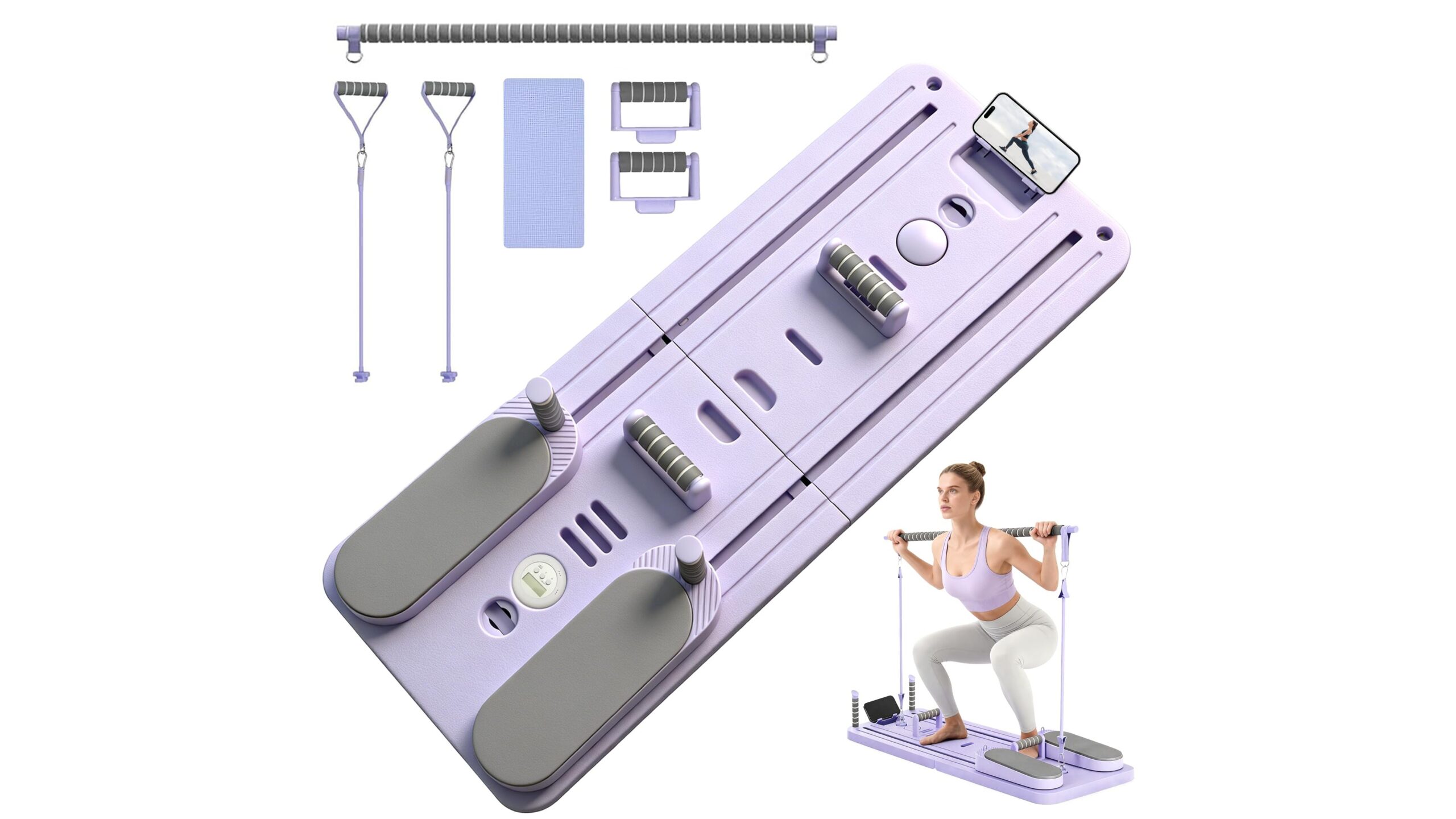
The advantage of a well-designed fold-out station is that you can build a full-body routine within a footprint not much larger than a yoga mat. Prioritise multi-joint movements that deliver maximum strength benefit per square metre. With bands or cables anchored to the cabinet, you can perform squats, split squats, rows, chest presses, pulldowns, face pulls and core rotations. A pull-up bar integrated into the frame adds vertical pulling without extra equipment, while low anchors allow hip hinges, glute bridges and hamstring curls. Focus on standing and half-kneeling positions that don’t require a bench, and use one pair of adjustable dumbbells to expand your options to shoulder presses, goblet squats, Romanian deadlifts and rows. Plan sessions so that you move logically between anchor heights, reducing the need to reconfigure the station between every set.
Making it liveable: design, storage and noise control
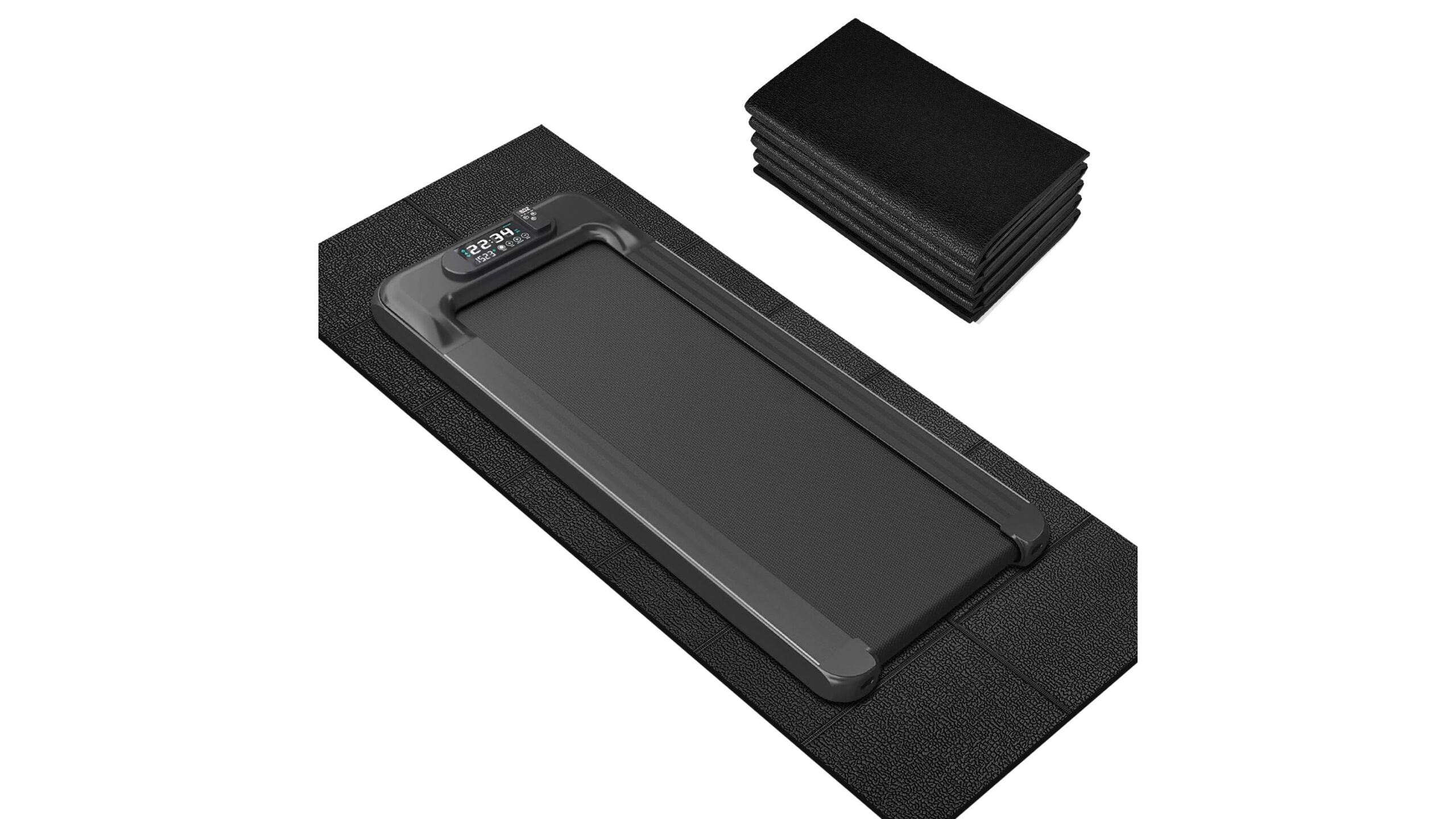
In a small flat, your fold-out gym cabinet sits in the same room where you relax and entertain, so aesthetics and noise matter. Choose finishes that match your existing furniture – neutral wood, white or black panels often blend best. Integrated storage solutions for bands, handles and dumbbells keep the interior tidy and prevent clutter spilling onto the floor. Soft-close hinges and rubber bumpers reduce impact noise when folding the unit away, and adding a quality exercise mat protects both joints and flooring while dampening sound for neighbours. If you share the space, consider how far the cabinet projects when open and whether it blocks doorways or windows. The ideal murphy-style station becomes almost invisible when closed, preserving a calm, uncluttered living area between workouts.
Choosing the right murphy-style fold-out home gym cabinet is about balancing safety, capacity and usability inside a very limited footprint. Confirm that your wall and fixings can handle the forces you plan to apply, select a system with enough resistance range to progress your training, and prioritise versatile movements that work your entire body in one spot on the floor. With thoughtful design and smart storage, a cabinet-style strength station can turn even the smallest apartment into a highly functional, invisible gym that appears only when you need it and disappears the rest of the day.