If you train in a tiny flat or a crowded garage, a full barbell setup can feel impossible. This is where dumbbell bar connectors promise a clever workaround: join two dumbbells together and you get a kind of compact barbell. But when does this actually make sense, and when is it smarter to save for a real bar? This guide looks at how connector systems work, who they suit, key safety tips, and practical example setups for very small home gyms.
How dumbbell bar connectors work
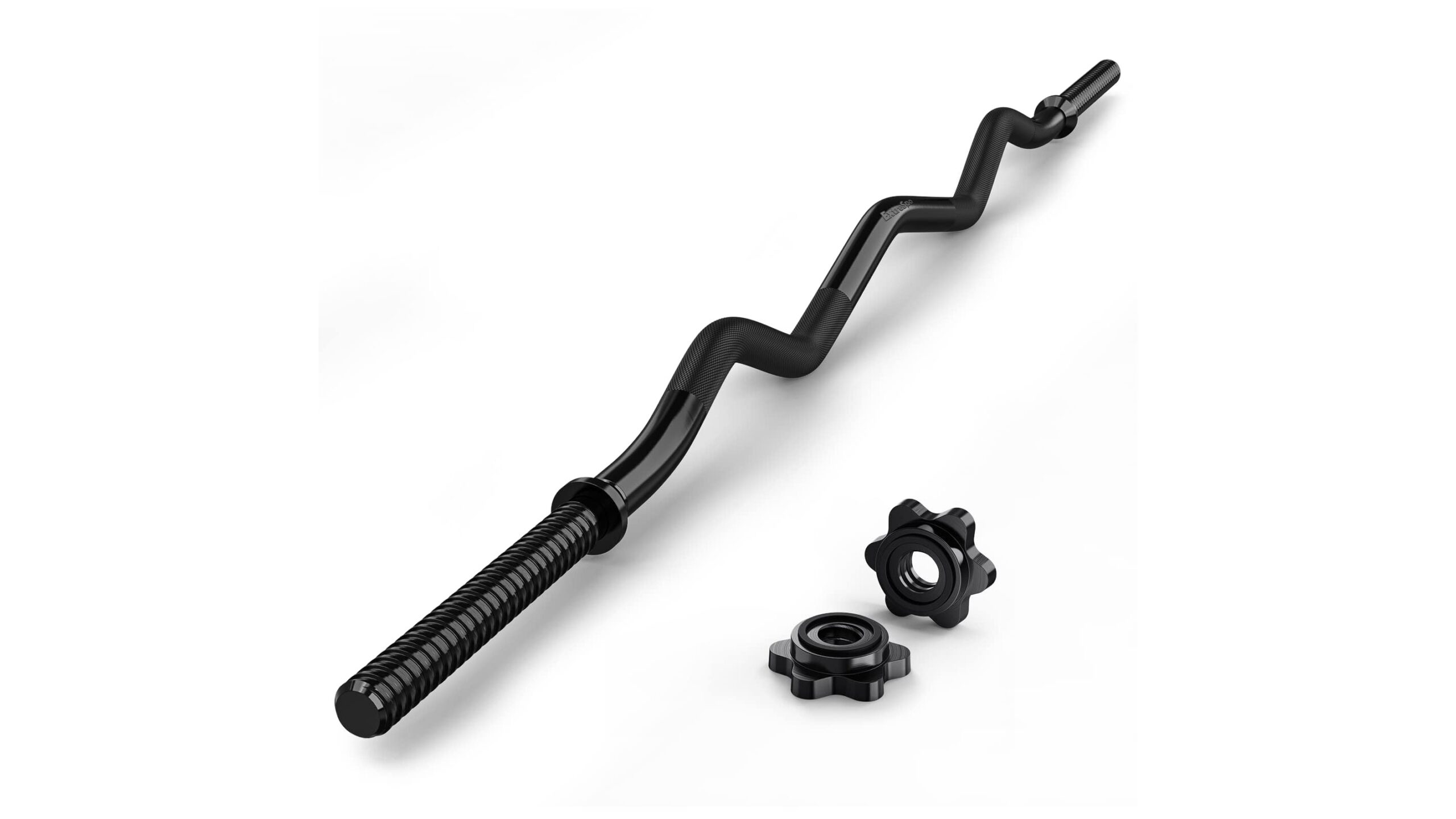
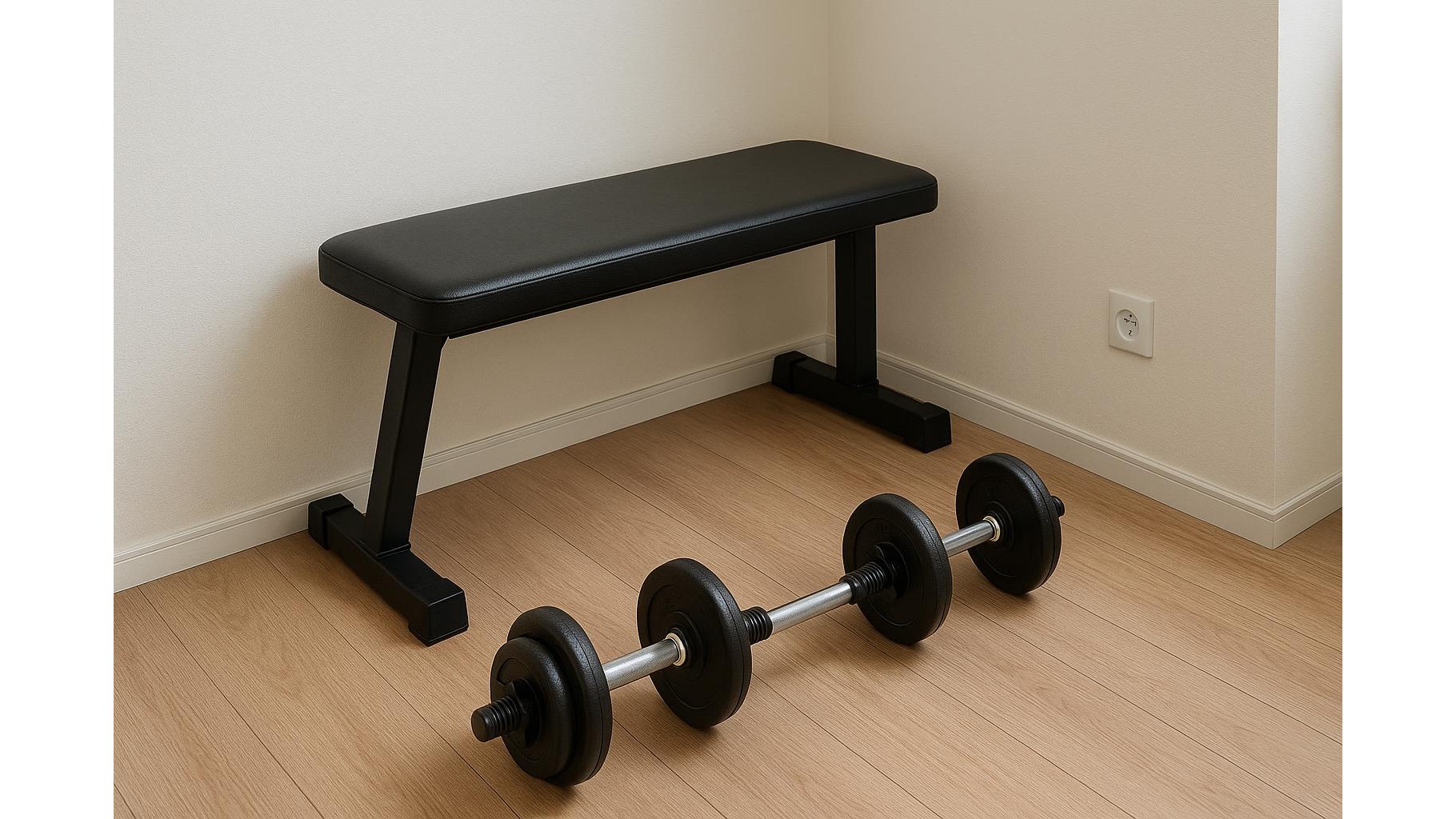
A dumbbell to barbell connector is usually a short steel bar or sleeve that attaches to the handles of two adjustable dumbbells, locking them together so they act like one bar. Most systems use either clamping collars or threaded sleeves that grip the dumbbell handles. Once tightened, you can perform basic barbell-style movements such as bench press, overhead press, rows and even squats. The big advantage is that you reuse plates and dumbbells you already own, instead of buying a separate barbell and plates. This is especially useful for lifters training in very tight spaces, or renters who cannot store long bars and bulky racks.
Who dumbbell bar connectors are best for
Connector systems are best for beginner to intermediate lifters, or anyone whose main goal is general fitness, hypertrophy and light to moderate strength work. If your current dumbbells top out around 20–30 kg per hand, a connector can give you enough loading for presses, rows and lunges without needing a full Olympic bar. They are also a good fit for people sharing a small living space: one pair of adjustable dumbbells plus a connector keeps your entire home gym footprint under a bed or in a wardrobe. On the other hand, if you are training for powerlifting or want to deadlift heavy, you will quickly run into stability and load limits with any connector system.
Safety tips when turning dumbbells into a barbell
Even the best dumbbell connector bar has inherent stability drawbacks versus a solid barbell. The dumbbells can rotate or shift if the clamps are not perfectly secure, and the handles are usually closer together than on a standard bar, which changes joint angles. To train safely, always follow a simple checklist:
- Double-check that all clamps, collars or screws are fully tightened before each set
- Stay away from maximal singles; use higher reps and controlled tempos
- Avoid fast Olympic-style lifts and jerky movements
- Use spotter arms or a sturdy bench setup when pressing near your limit
- Stop immediately if you feel any twisting or loosening of the dumbbells
Treat the connector as a tool for controlled, moderate loads rather than as a substitute for heavy barbell work.
When to choose a real barbell instead
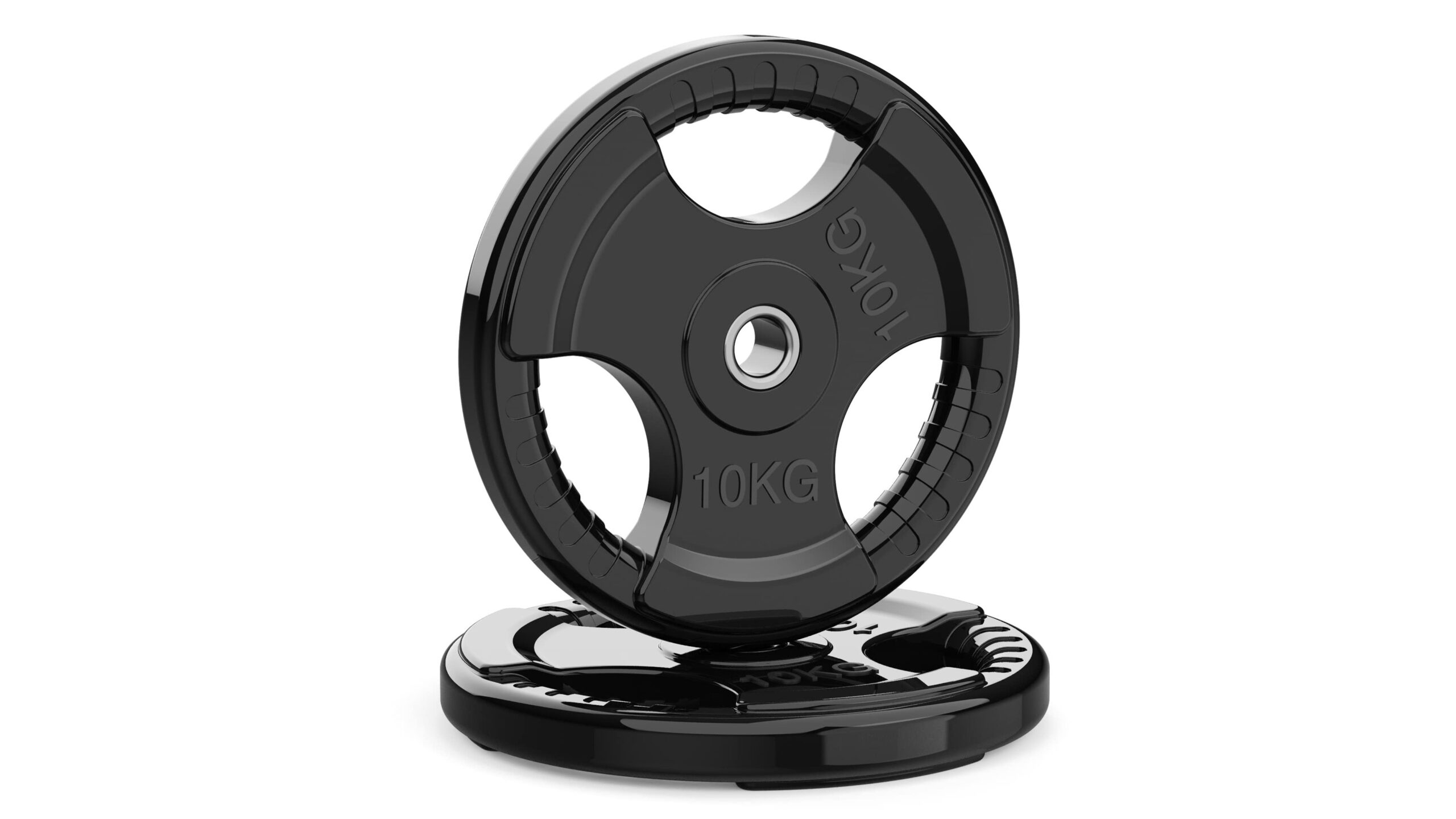
There is a clear point where it is better to invest in a proper barbell. If you routinely press more than 60–70 kg, want to deadlift or squat heavy, or care about accurate progressive overload, a solid bar with proper weight plates is the safer and more efficient option. A full barbell also offers better balance for movements like low-bar back squats and conventional deadlifts, and it interfaces correctly with power racks and squat stands. In very small homes, a short 5 ft or 6 ft bar plus compact plates is often a better long-term investment than relying solely on connectors, especially if you plan to train consistently for years and steadily increase strength.
Example setups for tiny home gyms
If you are working with minimal space, a hybrid setup can be ideal. For example:
- Start with one pair of adjustable dumbbells (up to 20–25 kg per hand) for isolation work and unilateral exercises
- Add a dumbbell bar connector to enable barbell-style presses, rows and front squats using the same plates
- Use a folding bench that can slide under a bed to keep the floor clear
- Include basic resistance bands to fill gaps for movements that feel awkward with the connector
This combination keeps initial cost and storage needs low while still covering most major movement patterns. As your goals become more strength-focused, you can phase in a short barbell and plates while still keeping the connector for travel or backup use.
In summary, dumbbell bar connectors are a smart niche solution for small spaces and moderate training loads. They shine when you want to squeeze maximum versatility out of one pair of dumbbells, especially for pressing and rowing patterns. However, they are not a perfect replacement for a full barbell setup, particularly if heavy squats and deadlifts are part of your long-term plan. Think of them as a compact bridge between pure dumbbell training and a dedicated barbell home gym, and choose based on your space, budget and strength goals.