Adding a compact weight sled to your home gym is one of the most effective ways to build full‑body strength and conditioning without needing a lot of equipment. Unlike bulky commercial sleds, home‑friendly options are designed for short hallways, driveways and small yards, giving you powerful training stimulus in tight spaces. In this guide we’ll look at the main types of sleds suitable for home use, how to protect your floors, which harnesses and handles to choose, and sample workouts tailored for compact environments.
Types of compact sleds for small spaces
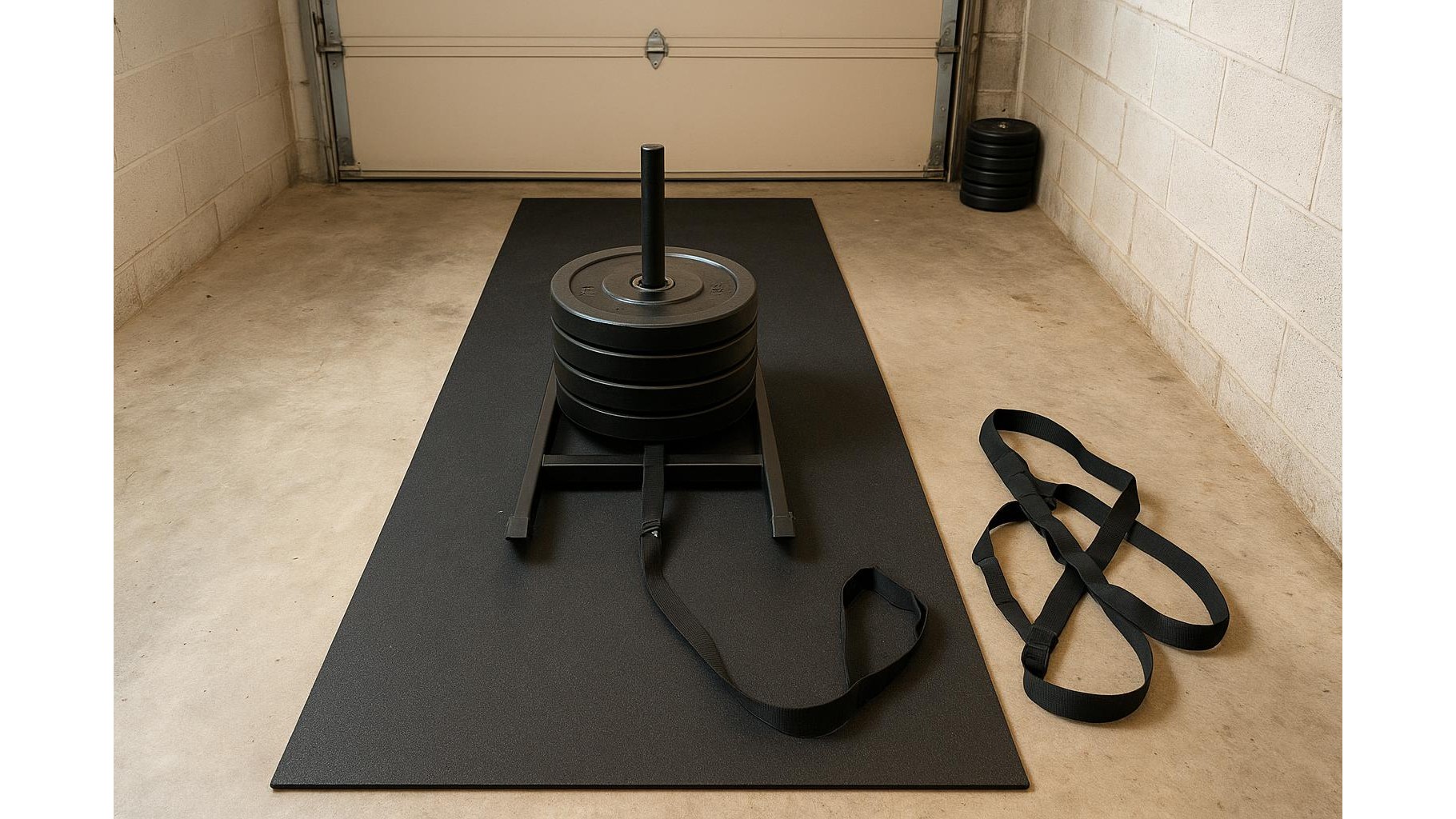
For home use, the best options are compact drag sleds and multi‑surface training sleds. Low‑profile drag sleds are basically a small plate tray with attachment points for a rope or harness; they’re ideal if you train in a short driveway or small garden where you can walk back and forth. Multi‑surface sleds feature smoother bases or replaceable feet that work on rubber flooring, garage concrete or even outdoor tarmac. When choosing, check the footprint: shorter, narrower sleds change direction more easily, which matters when you’re turning around every 5–10 metres instead of sprinting down a full turf track.
How to protect floors and reduce noise
If you’re training indoors, floor protection is crucial. Standard metal sleds can scratch tiles and noisy drags can annoy neighbours. Look for sleds with nylon skids or plastic feet, or add a thick rubber mat runway under your sled path. In very tight hallways, some lifters place the sled on a folded heavy‑duty moving blanket or low‑friction mat to quieten the drag while still offering resistance. Keep loads moderate indoors; use more distance or intervals instead of max‑weight pushes. Regularly clean sand or small stones from the sled base and floor to prevent abrasion and make the glide smoother and more predictable.
Harnesses and handles for versatile sled work
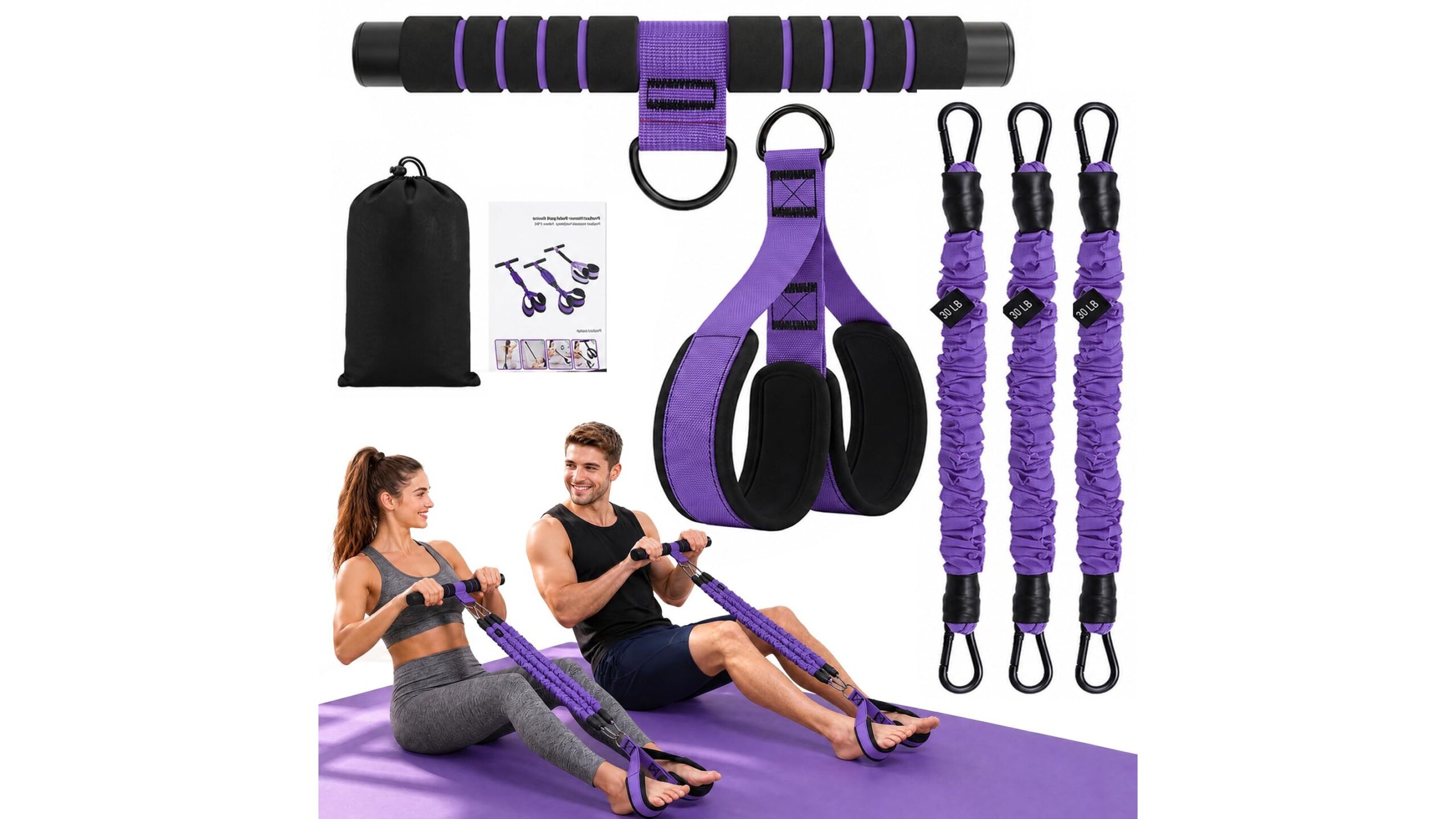
To get the most from a compact weight sled, pair it with a good sled harness and a set of pulling handles or a rope. A padded shoulder harness lets you do forward drags for legs and conditioning without needing to lean heavily against the sled, which is helpful in narrow spaces. Clip‑on tow straps with carabiners make it quick to switch between a harness and single‑hand row handles. With handles, you can perform backward drags, upright rows and face pulls while walking, turning your small driveway or corridor into a moving cable machine. Prioritise adjustable straps so you can fine‑tune length for your height and the length of your training lane.
Programming sled training in tight areas
In small spaces, you’ll rely more on time‑based intervals and short‑distance repeats than long sprints. A simple strength‑focused session could be 8–10 rounds of 10–15 metre heavy drags with 60–90 seconds rest, turning quickly at each end. For conditioning, go lighter and alternate 30 seconds of forward drags with 30 seconds of rest for 8–12 minutes. Because sled work is concentric‑dominant and low impact, it’s easier to recover from than squats or deadlifts, so you can use it 2–4 times per week as a finisher. Adjust load so you can maintain good posture without excessive leaning, especially when you only have a few metres before needing to decelerate.
Sample full‑body sled workouts for home
Here are two sample sessions tailored to home gym spaces. For lower‑body strength, load the sled heavy and repeat: 10 m forward harness drag, turn, 10 m backward drag, rest 90 seconds; complete 6–8 rounds. For a conditioning and upper‑body emphasis, use a moderate load and cycle: 20 m forward drag, 20 m backward drag, 20 m hand‑over‑hand rope pull, rest 60 seconds; repeat for 10–15 minutes. If your available lane is only 5–7 m, simply count laps instead of distance. Combine these workouts with simple bodyweight moves like push‑ups or lunges between rounds to turn your compact sled into the centrepiece of a highly effective, space‑efficient training plan.
Used wisely, a compact weight sled can transform even the smallest garage, hallway or driveway into a powerful conditioning zone. By choosing a sled with an appropriate footprint, protecting your floors, investing in versatile harnesses and handles, and programming smart intervals that suit your layout, you’ll unlock joint‑friendly strength and endurance sessions without needing a full commercial setup. Start light, learn how your sled behaves on your surfaces, then gradually progress loads and volume to build serious fitness in a very small space.