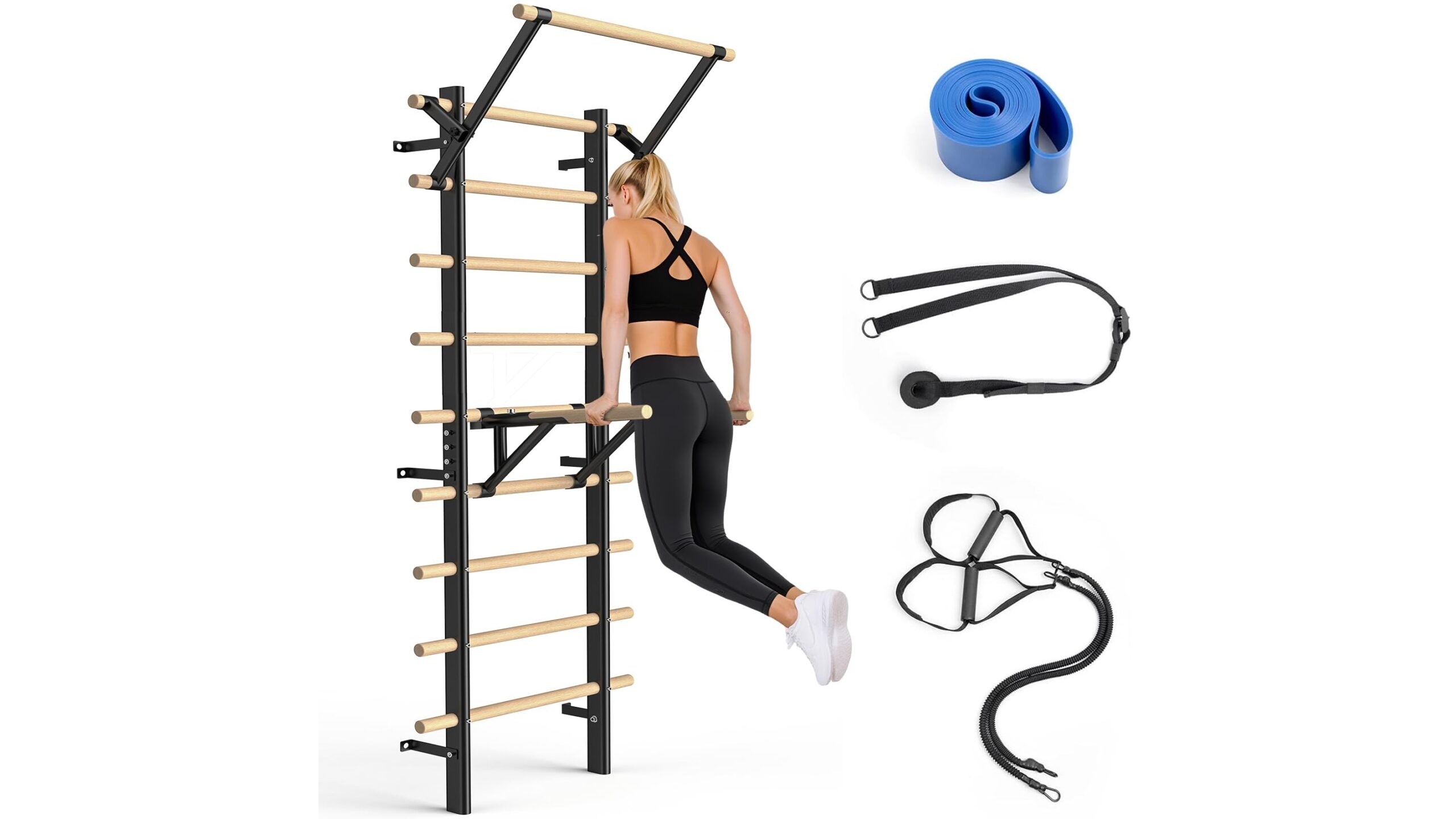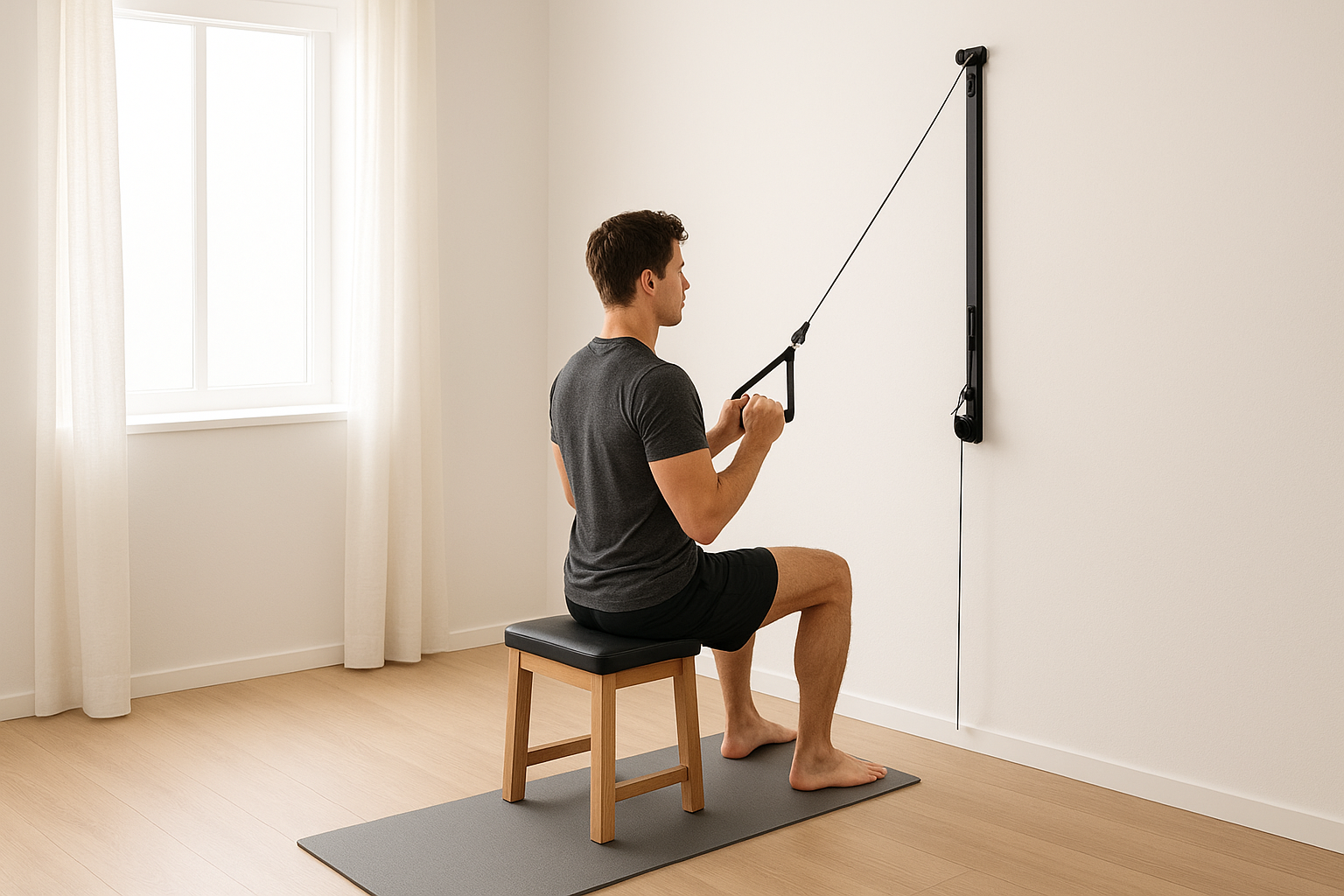
When you have only a corner of a room for training, a compact wall-mounted cable pulley can turn that tiny space into a surprisingly complete full-body workout station. Unlike bulky multi-gyms, a slim cable system mounted to the wall lets you train chest, back, shoulders, arms, core and legs with smooth resistance and minimal footprint. In this guide, we’ll see how to choose a compact wall-mounted pulley, what to look for in installation, and which exercises allow you to build an efficient home gym in just a few square metres.
Table of contents
Why a wall-mounted cable pulley is perfect for tiny home gyms
A wall-mounted cable machine solves the classic small-space problem: you need versatility without occupying the whole room. A cable system offers constant tension and freedom of movement that dumbbells alone can’t always match, making it ideal for isolation work, rehab, and controlled strength training. When folded or kept close to the wall, it leaves floor space free for mats or benches. Modern compact designs are also quieter and more discreet than full racks, so they fit well into living rooms, offices, or studio flats where you can’t dedicate a full room to training.
[premium_placeholder type=”cta” id=”telegram”/]
Key features to look for in a compact wall-mounted cable pulley
When choosing a compact cable pulley, focus on a few essential elements. First, check the load capacity and whether the system uses weight plates you already own or a selectable weight stack. A plate-loaded system is often cheaper and more compact. Second, look at height adjustability: the more positions the pulley has along the upright, the easier it is to perform both low and high cable exercises. Smooth pulley rotation, strong cables, and solid wall-mounting brackets are critical for safety. Finally, consider footprint and depth: for very tight spaces, choose a model designed to sit almost flush to the wall, so it doesn’t protrude into the room when not in use.
Installation tips and safety in minimal spaces
Before installing a wall-mounted pulley, verify that your wall can handle the load. Ideally, you’ll mount into solid brick, concrete, or structural studs, using the fixings recommended by the manufacturer. Keep at least a small training zone free in front of the pulley (around 1.5–2 metres if possible) so you can step forward, lunge, or kneel safely. In a micro-gym, it may help to place the pulley next to a doorway or room corner, so the cable can run diagonally across the only open area. Regularly inspect bolts, brackets and cables for wear, especially if you train multiple times per week. Good installation is what allows you to pull hard on the handle without worrying about the wall.
Upper-body and core exercises with a single pulley column
Even a basic single-stack, wall-mounted pulley can cover most upper-body and core needs. For pushing muscles, try standing single-arm chest presses and cable flyes using a handle set at mid-chest height. For the back, perform lat-focused pulldowns from a high anchor and seated cable rows from a low anchor, sitting on a compact bench or even a sturdy chair. Shoulders and arms benefit from lateral raises, front raises, biceps curls and triceps pushdowns with simple handle or rope attachments. For the core, add anti-rotation presses (Pallof press), woodchoppers and cable crunches to build stability without needing large machines or extra floor space.
Leg and glute training when space is extremely limited
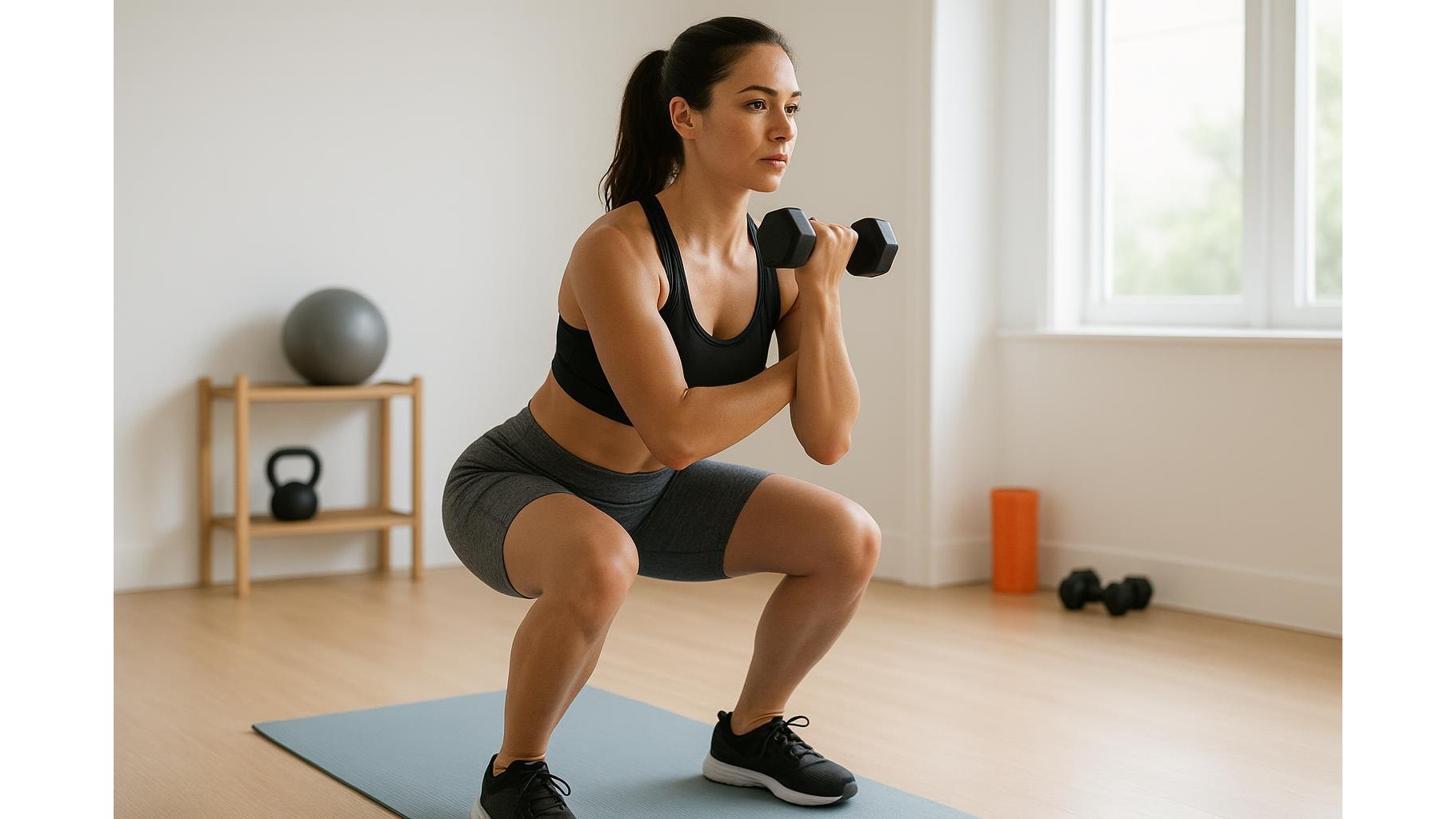
Lower-body work is often the hardest to fit into a micro gym, but a cable pulley plus a simple ankle strap can go a long way. Attach the strap to your ankle and use a low pulley for cable kickbacks targeting the glutes, hip abductions for outer thighs and hip adductions for inner thighs. Standing cable hamstring curls and assisted squats with the pulley in front of you can complement bodyweight squats and lunges when you don’t have a barbell setup. Because the machine stays tight to the wall, you can perform these movements in a narrow corridor-like space, rotating your body relative to the pulley to find the best angle while keeping your feet within a very small footprint.
Planning your weekly full-body routine around the wall unit
To turn your compact wall-mounted cable pulley into a true full-body station, structure your week around simple, repeatable sessions. For example, train three days per week with full-body workouts: one push–pull–legs circuit using mostly cable work, one strength-focused day with heavier loads and fewer reps, and one lighter session emphasising core stability and unilateral exercises. Combine your cable moves with a few free-weight or bodyweight staples (push-ups, split squats, hip thrusts) to cover all major patterns without extra machines. This approach lets you progress over time while preserving what matters most in a small home: floor space and everyday liveability.
In summary, a compact wall-mounted cable pulley is one of the most efficient investments for a small home gym. By choosing a model with solid construction, smooth movement and smart wall-mounting, you can train every major muscle group in just a few square metres. With thoughtful placement, safe installation and a balanced exercise plan for upper body, core and legs, your wall cable station becomes a complete training hub that fits neatly into modern, space-conscious living.