Multi‑angle push‑up boards have exploded in popularity as compact tools that promise better form, targeted muscle activation and faster gains than classic floor push‑ups. In a home gym, where space and budget are limited, it’s worth asking whether these colourful boards with fixed hand positions are actually more than a gimmick. This article looks at how they work, what muscles they really train, their pros and cons compared to regular push‑ups, and whether they deserve a permanent place in your setup.
How multi‑angle push‑up boards work
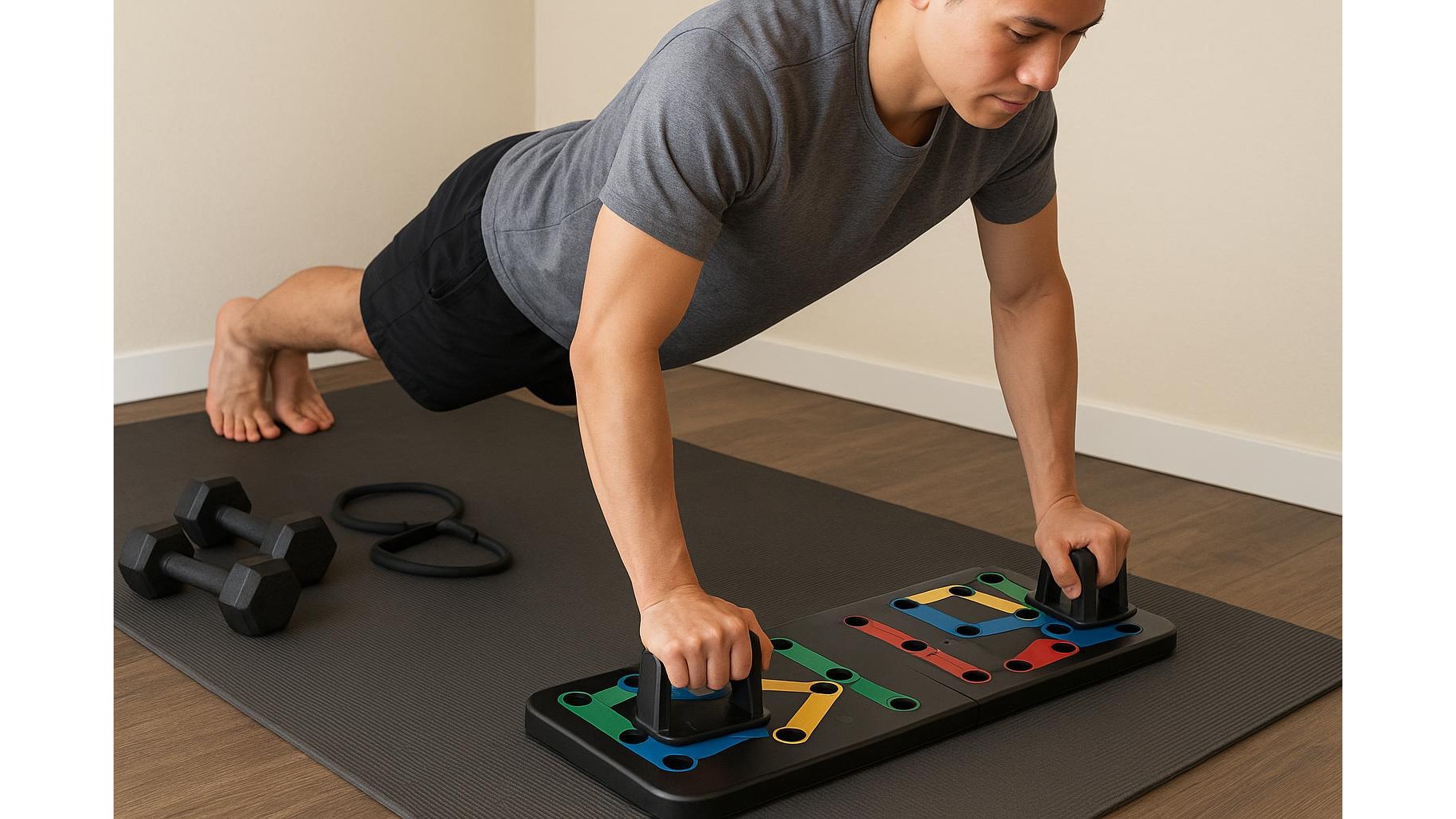
A multi‑angle push‑up board is essentially a flat base with multiple coloured slots or markings where you can place detachable handles. Each colour generally corresponds to a different hand position designed to bias a specific muscle group: for example, wider positions for the chest, closer positions for triceps, and neutral grips for shoulders. The idea is that by changing the angle and width of your hands while keeping them locked into stable slots, you can standardise form, reduce wrist strain and more precisely target certain muscles. Unlike simple push‑up bars, these boards emphasise pre‑set angles, making it easier for beginners to follow a structured routine without guessing hand placement.
What muscles do multi‑angle push‑up boards target?
Despite the variety of angles, multi‑angle boards still revolve around the classic push‑up pattern, so the prime movers are the pectorals, triceps and anterior deltoids. Wide, externally rotated grips tend to emphasise the chest, closer grips bring the triceps into play, while neutral or slightly rotated positions can be more shoulder‑friendly. Secondary muscles include the core (to maintain a rigid plank), glutes and scapular stabilisers. Realistically, the board will not magically turn a push‑up into a back or leg exercise; it simply refines how you load your upper body. For home trainees, the key benefit is having multiple variations in one compact tool that can be rotated through a week for more variety without extra equipment.
Pros: comfort, guidance and variety versus floor push‑ups
Compared with traditional floor push‑ups, multi‑angle boards offer several advantages. The elevated handles place your wrists in a more neutral position, which can be a major relief if you experience wrist pain on the floor. The fixed slots also act as a form guide: by placing your hands in the same positions each session, you reduce the temptation to drift into sloppy or unsafe form. Having colour‑coded positions gives beginners a simple, visual way to switch between chest‑, shoulder‑ and triceps‑focused variations without deep anatomical knowledge. Finally, for a home workout routine, the board adds perceived novelty and structure, which can help adherence—especially for those who find standard bodyweight training monotonous.
Cons: limitations, learning curve and space trade‑off
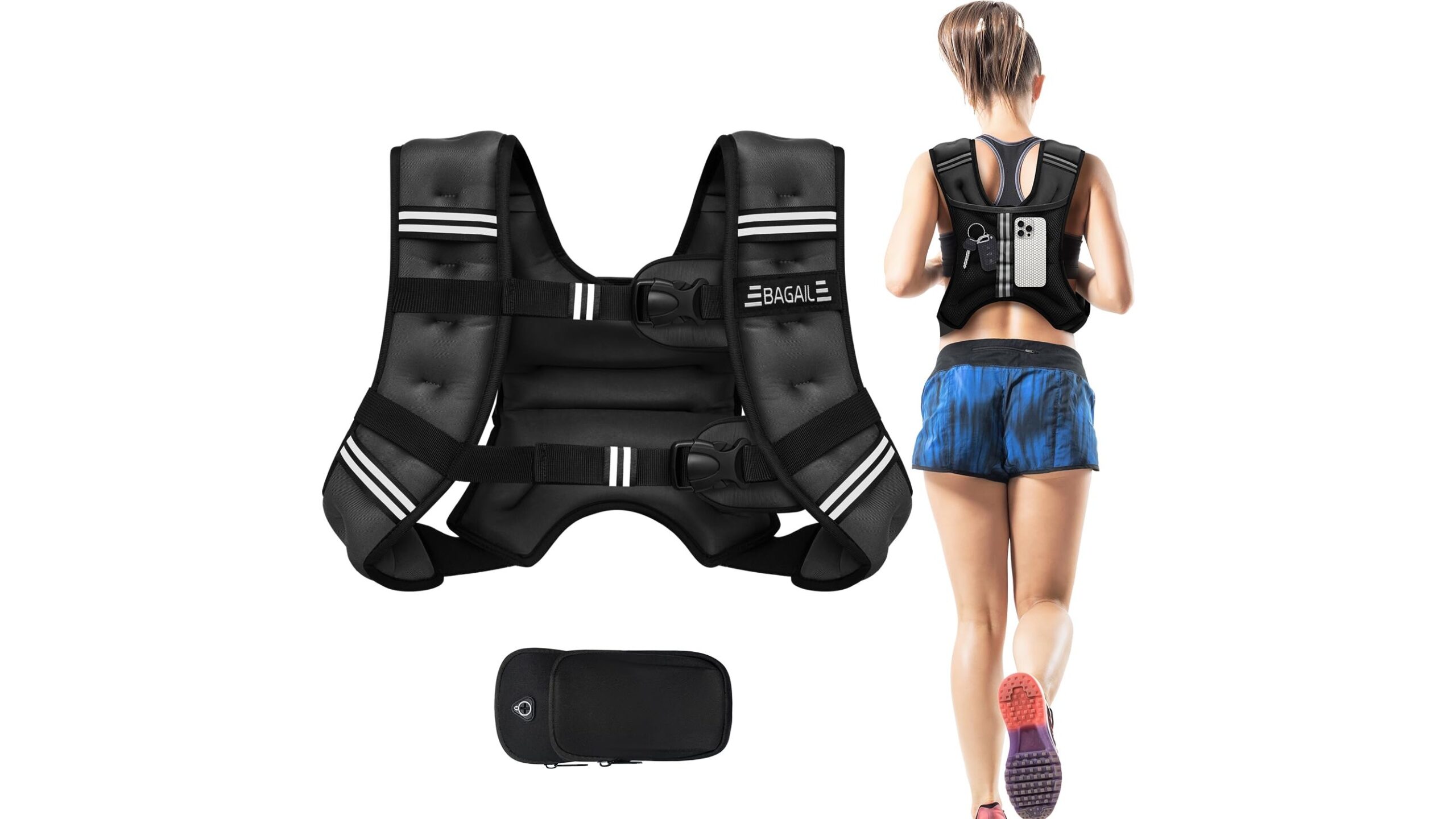
However, multi‑angle boards are not perfect. The biggest limitation is that they still rely on your bodyweight; they don’t automatically progress you once push‑ups become easy. You’ll still need to manipulate tempo, add pauses or use weighted vests if you want steady strength gains. Some boards can also be slippery on certain floors if they lack quality rubber feet, which may affect confidence in your home gym. There is a mild learning curve as you figure out which colours or angles feel best for your shoulders and elbows. And, critically, a board takes up physical space that could be used for more versatile gear like adjustable dumbbells or resistance bands. In very small home gyms, every piece has to justify its footprint.
Who benefits most from a push‑up board?
Multi‑angle push‑up boards tend to be most useful for specific user profiles rather than everyone. If you suffer from wrist discomfort on flat‑hand push‑ups, the neutral grip of the handles can be a game changer, allowing you to keep push‑ups in your programme without pain. Beginners who struggle to understand hand placement also benefit from the visual guidance and stable grips. On the other hand, more advanced lifters who already perform deep, controlled push‑ups, ring push‑ups or weighted variations may find the board adds little beyond an organised way to vary hand angles. For them, the money might be better spent on loadable equipment that expands overall training options.
In summary, multi‑angle push‑up boards can absolutely be useful in a home gym, but mainly as a comfort and guidance tool rather than a strength revolution. They shine for people with wrist issues, for beginners who need clear hand positioning, and for those who appreciate having many push‑up variations in one compact piece of kit. If your space and budget are tight, prioritise versatile equipment first, then consider a board as an accessory. If your main goal is simple, effective upper‑body training and you’re comfortable on the floor, classic push‑ups—progressively overloaded—remain hard to beat.