Adjustable collarless dumbbell systems promise ultra-fast weight changes without the hassle of spinning collars or storing multiple fixed dumbbells. For lifters training in a small flat or garage, they look like the perfect minimalist solution: one compact handle, several plates, and a quick-locking mechanism. But do these quick-change designs really beat classic spinlock dumbbells and modern selectorized dumbbells for a home gym, or are there hidden trade-offs in safety, durability and training feel?
How collarless adjustable dumbbell systems actually work
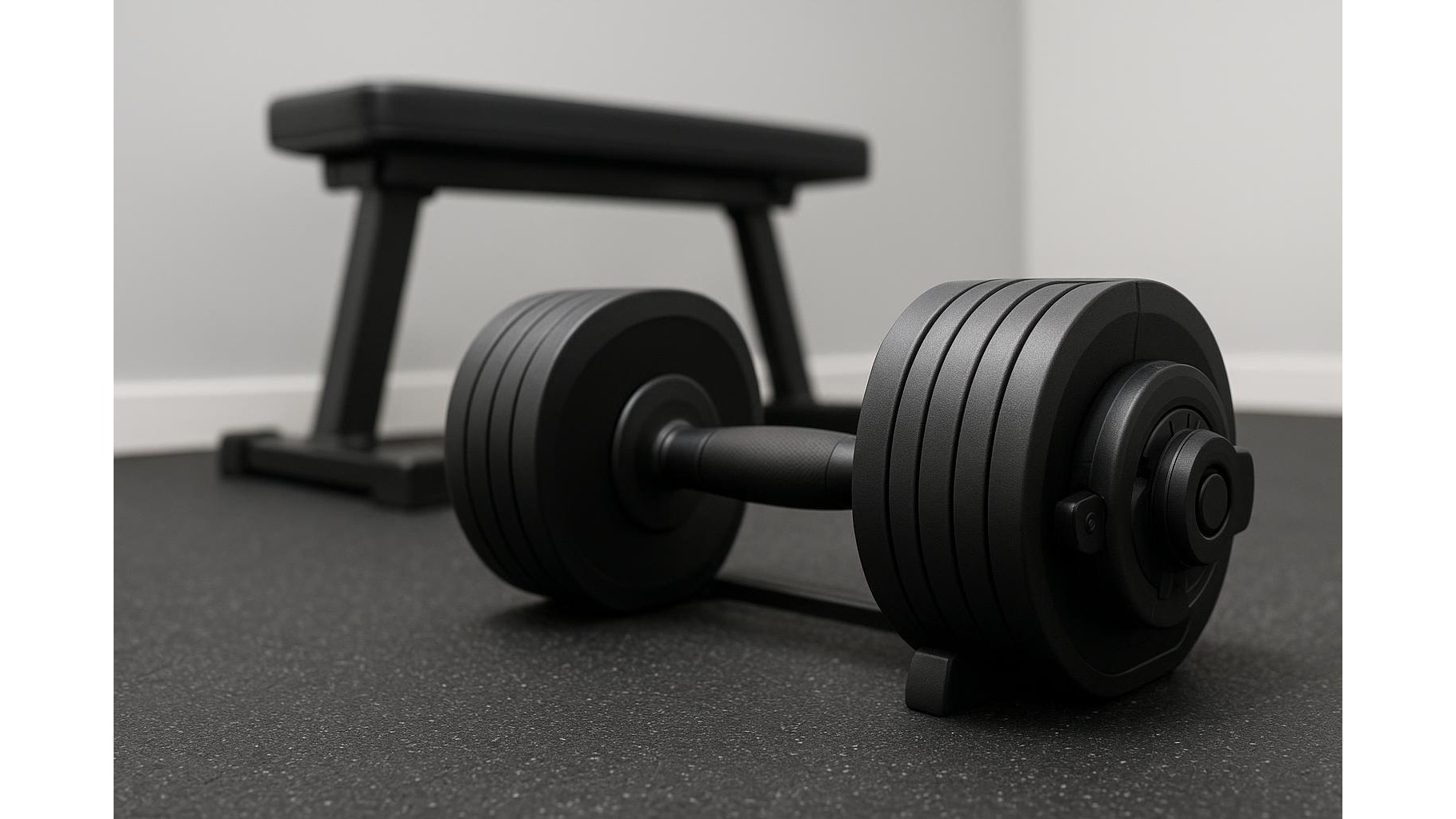
Modern collarless adjustable dumbbells typically use either a slide-and-lock, twist-lock or pin-based mechanism built directly into the handle or end caps. Instead of separate collars, the handle features integrated lugs or cams that clamp the plates when you slide or twist a sleeve. This eliminates loose parts and speeds up weight changes dramatically compared with threaded spinlocks. The trade-off is mechanical complexity: more moving parts, precise tolerances, and often a proprietary plate shape. That means you are usually locked into the brand’s ecosystem rather than mixing and matching standard 1-inch or 2-inch plates.
Pros versus classic spinlock dumbbells in small spaces
Compared with old-school spinlock dumbbells, collarless systems offer one huge advantage: speed. Changing from, say, 10 kg to 20 kg per hand on a spinlock can take a minute of unscrewing, sliding plates, and re-tightening collars, especially if the threads are worn. With a quick-change collarless design, you can swap plates in seconds, which keeps supersets, drop sets and time-efficient sessions flowing. They also reduce clutter, since you don’t have loose collars rolling under the sofa or getting lost. For lifters in a studio flat with limited storage, that streamlined footprint and the absence of extra pieces can make daily training more realistic and less frustrating.
Cons and limitations versus selectorized dumbbells
When compared to selectorized dumbbells (the block-style units where you turn a dial or move a pin to select weight), collarless systems sit in an interesting middle ground. They are usually more compact in hand and feel closer to a traditional dumbbell, improving exercise mechanics on presses and curls. However, selectorized models often beat them for absolute speed: twist a dial or move a pin and the weight is ready. Selectorized blocks also tend to offer more fine-grained increments over a wide range. On the flip side, if a selectorized mechanism fails, the entire unit may be compromised. Collarless plate-based designs sometimes give you more redundancy, and replacing a worn plate or simple locking component can be easier and cheaper than replacing a full selector block.
Safety considerations with collarless quick-change designs
Without traditional collars, safety depends entirely on the integrity of the locking mechanism and your ability to use it correctly. It is crucial to visually and physically check that the plates are fully seated and locked before every set, especially for overhead work like shoulder presses and triceps extensions. Because these systems rely on precise engagement, dirt, chalk, or plate deformation can prevent a full lock, so periodic cleaning and inspection are smart habits. Lifters who like to drop dumbbells from height should be cautious: most quick-change designs are not built for heavy impact, and repeated drops can wear or crack the locking components. In a home gym, controlled lowering and a stable lifting surface go a long way toward preserving both your equipment and your joints.
Who benefits most from ultra-fast weight changes?
Collarless adjustable dumbbells make the most sense for home lifters who train with varied rep ranges, enjoy supersets or circuit training, and share equipment with a partner at different strength levels. If you constantly bounce between heavy presses and lighter isolation work, shaving 30–60 seconds off each adjustment adds up and helps you maintain intensity. They also suit small apartments where storage and noise are concerns, as they cut down on loose parts and metal-on-metal clatter. On the other hand, if you mainly stick to a few heavy sets with minimal weight changes, or you already own a solid spinlock setup, the upgrade may be less compelling. In those cases, money might be better spent on a bench, rack, or extra plates.
In summary, adjustable collarless dumbbell systems are genuinely useful for certain home gym setups, but they are not an automatic upgrade over spinlocks or selectorized blocks. They trade simplicity for speed, relying on more complex mechanisms that demand a bit more care and regular checking. For lifters in tight spaces who prioritise quick weight changes, tidy storage and a more traditional dumbbell feel than bulky selectorized units, they can be a smart choice. Everyone else should weigh the extra cost and complexity against their actual training style before deciding whether quick-change collarless designs are really worth it.