Designing a home gym around a single piece of equipment only works if that item can genuinely replace multiple stations. A well-chosen adjustable all‑in‑one workout bench can combine flat, incline, decline and core training in one compact footprint, supporting everything from dumbbell presses to ab work. This guide shows you how to evaluate these multifunction benches so you save space without sacrificing exercise variety or long‑term durability.
What an all‑in‑one adjustable bench should really do
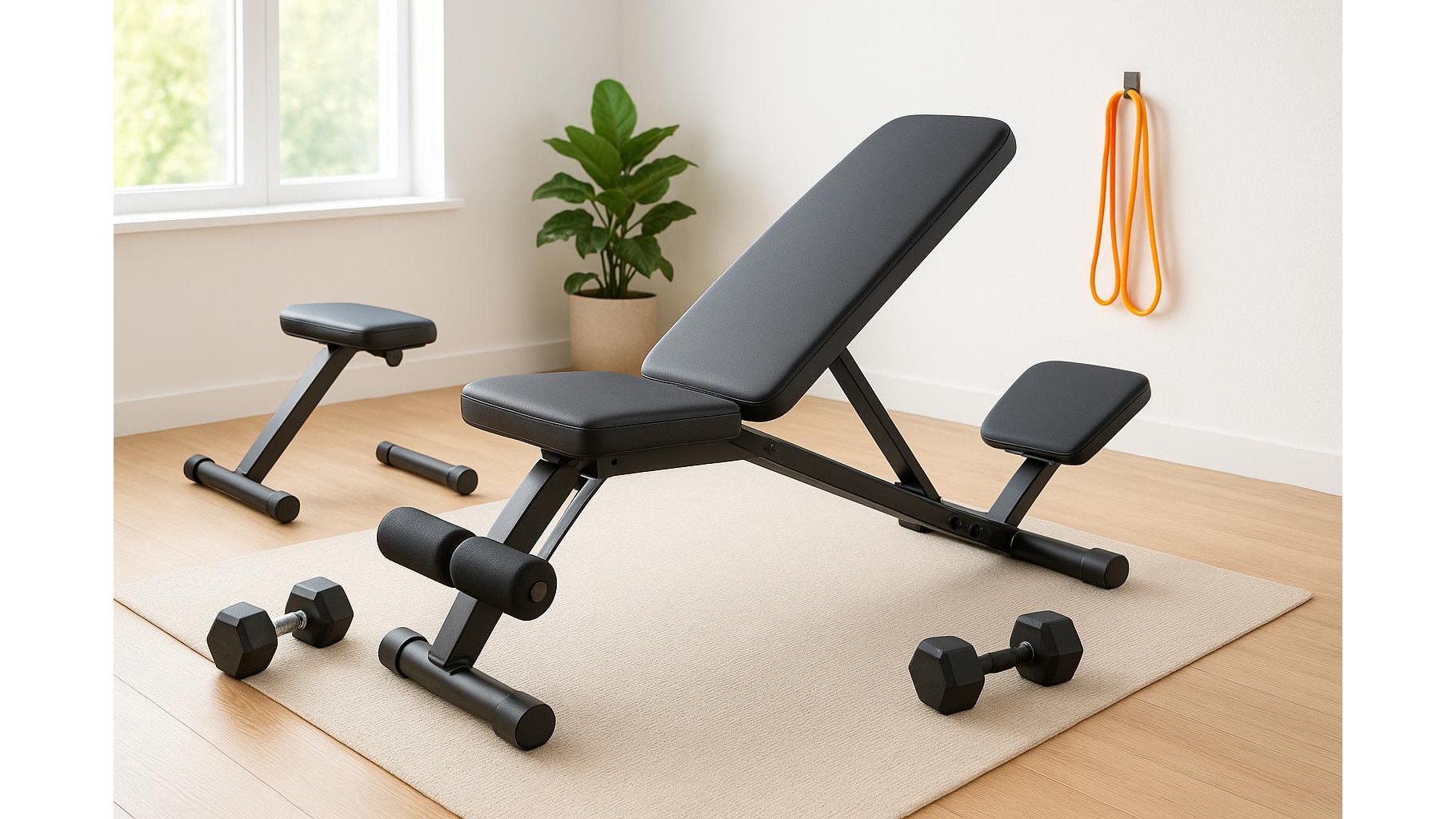
A true all‑in‑one workout bench needs to cover the basics of a traditional gym setup: flat bench pressing, incline and shoulder pressing, and safe decline work for chest and abs. Look for backrests with multiple angles (for example flat, several incline settings and an upright position) and a seat that also adjusts to stop you sliding when pressing. Many multifunction benches add leg developer rollers or an adjustable preacher pad to bring leg curls, leg extensions and biceps curls into the same compact unit. Check the product description to confirm which movements are genuinely supported so you are not relying on marketing claims alone.
Space, foldability and footprint in a real home gym
In a home setting, even the best adjustable bench becomes frustrating if it dominates the room. Before buying, measure the area where you plan to train and compare it to the bench’s unfolded length and width. Many all‑in‑one designs claim to be foldable; read the details to see whether they simply stand upright against a wall or collapse flat under a bed. Consider how easy it is to move: integrated transport wheels and a grab handle make a big difference if you need to roll the bench out of a corner. Prioritise models that offer a compact footprint without compromising on bench length, so you can press safely and support your head and hips fully.
Build quality, stability and weight capacity
Because an all‑in‑one bench is expected to replace several stations, it must be built to handle frequent use and progressive overload. Look for benches made from heavy‑duty steel with a clearly stated maximum user and load capacity. A higher rating usually signals thicker tubing and stronger welds. Wide support legs and non‑slip rubber feet improve stability, especially when you are working in incline or decline positions. Pay attention to the locking mechanism for the backrest and seat: secure ladder‑style adjustments or solid locking pins are safer than flimsy hinges. User reviews can also highlight whether there is wobble at higher weights or over time.
Adjustment range, comfort and versatility
The versatility of a multifunction adjustable bench depends on how many positions it offers and how comfortably you can use them. Aim for models with multiple incline steps, at least one decline angle and a near‑vertical setting for overhead work and core exercises. A separate adjustable seat helps keep you locked in during heavy dumbbell presses. For comfort, look for high‑density foam padding that supports your spine without feeling spongy, and upholstery that is easy to wipe down after workouts. If the bench includes attachments like a preacher curl pad, leg rollers or a rear band anchor, think about how they fit your routine and whether you will actually use them to expand your exercise selection.
Choosing features that truly replace multiple stations
When assessing all‑in‑one benches, match the features to the stations you want to replace: a quality adjustable backrest and seat can stand in for a flat bench, incline bench and shoulder press bench. A robust leg developer lets you mimic a leg extension and hamstring curl station, while a preacher pad simulates a dedicated biceps bench. Core work is covered if the bench offers secure decline positions and foot hold‑downs for sit‑ups and Russian twists. Some models incorporate small barbell racks or allow integration with a separate squat stand or power cage. Choose a configuration that aligns with your preferred training style—whether that is dumbbell‑focused, barbell‑focused, or a mix with resistance bands—so the bench genuinely becomes the hub of your home gym.
In summary, the best adjustable all‑in‑one workout bench for your home gym is the one that balances versatility, stability, space efficiency and comfort for your specific training goals. Instead of chasing the longest feature list, focus on solid construction, practical adjustment options and attachments you will use week after week. By carefully checking dimensions, weight ratings and exercise possibilities, you can invest in a single compact bench that truly replaces multiple stations and supports effective, long‑term strength and conditioning at home.