Building a home gym is exciting until you realise how much noise travels through walls and floors. Barbells dropping, skipping ropes and loud music can quickly annoy family and neighbours. The good news is you can dramatically cut echo, vibration and impact noise without touching the structure of your room. With the right acoustic panels, wall treatments and a few smart accessories from Amazon, you can lift heavy and train hard in a quieter, more focused space.
Understanding home gym noise (and what you can actually fix)
Not all gym noise is the same, so the first step is understanding what you are trying to reduce. There are three main types. First, echo and reverb inside the room: this is the harsh, “ringing” sound you get when music or your voice bounces off bare walls, mirrors and floors. Second, airborne noise such as loud music or the clank of plates, which travels through the air and walls. Third, impact noise and vibration: the deep thud of a dropped dumbbell or treadmill footstrike that travels through floors and into other rooms. Acoustic panels mainly tame echo and airborne noise inside your gym, while dense mats and decoupling accessories help with impact. You will usually need a combination of treatments for the best result.
Acoustic foam panels: taming echo and sharpening sound
If your home gym sounds like a tiled bathroom, acoustic foam panels are the fastest, most affordable fix. Classic wedge or pyramid foam tiles absorb reflections from your walls and ceiling, reducing harshness and making music and coaching cues clearer. On Amazon, look for self‑adhesive or lightweight tiles that are easy to mount with removable strips, so you do not damage the walls of a rented space. A common mistake is using too few panels: aim to treat 20–30% of the wall area around your speakers, rack and training zone. Place panels at ear height on the walls opposite your speakers or TV, and behind your rack where barbells and plates create sharp, metallic sounds. Foam will not “soundproof” your gym completely, but it will make the room feel calmer and less fatiguing.
Wall panels and diffusers: stylish noise control that looks like decor
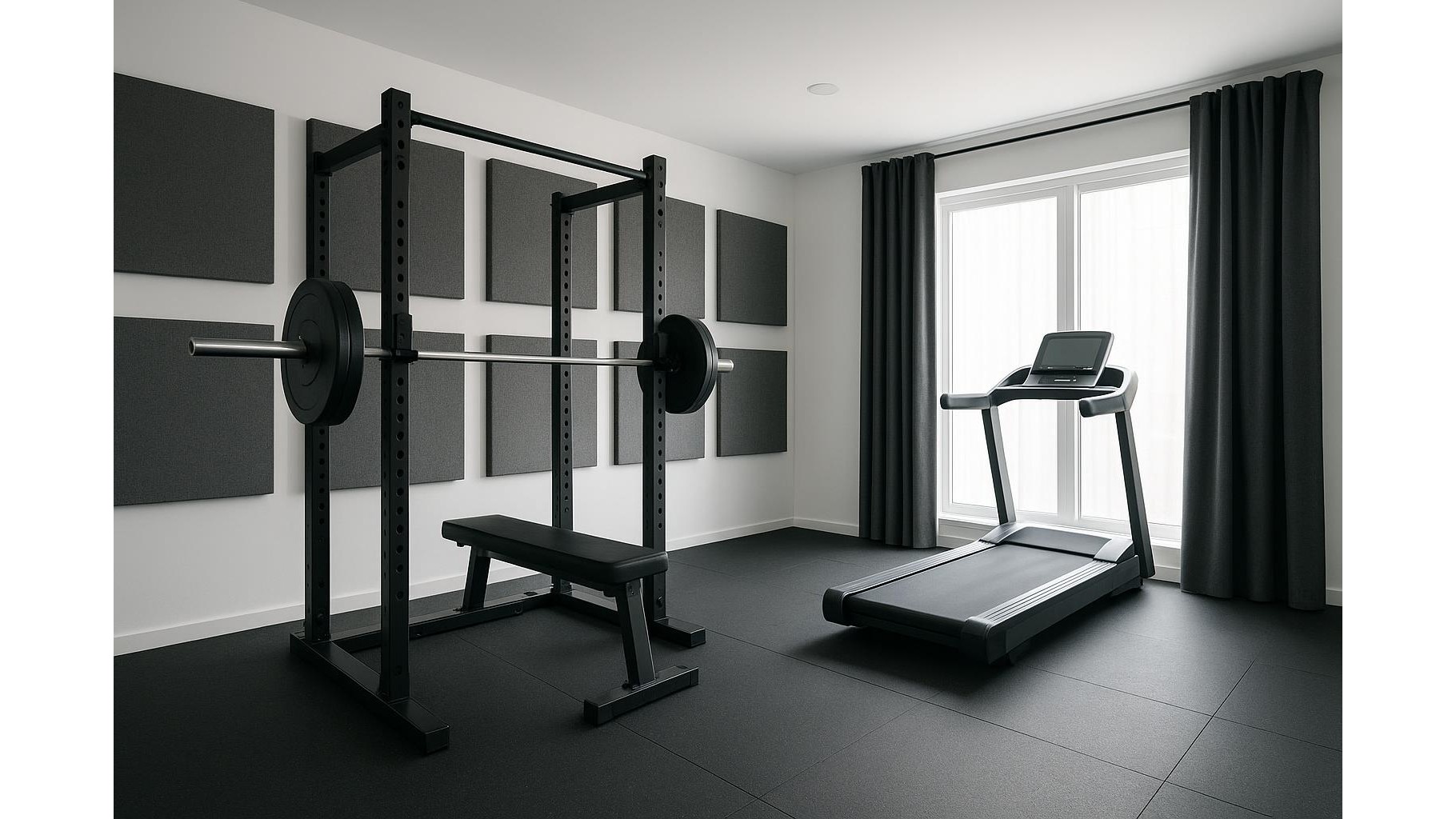
Traditional acoustic foam can look a bit studio‑like. If your gym is part of a living area, consider fabric‑wrapped acoustic panels or wooden diffusers that double as wall art. Panels with a mineral wool or polyester core behind a fabric front absorb mid and high frequencies more efficiently than thin foam, so you need fewer of them. Placing them on the wall behind your squat rack, bench area or cardio setup cuts down on clatter, while keeping a clean, modern look. Some sets come with mounting hardware and can be hung like pictures, which is ideal if you do not want to drill multiple holes. Diffuser‑style panels with slotted wood fronts scatter sound instead of absorbing it, helping to avoid a dead‑sounding room while still reducing obvious echo. Mixing a few absorbers with diffusers gives a balanced, professional feel to a compact home gym.
Floors and platforms: stop vibration before it reaches the structure
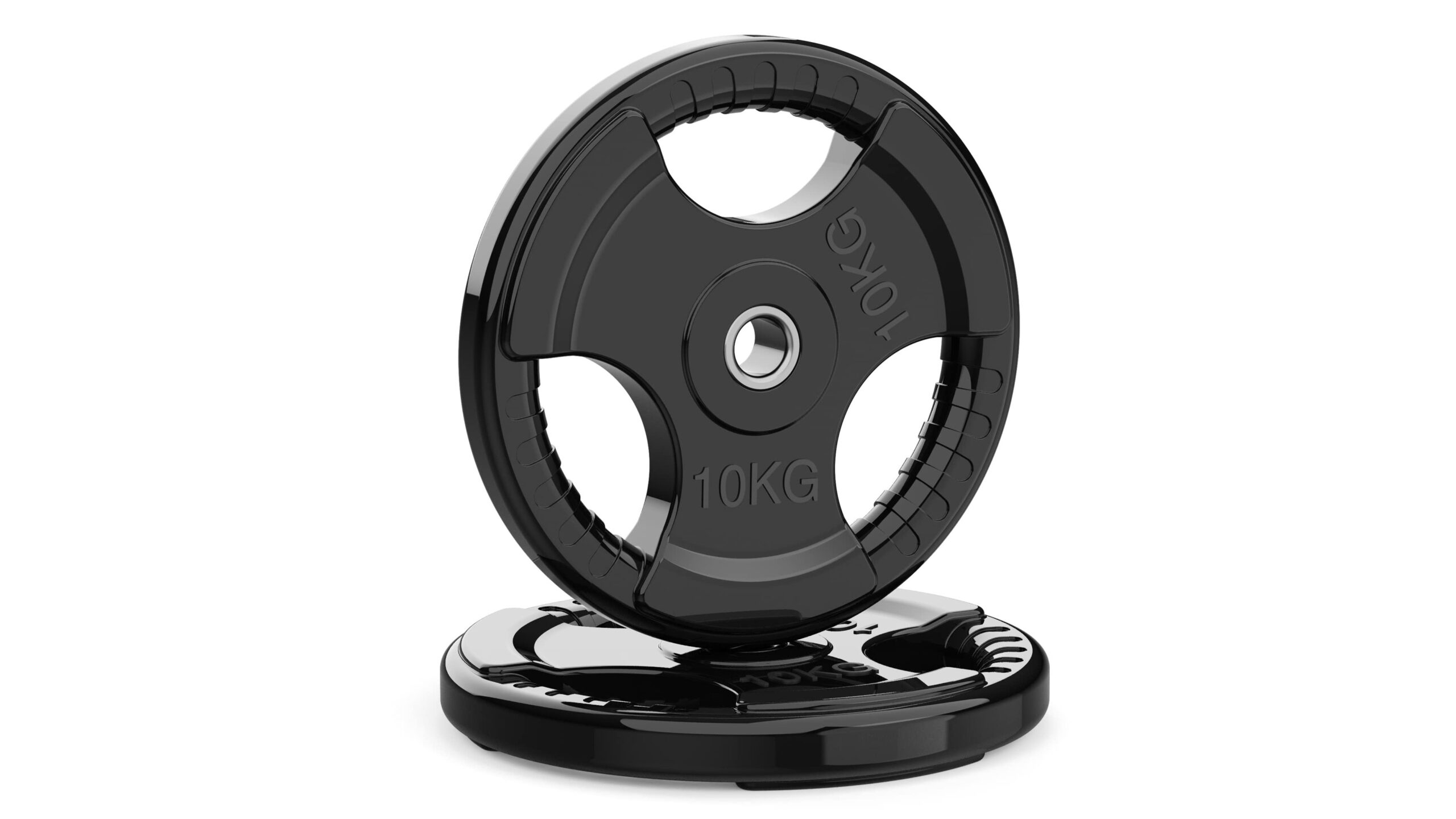
For neighbours below you, impact noise is usually a bigger issue than echo. Dropping a loaded barbell or sprinting on a treadmill sends powerful vibrations through the floor structure. To fight this without rebuilding, layer dense rubber gym mats or interlocking tiles under heavy equipment and lifting zones. Thicker is better: 10–20 mm rubber absorbs much more shock than a thin yoga mat. If you lift heavy, consider building or buying a small lifting platform using a sandwich of rubber and plywood to spread the force over a larger area. Under machines like rowers, bikes and treadmills, dedicated equipment pads or vibration‑damping feet help decouple the frame from the floor, cutting the low‑frequency rumble that travels furthest. These changes will not make you silent, but they can easily halve the perceived noise in adjacent rooms.
Windows, doors and small gaps: the weak links in sound control
Sound escapes through the weakest points in a room: usually doors, windows and gaps. A hollow internal door leaks a surprising amount of gym noise. Adding adhesive door seals around the frame and a simple draft stopper or under‑door sweep can noticeably reduce the sound that escapes into the hallway. For windows, thick blackout curtains or thermal drapes hung close to the glass absorb reflections and slightly attenuate the noise leaving your gym, while also improving privacy. If your gym is in a garage or outbuilding, sealing obvious cracks with weatherstrip or flexible acoustic sealant helps stop whistling gaps that let noise and cold air travel freely. These small, inexpensive tweaks combine well with panels and mats to give you a much more controlled acoustic envelope.
Smart layout and habits: free ways to make your gym quieter
Even the best acoustic panels for home gyms work better when you think about layout and training habits. Position your noisiest equipment—power rack, cable station, treadmill—against internal walls rather than walls shared with neighbours or bedrooms, and avoid corners where bass builds up. Store weight plates on racks with rubber‑coated pegs or add simple silencing pads where metal meets metal to cut high‑frequency clank. Keep volume moderate on speakers; with echo under control, you often need less volume to feel immersed. Finally, schedule your heaviest or most explosive sessions for times when they are least likely to bother others. Combine thoughtful planning with a few targeted products and you can build a serious, motivating home gym that sounds as good as it looks—without touching the structure of your room.