Turning your phone into a mini coach is one of the simplest ways to make solo home workouts more effective. With nothing more than the built‑in voice memo app, you can capture coaching cues, log sets and reps, and store form feedback you normally forget as soon as you rack the weights. This lightweight system won’t replace a personal trainer, but it can give structure, accountability, and a clearer sense of progress to your training sessions at home.
Setting up your phone as a training partner
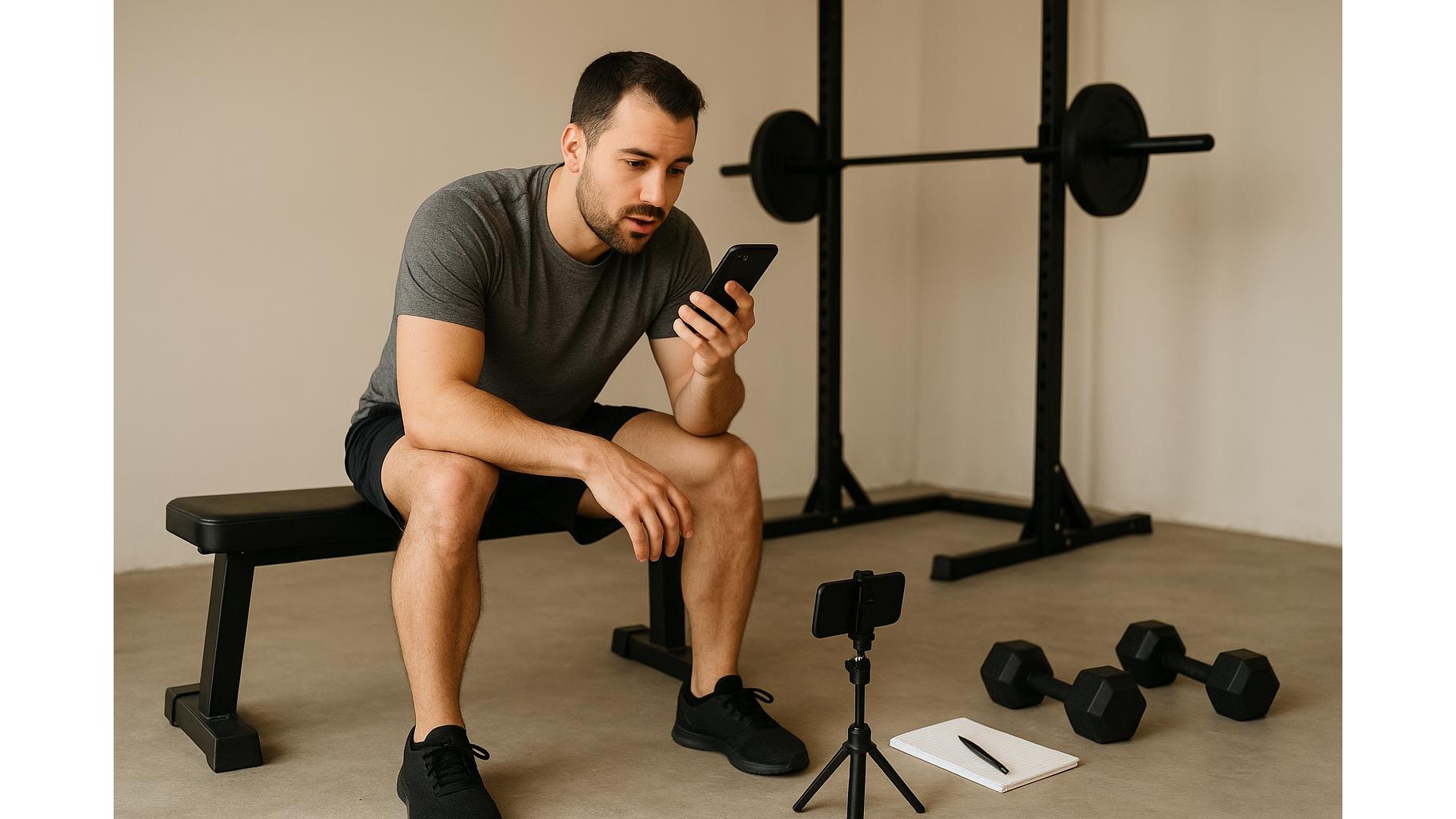
Before you start lifting, treat your phone like a piece of home gym equipment. Clear some storage, turn on Do Not Disturb, and keep the voice recorder app on your home screen for quick access. Create a dedicated folder called “Workouts” so all your voice memos stay in one place. This simple organisation means you can start and stop recordings with minimal friction, preserving your focus between sets. Over time, this archive becomes a personalised coaching log you can revisit to refine your technique and training plan.
Using voice memos to log sets, reps and effort
Instead of juggling pen and paper, use short audio logs between sets. After each exercise, hit record and state the essentials: exercise name, weight, reps, and effort level (for example, RPE or “two reps in reserve”). A typical note might be: “Dumbbell rows, 20 kg, three sets of eight, felt solid, one rep left in the tank.” These quick voice notes help you track progression from week to week without breaking training flow. When you listen back before your next session, you immediately know where to start and when to push for more weight or volume.
Capturing coaching cues in real time
One of the biggest advantages of voice memos is the ability to record form cues while they’re fresh. Right after a set, note what went well and what felt off: “Brace harder before the squat”, “Keep elbows under the bar on overhead press”, or “Slow the tempo on the eccentric of push‑ups.” Over a few weeks, you’ll notice recurring themes—your personal “weak links” and key reminders. Turn these into a short pre‑set checklist that you replay before your big lifts. This transforms scattered thoughts into a consistent mental script that sharpens your technique without needing a live coach watching you.
Combining video and audio for form review
For complex movements, pair your voice recordings with quick form videos. Record a set on your phone camera, then immediately add a memo describing what you see: “Hips rising too fast on deadlifts”, or “Knees caving on the last reps of squats.” Later, you can rewatch the clip while listening to your own commentary, which makes technical flaws and improvements easier to spot. This simple self‑review routine is especially powerful for solo lifters who don’t have a coach on site, helping you build body awareness and more efficient, safer patterns over time.
Turning memos into weekly check‑ins and plans
At the end of the week, set aside 10–15 minutes to skim through your workout voice notes. Identify trends: exercises that always feel too easy, joints that constantly ache, or cues you repeat session after session. Use this review to adjust your next week’s plan—add a set, swap an exercise, or schedule more mobility work. You can also record a short weekly summary: “This week’s focus: better squat depth and consistent warm‑ups.” Treat this as a mini accountability check‑in. Over time, these summaries reveal how your training evolves and keep your home workouts aligned with your goals.
Using voice memos as a mini coach turns basic technology into a powerful support system for your home gym. By logging sets and effort, capturing coaching cues in the moment, pairing audio with video for form checks, and reviewing your notes each week, you create a feedback loop that would otherwise be missing in solo training. The system is simple, low‑tech, and highly adaptable—but it can dramatically increase the structure, focus, and long‑term progress of your home workouts.