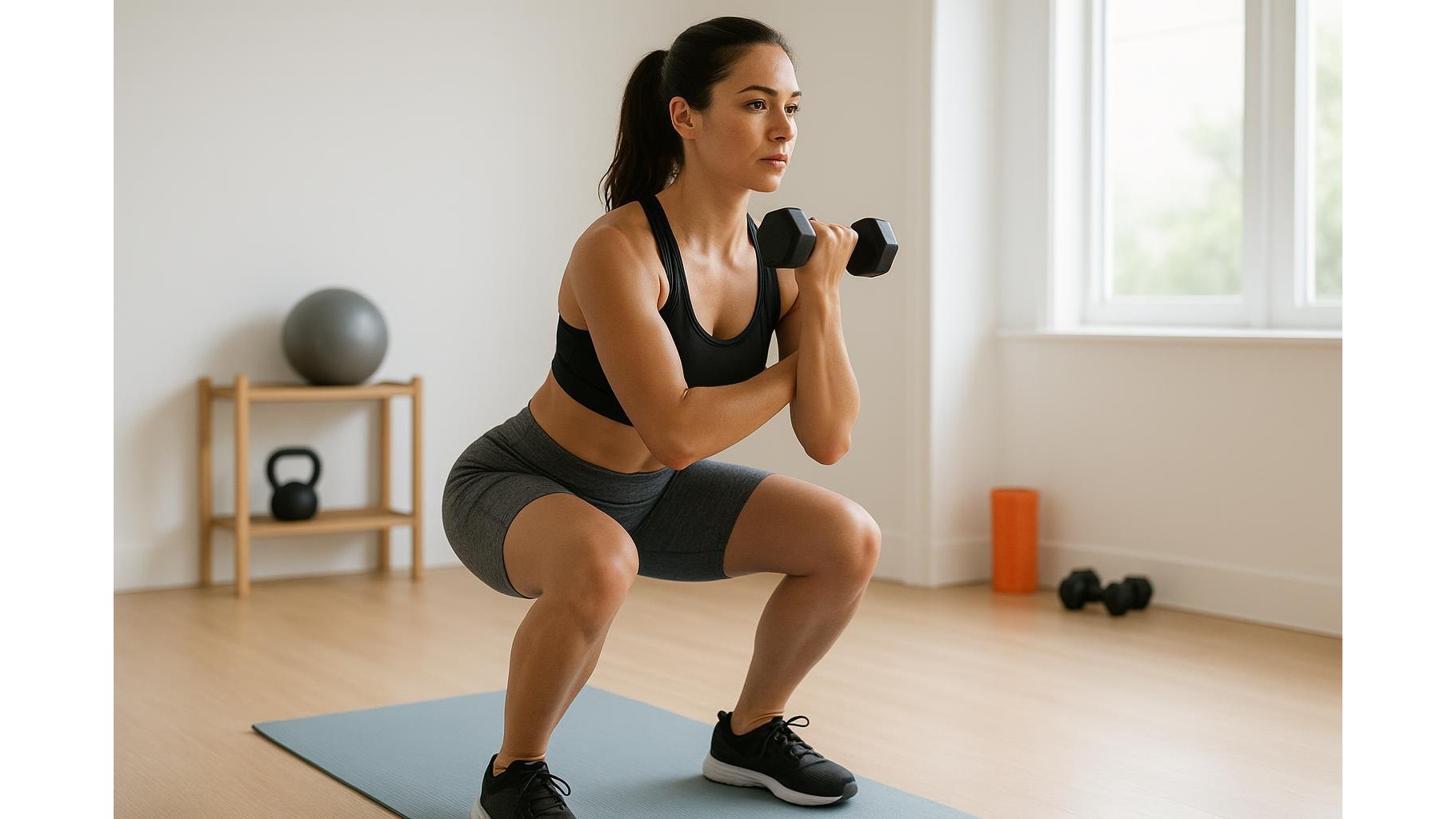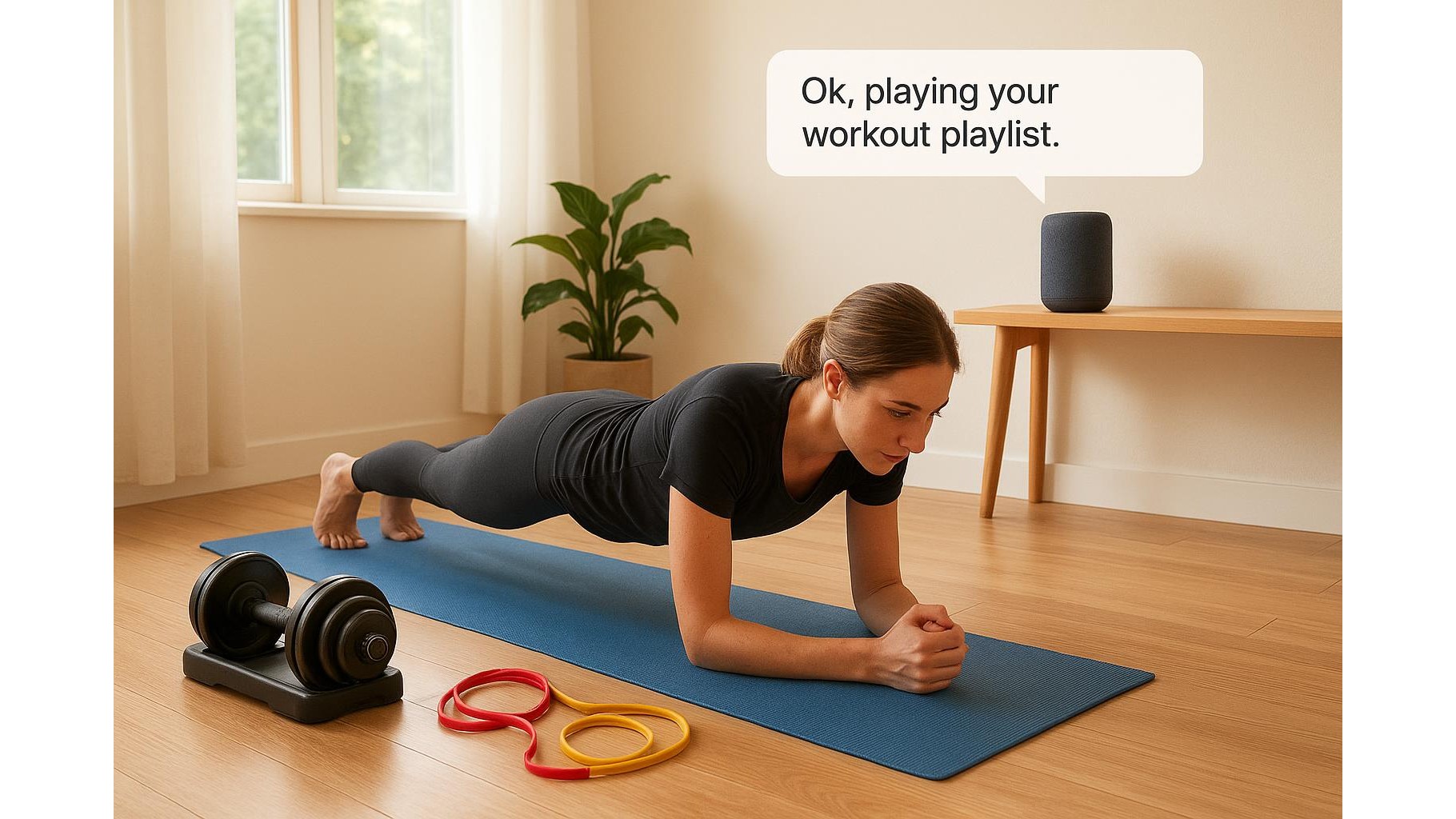
Turning your living room into a smart home gym is easier than ever. With a voice assistant and a reliable smart speaker, you can time intervals, track sets, cue exercises and control music without ever touching your phone. Whether you prefer Alexa, Google Assistant or Siri, a simple setup can transform your speakers into a hands‑free workout coach that keeps you focused on form and effort instead of screens.
Table of contents
Choosing the right smart speaker for your home workouts
The ideal smart speaker for fitness should deliver clear sound for voice cues and music, respond accurately to commands over background noise, and fit neatly into your home gym space. When browsing options like compact pods, larger room‑filling speakers or smart displays with screens, prioritise microphone quality and volume first, then footprint. Place the device at least a couple of metres from weight racks or treadmills to reduce vibration and echo, and connect it to your main Wi‑Fi network so timer and music commands never lag mid‑set.
Setting up Alexa, Google Assistant and Siri as workout timers
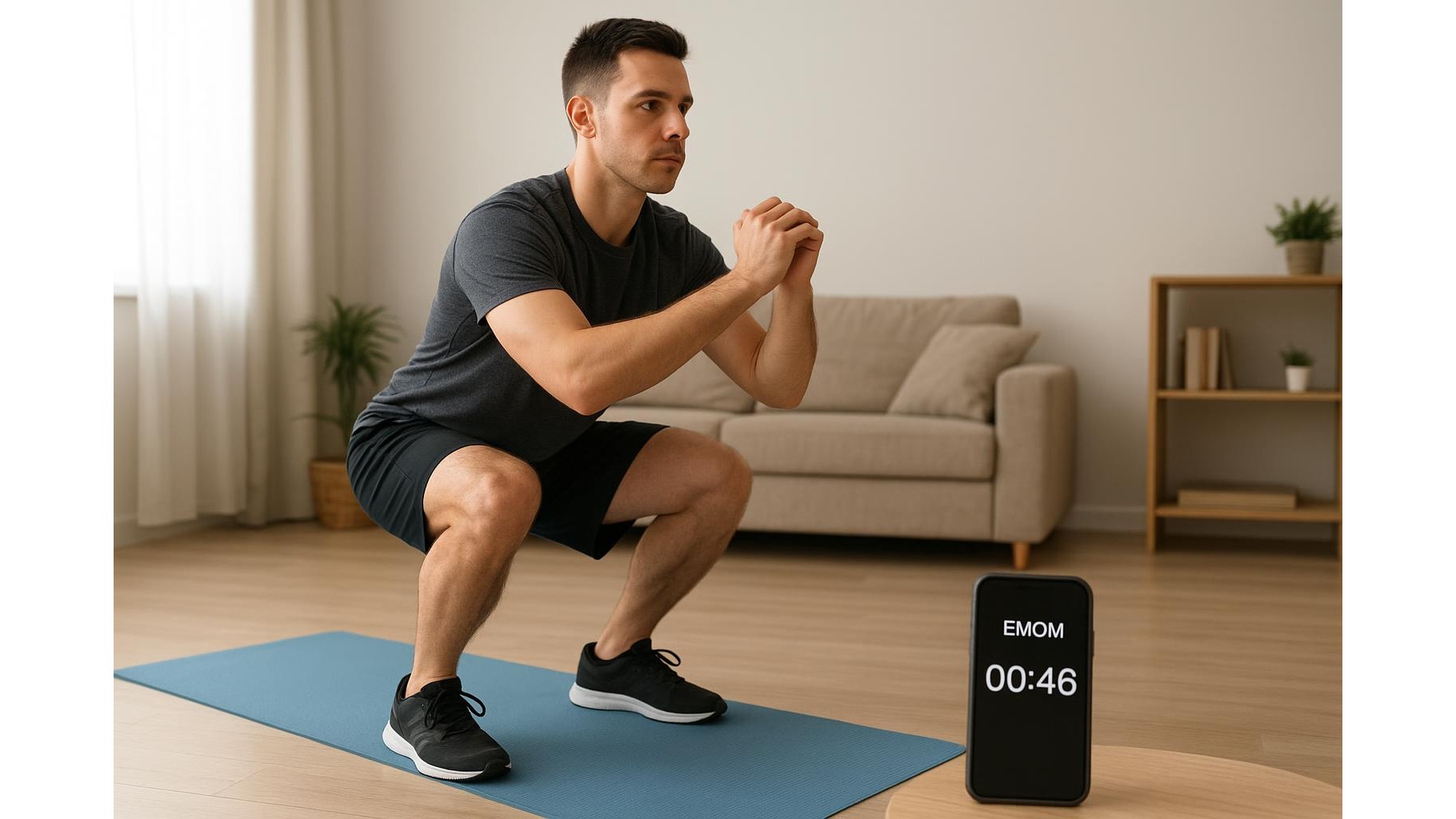
Once your speaker is in place, start by using your voice assistant as a workout timer. With Alexa or Google Assistant, you can say things like “Set a tabata timer for 8 rounds of 20 seconds on, 10 seconds off” or “Start a 30‑minute EMOM timer” to structure your training. For Siri, create named Shortcuts on your iPhone (for example “Start kettlebell intervals”) that launch timer apps or reminders, then trigger them hands‑free through a HomePod or AirPods. Save your favourite routines as reusable commands so you can repeat your go‑to circuits with a single phrase.
Tracking sets, reps and rest with voice commands
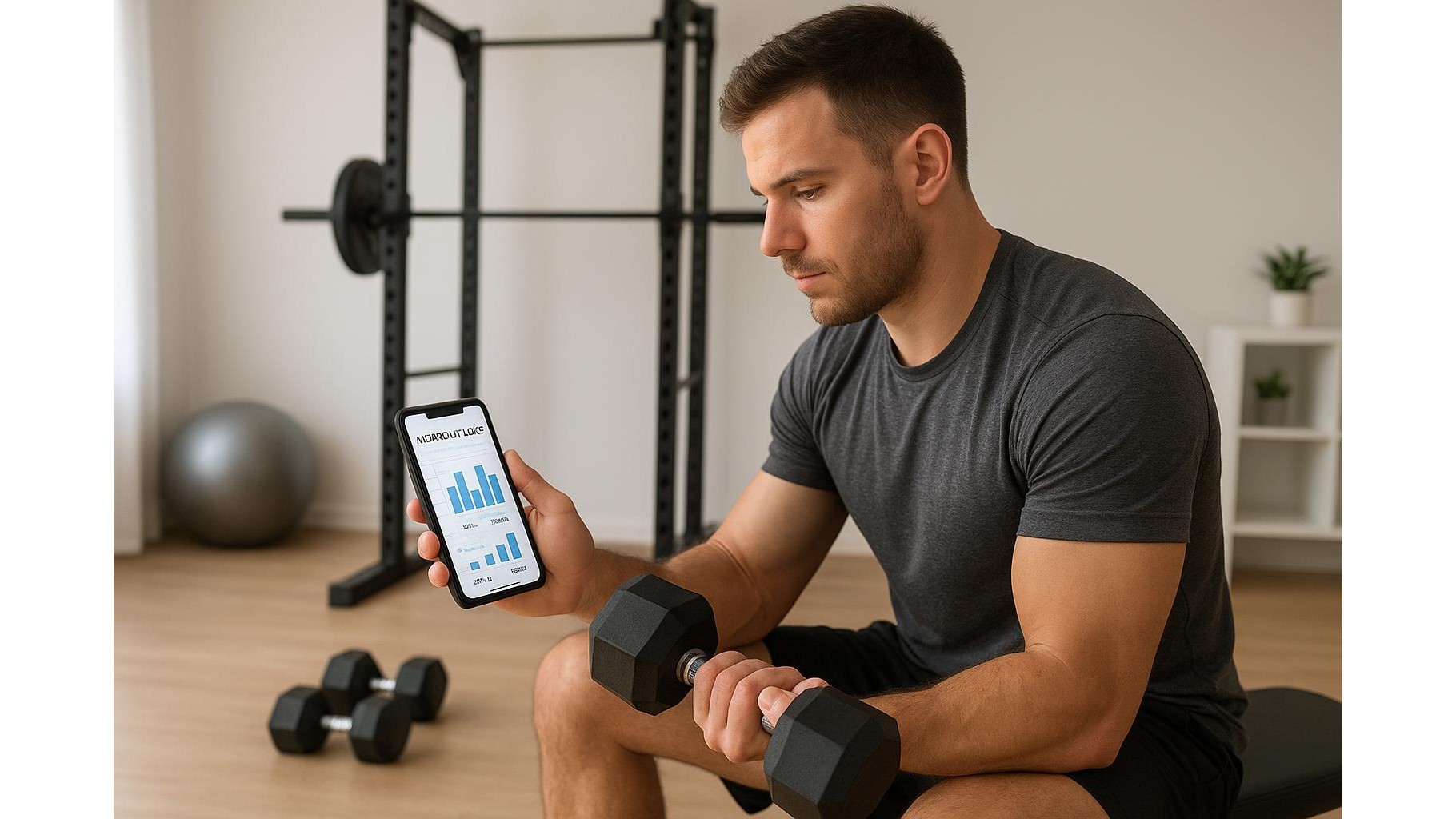
Beyond simple countdowns, smart assistants can help you track sets and reps. Use voice memos, notes apps or compatible fitness apps to log “Set one: 10 push‑ups, 10 rows” between rounds without grabbing your phone. Alexa and Google Assistant both integrate with task and note apps where you can dictate quick summaries of your workout. For rest periods, say “Set a 90‑second rest timer” as soon as you rack the weights, keeping your recovery precise and consistent. Over time, this voice‑based log becomes a simple training journal you can review and refine.
Using cues, routines and skills for guided sessions
To make your home workouts feel like a coached session, create routines that combine timers, cues and audio. On Alexa and Google, you can build custom flows such as “Start strength session” that first play a playlist, then announce exercise names and start an interval timer. Some assistants offer built‑in fitness skills or actions that guide you through bodyweight circuits or stretching with spoken instructions. Even basic reminders like “Every five minutes, remind me to switch exercises” can keep you moving smoothly through a circuit without constantly checking a screen or whiteboard.
Controlling music and sound to stay in the zone
Music is a powerful motivator, and hands‑free music control keeps your focus on movement. Use your voice assistant to start high‑energy playlists, adjust volume between heavy lifts and cooldowns, skip tracks that break your concentration, or switch to calmer sounds for mobility and stretching. Many smart speakers support multiple streaming services, so you can say “Play workout rock playlist” or “Play focus beats” and let the assistant choose from your defaults. Consider enabling adaptive volume or similar features so voice prompts stay audible over loud tracks, ensuring you never miss a timer cue.
Safety, privacy and optimising your smart home gym
To get the most from your smart home gym, think about safety and privacy. Position speakers away from potential impact zones and cable clutter, and use clear wake words so your assistant doesn’t trigger accidentally during noisy sessions. Review privacy settings to limit unnecessary recordings, and mute microphones when the gym is not in use if you prefer. Over time, refine your commands and routines based on what you actually do: name workouts by body part or day (“Start leg day routine”), tweak interval lengths as your fitness improves, and let your voice assistant become a custom, always‑available, hands‑free workout coach.
By combining a well‑placed smart speaker, carefully designed voice routines and a few thoughtful settings, you can build a hands‑free training environment that feels both futuristic and simple. With Alexa, Google Assistant or Siri handling intervals, cues, tracking and music, your attention stays where it matters most: on movement quality, consistency and enjoying your home workouts.