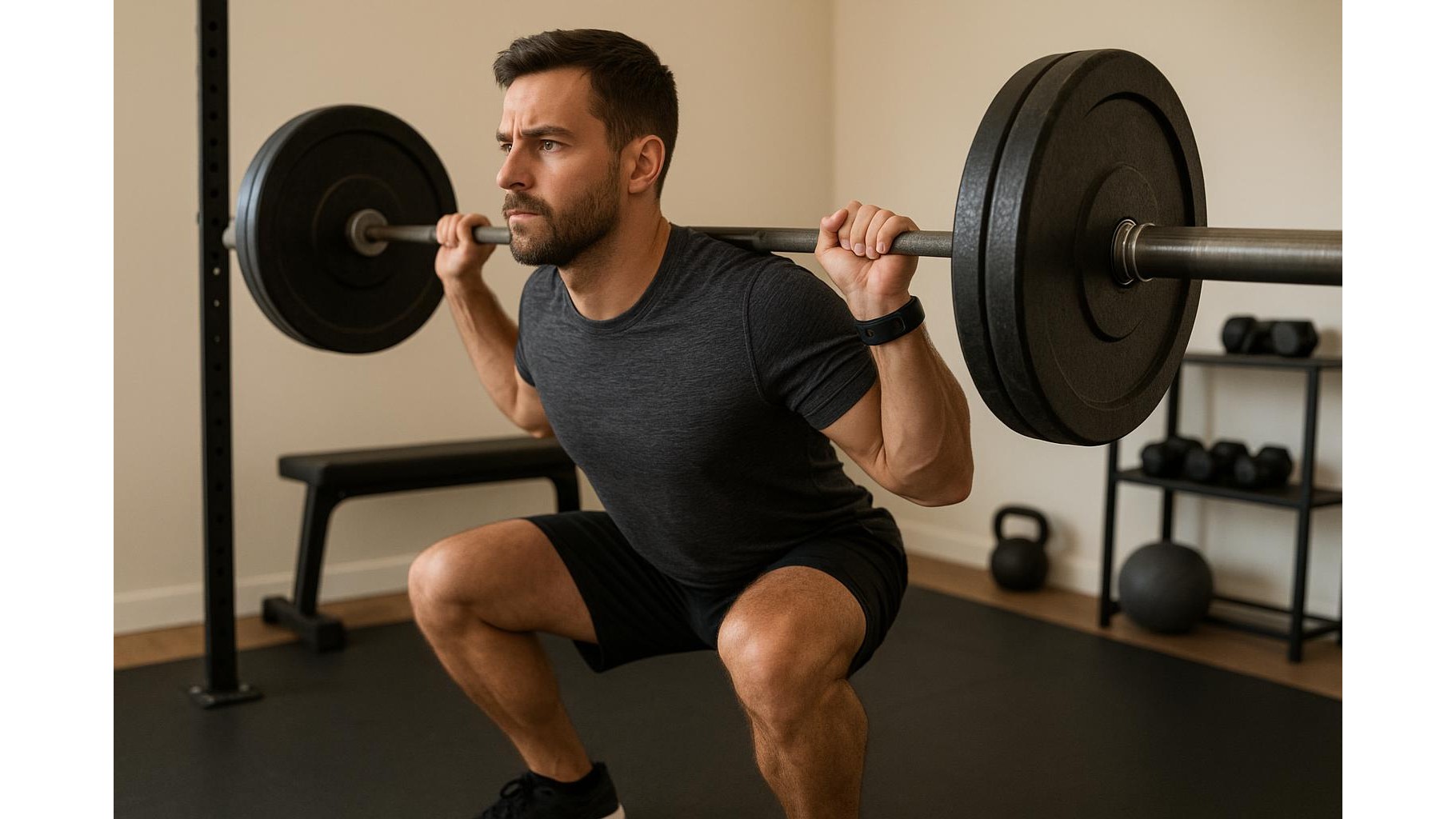
Lifting heavy alone in your home gym can be empowering, but it also carries real risk if you lose control of a barbell or black out under a squat. Modern smartwatches with fall detection and SOS give solo lifters an extra safety net: they can automatically call for help if you take a hard fall and do not respond in time. In this article we look at how to configure these safety tools on popular wearables so you can train hard at home with more confidence.
Why fall detection matters for solo home lifters
When you train alone, especially with heavy barbell lifts like squats, bench and overhead press, there is no spotter to react if something goes wrong. A missed lift can turn into a dangerous situation if you are pinned or briefly lose consciousness. A smartwatch with fall detection and SOS continuously monitors sudden impacts and your motion afterwards. If it detects a strong fall followed by immobility, it can automatically trigger an emergency SOS call or message your chosen contacts, sending your location. This extra layer of protection will not replace basic safety gear like squat racks with safety pins, but it can drastically reduce the time it takes for someone to realise you need help.
Setting up emergency contacts and SOS shortcuts
Before relying on any fall detection feature in your home gym, you need to correctly configure emergency contacts and SOS shortcuts. On most platforms you can add trusted people (partner, family, close friends or neighbours) who receive a call or an SMS with your location when SOS is triggered. It is wise to choose contacts who live nearby and are likely to answer quickly. Then configure a quick SOS gesture on your smartwatch – usually pressing the side button a certain number of times – so that if you feel a lift going wrong you can trigger an alert before you drop the bar. Finally, test the system during a non‑training day, warning your contacts in advance, to be sure messages arrive correctly and location sharing works inside your home.
Configuring fall detection sensitivity for lifting
Heavy lifting creates plenty of rapid movements and occasional bumps that could look like falls to your watch. To avoid constant false alarms, dive into the fall detection settings and adjust their sensitivity. On many devices you can choose between options like “high” or “standard” detection, or limit automatic calls to “during workouts”. For barbell sessions, it is usually best to keep detection active but understand how your specific device reacts to dropping a loaded bar, racking aggressively, or sitting down quickly between sets. If you get too many false alerts, consider slightly lowering sensitivity or extending the countdown before the watch automatically calls emergency services, giving you time to cancel when you are fine.
Best practices for wearing your smartwatch while you lift
To make fall detection and SOS reliable, wear your smartwatch correctly whenever you train. Position it snugly above the wrist bone so the sensors can accurately detect motion and impacts. If you use wrist wraps for bench or press, make sure the watch is not covered too tightly, which could block sensors or make the side button hard to reach in an emergency. Many lifters prefer to wear the watch on the non‑dominant hand to reduce the chance of accidental button presses when gripping the bar. Also, keep an eye on battery level before your session; a dead battery means no emergency protection. Activating a dedicated “workout” mode can improve detection accuracy and ensure the watch stays awake for the whole session.
Combining smartwatch safety with solid home gym habits
Even the best fall detection smartwatch is only one part of your home gym safety plan. Use proper equipment: solid power rack or squat stands with correctly set safety bars, secure barbell collars, and a flat, unobstructed lifting area. Avoid max‑effort attempts when you are fatigued, dehydrated or training after drinking alcohol or taking sedatives. Let your emergency contacts know your usual lifting schedule so unexpected SOS alerts are taken seriously. If you use a training log app, consider noting that you have emergency SOS enabled on your watch and where you normally train in your house. All these small steps combine with your wearable’s features to create a safer environment for solo lifting.
Using a smartwatch with fall detection and SOS will not make heavy barbell work risk‑free, but it can significantly improve your safety margin when you train alone at home. By properly setting up emergency contacts, tuning fall detection sensitivity and wearing your watch correctly, you gain an extra layer of protection that works quietly in the background. Combine these digital safeguards with smart programming, reliable equipment and conservative decision‑making under the bar, and you can enjoy the freedom of solo home gym training while reducing the danger if something goes wrong mid‑lift.