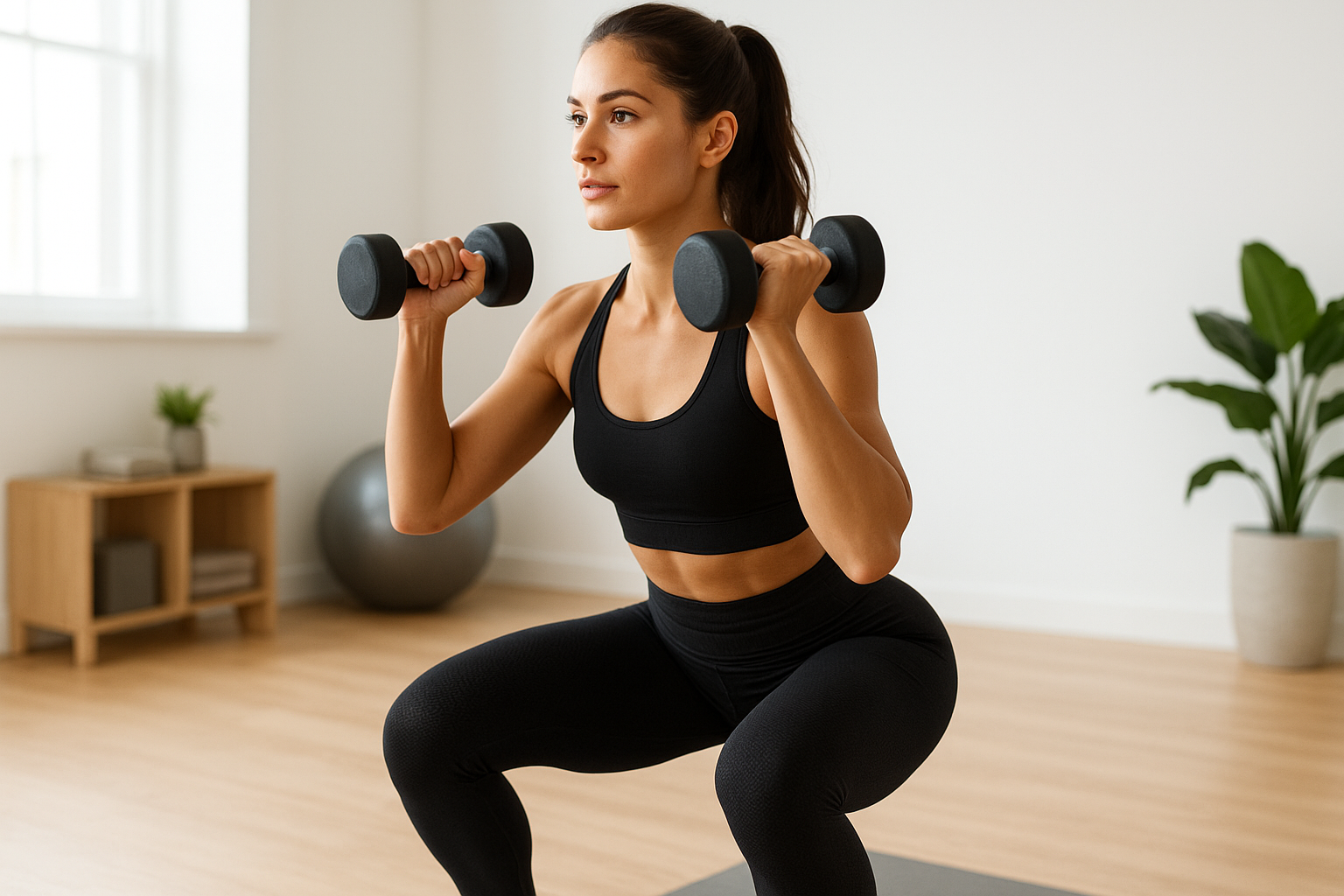
Turning your living room into a guided fitness studio is easier than ever. With a combination of smart mirrors, smart TVs and casting devices, you can follow professional trainers, track your form and enjoy immersive classes that feel close to a boutique studio experience. The key is choosing the right setup for your space and making sure everything is safe, visible and easy to use, so you will actually stick to your new home workout routine.
Table of contents
Choosing your main workout screen
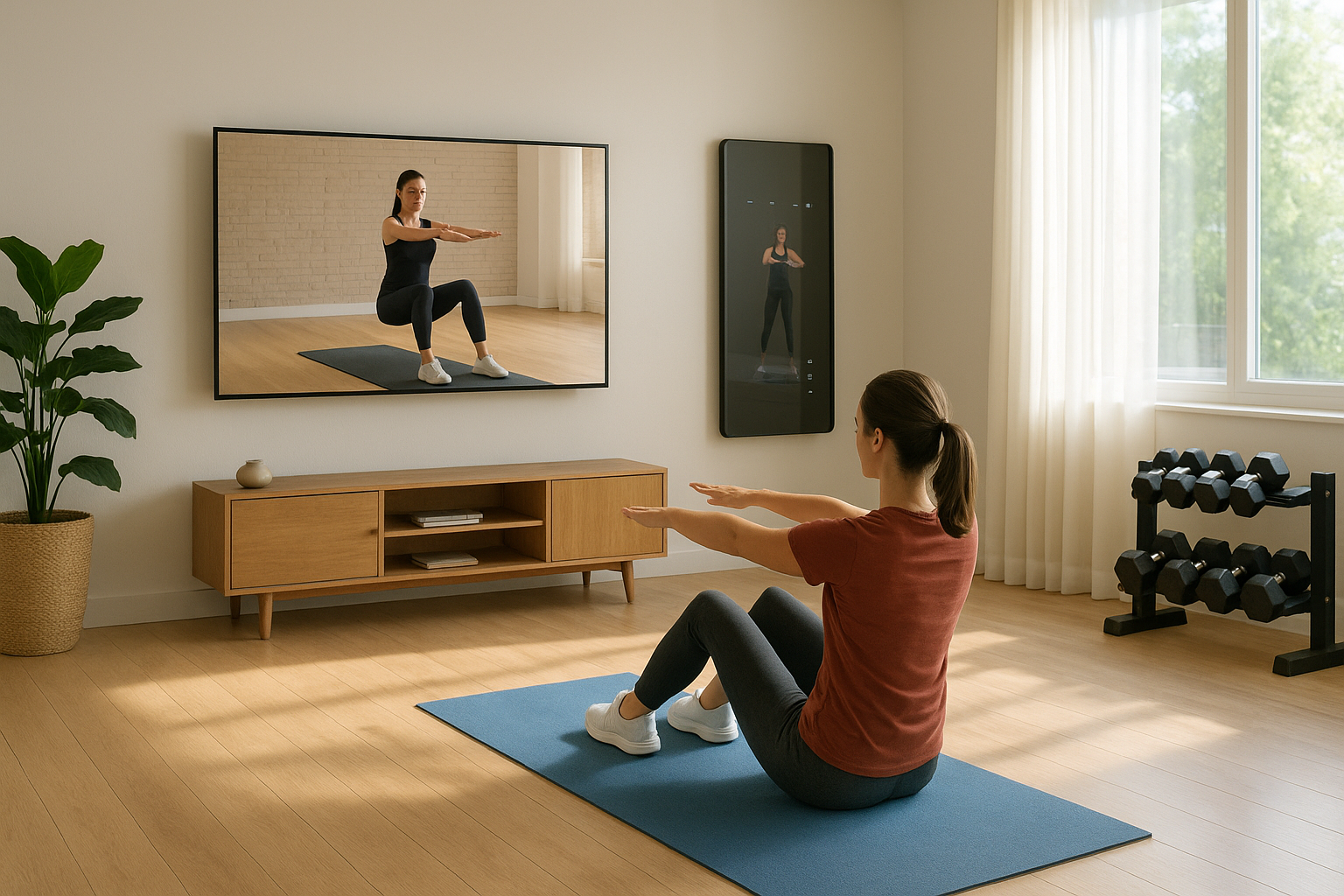
The heart of your setup is the screen you will follow. Many people already own a smart TV that can run fitness apps like YouTube, Peloton, Nike Training Club or other subscription platforms. Look for a TV with good brightness and viewing angles so you can still see clearly while moving around the room. If your TV is older, a simple streaming stick or casting device can instantly turn it into a connected fitness hub by letting you mirror workouts from your phone, tablet or laptop to the big screen.
Why consider a smart fitness mirror
A dedicated smart fitness mirror adds an extra layer of interactivity to your home gym. These mirrors combine a reflective surface with an integrated display, so you can see both the trainer and your own reflection at the same time. This makes it easier to check posture and alignment during strength, yoga or Pilates sessions. Many models include built‑in cameras or sensors for form feedback, as well as integrated speakers and companion apps offering on‑demand and live classes. They are ideal if you value coaching cues and want a cleaner, more permanent installation than moving a tablet or laptop around.
Using casting devices to follow studio-style classes
If you already love following workouts on your phone, a casting device or streaming stick is often the most flexible and affordable upgrade. By casting from your mobile device to the TV, you keep all your favourite apps and accounts while enjoying a much larger, more immersive view. This is especially helpful for fast‑paced HIIT, dance or cycling classes where small screens make it hard to see demonstrations. Casting also reduces distractions: place your phone out of reach so you are not tempted to check messages mid‑workout, while still having full control over pausing, skipping and adjusting volume.
Room layout, mounting and safety tips
To mimic a studio environment, think carefully about room layout. Position your TV or smart mirror at eye level when you are standing in your usual workout spot. Leave enough distance (ideally 2–3 metres) so you can see your full body for form checks. Secure any wall mounts using proper fixings and follow manufacturer guidelines. Clear the floor of cables, rugs that slip and low furniture that could cause trips during jumps or lateral moves. For strength training, keep dumbbells and kettlebells stored neatly beside your viewing area, not scattered around. Good lighting also matters: a bright, evenly lit space helps you see both the trainer and your own reflection, reducing strain and improving technique.
Getting the studio class feeling at home
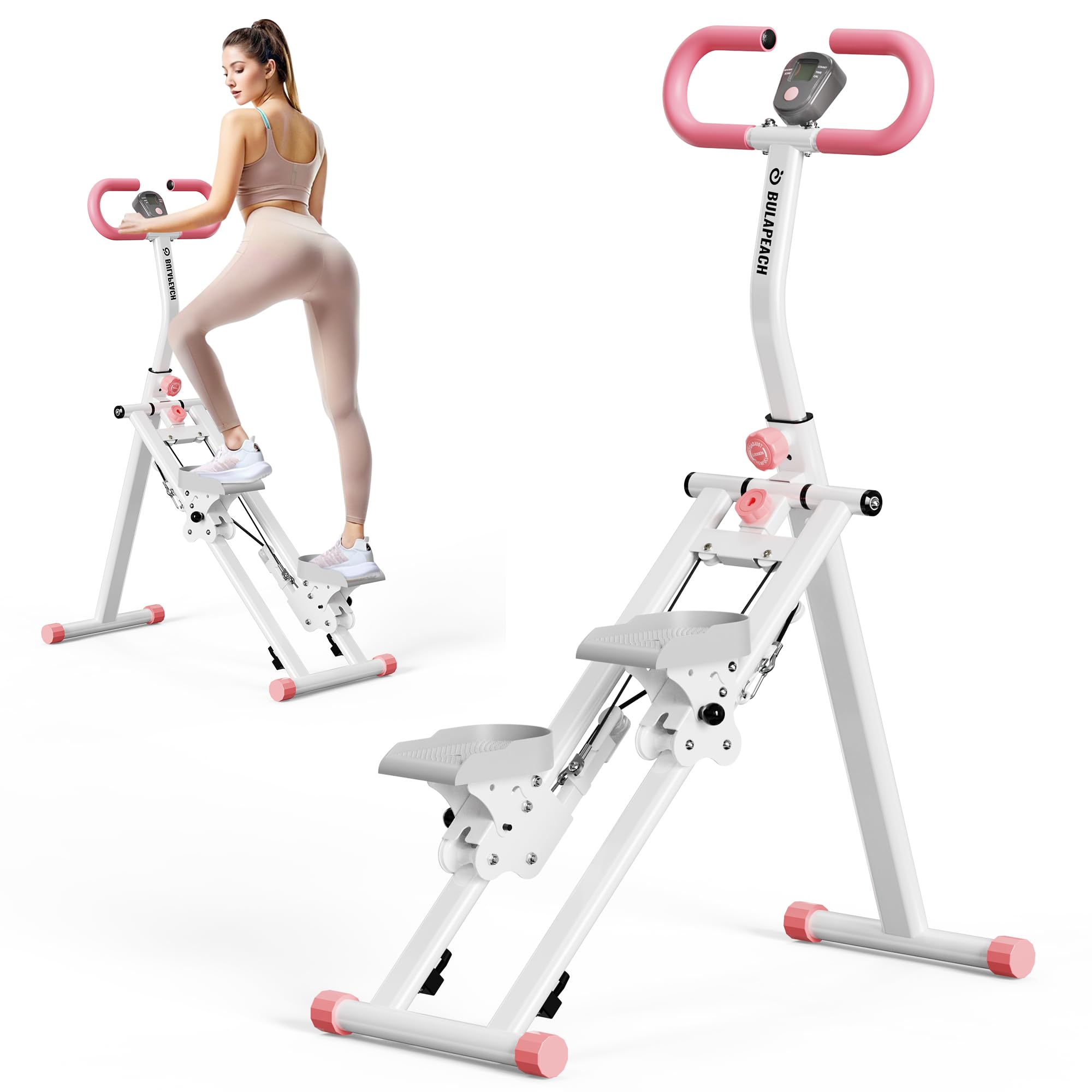
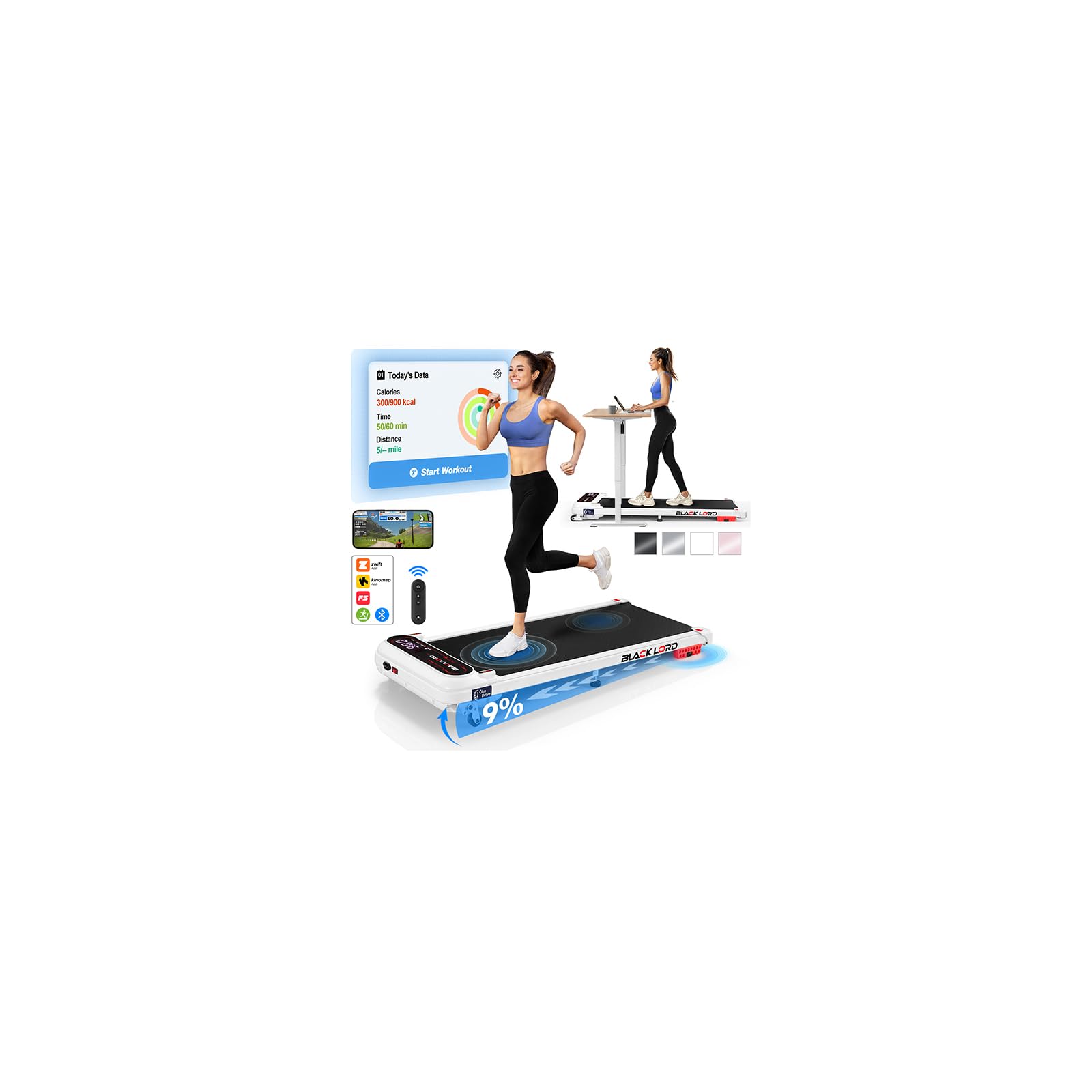
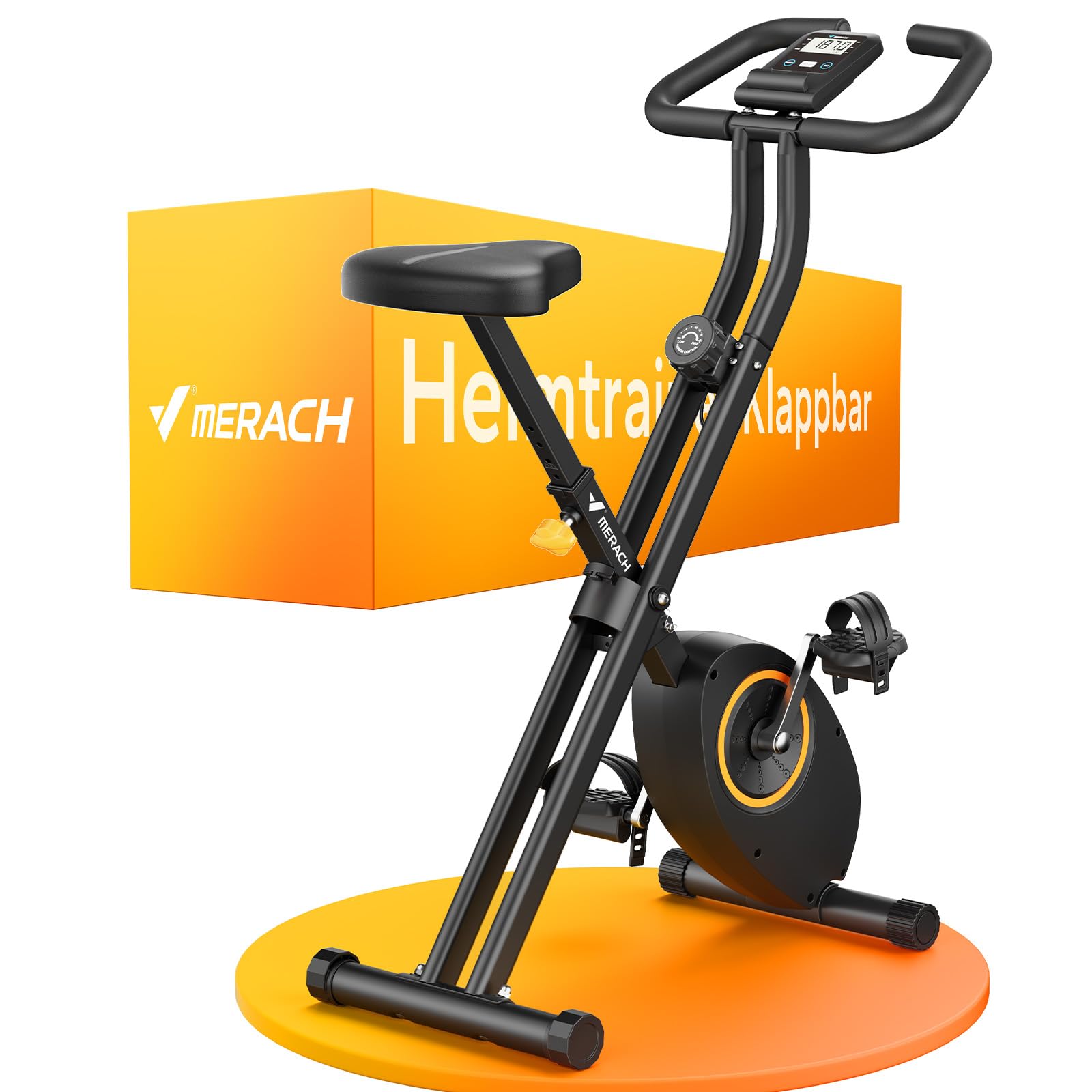
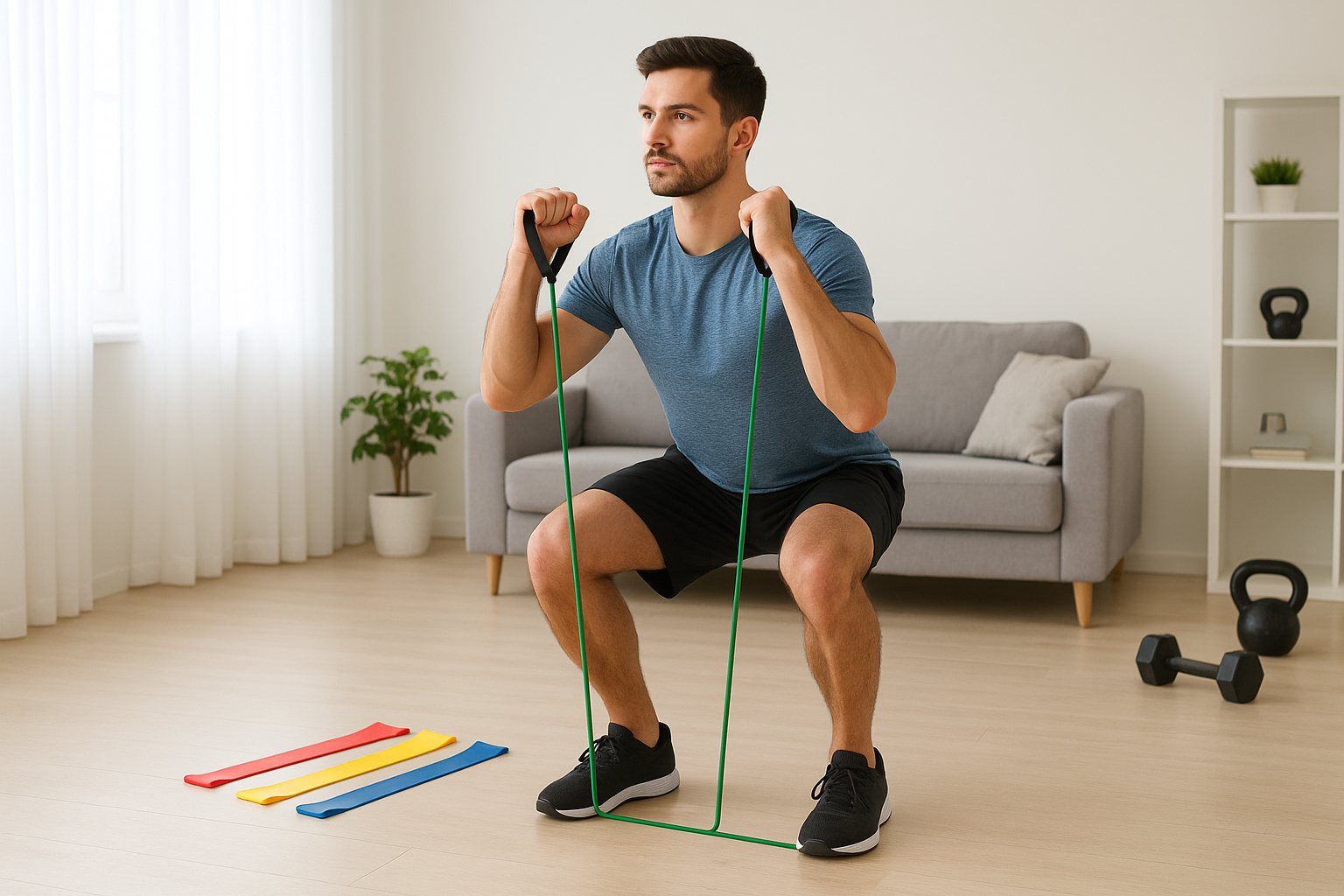
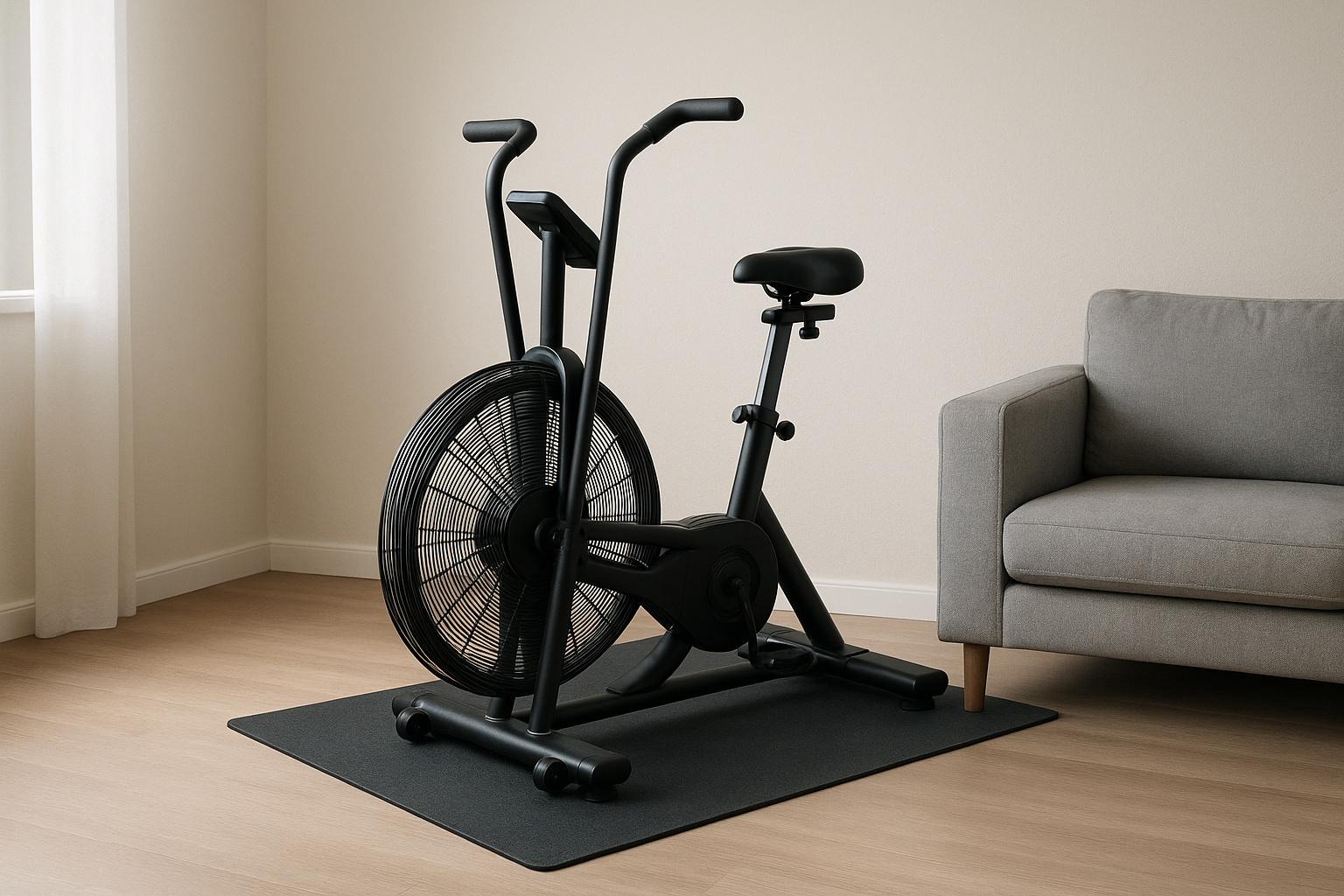
To truly recreate a studio-class atmosphere, pay attention to sound and motivation. Use a soundbar or Bluetooth speaker if your TV or mirror speakers are weak, so music and coaching cues stay clear over burpees and treadmill noise. Many platforms let you choose class length, music style and difficulty, so schedule sessions in your calendar like real appointments. Lay out your mat, towel and water bottle before starting, and keep a simple warm‑up and cool‑down routine to protect your joints. Over time, you can add extras like resistance bands, a bench or indoor bike, but the combination of a big screen, reliable casting and an interactive mirror is enough to turn almost any living room into a functional, motivating home fitness studio.
By combining a well‑placed screen, a responsive smart fitness mirror and dependable TV casting, you can build a guided home workout space that feels close to training with a coach in person. Focus on safe mounting, clear lines of sight and a clutter‑free floor, then experiment with different apps and class formats until you find what keeps you consistent. With the right setup, your home can deliver studio‑quality sessions every day, without commuting or waiting for equipment.