Building a more active home day does not require expensive gear or complex software. By combining a free habit tracking app on your phone with a simple step counter or basic wearable, you can turn everyday routines into movement opportunities and give your home workouts a clear structure. The goal is not perfection, but realistic daily movement goals that fit around work, family and limited space.
Table of contents
Why pair habit trackers with step counters
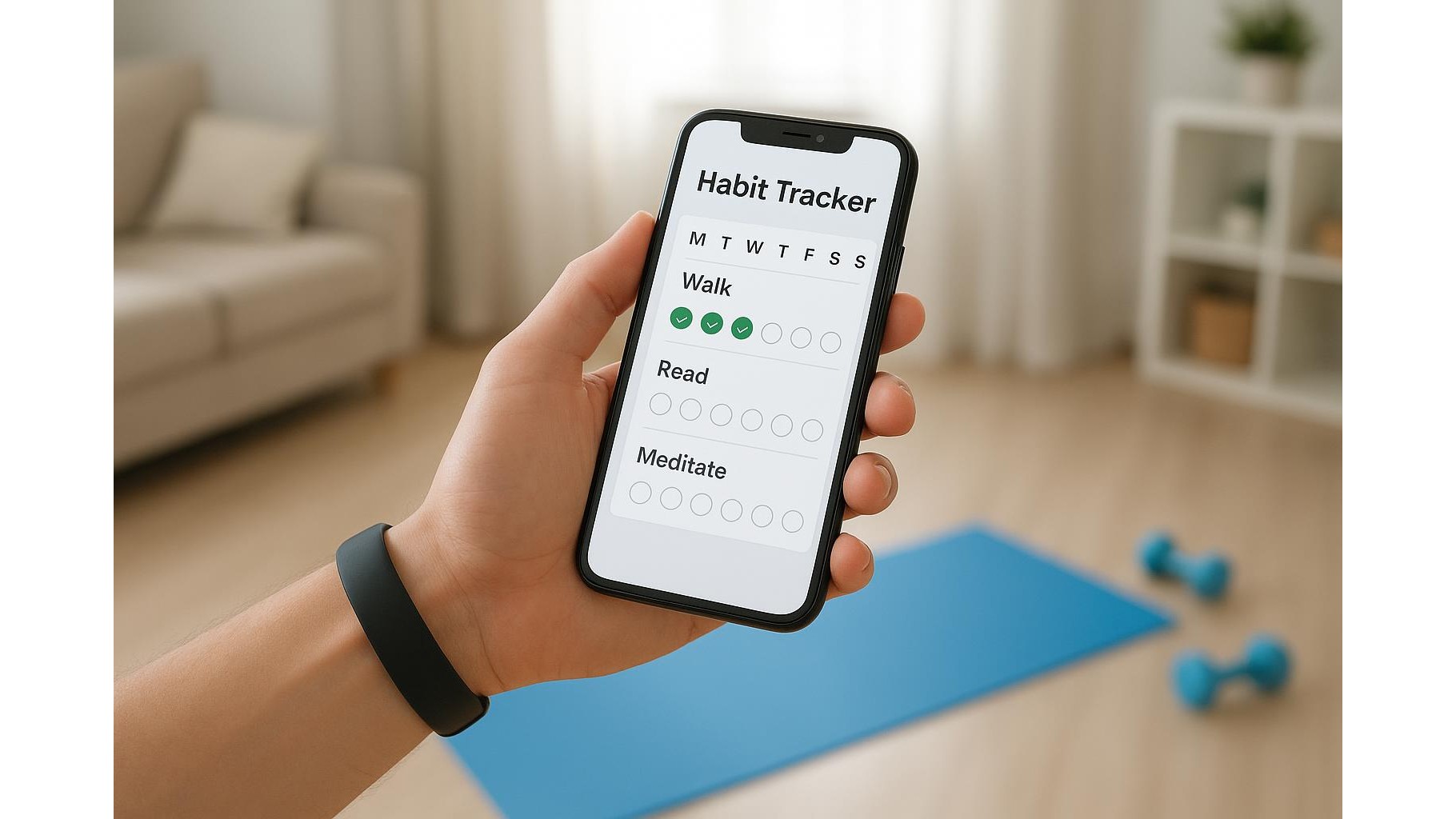
On their own, step counters only show how much you moved, while habit trackers help you remember what you meant to do. When you pair them, you get a powerful feedback loop: you set a daily habit in your app such as “10-minute mobility session” or “walk 6,000 steps”, then your pedometer or wearable gives you objective numbers. Free apps like simple checklist or habit‑streak tools make it easy to tick off your movement goals, while the step count keeps you honest. This combination is ideal for a home gym setup, because it pushes you to be active between and around workouts, not just during a single training block.
Choosing simple tools that you will actually use
You do not need advanced metrics. A basic pedometer or step counter that clips to your waistband or fits in your pocket is usually enough to track daily movement around the house. Look for clear displays, easy reset, and long battery life rather than lots of extra functions. On the app side, choose a free habit tracking app with a clean interface, daily reminders, and quick one‑tap logging. The fewer steps it takes to record a habit, the more likely you are to stick with it. Prioritise simplicity over features so you do not feel overwhelmed or spend more time fiddling with the tools than actually moving.
Setting realistic home-based movement goals
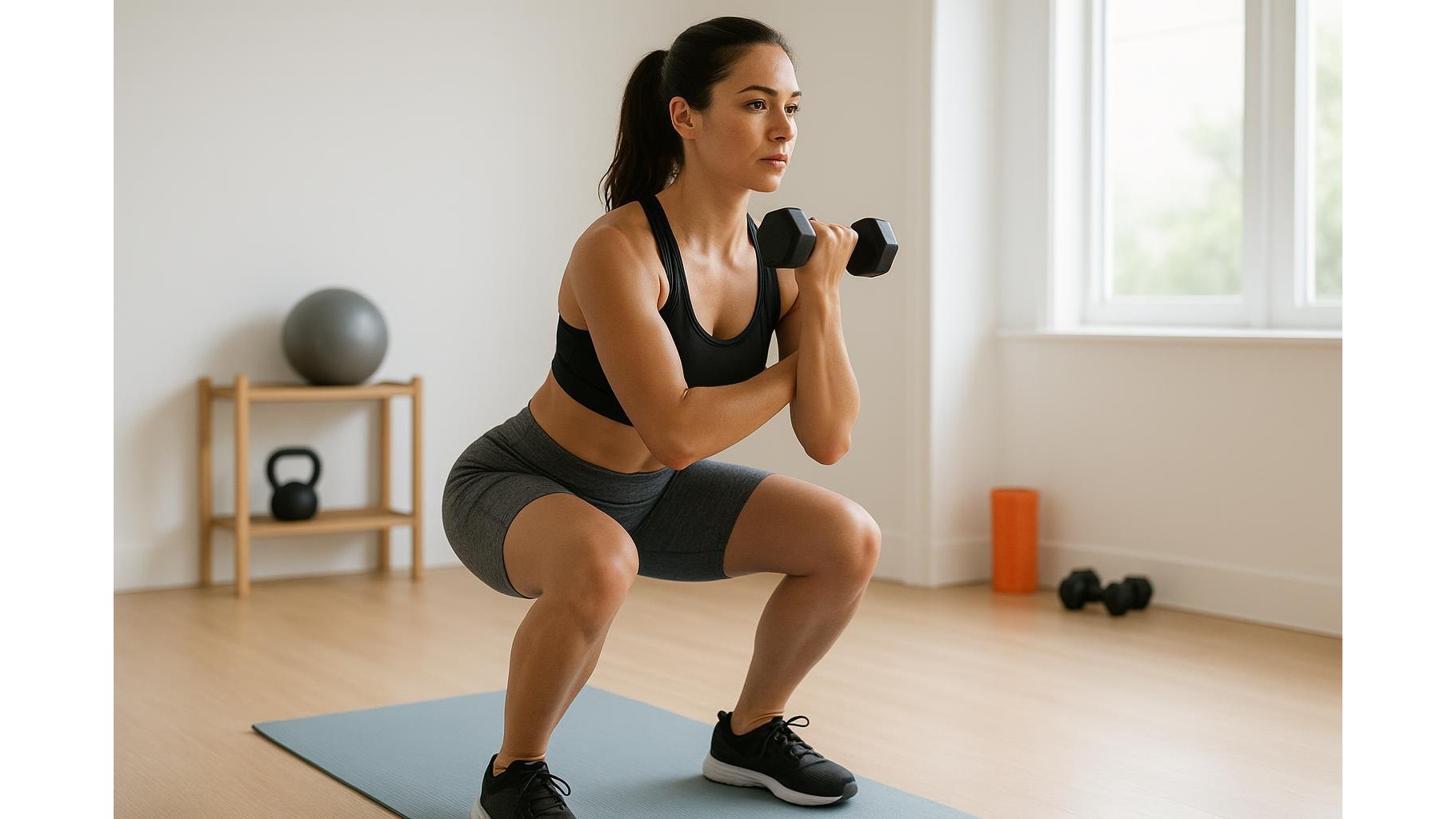
To make this system work, start with realistic goals that match your current lifestyle and space. Many people jump straight to 10,000 steps, but if you usually hit only 3,000, that jump will feel discouraging. Instead, increase your daily steps by 1,000–2,000 above your average and set that number as a habit in your tracker. Combine this with small, achievable home‑gym goals such as “two sets of bodyweight squats”, “five minutes of stretching”, or “one short resistance‑band circuit”. Use your habit app to break big aims like “get fitter” into tiny actions, then let your step counter confirm you are adding more low‑intensity movement throughout the day.
Building movement micro-routines around your home
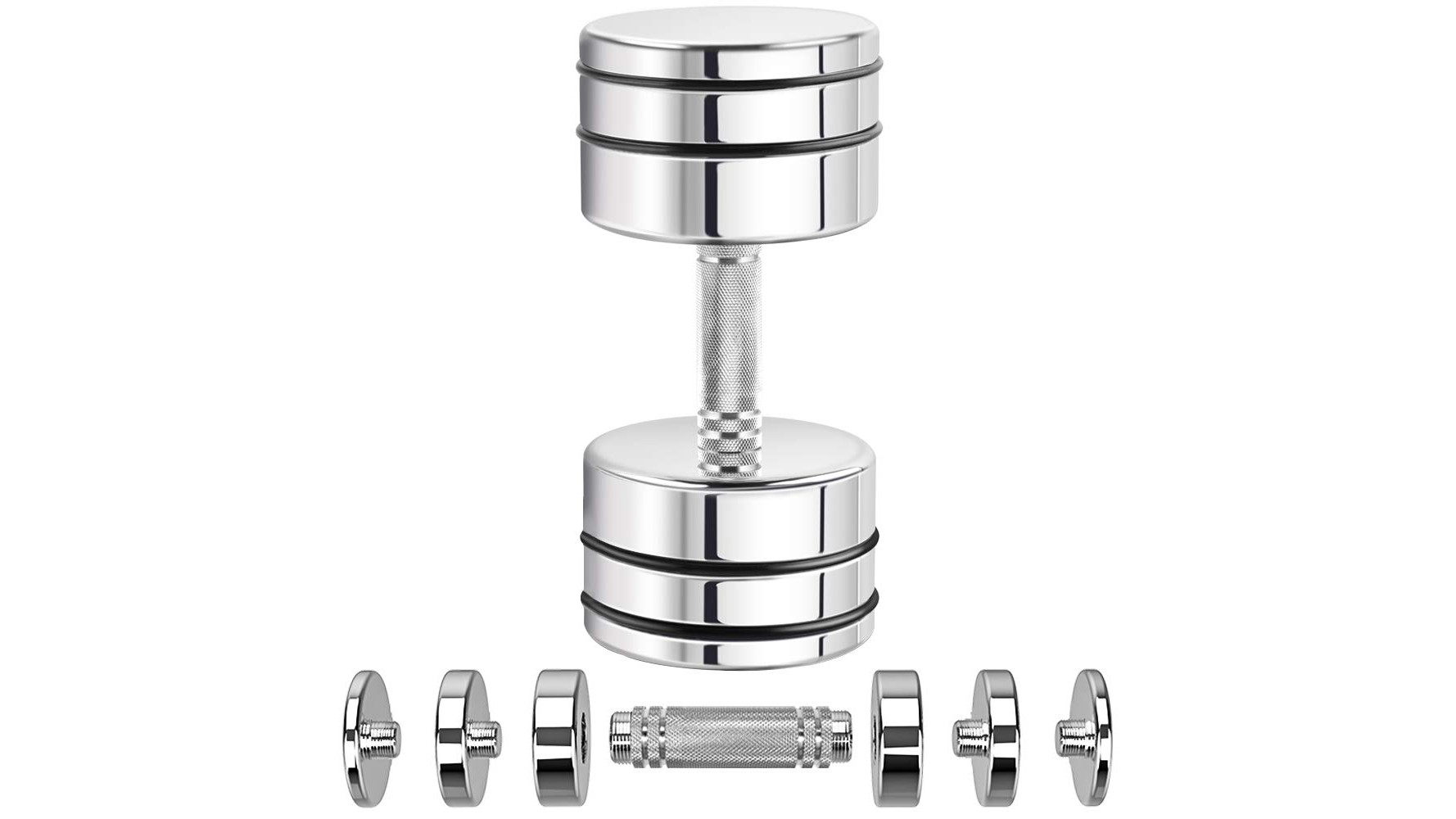
The real strength of habit trackers and step counters appears when you attach small movements to daily triggers. For example, every time you make coffee, walk one extra lap through your home; each work break, climb the stairs for two minutes; before dinner, do a quick home‑gym session with dumbbells or resistance bands. Log these as individual habits such as “coffee walk”, “desk break steps”, or “pre‑dinner circuit”. Over time, your step counter will show a steady rise in total daily movement even if your formal workout time does not change. These micro-routines are perfect for people working from home or caring for family, because they fit into tiny pockets of time.
Reviewing data and adjusting your plan each week
Once you have a week or two of data, spend a few minutes reviewing both your habit tracker and your step counts. Look for patterns: days when you missed your home workout but still hit your step goal, or the opposite. If you often fall short, adjust your targets downward slightly so you can rebuild consistency. If the numbers feel easy, add a little challenge: one extra habit, a higher step target, or an extra set in your home‑gym routine. This gentle, data‑driven approach is more sustainable than sudden, extreme changes. The aim is a steady upward trend in movement, supported by tools that feel like helpful guides, not strict judges.
By using a simple habit tracking app together with a basic step counter, you can turn your home into a more active environment without major investments. Clear daily habits anchor your intentions, while objective step data shows whether you are really moving more. Start small, attach movement to existing routines, and review your progress regularly. Over time, this low‑tech system can transform scattered home workouts into a consistent, active lifestyle that supports your health, energy and long‑term fitness goals.