Building a structured home training plan for a full year does not require expensive apps or complicated software. With a simple spreadsheet template, you can map out your macrocycles, mesocycles and planned deloads, while keeping everything aligned with your real life schedule. In this tutorial, you will learn how to turn a basic spreadsheet into a powerful planning tool, and how to pair it with a physical workout journal to make tracking effortless.
Table of contents
Defining your yearly macrocycle in a spreadsheet
Start by opening your favourite spreadsheet tool and creating a single sheet called “Year Plan”. In row one, insert the 12 months as columns (Jan–Dec). Each row represents one training week. For every week, assign a primary training focus (e.g. hypertrophy, strength, conditioning, mixed), and a simple colour code: green for hard weeks, yellow for moderate, blue for deload, and grey for holidays or time off. This becomes your macrocycle map. You can add extra columns for life constraints, like travel or busy work periods, so you avoid scheduling hard blocks when you know you will be stressed. By zooming out to one page, you get a clear picture of how your annual periodization balances work and recovery.
Breaking the year into mesocycles and blocks
On a second sheet, create a template for your 4–6 week mesocycles. Each column can represent a week (Week 1–4 or 1–6), while rows list key metrics: target volume (sets per muscle group), average intensity, and main lifts or movement patterns (push, pull, hinge, squat, core, conditioning). Link each mesocycle back to the macrocycle by noting the month and overall goal at the top. A simple dropdown for “Build”, “Peak” or “Deload” keeps things consistent. This setup lets you copy and paste the same structure for every block of the year, adjusting only small variables like sets, reps and exercise variations, while your spreadsheet preserves the long‑term logic of your home training.
Planning weekly home workouts with minimal clutter
Once your blocks are in place, add a third sheet for your weekly template. Use columns for days (Mon–Sun) and rows for exercises, with separate cells for sets, reps, load and RPE or effort. Because most home gyms rely on a limited set of tools (dumbbells, resistance bands, a pull‑up bar, a bench), keep your exercise list concise and repeatable. Duplicate this template for each new week, but reference your mesocycle sheet to ensure you are respecting planned increases and deloads. This avoids random, app‑driven sessions and replaces them with a clear, progressive roadmap that still fits your specific home equipment setup.
Pairing your spreadsheet with a physical workout journal
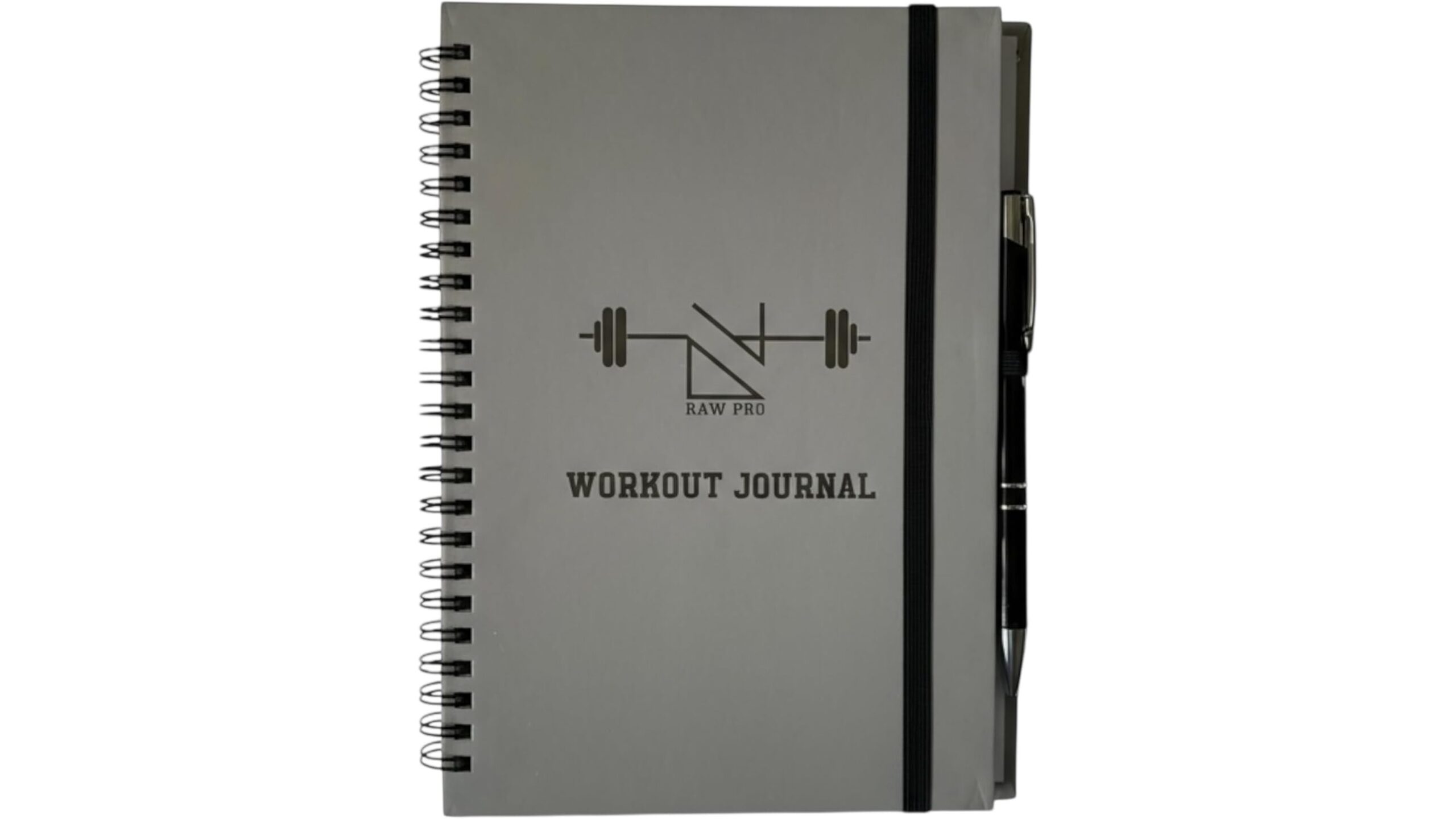
While spreadsheets are excellent for planning, many lifters find that tracking sets and reps during workouts is easier on paper. A compact training notebook like the A5 Workout Journal 144 pages with Elastic Strap & Pen – Fitness Tracker with Body Progress Log, Workout Calendar & Goals Planner Gym Log Notebook for Men & Women combines daily workout logs, a body progress tracker, and a workout calendar in one place. Its A5 size, durable cover and included pen make it practical to use beside your bench or yoga mat, and you can later transpose key numbers (top sets, total volume, PRs) into your spreadsheet. This hybrid approach—spreadsheet for strategy, notebook for execution—maintains structure without bringing a laptop into your training space.
Tracking progress, deloads and adjustments
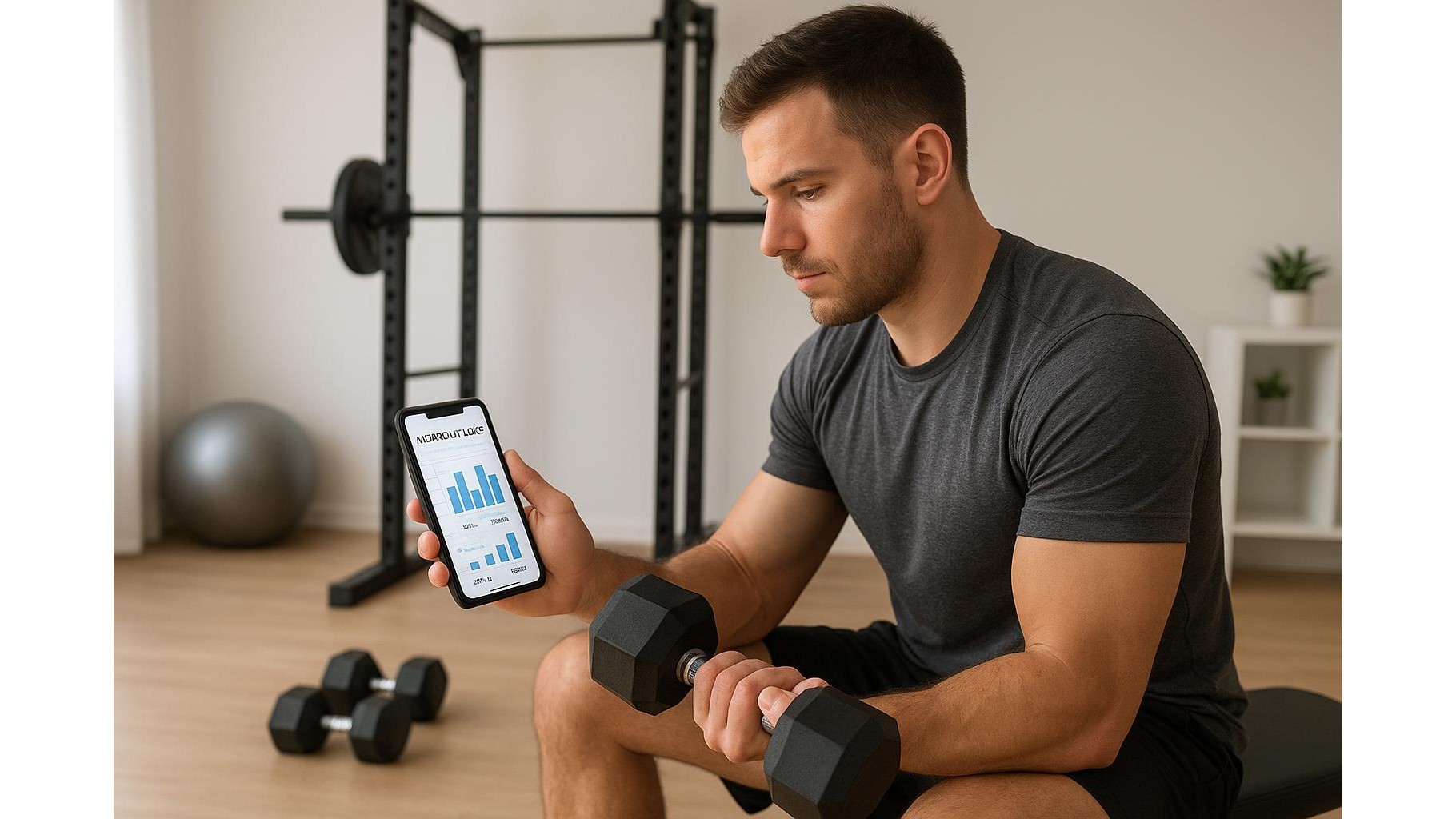
Your spreadsheet becomes powerful when you actually feed it data. At the end of each week, review your notebook and log total sets per muscle group, best sets for your main lifts, and any notes on fatigue or pain. Use conditional formatting to highlight weeks where volume or intensity jumps too fast, and to visually mark deload weeks in blue. Over months, patterns emerge: perhaps pressing volume is fine, but pulling volume stalls, or conditioning work regularly clashes with heavy leg sessions. Because everything is stored in a simple file, you can tweak upcoming mesocycles on the fly, shifting volume or changing goals while still respecting your original macrocycle structure.
Keeping your home training simple and sustainable
A well‑designed spreadsheet template can replace complex apps and pricey coaching tools, giving you a clear framework for a full year of home training. By dividing your plan into macrocycles, mesocycles and weekly templates, and pairing digital planning with a physical workout journal, you keep both the big picture and the daily details under control. This simple system helps you respect planned deloads, avoid overtraining, and stay focused on progressive overload rather than novelty. In the end, consistency wins: a clean, flexible spreadsheet and a reliable notebook are often all you need to make serious progress in your home gym.