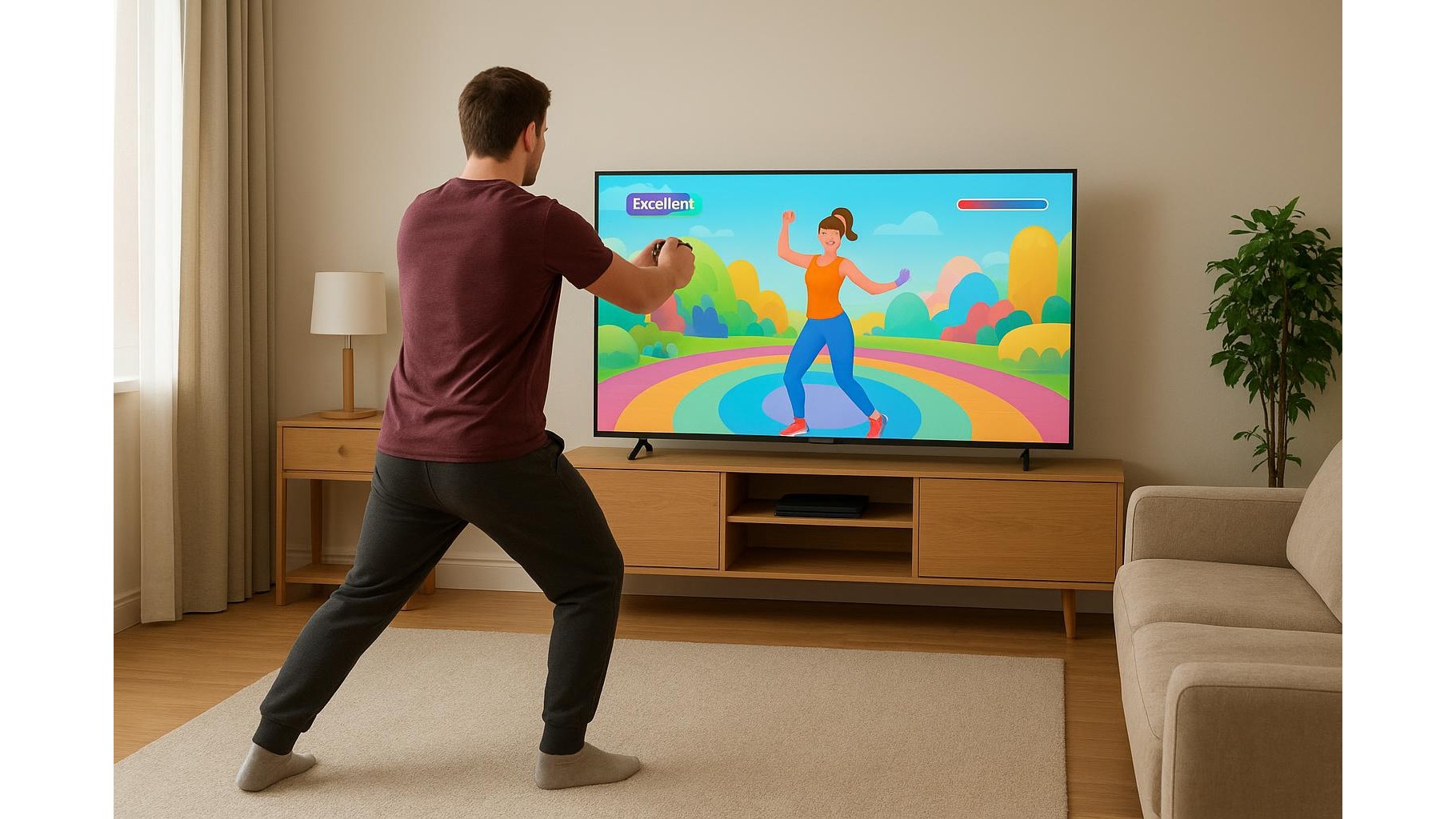
Modern consoles are far more than entertainment hubs. With smart planning, you can turn a game console into a surprisingly effective, structured home fitness system using only built‑in features and downloadable games. No extra trackers or dedicated fitness hardware are required – just a controller, your body, and a clear plan for how to structure sessions, track effort and avoid common pitfalls like fatigue and motion sickness.
Choosing the right console modes and games for fitness
The key to using a console for home workouts is selecting titles that encourage steady movement rather than button‑mashing. Look for dance games, rhythm titles, boxing or martial arts games, and sports simulations with active motion controls. Many popular platforms offer downloadable demos, so you can test which games keep you moving consistently for 10–20 minutes at a time. Prioritise modes that reward continuous activity (endless or practice modes) over short competitive rounds, as these help you maintain an elevated heart rate and make the session feel more like a workout than a series of mini‑games.
Structuring console workouts like real training sessions
To transform casual play into a real training plan, treat your gaming sessions like workouts in a gym. Start with 3–5 minutes of gentle movements using easy game modes as a warm‑up, then move into 15–25 minutes of more intense activity where you deliberately choose harder songs, faster opponents or longer rallies. Finish with 3–5 minutes of slower, low‑intensity play to cool down. Use in‑game timers, level lengths or music tracks to define intervals: for example, three “songs” at moderate intensity followed by one lighter track as recovery. Aim for 2–4 sessions per week, gradually adding time or difficulty as you feel fitter, just as you would with traditional cardio.
Tracking effort with built‑in tools and simple hacks
Even without external gadgets, you can still monitor effort and track progress. Most consoles record playtime, scores and achievements; create a simple weekly log where you note date, game, mode and total active minutes. Use perceived exertion (how hard you feel you are working on a scale from 1 to 10) and write it down after each session. Many modern TVs and consoles show a session timer – keep it visible so you know how long you have been moving. You can also count reps during game prompts (e.g. punches, steps, jumps) and record rough totals. Over time you should see your scores improve, your recovery between rounds get faster and your ability to play more demanding modes increase.
Reducing motion sickness and managing fatigue
Some people experience motion sickness or eye strain when combining fast games with physical effort. To minimise this, choose third‑person or external camera views instead of first‑person, reduce camera motion and turn off aggressive visual effects in the settings. Keep the room well lit and position yourself at a comfortable distance from the screen. Start with shorter 10–15 minute workouts and extend only when you feel stable. If you notice dizziness, slow down, switch to a calmer game mode, or close your eyes briefly while keeping your feet moving in place. Hydrate regularly and avoid very intense sessions late at night, when fatigue and eye strain are more likely to combine.
Creating variety and keeping motivation high
A console‑based home fitness routine works best when it is enjoyable and varied. Rotate between different genres – dance one day, virtual sports or boxing the next – to challenge your body in different ways and avoid boredom. Use in‑game challenges, seasonal events or achievement systems as motivation, setting weekly goals such as “three new songs cleared on hard” or “one extra league promotion”. If your platform supports online play, schedule co‑op or versus sessions with friends so that your “appointments” for exercise are harder to skip. Finally, combine your console workouts with simple off‑screen moves like bodyweight squats or stretches between rounds to add strength and mobility work without needing any extra equipment.
With intention and a little structure, your favourite games can double as a home fitness system. By choosing movement‑focused titles, organising sessions into warm‑up, main work and cool‑down, and using built‑in timers and logs to track effort, you can turn casual play into measurable training. Stay mindful of motion sickness, adjust visual settings and session length as needed, and keep motivation high by varying games and challenges. Your console will still be fun – but it will also quietly help you move more, feel fitter and build a sustainable exercise habit at home.