Smart insoles are turning everyday shoes into powerful fitness tracking tools. Instead of relying only on a watch or band, they place sensors right under your feet to analyse steps, cadence and pressure distribution with every movement. For anyone building a home gym but also training outdoors, this means more precise data on form, impact and balance, whether you are walking, running or doing strength work in the living room.
How smart insoles work inside your shoes
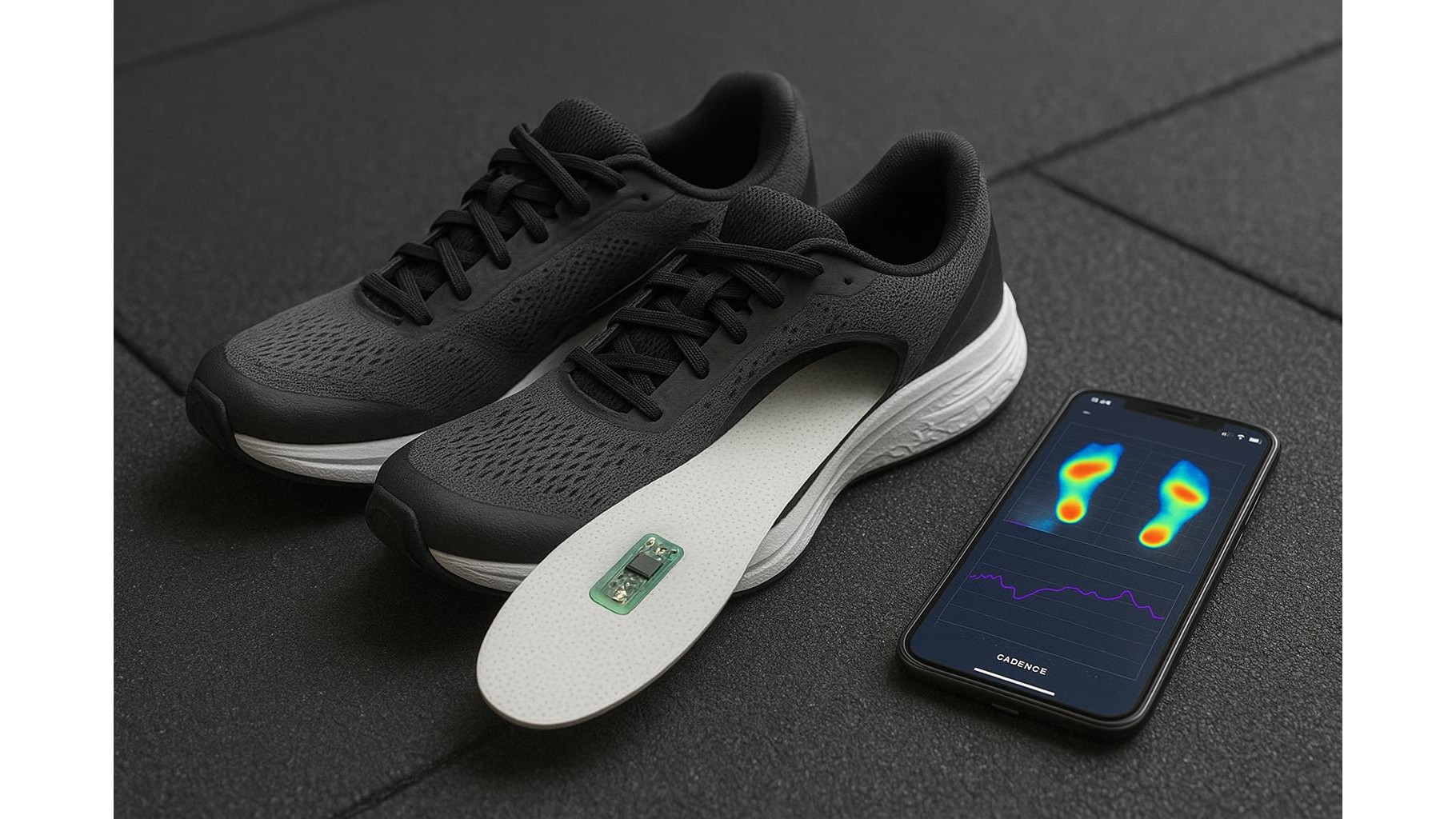
Most smart insoles use a combination of pressure sensors, accelerometers and gyroscopes, embedded in a thin, flexible insole that slips into your existing trainers. These sensors detect how your foot lands, how long it stays in contact with the ground and how force is distributed across heel, midfoot and forefoot. A small Bluetooth module sends data to a smartphone app in real time. Unlike wrist wearables, which infer steps from arm swing, insoles measure movement directly at the point of contact with the floor, giving more reliable step counts, cadence and gait metrics when your arms are not moving much, such as during treadmill sessions, indoor walking or carrying weights at home.
Home training benefits: form, balance and low‑impact work
In a home gym context, smart insoles shine when you want to improve form and protect your joints. During treadmill runs, walking workouts or step-ups, insoles can highlight if you are overstriding, striking too hard with the heel or placing extra load on one leg. Some apps visualise a heat map of foot pressure to reveal imbalances in squats, lunges and standing strength exercises. This is especially useful for beginners, older users or anyone recovering from a minor injury who needs to keep impact under control. Because the sensors are in your shoes, you also get consistent data even when your arms are by your sides, on the handlebars of a bike or holding dumbbells.
Outdoor running and walking: beyond simple step counts
Outdoors, smart insoles can provide a level of running analysis that most wrist wearables cannot match. Detailed metrics such as cadence, contact time, pronation patterns and left/right balance help runners refine technique and reduce the risk of overuse injuries. Walkers benefit from accurate distance and step tracking even when they push a pram, hike with poles or keep hands in pockets. While GPS watches excel at pace and route tracking, insoles add the missing layer of ground-contact information. Used together, they give a fuller picture of how you move, not just how far and how fast.
Pros and cons compared with wrist wearables
Compared with a standard fitness watch or band, smart insoles offer clear advantages in step accuracy and gait analysis. They are particularly strong for users whose arm movement does not reflect real activity, such as strength athletes, indoor cyclists and people doing rehab exercises. However, there are trade-offs. Insoles need to be charged, though often less frequently than watches, and you may want multiple pairs if you rotate shoes. They usually lack features like notifications, heart-rate monitoring or GPS, so they are not a complete replacement for a smartwatch. Comfort and shoe compatibility also matter: some models are thicker and may not fit tightly sized footwear, and long-term durability depends on how often and how hard you train.
Who benefits most from smart insoles
Smart insoles tend to suit specific profiles particularly well. Serious runners who care about economy, cadence and injury prevention gain from the extra biomechanical insight. Home fitness enthusiasts who mix treadmill work, step workouts and strength moves can monitor balance and loading in a way a wrist device cannot. They can also help older adults track daily steps more accurately and watch for changes in gait that might signal mobility issues. On the other hand, casual users mainly interested in basic steps, calories and notifications may find a wrist wearable simpler and cheaper. The best approach for many is a hybrid setup: keep your existing watch for all-day tracking and smart features, and add insoles when you want deep feedback on technique during key home or outdoor sessions.
In summary, smart insoles for home and outdoor training unlock a richer picture of how your feet interact with the ground, turning ordinary shoes into a powerful movement lab. They excel at precise step tracking, cadence measurement and pressure analysis, revealing imbalances and impact patterns that wrist wearables often miss. While they are not a full replacement for a smartwatch, they are a strong complement for runners, dedicated home gym athletes and anyone who wants to move more efficiently and safely. By combining both technologies, you can track not only how far you go, but also exactly how you get there.