Setting up home HIIT workouts usually means juggling apps, screens and beeping timers. But you can turn your phone into a hands‑free coach using nothing more than interval music playlists. By carefully choosing songs, sections and transitions, your music can cue every work and rest phase so you can focus on form, not on watching the clock. Here’s how to structure effective, repeatable HIIT sessions using smart playlists instead of traditional interval timers.
Table of contents
Choose your HIIT structure before choosing songs
Before opening your music app, decide on the HIIT structure you want to follow. Are you aiming for classic 20:10 Tabata, steady 40:20 intervals, or longer EMOM style blocks? Write down total workout time, number of rounds, and work:rest ratio. This lets you reverse‑engineer the playlist. For example, a 20‑minute session of 40 seconds work and 20 seconds rest can be built from one‑minute chunks, while a Tabata protocol breaks down into four‑minute blocks. Once your structure is clear, you’ll know exactly how many tracks or song sections you need and how long each should run, which makes your playlist precise instead of random.
Use song length and energy as built‑in interval cues
With your structure set, start assigning songs to specific intervals. For simple formats, use one full song for work and a shorter track or ambient clip for rest. Choose high‑BPM, high‑energy tracks for your hard efforts and slower, softer tracks for recovery so your body feels the shift even if you are not counting. For example, three fast songs followed by one mellow track can create a 3:1 work:rest block. In your notes, label tracks as “warm‑up”, “round 1 work”, “round 1 rest”, and so on. Over time you’ll learn that as soon as a certain chorus hits, it is time to push, and when a familiar downtempo intro begins, it is your cue to breathe and reset.
Exploit intros, verses and choruses as micro‑intervals
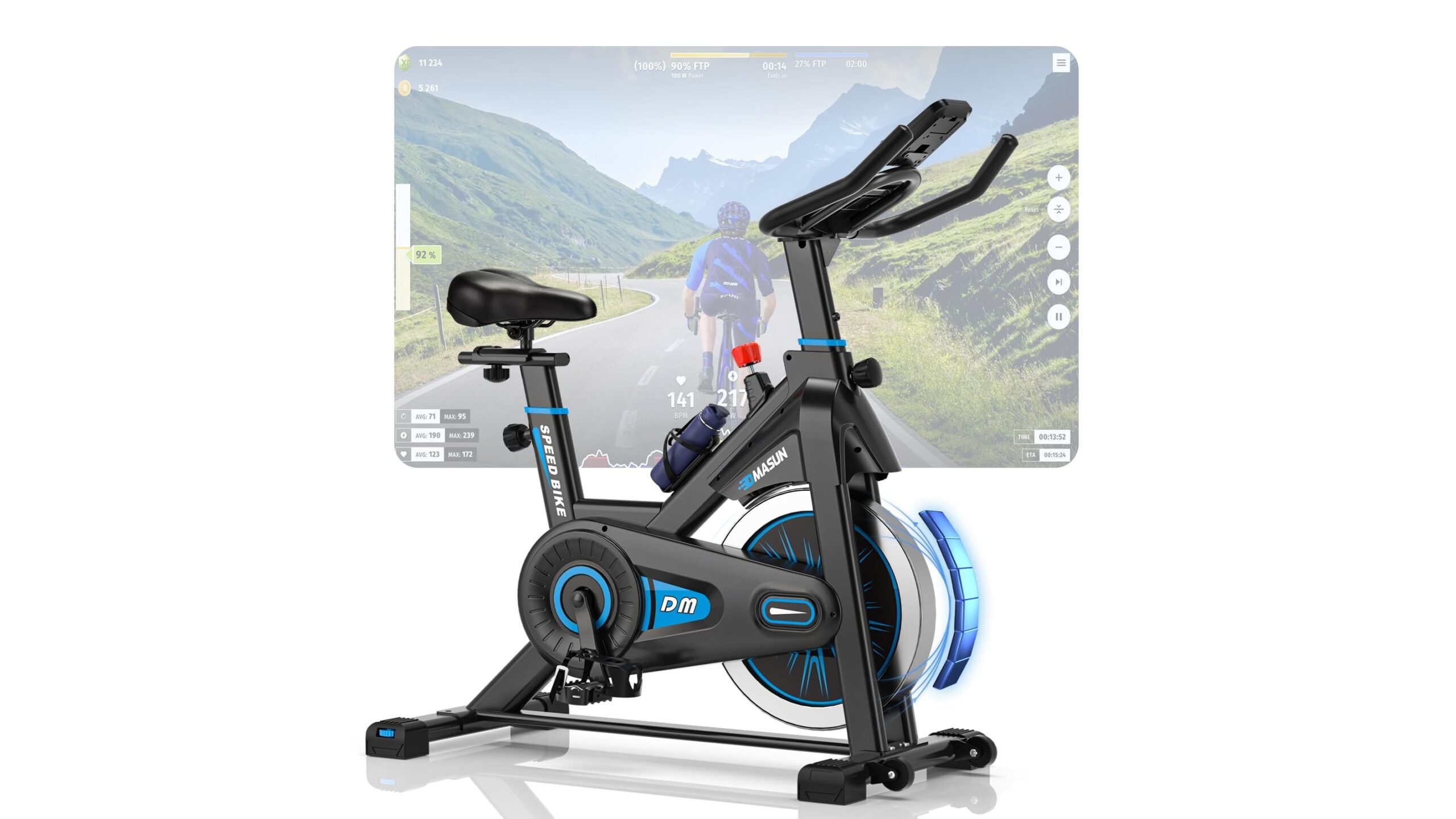
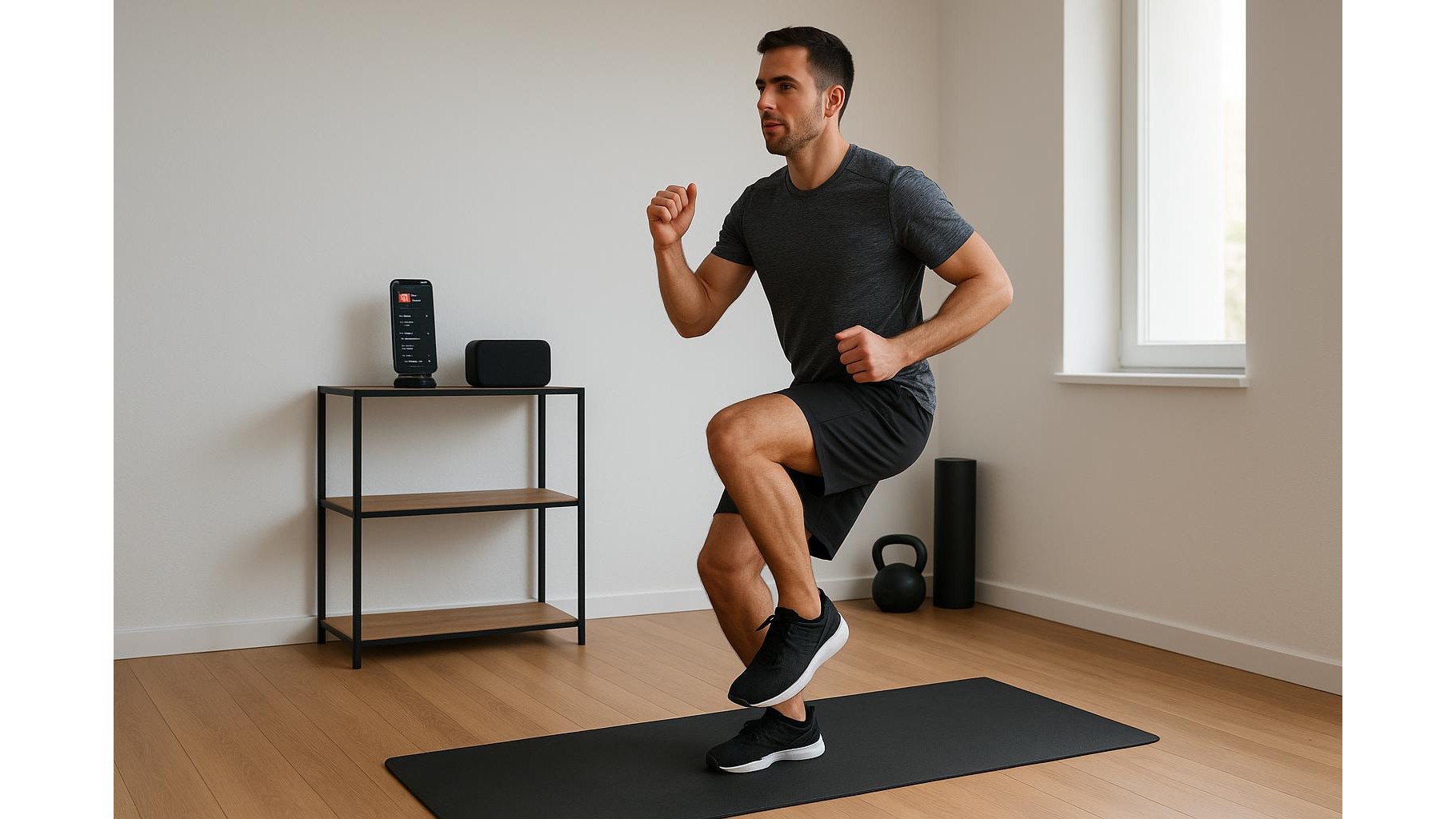
For more advanced interval music, use song sections instead of entire tracks. Many pop and electronic songs have predictable structures: intro, verse, pre‑chorus, chorus, drop and bridge. You can map these directly onto work and rest. For instance, warm up during the intro, then sprint during each chorus and jog during verses. Because these transitions are musical rather than mechanical, your workout feels more like dancing than drilling. Edit tracks in your music software or use crossfade options so that high‑intensity sections flow seamlessly into recoveries. This approach works especially well for bodyweight circuits and cardio intervals on a mat or stationary bike, where you can change effort level quickly without changing equipment.
Group exercises by track and add simple verbal cues
Once your playlist is mapped to intervals, match each song or song section to a small set of home exercises. For example, one high‑energy track might be squats and lunges, the next push‑ups and rows, the next core work. Keep decisions minimal by preparing a printed list: under each track title, write the moves you will perform during the work phases. If you like audio guidance, record a few short voice memos such as “Next up: squats and lunges” or “Rest coming in 10 seconds” and insert them before the song using basic audio editing. These quick cues, layered over the music, turn your playlist into a personal coach that tells you what to do without needing to glance at a screen.
Test, refine and save playlists for specific goals
The first time you use a new interval playlist, treat it as a test run. Notice whether the work periods feel too long, too short or just right, and whether the rest tracks actually let your heart rate drop. Adjust by trimming or extending sections, or by swapping songs with clearer energy changes. Then save each refined playlist under a descriptive name like “20‑min HIIT – lower body” or “30‑min EMOM conditioning” so you can launch a complete, screen‑free session with one tap. Over time you can build a small library of goal‑focused playlists for strength, cardio, or recovery that make starting a home workout as easy as pressing play.
Using interval music instead of timers turns your home HIIT from a chore of beeps and numbers into a rhythm‑driven routine you can follow by feel. By planning your structure first, aligning song length and energy with effort levels, and refining based on real sessions, you create playlists that silently manage pacing and progression for you. The result is a more focused, enjoyable workout where you stay off your screens, stay in the moment and let the music carry you from warm‑up to final cooldown.